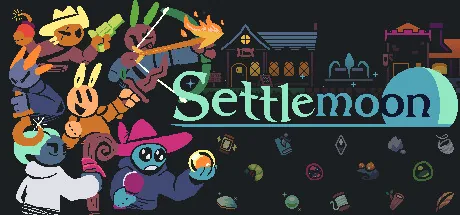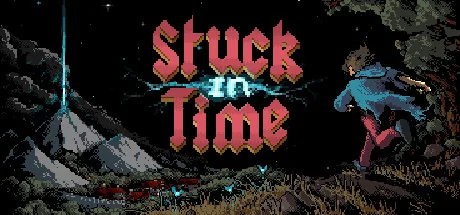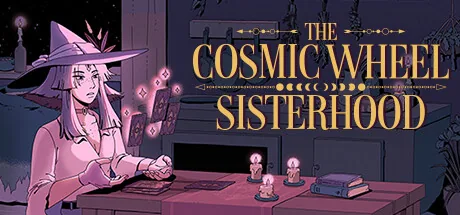
A cozy management game about dying, and one of the few games that earns the crying its reviews describe. The management half is fetch quests and minigames — which is the honest thing to tell you, because the store page sells it the other way round.
A grid-tactics deckbuilder that fuses Into the Breach-style positioning with a real card engine and a Space Invaders-flavoured alien assault, backed by a Metacritic 85 and an Overwhelmingly Positive Steam score — with real, specific complaints about UI clarity and balance outliers sitting underneath the acclaim.
A gorgeous, thematically serious entry in Bandai Namco's long-running JRPG series, built around six-character elemental combat and a slavery-and-liberation story that earns its weight. The game underneath is excellent. The launch-day decision to sell costume DLC that unlocks combat Artes and stat bonuses, advertised at every campfire, is still the thing its own playerbase brings up five years later.
Fifteen years on, Skyrim's open world is still the reason people play it — walk in any direction and something is there. The systems underneath that world, from swordplay to loot to the dialogue tree, have aged a lot less gracefully, and Bethesda has spent a decade finding new ways to resell the same game. Reviewed as Skyrim Special Edition, the version Steam actually sells you today.
A build-crafting incremental about small creatures smashing a rock for wealth, where the usual "number always goes up" comfort is replaced by permanent choices that can genuinely sabotage a run.
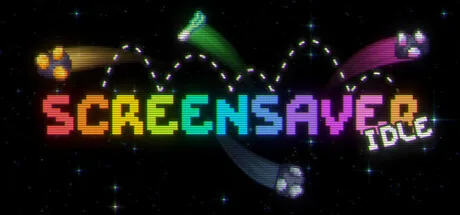
A game whose central mechanic is a 400-day countdown that runs whether you play or not — the most literal treatment of idle time anyone has attempted, and it's 92.3% positive six years on.
A terraforming survival-crafting game that turns a barren world into a breathable one in front of your eyes — beloved for exactly that transformation, and honestly criticized by a consistent minority for being addictive without offering much real friction or danger.
A minimalist build-by-day, defend-by-night strategy game from a two-person studio that became a genuine indie hit — reviewed on its full post-1.0 record, including an achievement curve that maps exactly where players stop, and the small, sold-off, still-supported story behind it.
A survivors-like roguelike that reads the lyrics of any MP3 you import and turns each word into a battlefield effect — reviewed on a complete, unanimously positive 22-review sample from a solo developer's first days in Early Access.
A city builder where the antagonist isn't a raid or a monster roster but a drought timer, and every dam, canal and reservoir you build is really an answer to a scheduling problem. Beavers are the theme; water is the game.
The most austere game Zachtronics ever made, and the one whose store page promises least — which is exactly why it rates higher than the siblings that promised more.
Respawn Entertainment's 2016 shooter remains Overwhelmingly Positive across more than 284,000 Steam reviews, widely regarded as one of the finest FPS campaigns ever made — a reputation shadowed by a genuine, years-long multiplayer DDoS crisis this review can confirm directly from the developer's own communications, and by the mandatory EA App launcher requirement that recurs as a real, persistent complaint even in reviews from Steam Deck-era players decades removed from launch.
A 2012 answer to Diablo III's always-online auction house, built by former Blizzard North designers — and still worth playing today largely because of the mod scene that kept extending it after Runic Games itself closed down.
A solo developer's follow-up to Magic Archery swaps archery for architecture, building an incremental around growing a single wizard's tower toward a definite, well-earned ending rather than an infinite number-go-up treadmill.
A tactics RPG built on genuine terrain manipulation and a persuasion-driven branching story, from the producer behind Bravely Default and Octopath Traveler — and a game whose own Steam reviews argue at length about just how much dialogue sits between its battles.
The spiritual successor to Theme Hospital that launched rough — pathing bugs, a missing copy-paste room button, repetitive late-game hospitals — and, unusually for this library, has visibly improved rather than declined as measured by its own negative-review volume over time.
A solo developer's sci-fi idle game with over ten interlocking systems and players who have logged thousands of hours apiece. The reception is Very Positive, and the one recurring complaint is that late-game progress stops rewarding curiosity and starts demanding one correct answer.
Poncle and Nosebleed Interactive take the cast of a bullet-heaven phenomenon and lock them into turn-based card combat instead. The pivot works far better than it has any right to, right up until the deck-breaking builds that make the genre fun also make the back half of a run trivial.
The deckbuilder that removed the luck. You see every reward in advance and rebuild your deck between every fight — which makes it the most controllable game in its genre, and is exactly why some players bounce off it. Six dollars, 251 achievements, and criminally under-noticed.
A puzzle game built around one genuinely brilliant idea — photographs you place in the world become the world, letting you reshape reality by swapping what a picture shows for what's actually there — undercut by a runtime and a script that its own fans agree don't live up to the mechanic carrying them.
A survival-crafting game with action-RPG combat and a boss list instead of a tech tree, built around a PvP fantasy that most of its players quietly opt out of. Two years past 1.0, with the studio now calling it content-complete, it's worth being precise about which version of this game you're actually signing up for.
A free-to-play space-ninja shooter that has been adding systems since 2013 without ever taking one away. Genuinely one of the most generous live-service games on the market, and one of the hardest to explain to a friend. Reviewed with Jade Shadows: Constellations current.
Shiro Games' open-world mercenary RPG treats a company of sellswords as a small business — wages, food, gear repair and prisoners are the real spreadsheet, and combat is what happens when that spreadsheet goes wrong.
A procedural storytelling tactical RPG that follows the same handful of heroes from their first pitchfork fight to old age, generating genuinely moving personal arcs — until enough playthroughs reveal the same event templates repeating underneath the charm.