
Game review
The Last Caretaker
7 / 10
- Developer
- Channel37 Ltd
- Publisher
- Channel37 Ltd
- Released
- 6 November 2025
- Platforms
- Windows
- Genre
- Survival Crafting
- Monetisation
- One-off premium purchase, no DLC, no in-app purchases and no premium currency
- Players
- None currently, though multiple reviewers specifically request co-op as a future addition; single-player only as of this review
The short version
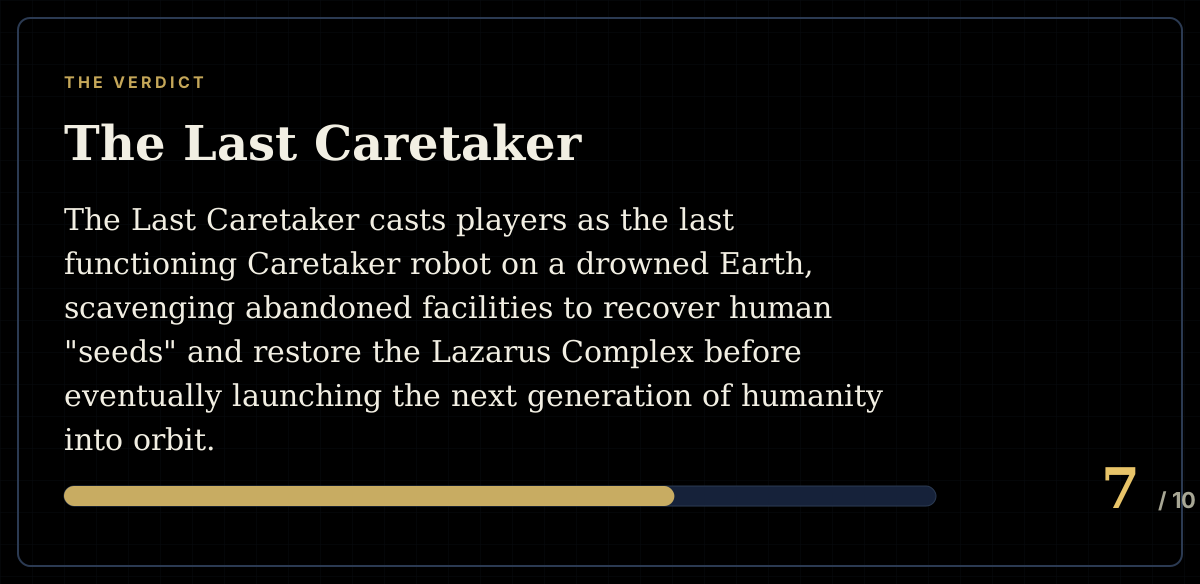
The Last Caretaker casts players as the last functioning Caretaker robot on a drowned Earth, scavenging abandoned facilities to recover human "seeds" and restore the Lazarus Complex before eventually launching the next generation of humanity into orbit. It's a genuinely distinctive premise, and the review sample's enthusiasm for it is specific and heartfelt rather than generic — "This game is like crack cocaine for nerds," one representative review states, and more than one reviewer with 100-plus hours describes losing entire nights to the scavenge-craft- power loop. Very Positive across more than 12,000 Steam reviews, the game earns real, sustained passion. What tempers that enthusiasm into an honest Early Access assessment is a remarkably consistent, painful thread running through the critical sample: severe, worsening performance problems even on capable hardware, a specific crash bug multiple reviewers report has persisted unresolved for months despite in-game reporting, and a lack of a motion-sickness accessibility toggle that at least one reviewer says they've requested for months while the developer instead prioritised new content. The game's own patch history confirms a fast content cadence — five major updates in under a year — that several fans explicitly wish had been aimed at stability first.
Biggest strengths
- A genuinely distinctive, well-realised premise — a lone robot saving humanity's last survivors across a drowned Earth — that draws sustained, specific enthusiasm rather than generic praise
- The core scavenge-craft-power gameplay loop, including a satisfyingly tactile scrapping/ shredding mechanic, is repeatedly described as deeply, almost addictively engaging
- Atmosphere and environmental storytelling draw consistent praise, with silent underwater facilities and Seed Vaults delivering real narrative weight through exploration alone
Biggest weaknesses
- Performance is a severe, well-documented, still-current problem even on capable hardware, with multiple reviewers reporting frame rates dropping into the 30s and 40s on systems well above the game's stated recommended specs
- A specific crash-to-desktop bug is reported by multiple reviewers as persisting for months despite being reported through the game's own in-game bug system, with no confirmed fix as of this review
- At least one detailed review describes requesting a toggle for severe motion sickness caused by head-bob camera movement for months without it being added, while new content updates continued shipping in the meantime
Who it's for: Survival-crafting fans specifically drawn to a distinctive, atmospheric sci-fi premise who are prepared to accept real, currently unresolved technical rough edges as the cost of playing an ambitious game in active Early Access development.
Our recommendation: A genuinely exceptional concept and atmosphere worth experiencing, but buyers sensitive to performance issues, crashes, or motion sickness from head-bob camera movement should wait for further stability work before committing at full price.
7 / 10
Survival-crafting is one of gaming's most crowded genres, which makes a game that draws genuinely specific, passionate praise from thousands of players worth paying attention to. The Last Caretaker's pitch is distinctive enough to explain that passion on its own: you play the last functioning Caretaker robot on a drowned, ruined Earth, scavenging abandoned facilities to recover dormant human "seeds," restoring the Lazarus Complex, and ultimately preparing the next generation of humanity for launch into orbit. Since entering Early Access on 6 November 2025, Channel37 Ltd's game has settled at Very Positive across more than 12,000 Steam reviews — and the specific texture of that enthusiasm, alongside an equally specific and consistent set of technical complaints, is what makes this review worth engaging with in full rather than just repeating the score.
A premise that earns real devotion
Reviewers describing what keeps them playing tend to get specific and a little unhinged in the best way. "This game is like crack cocaine for nerds. You are/have: playing a robot, no one expects any level of EQ or empathy or mindfulness from you. All alone, everyone is dead, no interaction required," one review states, capturing a genuinely distinctive appeal — a survival game built around solitary purpose rather than the social tension most of the genre relies on. Playtime figures across the sample are striking even by survival-genre standards: one reviewer reports 200-plus hours after restarting once they'd learned the systems properly; another, over 100 hours in, describes the developers "grinding out" quality-of-life fixes "back to back to back." The scrapping and shredding mechanic — physically dismantling wreckage and feeding it into an industrial shredder for materials — draws consistent, specific tactile praise, and the atmosphere built around silent underwater facilities, Refuel Outposts and long-forgotten Seed Vaults delivers real narrative weight purely through environmental storytelling. "I've been gaming for 40 years and I'm so tired of the same old same old," one reviewer states after launching their first human into orbit. "So many games these days are just a rehash of the same stuff."
Where genuine love collides with genuine frustration
What makes The Last Caretaker's review sample unusual is how often real affection and real frustration coexist in the same review, sometimes in the same sentence. "I hate writing this review as I thought whole heartedly this would be the best game of the year. Given the 4 1/2 updates the game has gotten though... I have lost faith," one detailed review states — not from someone who disliked the concept, but from someone specifically disappointed that the updates they'd been hoping would fix core issues instead prioritised new content. Another puts it even more starkly: "A beautiful tragedy (and I don't just mean the story)... I really wanted to give this a thumbs up. The world is beautiful, the story is intriguing... However" the technical execution keeps getting in the way.
Performance draws the most consistent, specific complaint in the sample, and it's backed by concrete hardware detail rather than vague grumbling. "It's a very good game but it needs major optimization. When I first started playing the game, my graphics were set to ultra and I was playing at 120 fps, but as I explored more of the map, I had to keep lowering the graphics," one review states. Another, with genuinely high-end hardware: "my 5600x + 3080 runs like dog water... Late game fps is like 40-50fps and sometimes dipping to 30fps." A third, running an even stronger rig, reports the game's own performance benchmark predicting 90 fps average while actual play delivered "frequent stutters under 40" — a specific, concrete gap between advertised and delivered performance worth taking seriously.
A separate, more severe complaint concerns outright stability. "A persistent game-breaking bug (a crash to desktop without reaching the opening menu screen) has been present since the 16th of February 2026," one review states, dated to two months later in mid-April, describing having reported the issue through the game's own in-game bug-reporting system with no resolution in that window. Another describes a similarly severe, specific failure: building and firing a particular weapon "totally broke" their save after just 1.5 hours. These are concrete, reproducible technical failures rather than general polish complaints, and worth weighing seriously against the genre's usual Early Access disclaimers.
A specific, real accessibility gap
One further complaint deserves direct, individual attention rather than folding into general technical grumbling: motion sickness from the game's head-bob camera movement. "The motion sickness from head bobbing is so extreme I cannot play. I have asked for accessibility options for months but the developers are prioritizing content," one detailed review states. That's a specific, credible accessibility concern, and the framing — a clear ask, repeated over months, apparently unaddressed while the studio shipped several content updates in the same window — is a fair, concrete thing for prospective buyers with similar sensitivities to weigh directly rather than discovering after purchase.
A studio genuinely still building, just not always in the direction fans want most
To be fair to Channel37 Ltd, the pace of content development itself has been genuinely substantial: Update 3 ("Curiosity Wakes"), 3.5 ("Shadow Drop"), 4 ("Below Us"), and 5.0 ("New Horizons") all shipped within roughly nine months of Early Access launch, each accompanied by developer livestreams walking through the new content. That's real, sustained investment by any reasonable standard. The honest tension the review sample repeatedly identifies isn't that the studio has gone quiet — it's that a substantial, vocal share of the fanbase specifically wishes that same energy had gone toward stability and accessibility fixes first, rather than running in parallel with continued content expansion.
Where this leaves a buyer
At NZ$47.99 in Early Access, The Last Caretaker offers a genuinely distinctive, well-realised premise that's earning real, specific devotion from a large and growing player base — the concept, atmosphere and core scavenging loop are strong enough that this isn't a case of hype outrunning substance. The honest caution belongs specifically to buyers sensitive to real, currently unresolved performance problems, a documented persistent crash bug, and the absence of a motion- sickness accessibility toggle despite reported requests. Players comfortable treating those as the genuine cost of an ambitious game still mid-development are likely to find exactly the deeply engaging survival experience thousands of reviewers describe; players who've been burned by Early Access performance issues before should watch for a stability-focused update before committing at full price.
Pros and cons
Pros
- A genuinely distinctive, well-realised premise — a lone robot saving humanity's last survivors across a drowned Earth — that draws sustained, specific enthusiasm rather than generic praise
- The core scavenge-craft-power gameplay loop, including a satisfyingly tactile scrapping/ shredding mechanic, is repeatedly described as deeply, almost addictively engaging
- Atmosphere and environmental storytelling draw consistent praise, with silent underwater facilities and Seed Vaults delivering real narrative weight through exploration alone
- A fast, sustained Early Access content cadence — five major updates in under a year — shows genuine ongoing developer investment in expanding the game
Cons
- Performance is a severe, well-documented, still-current problem even on capable hardware, with multiple reviewers reporting frame rates dropping into the 30s and 40s on systems well above the game's stated recommended specs
- A specific crash-to-desktop bug is reported by multiple reviewers as persisting for months despite being reported through the game's own in-game bug system, with no confirmed fix as of this review
- At least one detailed review describes requesting a toggle for severe motion sickness caused by head-bob camera movement for months without it being added, while new content updates continued shipping in the meantime
- Several reviewers who otherwise love the game describe the core gameplay loop becoming repetitive at scale, feeling like forward progress without meaningfully new mechanics later on
Screenshots
-
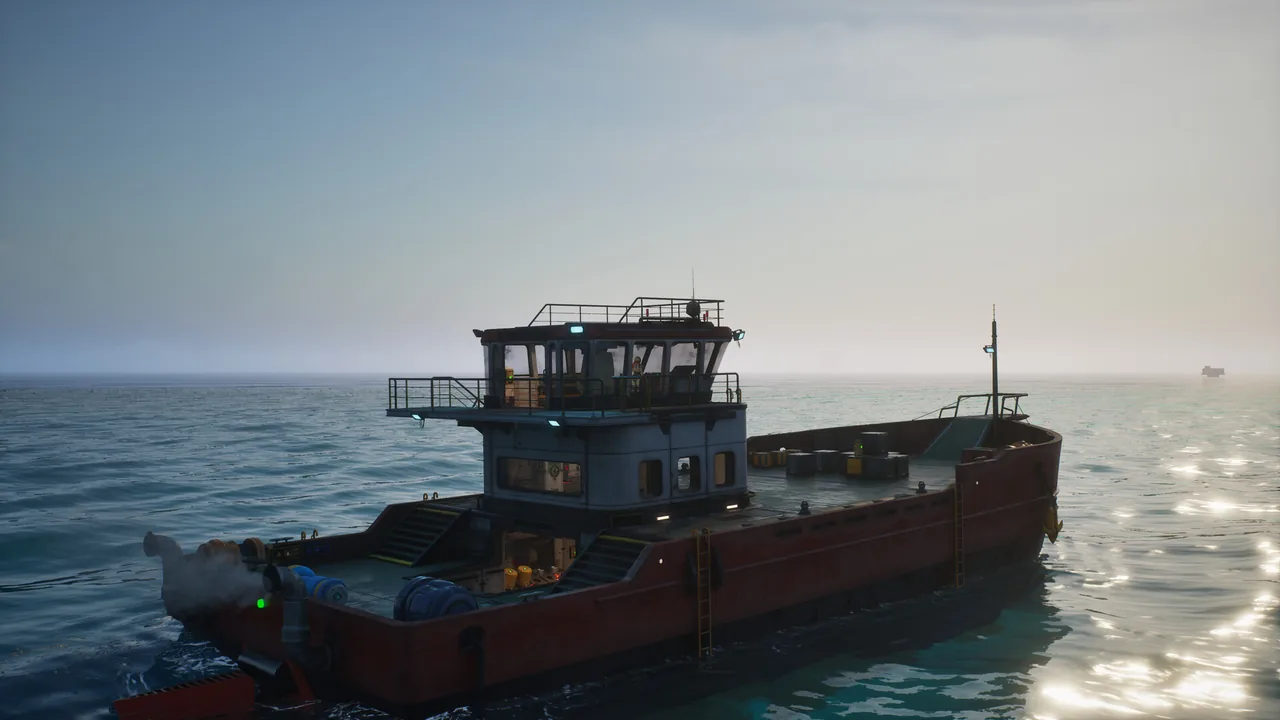
The Last CaretakerImage: Channel37 Ltd via Steam -
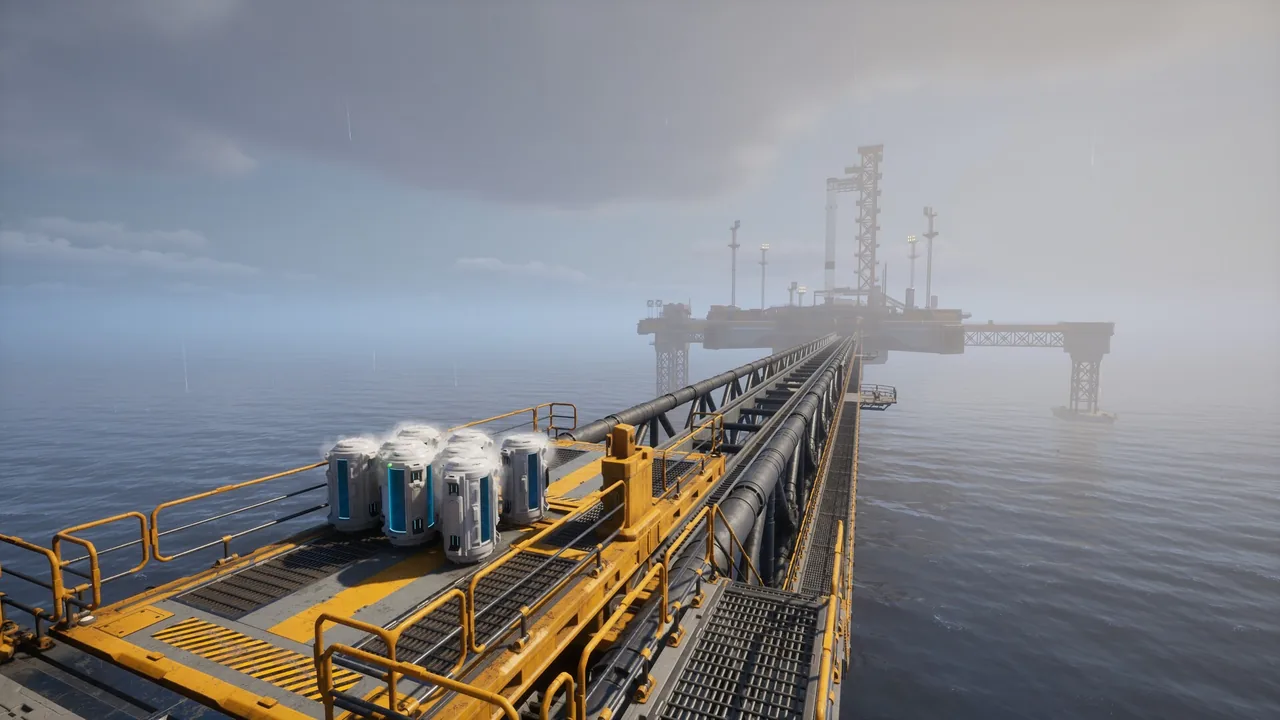
The Last CaretakerImage: Channel37 Ltd via Steam -
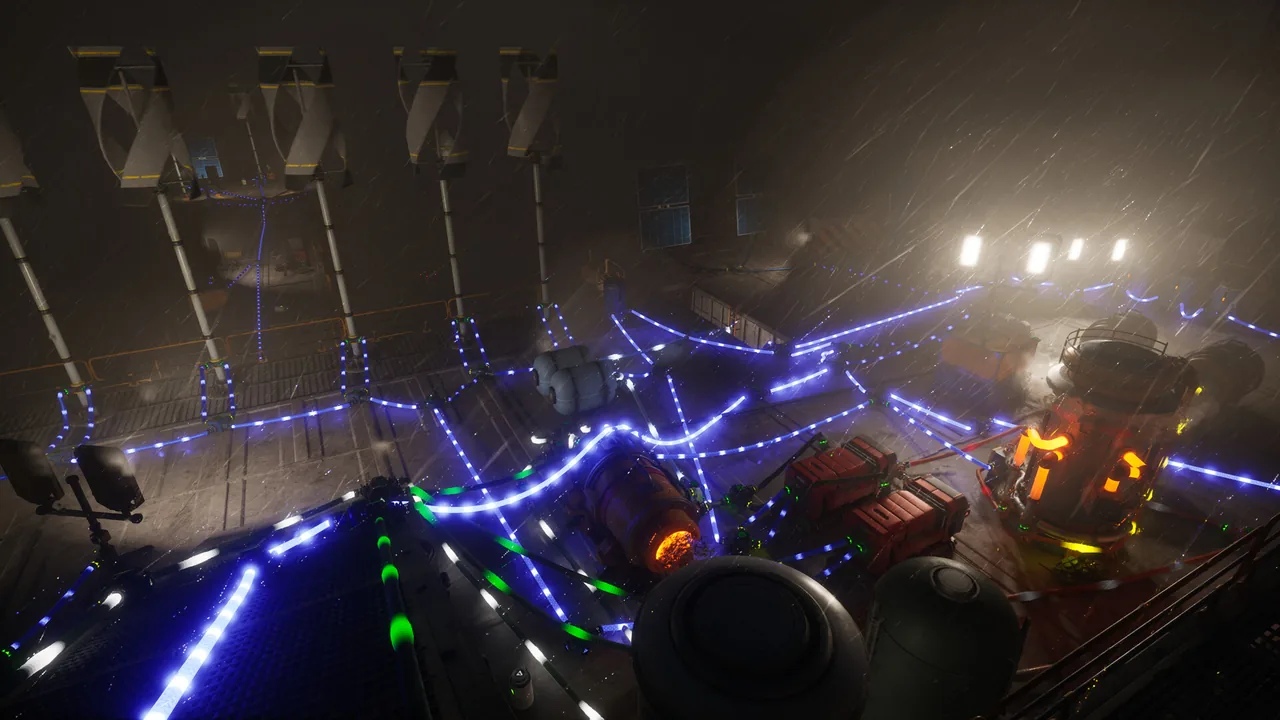
The Last CaretakerImage: Channel37 Ltd via Steam -
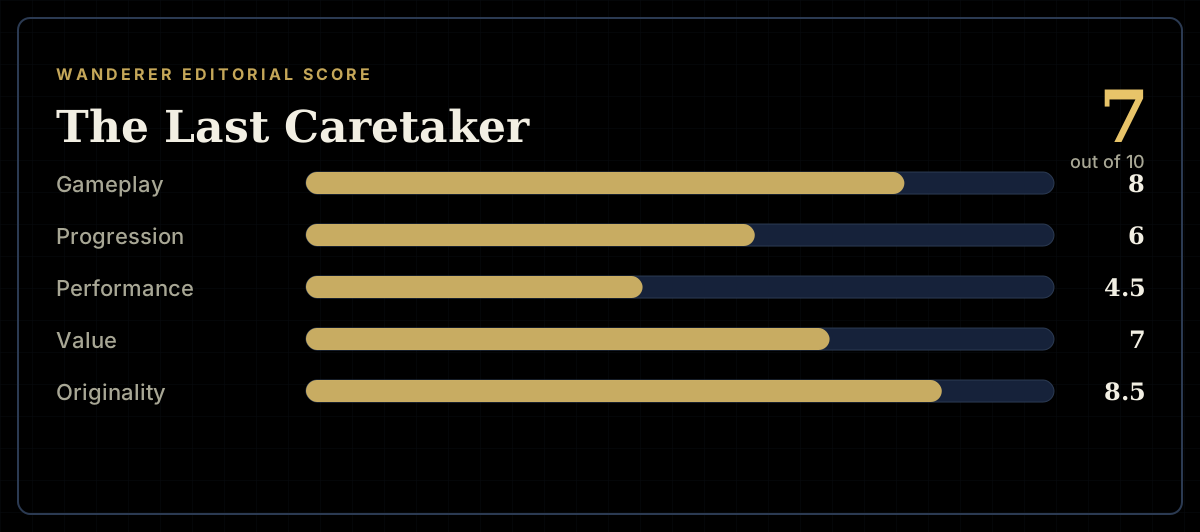
How the review scores each part of the gameWanderer Editorial -
The short versionWanderer Editorial