Game review
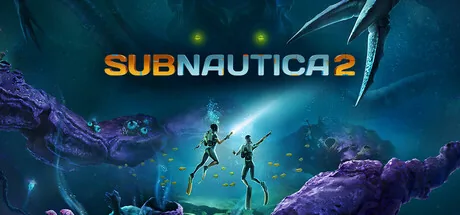
Subnautica 2
7.5 / 10
- Developer
- Unknown Worlds Entertainment
- Publisher
- Unknown Worlds Entertainment
- Released
- 14 May 2026
- Platforms
- Windows
- Genre
- Underwater Survival Adventure
- Monetisation
- One-off Early Access purchase, no DLC, no in-app purchases and no premium currency; the game's End User License Agreement, separate from monetisation itself, drew a real, documented controversy at launch that Unknown Worlds has since partly revised in response
- Players
- Optional online co-op for up to three friends, layered on top of a primarily single-player design; drew consistent praise for enhancing rather than compromising the atmosphere the series is known for
The short version
Subnautica 2 drops players into an unfamiliar alien ocean after a colony ship's mission goes wrong, building on the original Subnautica's beloved formula of exploration, base-building and creeping dread. Commercially, it's a phenomenon — two million copies in its first twelve hours, five million within months — and the underlying game earns that reception on its own terms, Very Positive across more than 113,000 Steam reviews. "The isolated, creepy vibe of the first Subnautica is totally back," reads a representative early review, and multiplayer co-op draws specific, sustained praise for enhancing rather than diluting that atmosphere. What this review can't responsibly leave out is a genuine, well-documented controversy that dominated the game's launch week: an unusually restrictive End User License Agreement from publisher Krafton, which included clauses around content restrictions, data collection, and access revocation that drew sustained backlash and extensive press coverage. That controversy landed against an already-strained relationship between Krafton and developer Unknown Worlds, publicly reported to involve a disputed $250 million developer bonus tied to a prior leadership shakeup — context that visibly shaped how the community responded, with many reviewers explicitly framing their purchase as support for the developers specifically. Unknown Worlds responded within days, reducing data collection, clarifying enforcement intent, and confirming the EULA was under revision.
Biggest strengths
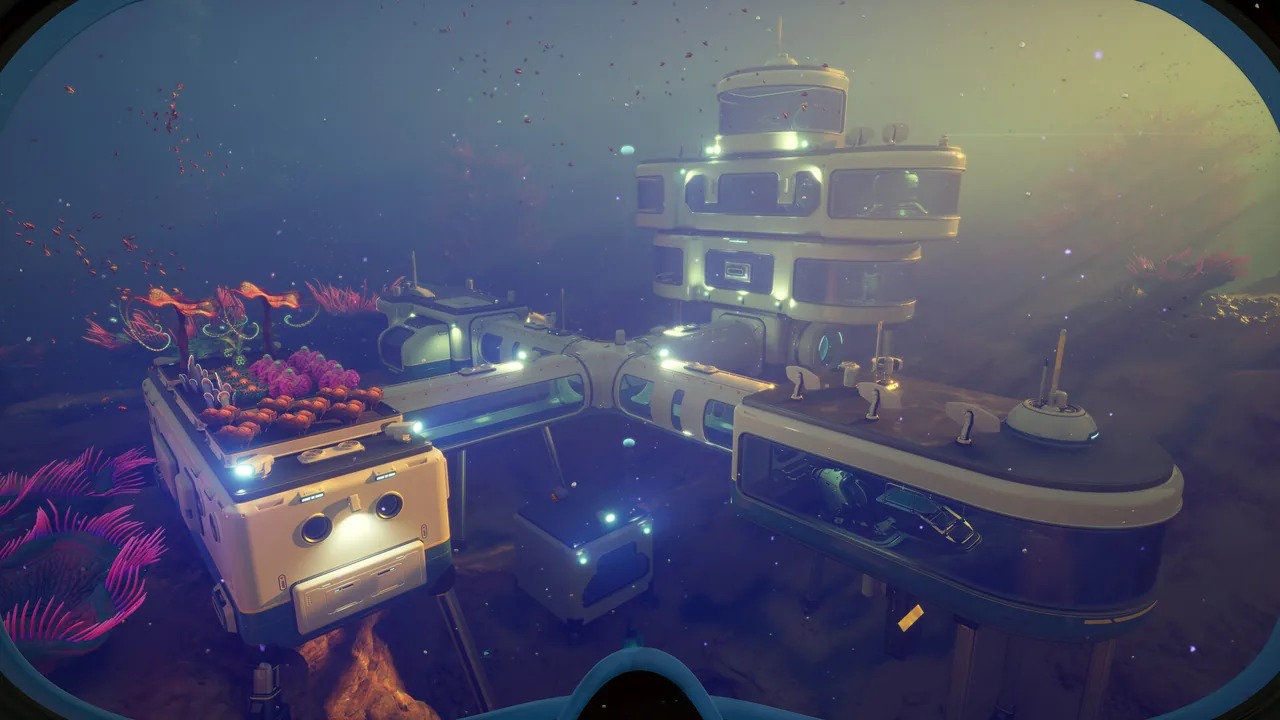
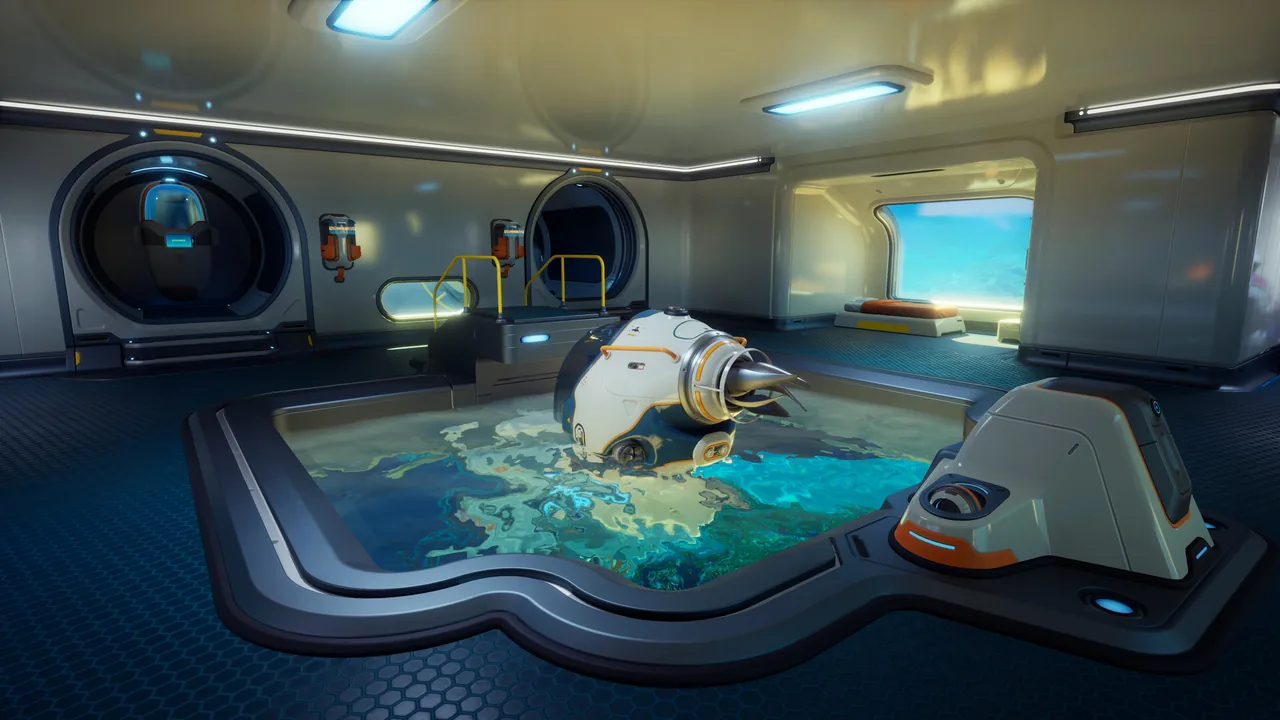
- Base-building and the new Tadpole submersible vehicle draw consistent, specific praise as genuine improvements over the original Subnautica's already well-regarded systems
- The series' distinctive atmosphere — isolated, beautiful and quietly dreadful — is widely described as successfully recaptured, with several longtime fans specifically preferring it to the earlier sequel Below Zero
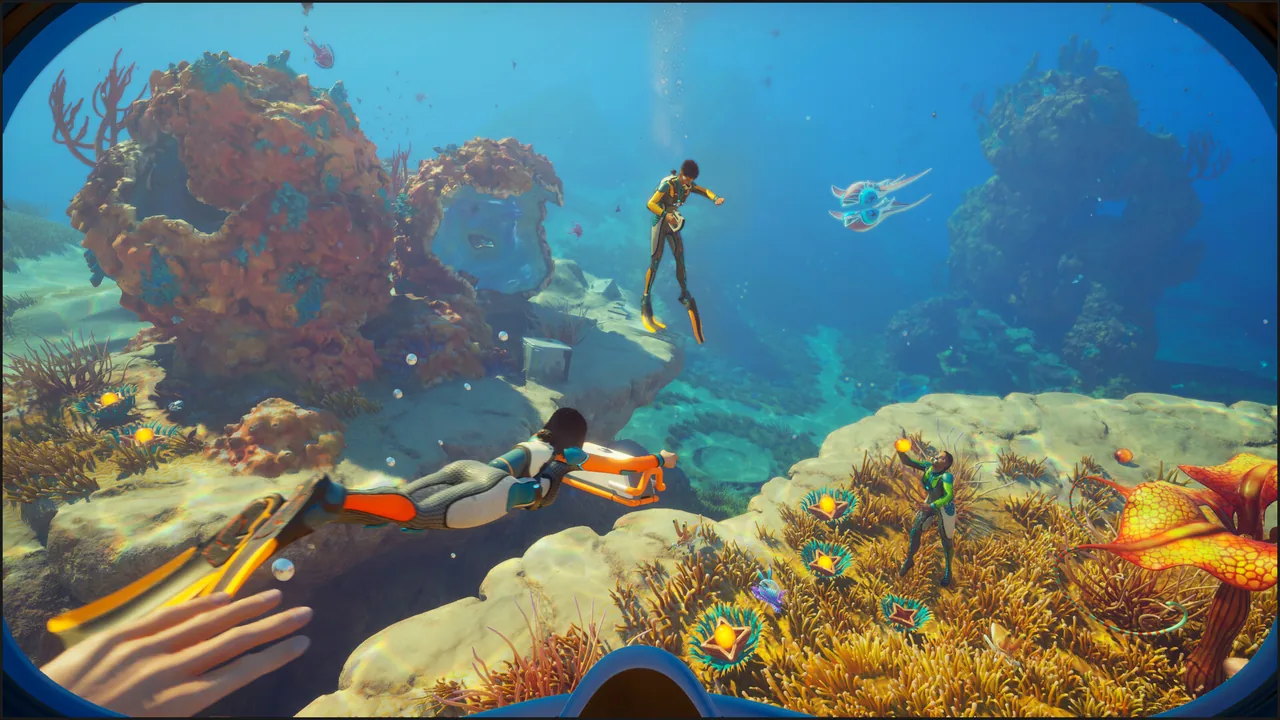
- Co-op multiplayer for up to three players is well-implemented and specifically credited with enhancing rather than undermining the tension and exploration the series is known for
Biggest weaknesses
- The launch EULA drew genuine, extensive, well-documented backlash for clauses including access revocation without notice, restrictions on public criticism and content creation, a VPN ban, and broad data-collection language, some of which independent press coverage described as legally questionable in EU jurisdictions
- This controversy sits against a separately reported, pre-existing dispute between publisher Krafton and developer Unknown Worlds over a $250 million developer bonus tied to a prior leadership shakeup, context that shaped much of the community's early reaction
- As a genuine Early Access title, some systems remain deliberately incomplete or restricted; the current inability to kill most wildlife draws specific, repeated frustration from players wanting a more traditional survival-hunting loop
Who it's for: Fans of the original Subnautica and atmospheric underwater survival games generally, who are comfortable with genuine Early Access limitations and want to weigh the documented EULA and publisher-relationship context for themselves before buying.
Our recommendation: A genuinely excellent successor to a beloved original, worth playing on the strength of its atmosphere and design alone — just go in informed about the real, documented controversy surrounding its launch terms and the studio's ongoing relationship with its publisher.
7.5 / 10
Few Early Access launches arrive with as much anticipation, or as much surrounding noise, as Subnautica 2's did on 14 May 2026. The original Subnautica remains one of survival gaming's most beloved and influential titles, and its sequel sold over two million copies in its first twelve hours alone — a genuinely staggering commercial number for a still-unfinished game. Underneath that commercial phenomenon sits a game that, on its own merits, earns its Very Positive rating across more than 113,000 Steam reviews. It also arrived carrying real, well-documented controversy that this review can't responsibly set aside, and untangling the two — the game itself, and the circumstances surrounding its launch — is what this review sets out to do honestly.
A sequel that recaptures what made the original work
Reviewers who approached Subnautica 2 with the specific worry that sequels to beloved atmospheric survival games tend to disappoint describe real relief at how well it delivers. "The isolated, creepy vibe of the first Subnautica is totally back," one detailed early review states, directly addressing a common fan concern that the series' second entry, Below Zero, had diluted that specific tension. Another, more direct: "Feels closer to the original than Below Zero." Base- building draws particularly consistent, specific praise — "the base building is incredibly intuitive and the best it's ever been," reads one review, while the new Tadpole submersible vehicle draws similar enthusiasm as a genuine addition to the series' toolkit rather than a reskinned existing system. Sound design and atmosphere, always central to what makes Subnautica distinctive, draw sustained praise as well: "Sound design is still amazing," one review notes simply, a sentiment echoed constantly across the sample.
Co-op multiplayer, new to the core Subnautica formula with this entry, is handled carefully enough to draw specific credit rather than the "compromised for multiplayer" complaint sequels sometimes attract. "Me and two other friends have been playing it in cooperative mode and have already completed the 'early access'... I'm really looking forward to the rest of it," one review states, describing a genuinely complete, satisfying experience even within Early Access bounds. That the addition of optional co-op hasn't come at the expense of the series' signature isolation and dread — reviewers playing solo describe the same atmospheric tension as ever — is a real design achievement worth crediting directly.
A controversy this review can't leave out
What complicates an otherwise straightforward recommendation is a genuine, extensively documented launch controversy concerning the game's End User License Agreement. Independent press coverage — including detailed reporting from PC Gamer and other outlets — confirmed the EULA, authored by publisher Krafton, contained a specific set of clauses that drew sustained, widespread criticism: players receive a license to the game rather than ownership; content creators are restricted from publishing recordings or streams without specific disclaimers, with monetised uploads to some platforms restricted entirely; access to the game can reportedly be revoked at Krafton's discretion without prior notice; a VPN ban is included; broad rights over user-generated fan content are claimed; and disputes are restricted to arbitration only. Steam reviewers raised these specifics directly and in detail rather than in vague terms: "The agreement states that I don't own the game after having purchased it, and that I have no right to speak inside the game, or to criti[cise it publicly]," one review states, echoed by dozens of others quoting nearly identical specific clauses.
This controversy did not emerge in isolation. Independent reporting connects it to a separate, pre-existing dispute between Krafton and Unknown Worlds, publicly reported to involve a disputed $250 million developer bonus tied to an earlier leadership shakeup at the studio — context that visibly shaped how much of the community initially responded to the EULA backlash. Several reviewers explicitly frame their support in exactly these terms: "I'm glad this game made it through all that Krafton [trouble], and that the devs are getting paid as well. We are so back," one review states, treating the purchase itself as a gesture of support for the development team specifically, distinct from any endorsement of the publisher's conduct. Another, more tersely: "Ah yes, relaxing underwater exploration. Proof courtroom drama can't sink a good game" — acknowledging the surrounding turmoil while still recommending the game on its own merits.
To Unknown Worlds' credit, the response to the EULA backlash was fast and substantive rather than defensive silence. Within days of launch, the studio shipped a hotfix specifically addressing EULA-linked criticism: analytics now only activate after players explicitly accept the terms, and the volume of data transmitted to backend services was reduced. The developers publicly stated they would never take action against players streaming, recording or discussing the game with friends, confirmed streaming and non-commercial modding were explicitly permitted regardless of the EULA's literal wording, and confirmed the terms of service themselves were under active review with revisions to follow. That's a genuine, dateable, verifiable response distinct from the underlying controversy itself — worth crediting on its own terms, even though it doesn't retroactively make the original terms less concerning as written.
Real, honest Early Access limitations
Separate from either the gameplay praise or the EULA controversy, a smaller but genuine thread of criticism concerns specific, current Early Access restrictions. The inability to kill most wildlife draws repeated, specific frustration: "Not being able to kill anything is dumb policy... I understand it about leviathans, but not even the annoying small ones?" one review states, a fair complaint about a deliberate design choice that some players find works against the survival genre's usual loop rather than serving the atmosphere. The developer has responded directly to this specific feedback too — a subsequent update introduced the ability to stun, rather than kill, aggressive smaller creatures, a partial but real acknowledgment of the complaint. Story and map content, as with any honest Early Access review, remain deliberately limited relative to the eventual full release, a fair and expected limitation for buying in this early rather than a design failure.
Where this leaves a buyer
At NZ$49.95, Subnautica 2 delivers a genuinely excellent, atmospheric successor to one of survival gaming's most respected titles — the base-building, exploration and co-op design earn their Very Positive reception honestly, and this review has no hesitation recommending the underlying game to fans of the original. What a responsible buyer should also carry into that decision is the real, extensively documented controversy surrounding the game's launch terms, and the broader, separately reported dispute between Krafton and the development team that shaped how much of the existing fanbase initially responded. Unknown Worlds' fast, specific response to the EULA backlash is a genuinely positive signal about the studio's own conduct, distinct from its publisher's. Buyers should feel confident in the game itself; buyers with strong feelings about EULA terms or publisher conduct specifically should read the current agreement directly before purchasing, since this review's account reflects the terms and studio statements documented at time of writing rather than guaranteeing what the agreement says today.
Pros and cons
Pros
- Base-building and the new Tadpole submersible vehicle draw consistent, specific praise as genuine improvements over the original Subnautica's already well-regarded systems
- The series' distinctive atmosphere — isolated, beautiful and quietly dreadful — is widely described as successfully recaptured, with several longtime fans specifically preferring it to the earlier sequel Below Zero
- Co-op multiplayer for up to three players is well-implemented and specifically credited with enhancing rather than undermining the tension and exploration the series is known for
- Unknown Worlds has maintained a fast, substantive post-launch cadence, including a proper content update and multiple hotfixes, alongside a rapid, specific response to the EULA backlash within days of launch
Cons
- The launch EULA drew genuine, extensive, well-documented backlash for clauses including access revocation without notice, restrictions on public criticism and content creation, a VPN ban, and broad data-collection language, some of which independent press coverage described as legally questionable in EU jurisdictions
- This controversy sits against a separately reported, pre-existing dispute between publisher Krafton and developer Unknown Worlds over a $250 million developer bonus tied to a prior leadership shakeup, context that shaped much of the community's early reaction
- As a genuine Early Access title, some systems remain deliberately incomplete or restricted; the current inability to kill most wildlife draws specific, repeated frustration from players wanting a more traditional survival-hunting loop
- Several longtime fans note the game currently offers a comparatively small amount of story and map content relative to the eventual full release, a reasonable but real limitation of buying in during early Early Access
Screenshots
-
Subnautica 2Image: Unknown Worlds Entertainment via Steam -
Subnautica 2Image: Unknown Worlds Entertainment via Steam -
Subnautica 2Image: Unknown Worlds Entertainment via Steam -
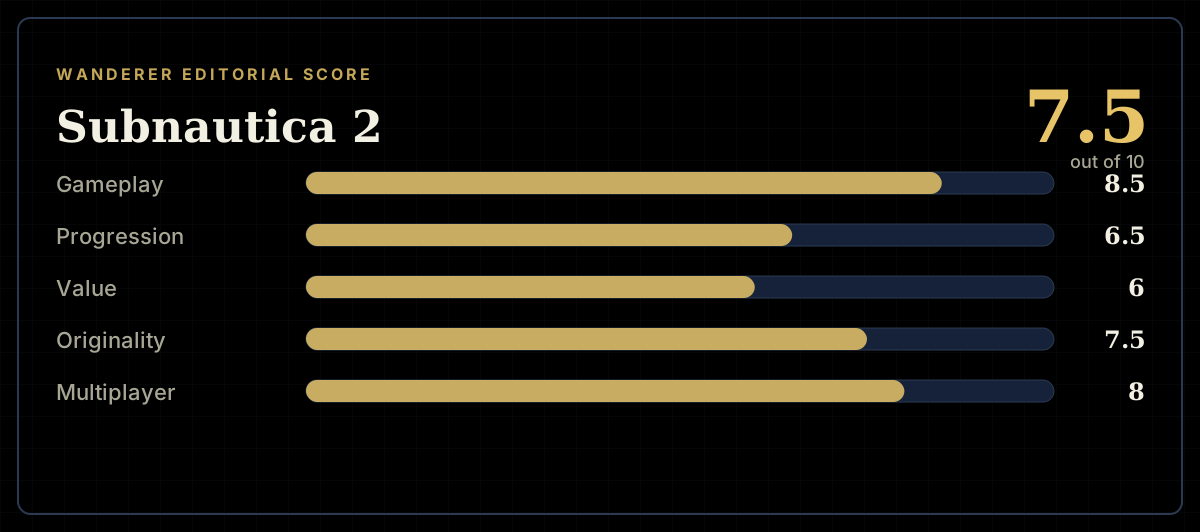
How the review scores each part of the gameWanderer Editorial -
The short versionWanderer Editorial