
Game review
Draco and the Seven Scales Review
9 / 10
- Developer
- Ice Goat Games
- Publisher
- Ice Goat Games
- Released
- 18 September 2026
- Platforms
- ["Windows"]
- Genre
- Adventure
A Pirate, a Cutlass, a Cannon, and a Curse
Draco and the Seven Scales casts players as a pirate captain chasing down a kraken's dark bargain, sailing a retro-styled overworld dotted with seven classic top-down dungeons. It's a hook that could easily read as another entry in the crowded post-Link's Awakening indie Zelda-like genre, but the reviews on file, all ten of them positive, are unusually specific about what sets this one apart. "Link's ARRRRwakening," one player summarized, "IMO all the good parts of wind waker + link's awakening + minish cap, plus it has pirates." Another called it "a labor of love and a must-play if you're a fan of the 2D Zeldas... one of the best games of the year for me."
Two Bodies, One Captain
The mechanical hook developer Ice Goat Games leans on hardest is the dual-mode traversal: players explore dungeons on foot with a cutlass and puzzle-solving items, then switch to sailing the ship itself, cannons and all, to cross the overworld and tackle sea-based puzzles and boss fights. One reviewer called it "one of the most unique ideas I've seen in a while, and gets built on with each successive dungeon," while another framed the appeal more bluntly: "Especially solving problems the way a true pirate was meant to: blasting them with a cannon." That's a genuinely different spin on the genre's usual item-gated puzzle box formula, since the two traversal modes each have entirely distinct verbs, sword-and-shield combat on land, cannon-and-sail combat and navigation at sea, rather than one mode simply reskinning the other.
Pacing That Knows When to Stop Being Frustrating
The single most detailed review on file zeroes in on something genre veterans will recognize as the real differentiator: pacing. "I think zelda-like games are really made or broken by their pacing and this game really nails that for me," the reviewer wrote, going on to specifically praise the game for avoiding the classic Zelda-like trap where "the times I am most often taken out of the experience are when I get stuck on something frustrating that isn't an intentional point of friction, like when a temple's layout is too confusing and samey, or when a specific fight is kind of miserable and slow." Their verdict after a reported 12-plus-hour runtime, the game "steadily drip feeds novelty at an appropriate pace for its entire... runtime, which is incredibly impressive," while still noting some dungeons land better than others, an honest, specific piece of praise rather than a blanket "it's all perfect."
Puzzles, Boss Fights, and a Shrimp Worth Bragging About
Multiple reviewers singled out individual dungeons and boss encounters by name, a good sign that the seven-dungeon structure delivers memorable, differentiated content rather than repeating the same room-and-key loop seven times. "Some of the dungeons are really really fun (4th dungeon is my favorite)," one wrote, adding a specific tip for new players: "go to paradise dungeon as early as you can, the power up you get midway is 10/10." Another reviewer's entire pitch was "This game is fantastic. 10/10 for the shrimp alone," while praising "the final fish battle music" as something they'd be listening to on repeat while working, and yet another named the commodore boss fight as their favorite moment in "exciting gameplay and riveting story."
An Overworld Sized Right, Not Padded
Open-world padding is one of the more common complaints leveled at indie adventure games trying to punch above their budget, and it's notable that nobody in this review set raised it. Instead, one reviewer specifically praised the scale: "The overworld is well designed too. It felt large enough that there was mystery, but small enough that i didn't feel overwhelmed by it. Getting from end to end was pretty reasonable." Combined with the collectables system, "over 15 unique items," per the developer's own feature list, one player called it "one of very few games where I was genuinely excited to hunt down collectables," a specific counterpoint to the genre's frequent problem of busywork side content nobody actually enjoys chasing.
Ten for Ten, and a Pre-Launch Track Record to Match
Every review on file so far is positive, several from players who logged time with the game before its official September 18 launch during Steam Next Fest demo periods, "played the game prior to launch, and had an absolute blast," one wrote, corroborating that the finished release lives up to what the demo promised rather than diverging from it late in development. The news history backs that up too, a Steam Next Fest demo push in June, a 12,000-wishlist milestone announced two weeks before launch, and Steam Deck compatibility confirmed shortly before release, the visible signs of a small, focused team that used its pre-launch runway well rather than rushing an unfinished game out the door.
Verdict
Draco and the Seven Scales earns its Zelda-like comparisons honestly, distinctive land-and-sea traversal, seven dungeons that reviewers can name and rank individually rather than lump together, a soundtrack multiple players specifically call out as excellent, and pacing disciplined enough that a genre known for frustrating friction points draws none of that complaint here. A perfect review score from a small sample is always worth some caution, but the specificity and consistency of the praise, real dungeon names, real boss fights, a real pacing argument, reads like genuine enthusiasm rather than review-bombing noise. At $15.99, this is an easy recommendation for anyone who grew up on 2D Zelda and wants a fresh, pirate-flavored spin on the formula that clearly had real design thought put into where it diverges from its influences.
Screenshots
-
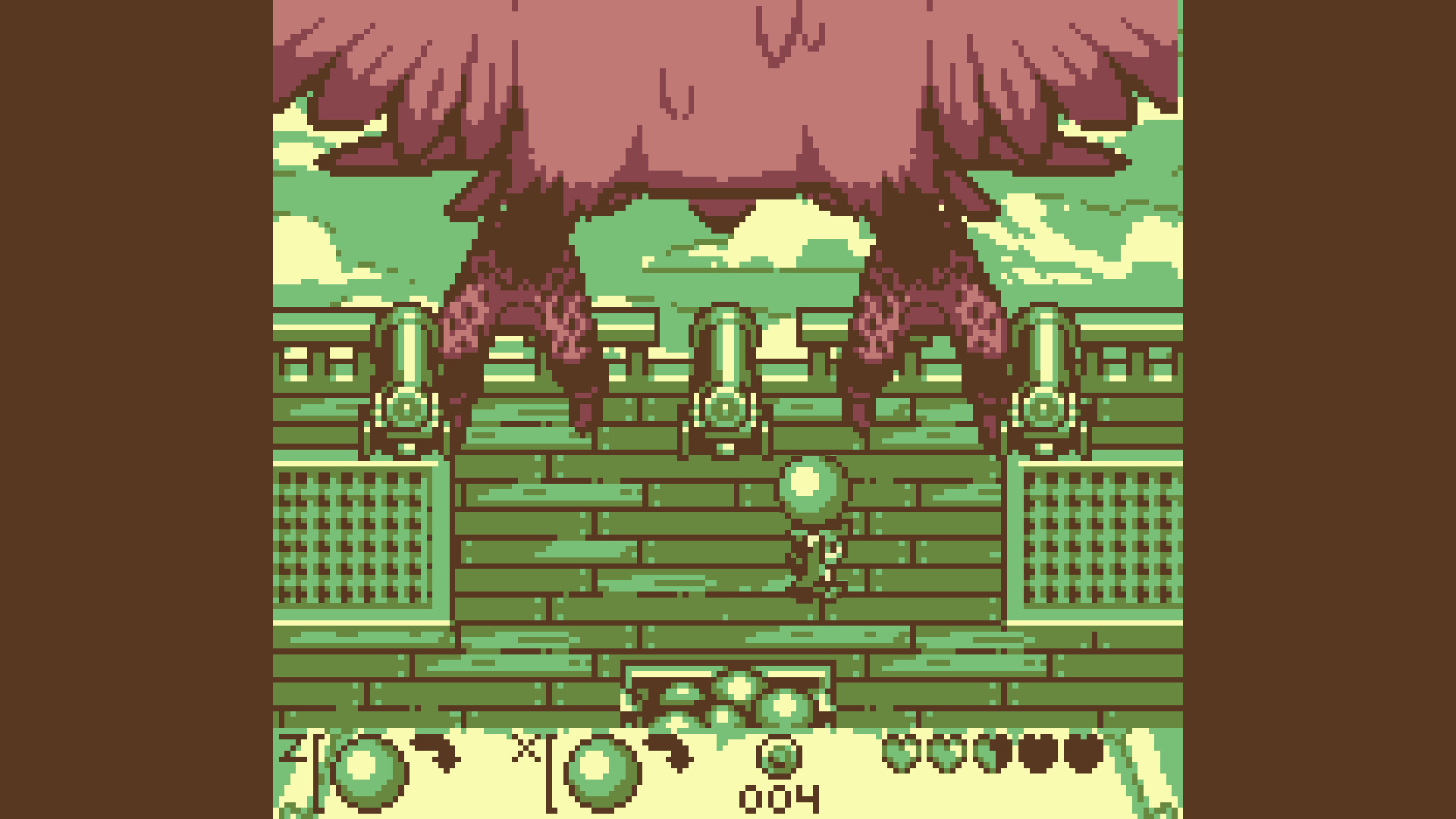
One of the seven land dungeons, cannon turrets and shielded guards standing between the captain and the stairs down.Image: Ice Goat Games via Steam -
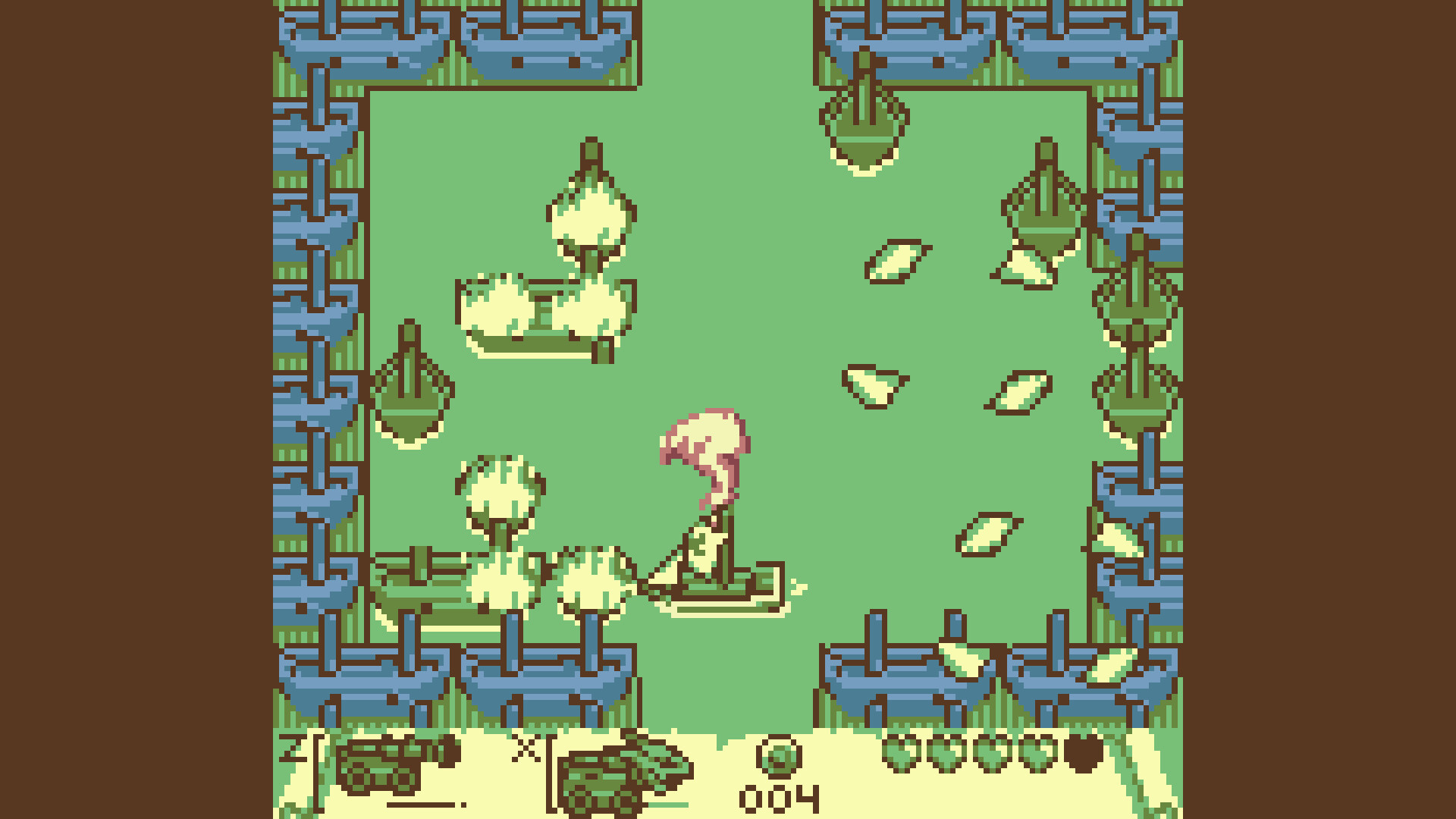
The sea half of the land-and-sea puzzle mechanic, steering a small boat through a mined, enemy-patrolled channel.Image: Ice Goat Games via Steam -
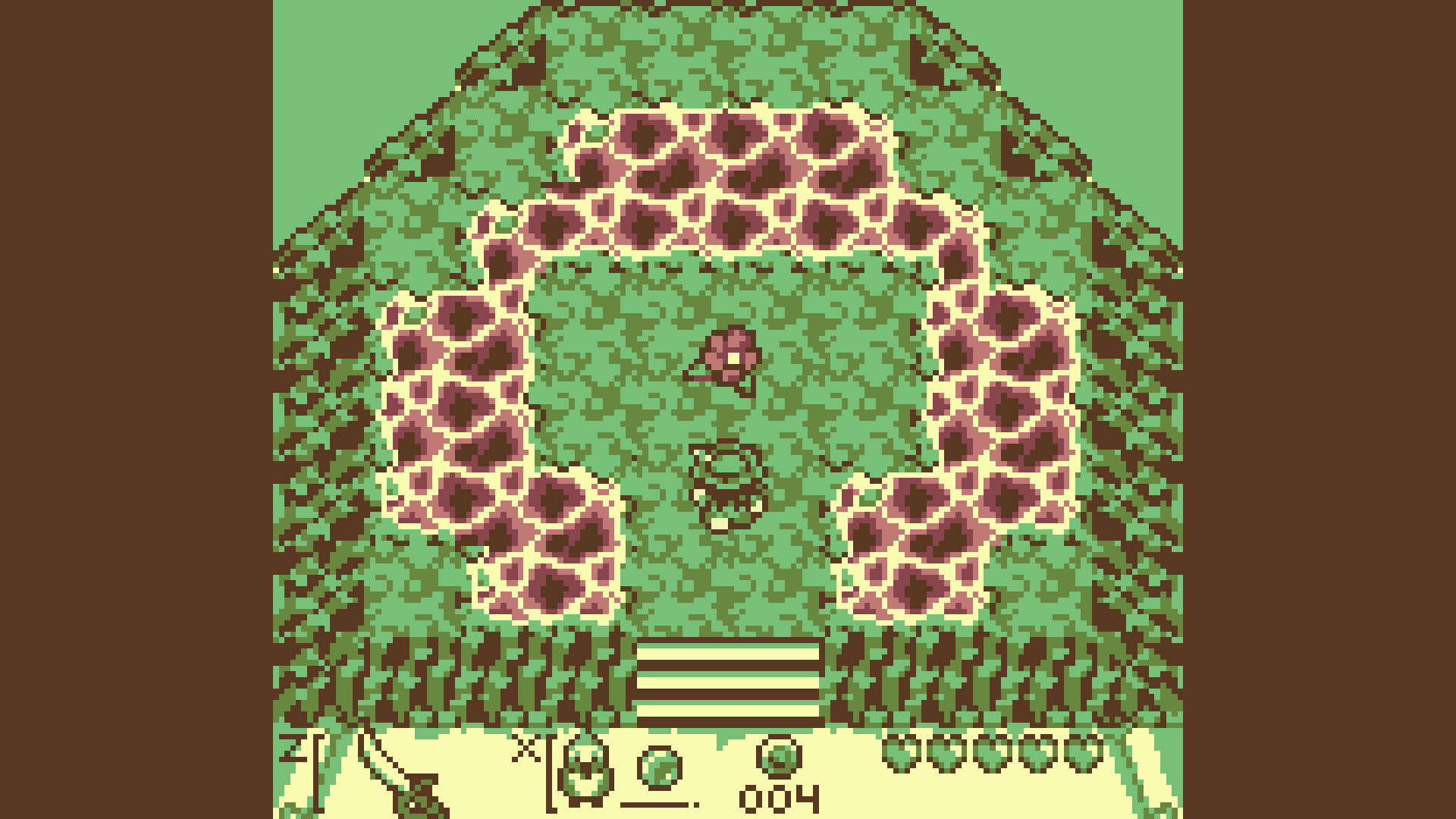
The overworld strikes the balance reviewers praised, large enough to hold secrets like this hedge-ringed clearing without feeling like a slog to cross.Image: Ice Goat Games via Steam