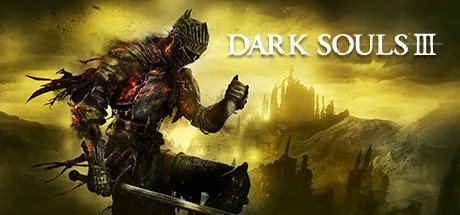
Game review
Dark Souls III
9.5 / 10
- Developer
- FromSoftware, Inc.
- Publisher
- FromSoftware, Inc., Bandai Namco Entertainment
- Released
- 11 April 2016
- Platforms
- Windows, PlayStation 4, Xbox One
- Genre
- Action RPG
- Monetisation
- Premium, one-off purchase; Deluxe Edition includes the season pass DLC
- Players
- Online co-op and PvP
The short version
Dark Souls III takes the series' hallmark punishing, deliberate combat and speeds it up without losing what made it deliberate in the first place — faster enemies, more aggressive bosses, and a player character who can finally keep pace with both. Colossal set-piece encounters, some of the densest environmental storytelling in the genre, and a soundtrack that knows exactly when silence is scarier than music make this a genuine high point for the trilogy it closes out.
Biggest strengths
- Combat speed and aggression are meaningfully increased over earlier entries without sacrificing the series' deliberate, punishing rhythm
- Boss design reaches some of the series' most memorable highs, with colossal scale matched by genuinely varied attack patterns
- Environmental storytelling remains some of the best in the genre — item descriptions, level design and NPC placement build a coherent, tragic world without a line of exposition
Biggest weaknesses
- The difficulty is uncompromising and entirely by design — this isn't the entry that softens the series for newcomers wary of that reputation
- Full asking price is steep for a game approaching its tenth anniversary; watch for sales
- Build variety, while deep, still rewards knowing the systems well before experimenting pays off
Who it's for: Souls-like and difficult-action-RPG fans, whether returning to the series for a third time or coming to a FromSoftware game for the first time and wanting the version widely considered its most refined.
Our recommendation: An easy buy for anyone who wants the Souls formula at its most polished. If you've bounced off the series before for its difficulty, this entry doesn't soften that — it's the same demanding game, just running faster.
9.5 / 10
By the time Dark Souls III arrived in 2016, FromSoftware had already defined an entire genre twice over — once with the original Dark Souls, once again by proving it wasn't a fluke with Dark Souls II. The third entry had the hardest job of the three: close out a trilogy that had already been thoroughly analysed, memed, and imitated, without simply repeating what came before. It manages that by doing the thing that sounds simplest and is actually hardest — taking everything the series does well and making it faster, without losing the weight that made it matter in the first place.
Faster, not lighter
Combat in Dark Souls III moves with noticeably more aggression than its predecessors, both from enemies and from the player character's own moveset. That speed increase could easily have undercut the series' deliberate, punishing rhythm — go too fast and a Souls game stops feeling like a Souls game — but it doesn't. Every exchange still demands the same reading of an enemy's timing and commitment to your own attacks that the series built its reputation on; it's just happening at a pace that finally matches how aggressive the world around you has become.
Bosses built to be remembered
This is where Dark Souls III arguably peaks hardest. Colossal, genuinely varied boss encounters sit among the best the series has ever produced, and the scale is matched by attack patterns that keep demanding you actually learn a fight rather than out-level it. Some of these encounters are rightly held up as high points not just for this game but for the action RPG genre as a whole.
A world that tells its story without telling you
FromSoftware's environmental storytelling is in full form here — item descriptions, level architecture, and where NPCs choose to stand all build a coherent, tragic sense of a dying world without ever resorting to a cutscene explaining it to you. It's a technique the series pioneered and Dark Souls III executes with the confidence of a studio that's spent two prior games refining exactly how much to leave unsaid. The soundtrack backs this up by understanding restraint — silence carries as much weight as the score does, and music arrives specifically for the moments that have earned it.
What hasn't softened
None of this comes with an easier on-ramp. The difficulty here is the same uncompromising demand the series has always made, just delivered faster, and anyone hoping this entry would be the gentler introduction to Souls games will find it isn't. Full price is steep for a game approaching its tenth anniversary — this is very much a "wait for a sale" purchase unless you want it today specifically. And while build variety is genuinely deep, getting real value out of experimentation still rewards already understanding the underlying systems, which is as true here as it's always been in this series.
Final verdict
Dark Souls III is widely and, on replay, still convincingly regarded as the most polished entry in the original trilogy — faster combat that never loses its weight, some of the series' best boss design, and environmental storytelling that remains a genre benchmark a decade later. Very Positive reception from over a hundred thousand reviews, nearly a decade after release, isn't nostalgia talking; it's a game that has simply held up.
Nine and a half reflects a game with vanishingly few real weaknesses for what it's trying to be — the difficulty is the point, not a flaw, and everything built around that difficulty is close to as good as this genre gets.
Price checked 30 July 2026.
If you want that same sense of a world worth reading between the lines, without the boss fights that can end a run in three hits, Wanderer tells its story at a much gentler pace.
Pros and cons
Pros
- Combat speed and aggression are meaningfully increased over earlier entries without sacrificing the series' deliberate, punishing rhythm
- Boss design reaches some of the series' most memorable highs, with colossal scale matched by genuinely varied attack patterns
- Environmental storytelling remains some of the best in the genre — item descriptions, level design and NPC placement build a coherent, tragic world without a line of exposition
- A soundtrack that understands the value of silence as much as score, reserving music for the moments that earn it
- Deep, still-active PvP and co-op systems give the game real long-term legs a decade on
- Widely regarded as the trilogy's most complete and polished entry
Cons
- The difficulty is uncompromising and entirely by design — this isn't the entry that softens the series for newcomers wary of that reputation
- Full asking price is steep for a game approaching its tenth anniversary; watch for sales
- Build variety, while deep, still rewards knowing the systems well before experimenting pays off
- As the trilogy's conclusion, some late-game content leans on player familiarity with earlier Dark Souls lore and imagery
Screenshots
-
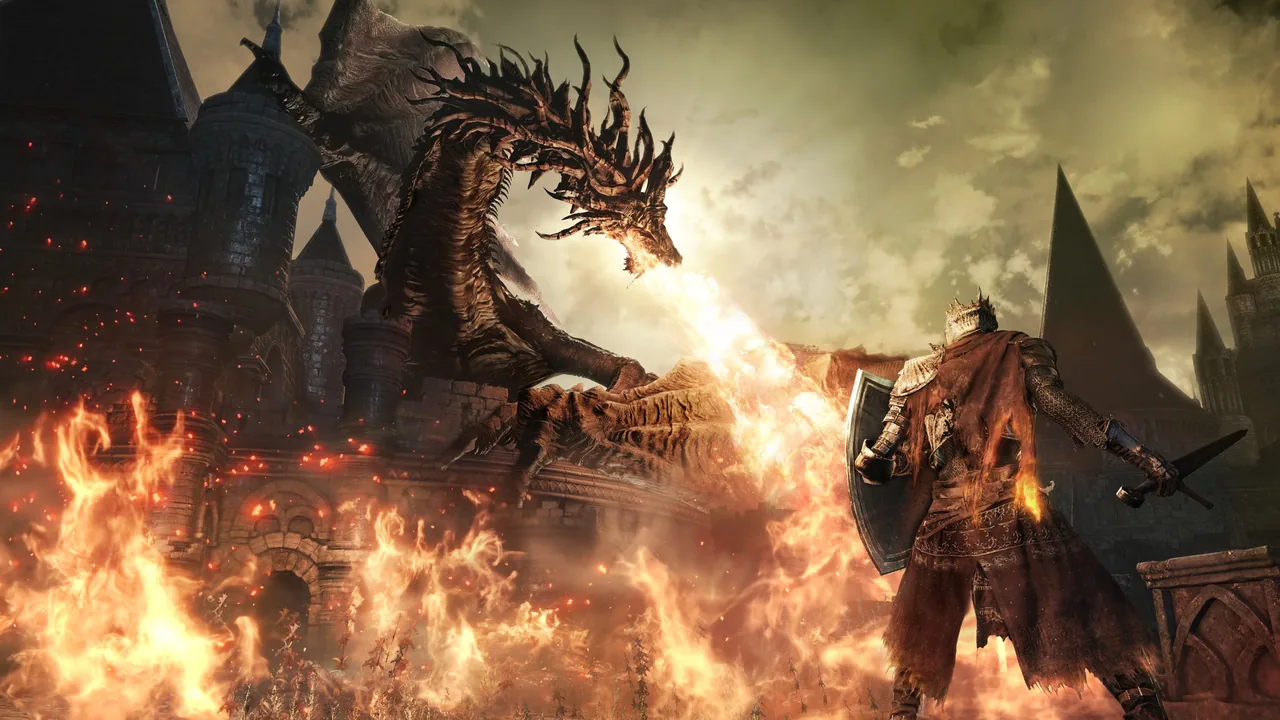
DARK SOULS™ IIIImage: FromSoftware, Inc. via Steam -
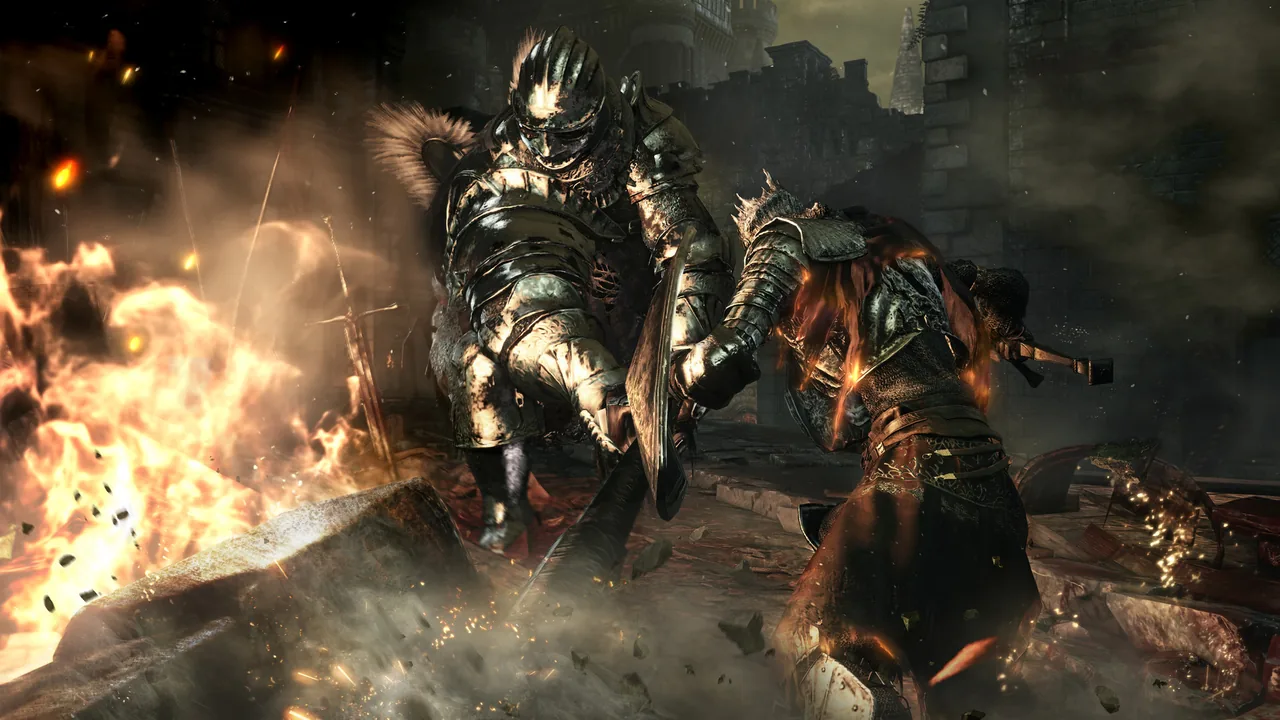
DARK SOULS™ IIIImage: FromSoftware, Inc. via Steam -
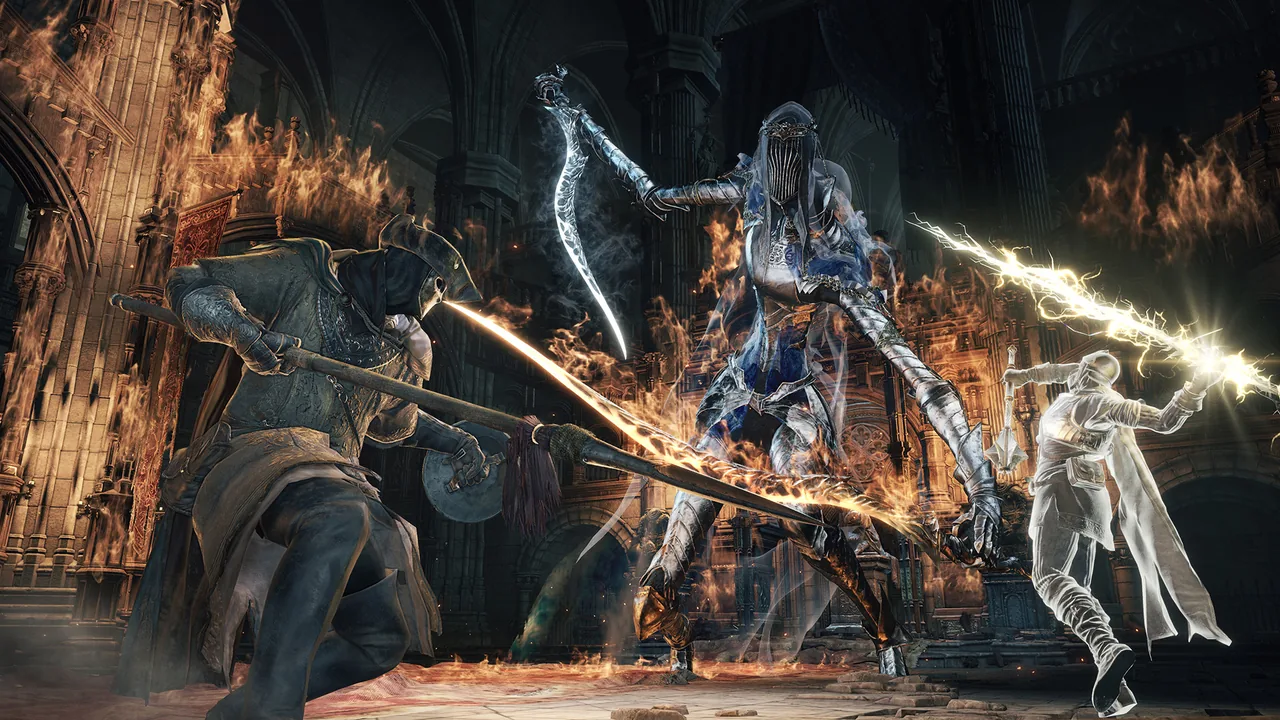
DARK SOULS™ IIIImage: FromSoftware, Inc. via Steam -
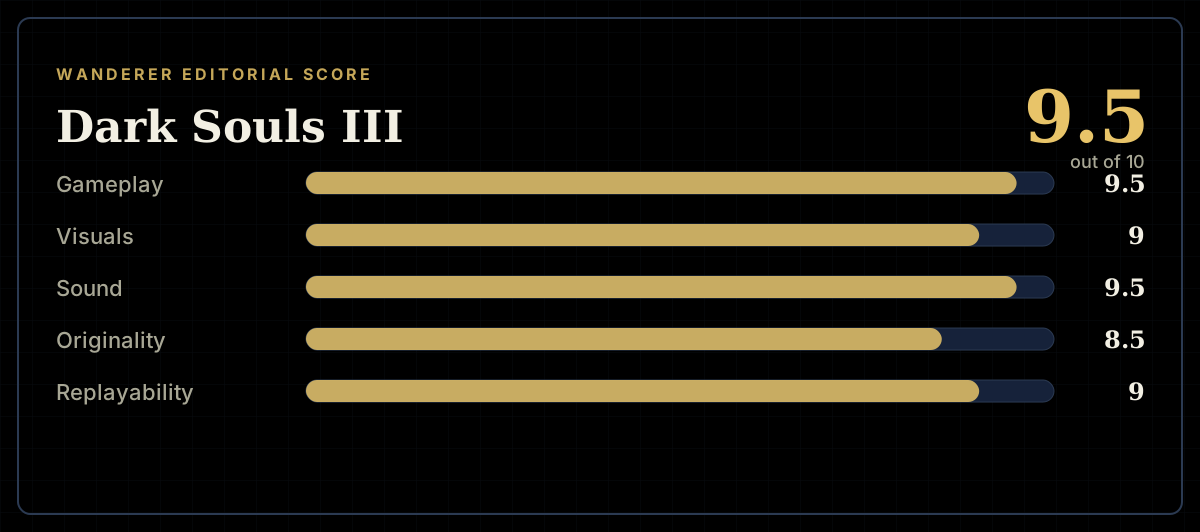
How the review scores each part of the gameWanderer Editorial -
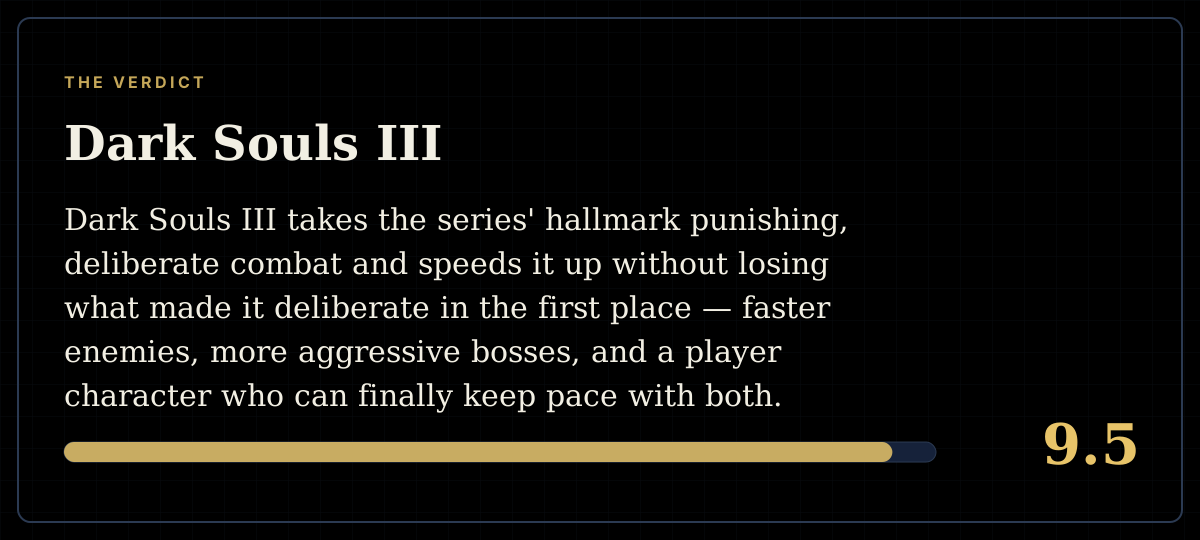
The short versionWanderer Editorial