
Game review
1666: Amsterdam Review
5 / 10
- Developer
- Panache Digital Games
- Publisher
- Panache Digital Games
- Released
- 25 August 2026
- Platforms
- ["Windows"]
- Genre
- Action-Adventure
A Promising Witch Hunt, Launched Too Early
1666: Amsterdam entered Early Access on August 25, 2026 from Panache Digital Games, the studio led by Patrice Désilets, the co-creator of the original Assassin's Creed. You play Noa, a witch investigating demonic entities disguised as ordinary people in 17th-century Amsterdam, splitting your time between daylight detective work and nighttime confrontations with the supernatural. Nearly 500 English-language reviews later, the game sits at a genuine "Mixed" score, 60% positive, and the split isn't between people who like the idea and people who don't. It's almost universal that the concept and atmosphere land; what divides the audience is everything built around it, from the technical state of the launch build to a real controversy over how much of the game's writing and art was generated by AI.
The Concept and Atmosphere Genuinely Work
Across positive and negative reviews alike, reviewers agree the core premise is a winner. One wrote plainly, "I love the medieval gothic horror-like witch theme is everything I hoped it would be," while another called it "a Narrative investigation/puzzle game with open world and light combat & rpg mechanics" and praised its "story, visual quality, puzzle design." Several reviewers drew the obvious lineage comparison to Désilets's earlier work, with one describing it as feeling "like an assassins creed game where you just swap out the animus for magic," and another going further, calling it reminiscent of "very old and, in a way, soulful Ubisoft... the one that made the first AC." Even reviewers who ultimately couldn't recommend the game in its current state consistently carved out an exception for the writing, the setting, and Noa's design, describing themselves as "hooked" by the story despite everything else going wrong around it.
A Rough, Frequently Broken Launch Build
That goodwill runs directly into a wall of shared technical complaints. Multiple reviewers, independent of each other, report serious performance problems, with one detailing frame rates that are "great at the start, but terrible once you" progress further into the game, and another calling it flatly "unplayable" after fighting "totally broken terrain" for fifteen minutes with no working jump option. The cat companion mechanic, meant to be a puzzle-solving tool, draws repeated specific criticism, including complaints about needing to "move my joy stick around in certain angles" just to get it to jump correctly. Combat fares no better in the review pool, described by one player as leaving Noa with "only 3HP" against certain enemies in a system multiple reviewers separately called repetitive and unsatisfying. One particularly blunt reviewer summarized the state of things as "this isn't early access, it's a pre-alpha release."
A Corroborated, Serious AI Controversy
The single most repeated complaint in the entire review pool isn't about bugs at all, and reviewers frame it as a matter of trust rather than technical polish. At least half a dozen independent reviewers explicitly accuse the game of relying on generative AI for its writing, art, or voice work, and several describe this as the deciding factor in their negative review. One wrote, "I found out they use generative AI in a lot of the game so I will no longer be playing," while another stated they weren't opposed to AI use in principle but that "the design is painfully generic, the mechanics feel half-baked" regardless. Multiple reviewers went further, citing the studio's own public response to the backlash: one wrote that "the studio is now claiming that they will remove all AI from the game," while directly quoting what they characterize as the game director's own comment on the matter, that "he doesn't regret using AI, he only regrets getting caught." That specific characterization appears in more than one review independently, and taken together with the studio's own reported acknowledgment, it rises well past a single player's suspicion into a corroborated, disclosed part of this game's story, one that visibly shaped how a large share of its negative reviews were written.
A Steep Price for an Unfinished Product
Layered on top of both the technical rockiness and the AI controversy is a price tag several reviewers feel doesn't match what's currently on offer. At $29.99 for an Early Access build, one reviewer called it "overpriced for what you get in early access," a sentiment echoed by others weighing the two completed chapters currently available against the cost of entry. A handful of defenders pushed back on this framing directly, with one writing "the developers clearly state that it's an early access game... they literally warn you about this," a fair point about informed consent that doesn't fully resolve the underlying complaint: this is a full retail price for a project several of its own supporters describe as, at best, half of a game right now.
Verdict
1666: Amsterdam is a genuinely interesting idea wearing a launch build that wasn't ready and carrying a controversy its developer brought on itself. The witchcraft-investigation premise, the Amsterdam setting, and Noa as a lead character have real, corroborated fans across both sides of the review split, and that's not nothing. But the performance issues, the janky cat and combat systems, and especially the well-documented AI controversy are not exaggerations from a hostile minority, they're the consistent, repeated substance of this review pool's Mixed verdict. If you're drawn to the concept and comfortable buying into an unfinished, contested Early Access project at full price, there's a real game trying to get out from under all of this. Everyone else should wait for both the patches and the dust to settle.
Screenshots
-
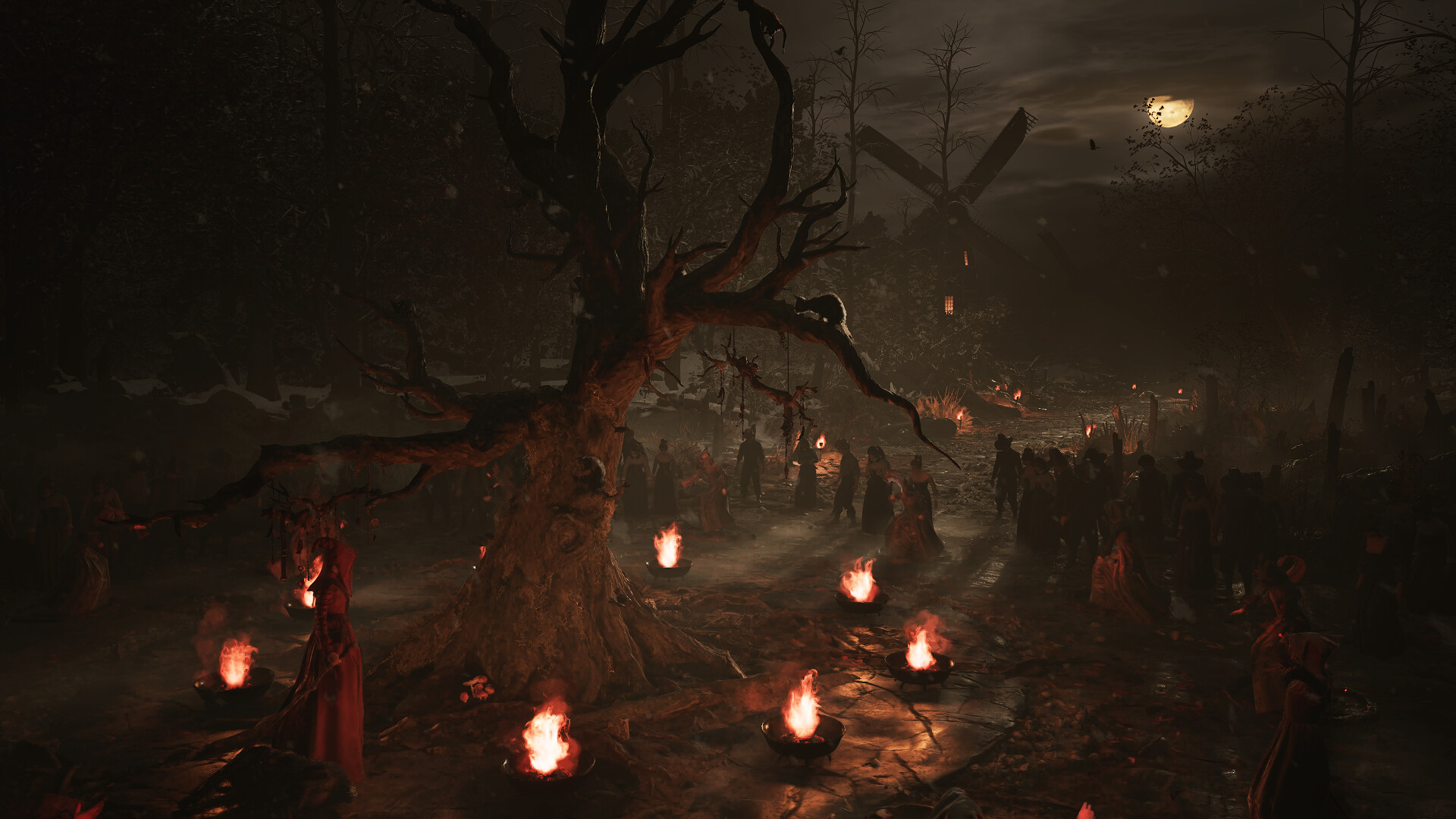
One of the game's atmospheric night scenes, the gothic witch-hunt setting reviewers on both sides of the Mixed score consistently single out as the game's strongest asset.Image: Panache Digital Games via Steam -
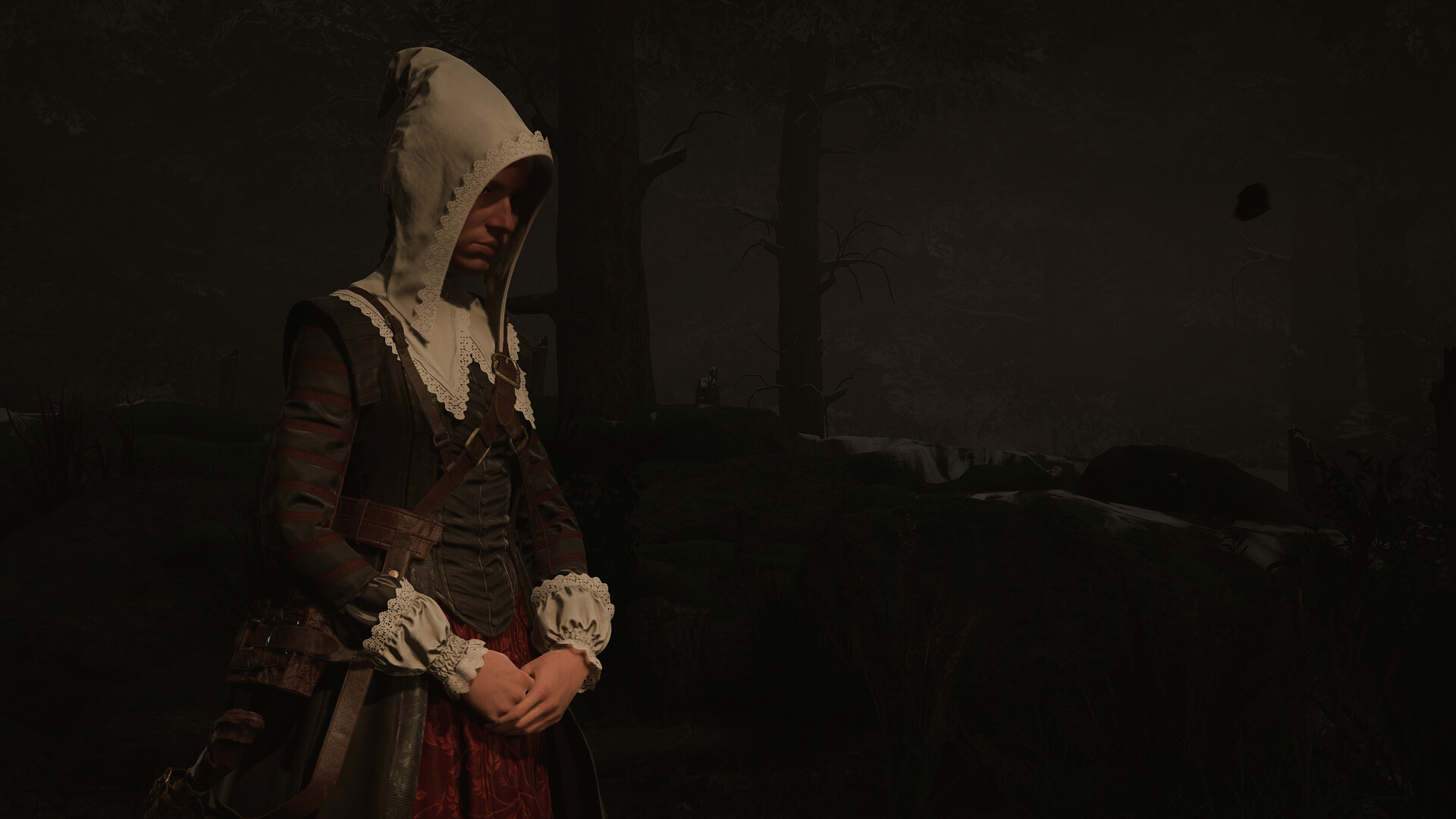
Noa, the witch protagonist investigating demonic entities by day and confronting them by night; her character design is one of the few elements almost no reviewer criticizes.Image: Panache Digital Games via Steam -
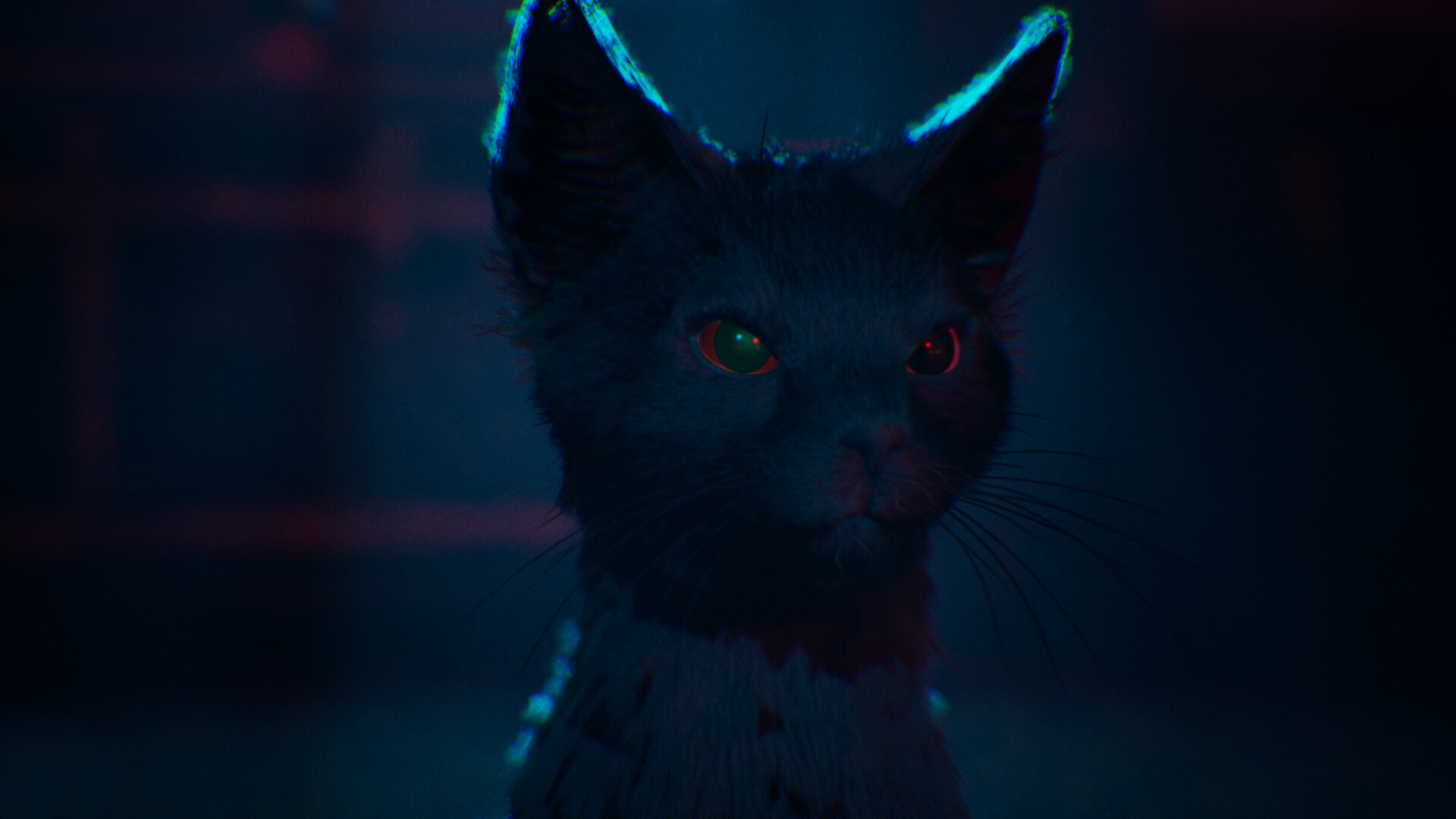
The cat companion, the exact mechanic multiple reviewers singled out for clunky, hard-to-control platforming despite its charm.Image: Panache Digital Games via Steam