Game review
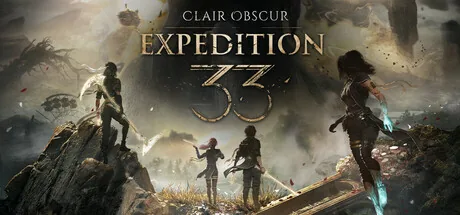
Clair Obscur: Expedition 33
9.5 / 10
- Developer
- Sandfall Interactive
- Publisher
- Kepler Interactive
- Released
- 24 April 2025
- Platforms
- Windows, PlayStation 5, Xbox Series X/S
- Genre
- Turn-Based RPG
- Monetisation
- Premium, one-off purchase — no in-game purchases
- Players
- Single-player
The short version
Clair Obscur: Expedition 33 takes the most old-fashioned combat structure in the genre — pick a move from a menu, wait your turn — and rebuilds it around the reflexes of an action game, demanding a real dodge or parry input on every enemy swing. It shouldn't hold together. It does, because the timing windows are generous enough to be learnable and the encounter design never lets you forget you're still playing something with cooldowns, positioning and a turn order.
Everything wrapped around that combat — a small, doomed cast on a one-way expedition, a painterly world that's visibly being erased, a genuinely gorgeous orchestral-vocal score — earns the acclaim it has received rather than riding on hype. It is not a game for players who want to switch their brain off during fights, and its final third asks a lot of anyone who hasn't fully bought into its systems by then, but very little else released this console generation has tried something this specific and landed it this cleanly.
Biggest strengths
- The parry-and-dodge layer turns turn-based combat into something you can genuinely fail at flinching, not just at planning
- Pictos and Lumina let you carry a learned skill from one character onto another, so builds are yours rather than assigned by class
- A hand-painted, decaying Belle Époque world with an art direction distinct enough that no screenshot could be mistaken for another game
Biggest weaknesses
- Late-game bosses tighten parry windows and stack multi-hit strings hard enough to punish players who coasted on dodge-timing earlier
- PC performance is inconsistent on mid-range hardware, with reported stutter and frame-pacing issues that a AAA-scale team would likely have caught pre-launch
- Party is capped at three active members per fight from a larger playable roster, so a favourite character can sit benched for stretches
Who it's for: Turn-based RPG fans who've always wished the genre demanded more from their hands, and anyone drawn to smaller, story-driven single-player games with a real ending rather than a live-service tail.
Our recommendation: Buy it. At US$39.99 in the current Steam discount, or free on Game Pass, this is as close to a consensus must-play as the genre has produced in years — just know the back half raises the difficulty of its own core mechanic before it's done with you.
9.5 / 10
Every enemy attack in Clair Obscur: Expedition 33 is a question, and the question is always the same: are you actually paying attention, or did you just pick a menu option and start thinking about the next one? Turn-based RPGs have spent thirty years training players to treat the enemy's turn as a cutscene — something to watch while planning the next input. Sandfall Interactive's debut removes that safety entirely. Miss the parry timing on a boss's five-hit combo and you don't lose a percentage of a health bar, you lose the fight.
That single decision is the spine of the whole game, and it's worth taking seriously before anything else, because it's the reason a turn-based RPG from a first-time studio became the most decorated game of its year rather than a well-liked niche release.
The hybrid, and whether it actually works
Structurally, combat is unmistakably a classic JRPG turn order: your party of three takes actions from a menu — attack, skill, item — enemies take theirs, repeat until one side is dead. What's grafted onto that skeleton is a real-time defensive layer. Every enemy telegraph has to be read and answered with a dodge or a parry, timed by eye, not by a hidden dice roll. Land a parry and you get a damage window and Action Point return; miss one against the wrong enemy and the fight can end in three unanswered turns.
This is a harder sell than it sounds on paper, because the two halves of that description usually don't share a codebase. Turn-based systems are built around planning under imperfect information; action systems are built around executing under time pressure. Expedition 33's trick is treating the parry layer as a skill floor rather than a skill ceiling — the timing windows are lenient enough in the early game that a player who's never played an action game can clear them consistently once the pattern is learned, and the game telegraphs its attacks with enough visual clarity that "I didn't see it coming" is rarely a fair excuse. What it adds isn't twitch-game precision so much as attention. You cannot tab out, you cannot half-watch, and that changes what a turn-based fight feels like to sit through more than any stat rebalance could.
Where it gets genuinely difficult — and where the game splits its audience — is the back third of the campaign, where boss patterns start combining feints, delayed hits and multi-part strings that punish players who'd been getting by on reflexes alone rather than reading the animation. A Story-difficulty option exists for players who want the narrative and the world without the reflex test, and the difficulty can be changed between fights rather than being locked in at the start, which is the right call for a system this demanding on a general audience. But the honest takeaway is that this is not a game where turning the sliders down removes the central mechanic — it's a genuine action-RPG dodge-and-parry system with turn-based scaffolding around it, and anyone allergic to reaction-timing combat, at any difficulty, should know that going in.
Pictos and Lumina: a build system that rewards curiosity
The equipment layer is where the game's other big idea lives. Pictos are wearable modifiers — over two hundred of them across a playthrough — that grant a passive effect while equipped: extra elemental damage, a stat boost tied to a condition, a defensive perk. Wear one long enough in combat and it unlocks permanently as a Lumina, a passive you can then slot onto any character regardless of whether they ever wore the original Picto.
That second step is the clever part. Most RPG equipment systems make a stat stick to a slot; this one makes a discovered trait portable across your whole roster, which turns experimentation into compounding value rather than a sunk cost. Trying an odd Pictos combination on a support character isn't a gamble against your build, because whatever you learn from it can migrate to your damage dealer later. Lumina points are the soft cap that keeps this from becoming everyone-wears-everything — you're always weighing a handful of unlocked passives against a shared budget, so a build is a set of choices rather than a checklist. It's a more generous, more legible version of the kind of system deck-building action RPGs have been chasing for a decade, and it's one of the clearest places Sandfall out-designed teams with vastly larger budgets.
A cast built for an ending, not a sequel
Every member of Expedition 33 is on a one-way trip, and the game never lets you forget it — the premise, an annual culling event called the Gommage that erases everyone of a specific age, gives the story a hard deadline that most RPGs of this scale avoid because it forecloses the option to keep writing more of it. That constraint produces a tighter, more purposeful narrative than the genre's open-ended norm: characters have defined arcs that resolve rather than stall out waiting for a sequel hook, and the pacing of story beats against exploration rarely drags the way sixty-hour RPGs often do in their middle third.
The world itself carries a huge amount of that tone without needing exposition. It's rendered in a visibly painted style — brushwork textures, colour choices that read like watercolour and gouache rather than a photoreal target — and the world is quite literally being unpainted around you as areas succumb to the same erasure the characters are fighting. Environmental storytelling this integrated with a game's central metaphor is rare even in far bigger productions; usually one or the other gets the budget.
The score deserves its own mention rather than a line item. Composer Lorien Testard pairs full orchestral arrangements with a recurring vocal lead that gives major fights and story beats a weight that instrumental-only scores in this genre usually can't reach. It's the kind of soundtrack that gets released as its own product for a reason — the game's original soundtrack is sold separately on Steam, and it's substantial enough (over 150 tracks, in excess of eight hours) to function as one.
Structure and pacing
Outside combat, the game alternates between a hub-and-spoke overworld — a stylised miniature you walk your party across between story beats, dotted with optional detours — and hand-built dungeons and set pieces that carry the actual exploration weight. That structure keeps side content from sprawling the way open-world RPGs often do: there's no icon-cluttered map training you to treat exploration as chore management, and most optional areas exist because they hide a genuinely strong boss fight or a piece of world-building rather than another crafting material.
The trade-off is that the campaign leans on that formula fairly consistently across its length, and the back half in particular sends you back through regions you've already cleared rather than opening entirely new ground, which is where the pacing sags hardest. Act structure is otherwise tight for the genre — this isn't a sixty-hour game padded to look ambitious, and most players will see credits well inside the range modern RPGs advertise as a "long" playthrough without ever feeling like a stretch of it was filler. For a debut studio, resisting the urge to inflate runtime with busywork is its own kind of design discipline, and it shows in how consistently the story beats land relative to how much walking separates them.
Where the seams show
None of this means the game is flawless, and the rough edges are worth naming plainly rather than waved past.
Performance on PC has been the most consistent complaint through the game's first year — stutter and frame-pacing hitches reported on a range of mid-tier hardware configurations, inconsistent enough that "runs great" and "runs rough" are both accurate depending on whose system you ask. Console versions have generally fared better, but PC players below a fairly recent GPU tier should expect some inconsistency rather than assume a smooth 60 frames regardless of settings.
The active party is capped at three characters per fight, pulled from a larger playable roster, which means a character you like can sit on the bench for stretches of the campaign purely because your current three-person formation is working. And while Lumina makes build experimentation cheap during a single playthrough, there isn't much pulling players back for a second one beyond New Game Plus and completion — this is a game built to be finished once and remembered, not farmed for build variety the way a live-service RPG would be.
The free post-launch content Sandfall shipped after its Game Awards sweep — additional late-game boss encounters, new explorable areas, cosmetic character outfits and expanded language support — is a good-faith gesture from a studio that had no obligation to keep adding to a complete story, and it's worth checking the current build includes it if you're coming to the game for the first time now, well over a year after launch.
Why the acclaim holds up
It's worth being specific about what Expedition 33 actually did better than its peers, because "critically acclaimed indie darling" gets said about a lot of games that don't sustain the scrutiny. Two things stand out. First, it solved a design problem — how to make turn-based combat demand moment-to-moment attention without turning it into an action game outright — that other developers have poked at with QTEs and dodge prompts for years without making the solution feel load-bearing rather than decorative. Here, the real-time layer isn't a minigame bolted onto turns; missing it changes fight outcomes directly, which is what makes it feel earned rather than gimmicky.
Second, it committed to being finite. A huge amount of what makes the story land — the stakes of the Gommage, the way each character's arc closes — depends on the game not being designed to support endless content drops. That's a genuinely uncommon choice for a studio's debut title in 2025's market, and it paid off: the response wasn't just "good game," it was nine wins from thirteen nominations at The Game Awards, a Golden Joystick sweep, and a spot alongside Baldur's Gate 3 as one of only two games to take Game of the Year at all five major industry ceremonies in the same cycle. That's not hype math. That's a specific, achievable thing a small team did that a lot of much larger teams have tried and not managed.
Verdict
Clair Obscur: Expedition 33 earns its reputation by solving a problem the genre has circled for years — how to make the waiting half of turn-based combat demand something from the player — and by having the nerve to tell one complete story instead of designing around a live-service future. The Pictos and Lumina system is one of the smartest build layers currently in an RPG, the presentation is distinctive enough to be recognisable from a single frame, and the ending actually ends.
The reflex demands are real, the difficulty spikes hard in the final act even with generous early timing windows, and PC performance is inconsistent enough that hardware matters more than the system requirements suggest. None of that stops this from being one of the best turn-based RPGs of the decade so far. Players who want their turn-based combat to stay purely a planning exercise should try the Story difficulty before bouncing off it entirely; everyone else should already own this.
Wanderer's audience tends to gravitate toward progression that rewards patience over reflexes — if that's you and the parry system sounds like a hard no, it's still worth playing on Story difficulty for the Pictos build system and the world alone.
Price, platform and Steam review data checked 30 July 2026.
Pros and cons
Pros
- The parry-and-dodge layer turns turn-based combat into something you can genuinely fail at flinching, not just at planning
- Pictos and Lumina let you carry a learned skill from one character onto another, so builds are yours rather than assigned by class
- A hand-painted, decaying Belle Époque world with an art direction distinct enough that no screenshot could be mistaken for another game
- The score pairs orchestral scale with a mournful vocal lead in a way few RPGs attempt and fewer land
- A defined, deliberately paced story that ends rather than stretching into a season pass
- Three difficulty tiers plus per-mission difficulty changes mean the timing-heavy combat doesn't have to be a wall for everyone
Cons
- Late-game bosses tighten parry windows and stack multi-hit strings hard enough to punish players who coasted on dodge-timing earlier
- PC performance is inconsistent on mid-range hardware, with reported stutter and frame-pacing issues that a AAA-scale team would likely have caught pre-launch
- Party is capped at three active members per fight from a larger playable roster, so a favourite character can sit benched for stretches
- The back half of the campaign leans harder on backtracking through previously-explored regions than the first two acts
- Replay incentive is mostly a New Game Plus and cosmetic completion, not a reason to run it twice for build variety
Screenshots
-
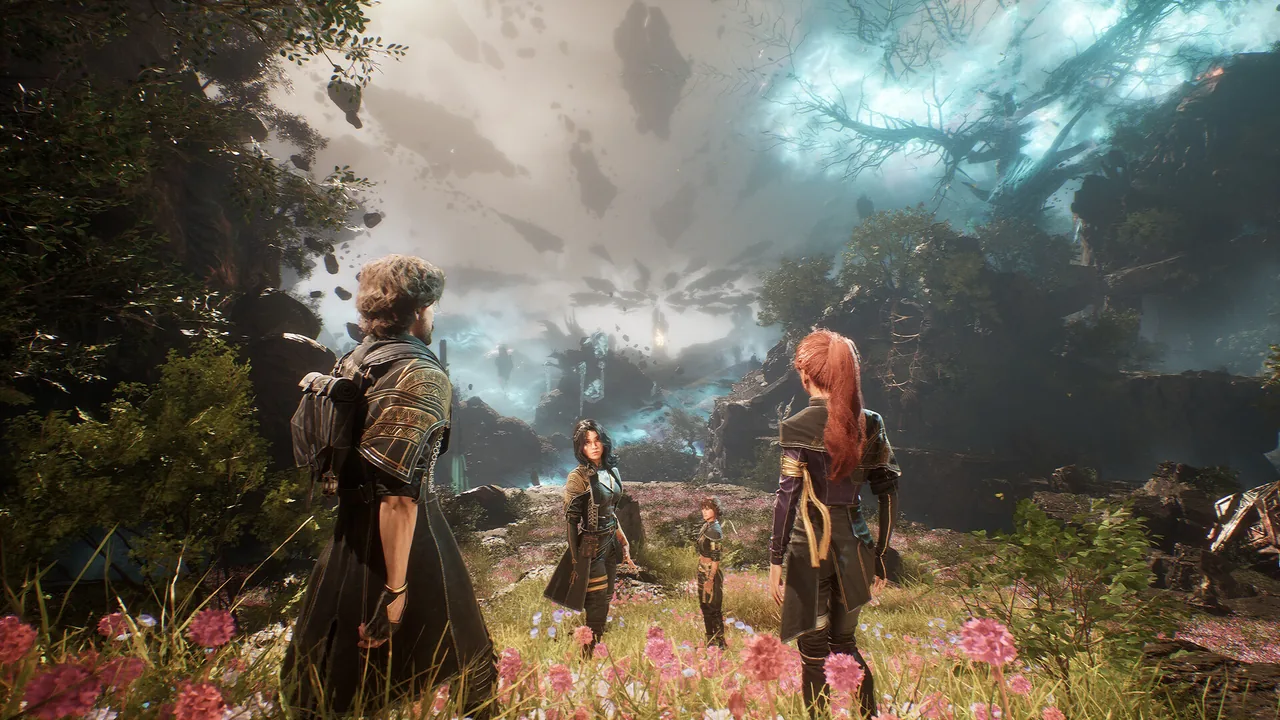
Clair Obscur: Expedition 33Image: Kepler Interactive via Steam -
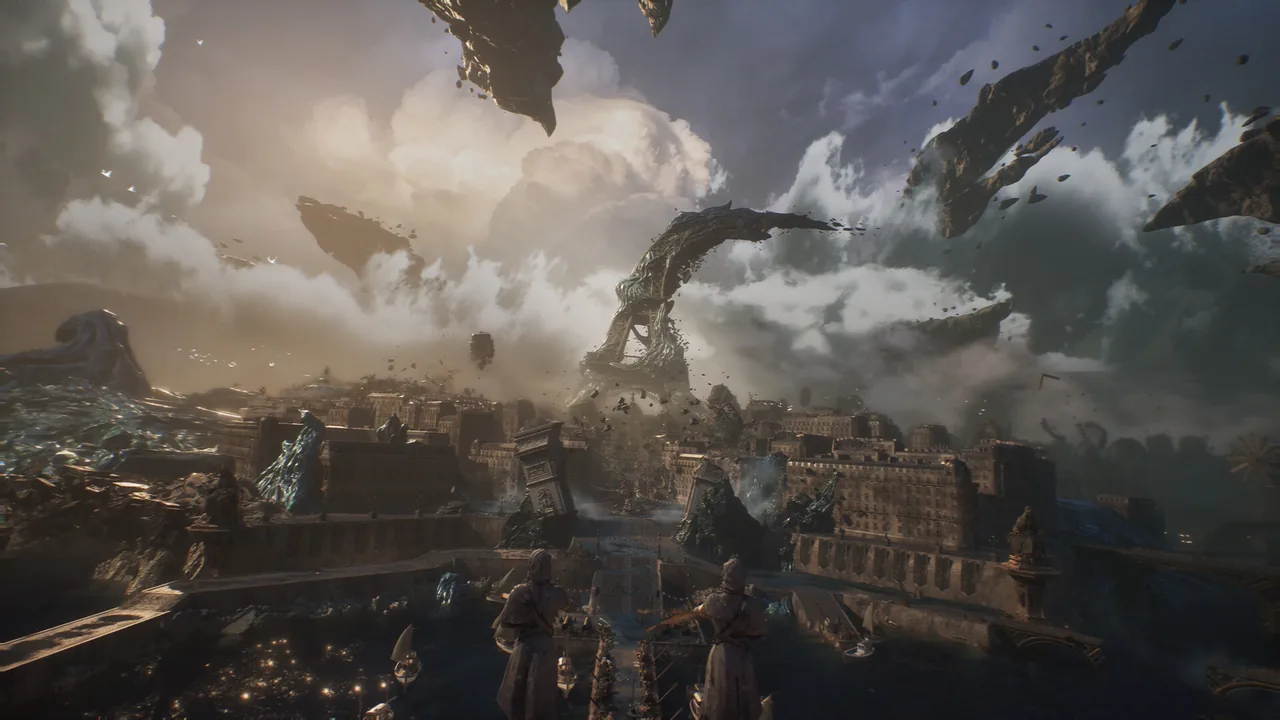
Clair Obscur: Expedition 33Image: Kepler Interactive via Steam -
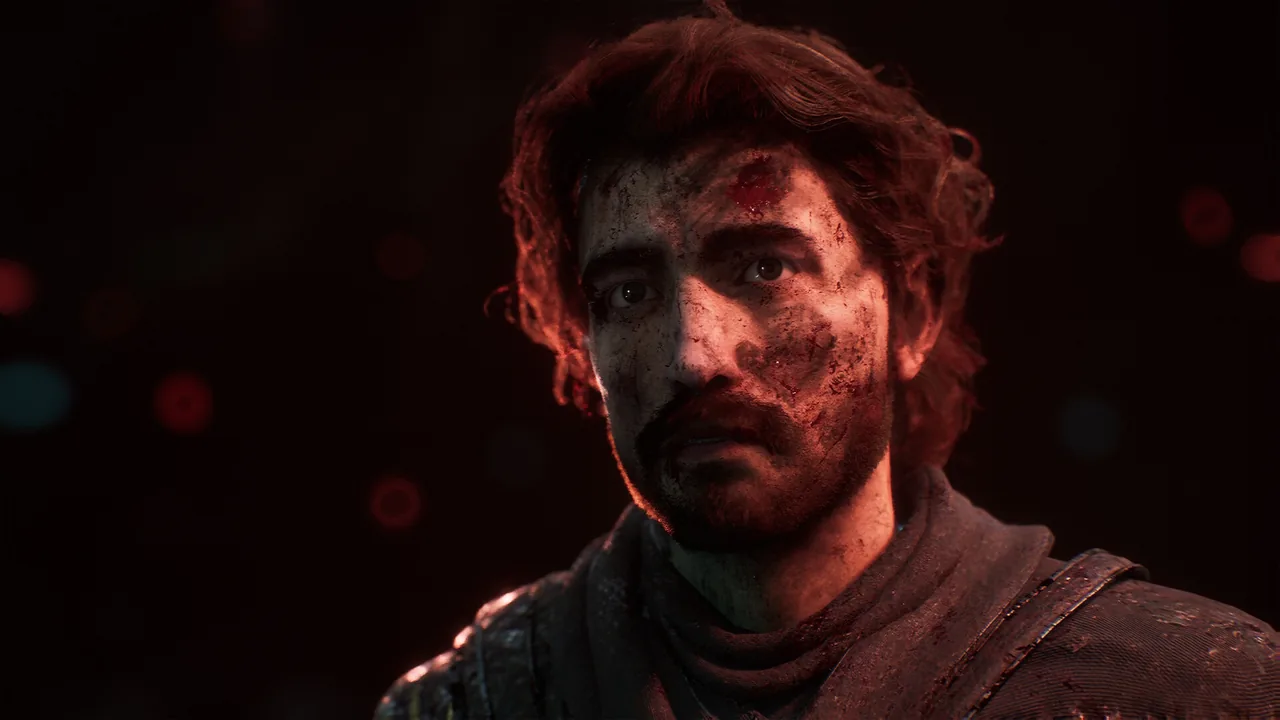
Clair Obscur: Expedition 33Image: Kepler Interactive via Steam -
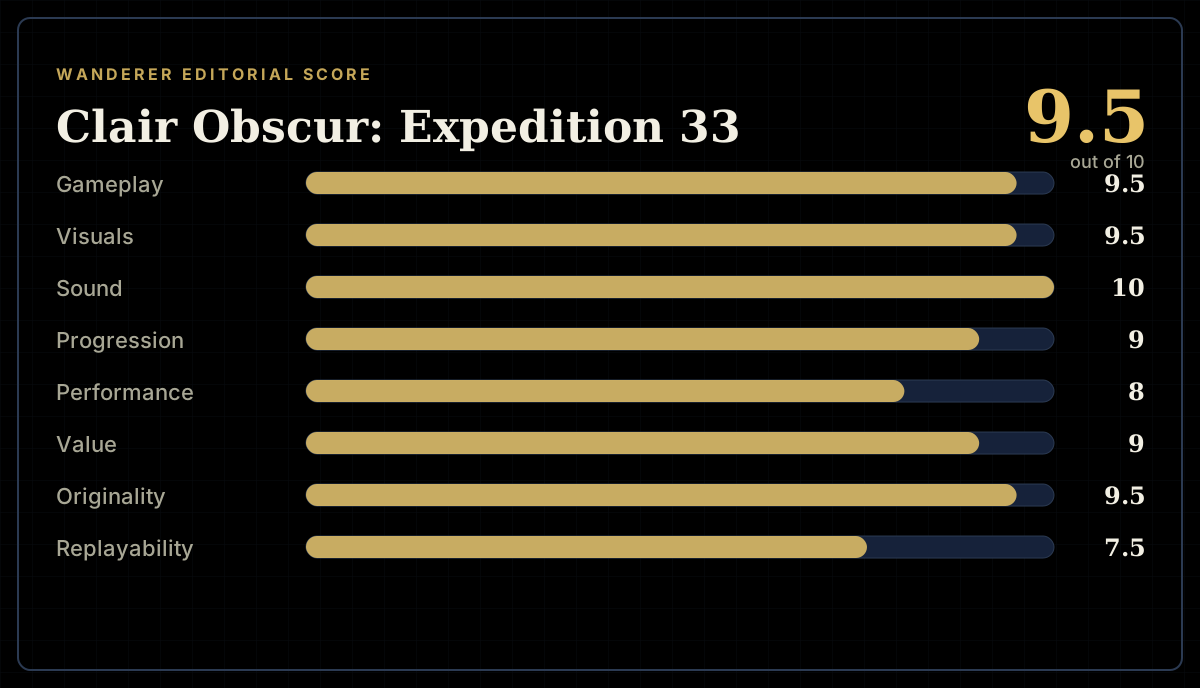
How the review scores each part of the gameWanderer Editorial -
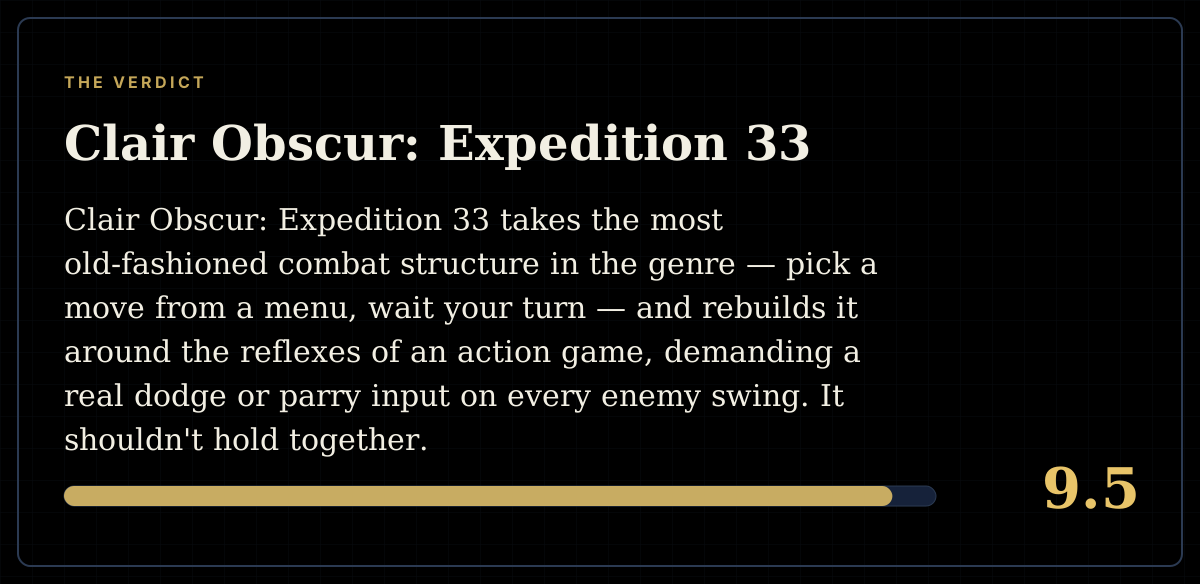
The short versionWanderer Editorial