Game review
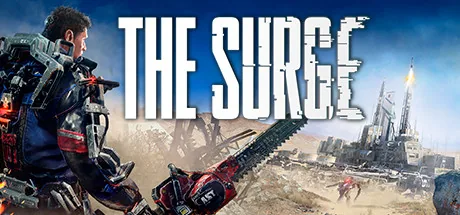
The Surge
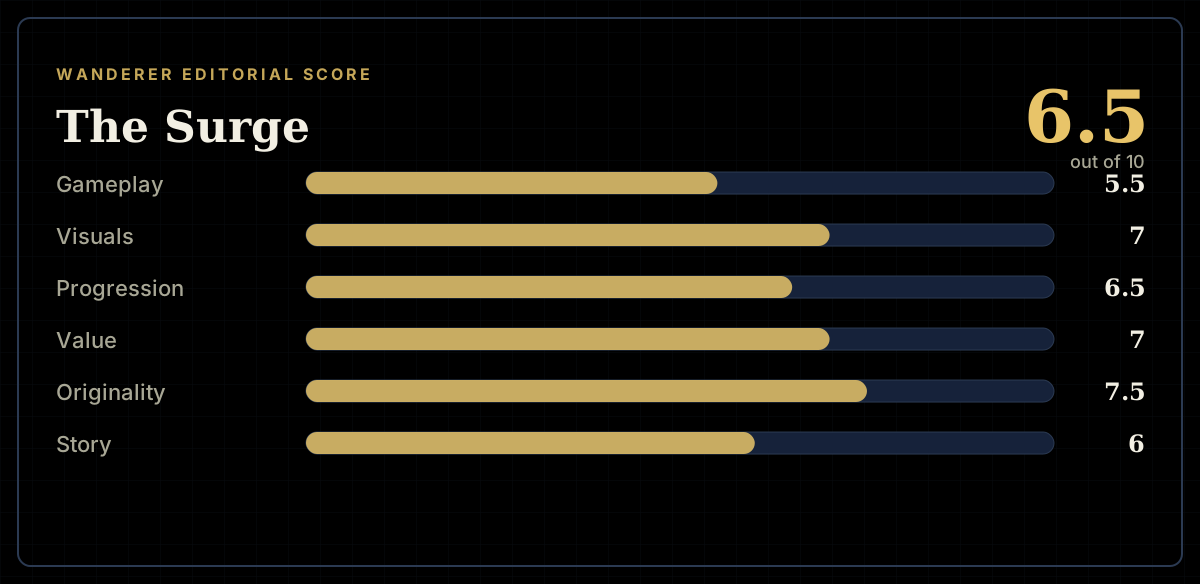
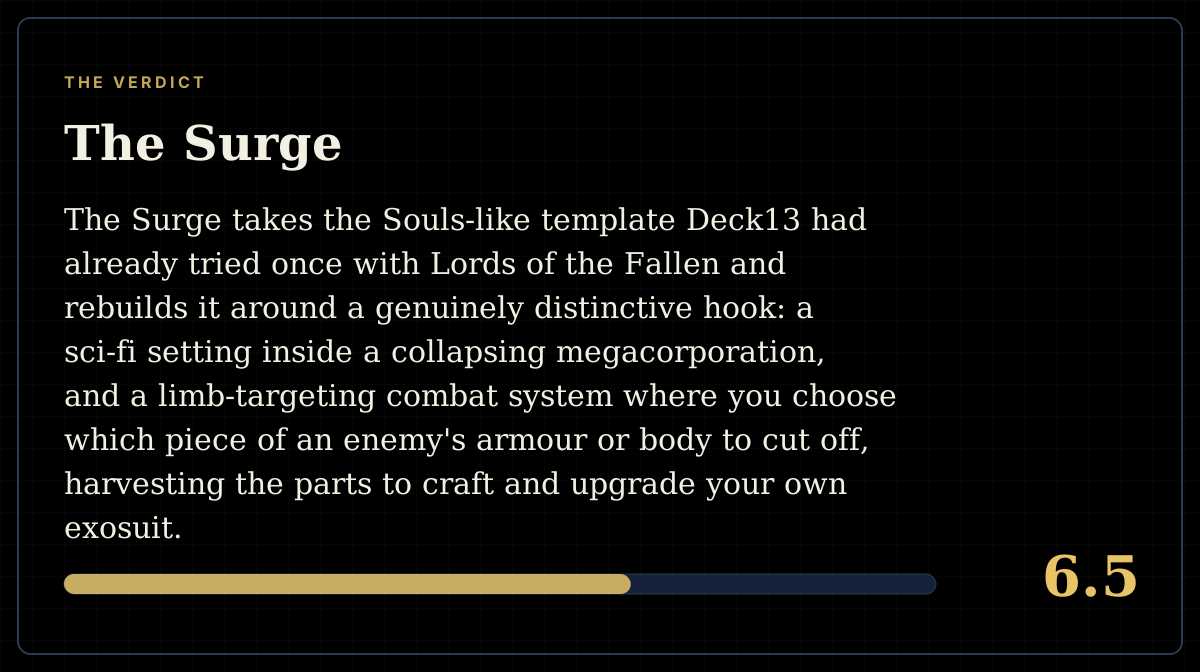
6.5 / 10
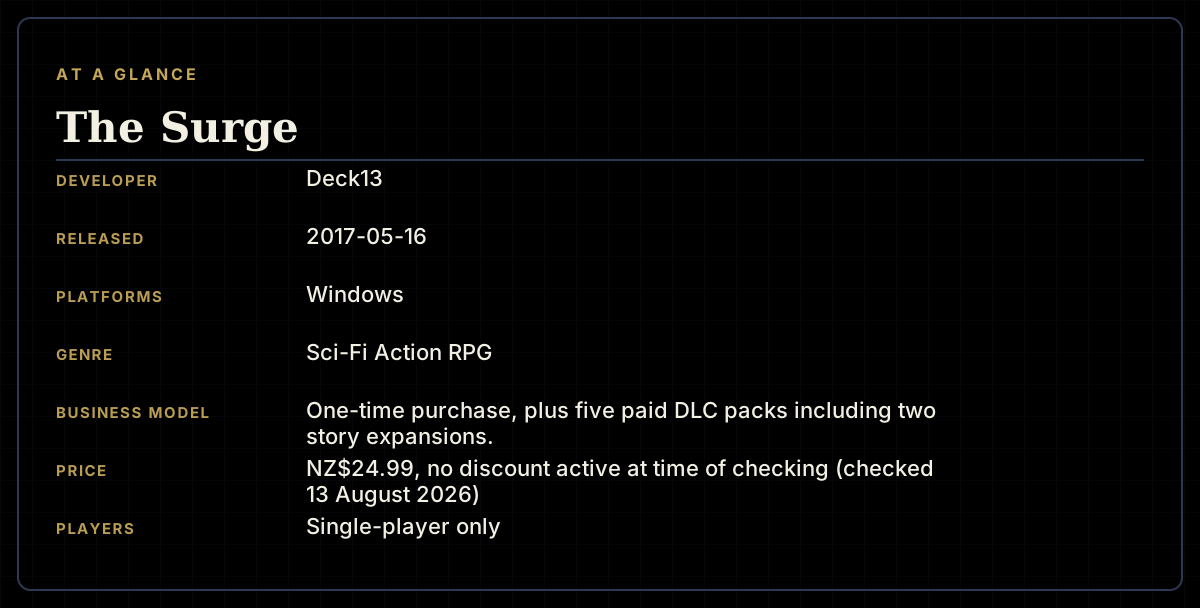
- Developer
- Deck13
- Publisher
- Focus Entertainment
- Released
- 16 May 2017
- Platforms
- Windows
- Genre
- Sci-Fi Action RPG
- Monetisation
- One-time purchase, plus five paid DLC packs including two story expansions.
- Players
- Single-player only
The short version
The Surge takes the Souls-like template Deck13 had already tried once with Lords of the Fallen and rebuilds it around a genuinely distinctive hook: a sci-fi setting inside a collapsing megacorporation, and a limb-targeting combat system where you choose which piece of an enemy's armour or body to cut off, harvesting the parts to craft and upgrade your own exosuit. Steam calls it Mostly Positive, 75% of 6,104 English-language reviews -- a solid but not exceptional number for the genre, and reading the review corpus explains exactly why.
The pattern repeats with striking consistency across nine years: reviewers, including many self-described Souls veterans, describe a genuinely strong opening several hours -- interesting world, novel combat idea, real challenge -- followed by a back half that several call repetitive, samey facility corridors with less variety than the introduction promised. "The first level is great," reads one representative review. "Beautiful and varied locations, but once you get into a big facility, the whole game ends up feeling the same." That specific shape -- strong start, diminishing returns -- shows up in reviews from launch week and reviews written in 2026, suggesting it was never really patched away so much as simply the game's actual structure.
Biggest strengths
- A genuinely novel combat hook -- targeting specific limbs to cut off and harvest crafting materials from -- that reviewers across nine years still call one of the more distinctive ideas the Souls-like genre has produced
- A committed, well-realised sci-fi setting inside a collapsing megacorporation, a clear tonal departure from the genre's usual dark fantasy default
- A genuinely strong opening several hours that even negative reviews consistently credit
Biggest weaknesses
- Combat repeatedly described as clunky and imprecise -- dodge direction, animation commitment and hit feedback are named specifically and consistently across years of reviews
- A back half built mostly around samey industrial-facility corridors that a large share of reviewers say loses the variety and interest of the opening world
- No in-game map, named directly by multiple reviewers as a navigation problem in a genre that already leans on exploration and backtracking
Who it's for: Souls-like fans curious about the genre's sci-fi, exosuit-crafting spin specifically, and willing to accept real combat friction and a back half that runs thinner than the opening. Not for anyone new to the genre looking for the best entry point, or anyone who wants tight, varied level design all the way through.
Our recommendation: Worth it at the price for genre fans specifically, with the understanding that The Surge 2 refined much of what this game gets wrong -- if the ideas here interest you but the execution frustrates you, the sequel is the more polished version of the same pitch.
6.5 / 10
The pitch
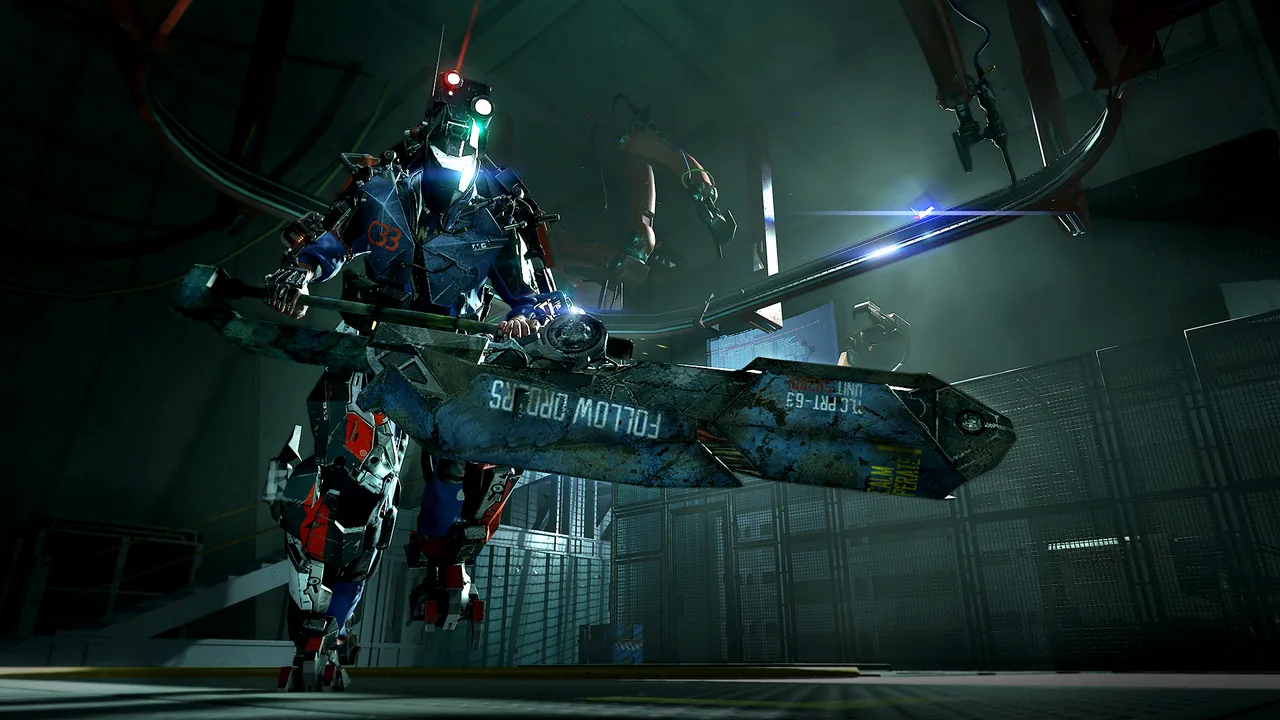
The Surge puts you in the boots of Warren, a paraplegic worker who wakes up mid-catastrophe on his first day at CREO, a megacorporation building exosuit technology to save a dying Earth. Something has gone badly wrong, the facility is overrun with hostile machinery and augmented former colleagues, and you're equipped with a salvaged exoskeleton and nothing else. Combat is the game's real pitch: rather than a straightforward health bar, enemies are built from distinct armoured segments, and targeting a specific limb lets you cut it off directly, harvesting its schematic and materials to craft new gear for your own suit. It's a genre built on repetition and incremental gear progression, and The Surge ties that progression directly to how well you fight rather than what you happen to find on the ground.
Developed by Deck13 -- the same studio behind 2014's Lords of the Fallen, its first attempt at the Souls-like formula -- and published by Focus Entertainment (then Focus Home Interactive), The Surge launched as a full release on 16 May 2017, with no Early Access period. A more polished direct sequel, The Surge 2, followed in 2019.
What reviewers keep singling out, on both sides
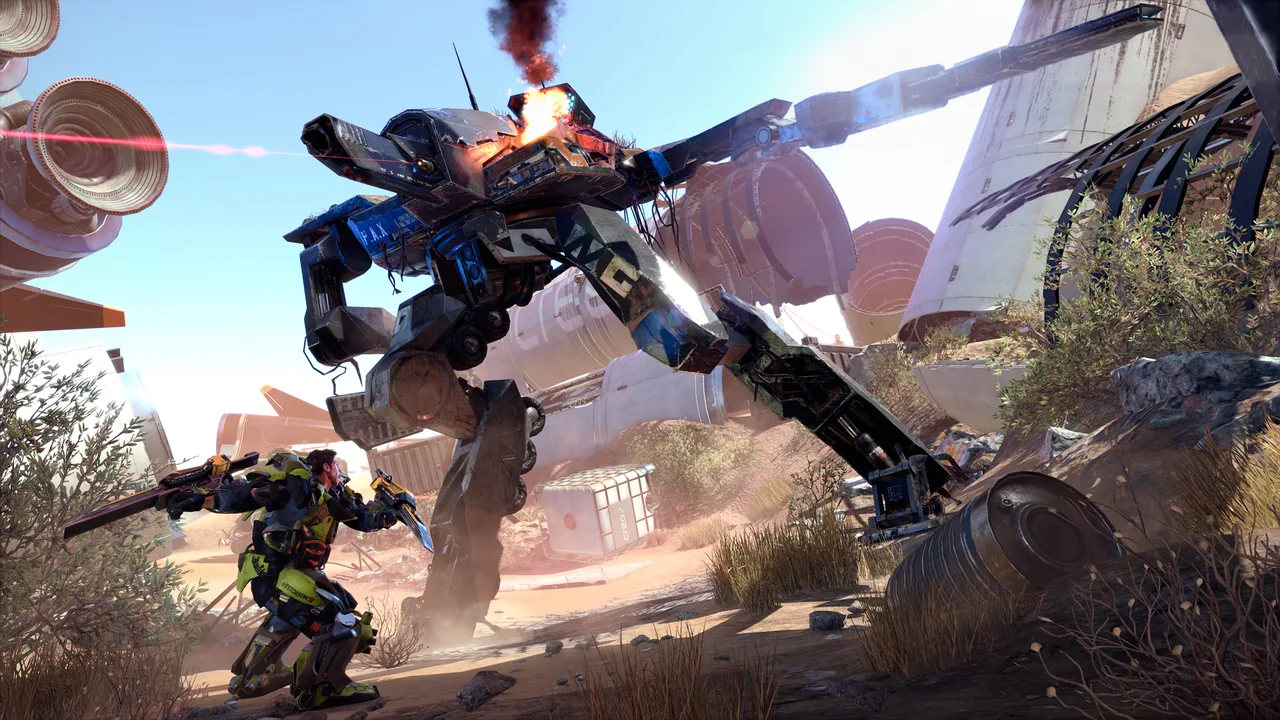
The limb-targeting system is the thing almost every review, positive or negative, credits as genuinely original. Choosing which body part to attack -- an armoured limb for better loot, an unarmoured one for an easier kill -- gives The Surge's combat a layer of tactical decision-making most Souls-likes don't attempt, and reviewers across nine years keep reaching for it as the game's clearest contribution to the genre. The sci-fi setting draws similarly consistent praise: a corporate-dystopia backdrop instead of another crumbling fantasy kingdom, which multiple reviewers say gives The Surge a distinct identity even among a genre that had, by 2017, already produced several imitators of Dark Souls' specific aesthetic.
What keeps that goodwill from translating into a stronger overall reception is combat feel. "Clunky" is the single most repeated word in the negative sample, applied to dodge timing, attack commitment and hit feedback -- reviewers describe attacks that lock you into an animation past the point an enemy has already reacted, and dodges whose direction doesn't reliably match player input. Several Souls veterans explicitly frame this as a fundamental execution problem rather than a difficulty complaint: they're used to hard, punishing combat, and the objection isn't that The Surge is difficult, it's that the difficulty sometimes comes from imprecise controls rather than legible enemy patterns.
The specific shape of the disappointment
What's unusual about The Surge's review corpus, compared to most games in this lane, is how precisely reviewers agree on where the game gets worse. A strong, well-reviewed opening stretch -- varied, interesting environments, the novelty of the limb-targeting system still fresh -- gives way, by consensus, to a back half set largely in similar-looking industrial facility corridors. "The first level is great... but once you get into a big facility, the whole game ends up feeling the same," reads one review; another describes finishing the campaign and reporting that "after the strong opening areas everything proceeds to go downhill until the very end." This isn't a minority complaint -- it recurs in reviews from launch week in 2017 through reviews written in 2025 and 2026, which argues it was never meaningfully addressed by patches so much as simply how the game's level design was built from the start.
A smaller but consistent complaint sits alongside it: The Surge ships with no in-game map, which several reviewers call a real navigational problem in a genre that already leans heavily on backtracking through interconnected areas. Combined with the sameyness of the later facility levels, it's a specific, structural reason reviewers give for losing patience with the game's second half even when they enjoyed its first.
What the achievement data shows
Global achievement completion tracks closely with the review pattern. Early milestones sit extremely high -- over 90% for some of the game's first story or combat achievements -- which fits a strong, well-received opening stretch. From there the curve falls hard: many later-game achievements sit around 2%, one of the steeper completion drop-offs covered in this review's lane. That's consistent with the specific complaint reviewers keep making: not that the game is impossible, but that a large share of players lose interest well before the credits, precisely where the reviews say the level design stops delivering on its opening promise.
Value and how it compares to its own sequel
At NZ$24.99 with no discount active at the time of checking, The Surge is reasonably priced for a roughly 20-30 hour campaign including its two story DLC packs, and it remains a distinctive entry point for anyone specifically drawn to the sci-fi setting and limb-targeting combat over the genre's more common dark-fantasy alternatives. It's also worth being direct about the comparison its own sequel invites: The Surge 2, released in 2019, kept the limb-targeting hook and combat foundation while widely being considered a more varied, better-paced game, addressing several of the specific complaints -- level sameyness, navigation -- that dominate this game's negative reviews. For a player deciding where to start, that's a genuinely useful data point: The Surge is Deck13 working out an idea, and The Surge 2 is largely that idea refined.
Verdict
The Surge is a good example of a game whose core idea outran its execution, and whose own review corpus has said so in near-identical terms for nine years running. The limb-targeting combat and sci-fi setting are genuine, still-praised contributions to a crowded genre; the clunky combat feel and a back half that leans on repetitive facility corridors are just as consistently the reasons reviewers pull back from a full recommendation. For genre fans specifically curious about where Deck13's ideas started, it's a worthwhile, reasonably priced pickup with clear eyes about where it runs thin -- and for anyone deciding between the two, the sequel is the more complete version of the same pitch.
Pros and cons
Pros
- A genuinely novel combat hook -- targeting specific limbs to cut off and harvest crafting materials from -- that reviewers across nine years still call one of the more distinctive ideas the Souls-like genre has produced
- A committed, well-realised sci-fi setting inside a collapsing megacorporation, a clear tonal departure from the genre's usual dark fantasy default
- A genuinely strong opening several hours that even negative reviews consistently credit
- Fair value at NZ$24.99 for a roughly 20-30 hour playthrough including its story DLC
Cons
- Combat repeatedly described as clunky and imprecise -- dodge direction, animation commitment and hit feedback are named specifically and consistently across years of reviews
- A back half built mostly around samey industrial-facility corridors that a large share of reviewers say loses the variety and interest of the opening world
- No in-game map, named directly by multiple reviewers as a navigation problem in a genre that already leans on exploration and backtracking
- Global achievement data shows one of the steeper completion drop-offs in this review's coverage -- from over 90% on early milestones to roughly 2% for late-game achievements
Screenshots
-
The SurgeImage: Focus Entertainment via Steam -
The SurgeImage: Focus Entertainment via Steam -

The SurgeImage: Focus Entertainment via Steam -
How the review scores each part of the gameWanderer Editorial -
The Surge at a glanceWanderer Editorial -
The short versionWanderer Editorial