Game review
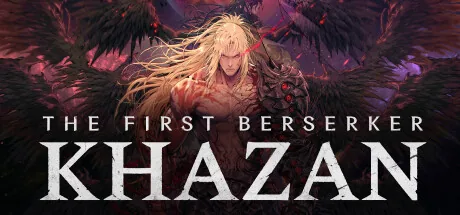
The First Berserker: Khazan
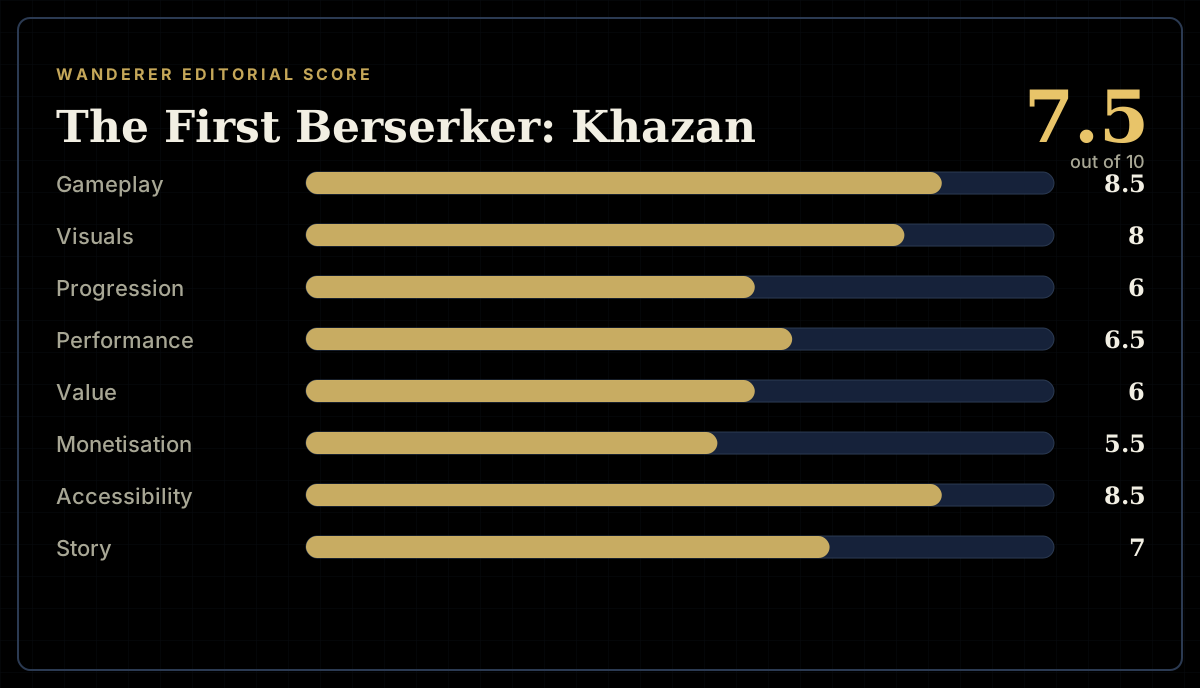
7.5 / 10
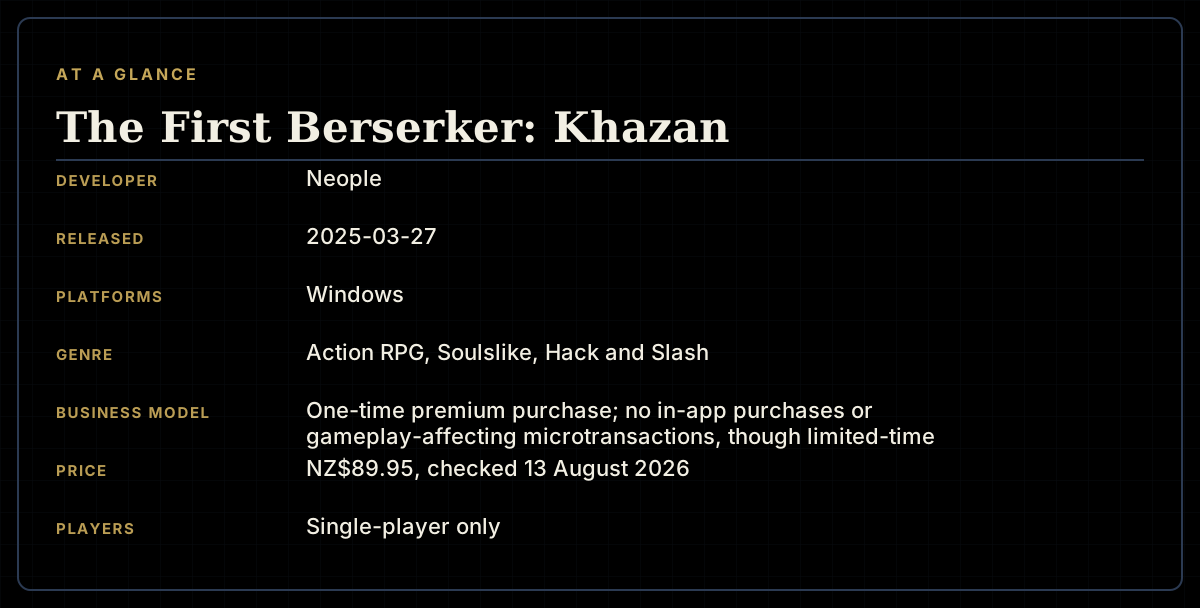
- Developer
- Neople
- Publisher
- NEXON
- Released
- 27 March 2025
- Platforms
- Windows
- Genre
- Action RPG, Soulslike, Hack and Slash
- Monetisation
- One-time premium purchase; no in-app purchases or gameplay-affecting microtransactions, though limited-time exclusive cosmetic content tied to launch-window purchase has drawn significant criticism
- Players
- Single-player only
The short version
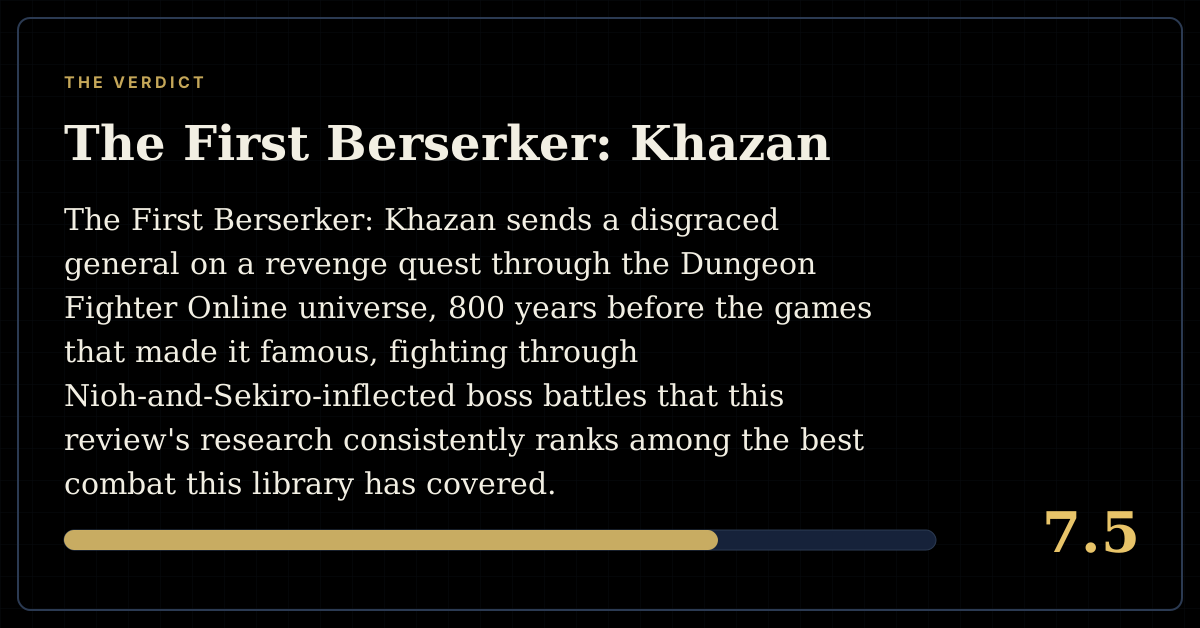
The First Berserker: Khazan sends a disgraced general on a revenge quest through the Dungeon Fighter Online universe, 800 years before the games that made it famous, fighting through Nioh-and-Sekiro-inflected boss battles that this review's research consistently ranks among the best combat this library has covered. Developed by Neople and published by NEXON, it released 27 March 2025 to a Very Positive reception across a huge sample — over 14,000 English-language reviews at 93% positive. What emerges from reading a large cross-section of that sample is a genuinely excellent first half undercut by a second half a substantial share of players describe as repetitive and damage-sponge-heavy, plus two separate publisher-trust issues — a limited-time exclusive-content controversy and a Denuvo addition well over a year after launch — layered on top of press reports, contested by Nexon itself, that the development team was restructured after the game's commercial performance fell short of expectations.
Biggest strengths
- Combat that reviewers consistently compare favourably to Nioh and Sekiro, with responsive controls and a "bonfire, learn, overcome" boss loop that a huge share of the review sample describes as genuinely satisfying rather than merely difficult
- A widely and specifically praised easy mode, credited by numerous reviewers — including players who identify as older or less mechanically skilled — with making the game's excellent combat accessible without gatekeeping it behind pure reflexes
- Launched with exceptional technical performance; the most-upvoted English review at 750 votes specifically praises running the game at full quality with no need for upscaling or frame generation, calling it a model other developers should follow
Biggest weaknesses
- A large, consistent complaint that the game's second half relies on damage-sponge bosses, reused enemy types repurposed as side-mission content, and difficulty spikes several reviewers distinguish from fair challenge — "the difference between hard and unfair," as one puts it
- A limited-time, pre-order-exclusive content pack (the "Pathfinder" package) drew a large, specific backlash from buyers who say they were locked out of it permanently through no fault of their own, in a full-price single-player game
- A Denuvo DRM addition in a July 2026 update, well over a year after a launch reviewers had specifically praised for needing no performance crutches, draws pointed, recent complaints about degraded performance for paying customers
Who it's for: Soulslike fans who want combat that stands up against genre leaders and a genuinely well-designed accessibility option, and who can tolerate a second half several fans say loses momentum; a poor fit for anyone sensitive to recent DRM changes or launch-window exclusive content they may have missed.
Our recommendation: Exceptional combat and one of the best accessibility implementations in its genre, weighed against real back-half fatigue, a limited-time-exclusive controversy, and a recent DRM change that's cost it real goodwill from an otherwise enthusiastic audience.
7.5 / 10
Introduction
The First Berserker: Khazan is a prequel, set 800 years before the games that built the Dungeon Fighter Online universe, following a disgraced general's revenge quest through unforgettable boss encounters and deliberate, punishing combat. Developed by Neople and published by NEXON, it released 27 March 2025 to an enormous, overwhelmingly positive response — over 14,000 English-language reviews sitting at 93% positive, among the largest samples this library has handled. This review reads the hundred most-helpful negatives out of that huge corpus, alongside a hundred-review positive sample, because a game this large deserves more than a headline percentage. What emerges is a genuinely accomplished action RPG whose strongest ideas are real and whose weaknesses are specific enough to name precisely.
Combat that earns its comparisons
The praise here isn't vague. Reviewers repeatedly, independently reach for the same two reference points — Nioh and Sekiro — and back that comparison up with specifics rather than just the labels. "This game is truly something special," reads one 296-vote review, "the combat successfully nails the feeling of Nioh combined with Sekiro." A veteran reviewer who says they've 100%-completed Dark Souls 1 through 3, Elden Ring and Sekiro calls it "A Souls-like Gem That Deserves All the Praise." The signature loop — die repeatedly to a boss, learn its patterns, finally land the kill only to watch it enter a brutal second phase at full health — gets celebrated rather than resented: "die 20+ times to boss, manage to finally defeat boss with 5% hp left, cutscene plays and the boss gets angry, begin phase 2 with full health bar... ah [expletive], here we go again... 10/10," reads the single most-upvoted review in this game's entire sample, at 1,329 votes. That's a genre fan describing exactly the kind of suffering they came for.
One of the better accessibility stories in the genre
A specific, repeated and genuinely notable strength: Khazan's easy mode draws enthusiastic, personal praise from a slice of its audience Soulslikes don't always reach. "As a 50+ year old father with diminishing hand-eye coordination and limited playing time... thank you so much for easy mode," reads a 438-vote review. "Big respect to this game for including easy mode so losers like me can play," reads another, at 424 votes, using self-deprecation to make a real point about gatekeeping. A third, at 401 votes, specifically hopes the developer doesn't keep nerfing bosses in response to complaints, precisely because "there is an easy mode for people who don't like a challenge." That's a meaningfully healthy community conversation around difficulty options — the hardcore audience gets to keep its suffering, and players who can't or don't want that suffering aren't shut out of the story and combat system entirely.
A first half that's excellent, and a second half a lot of fans call a slog
Set against all of that is this game's single most consistent complaint, and it comes from reviewers who otherwise clearly respect the game. "The further I made it through this game, the more I felt..." begins the most-upvoted negative review, at 331 votes, going on to describe a Nioh comparison turning sour as fatigue sets in. "Just like many others have pointed out: the first half is kinda fun, but the second half is straight-up dog poopoo," reads another, at 172 votes, immediately clarifying that the issue isn't difficulty itself but its execution — "there's a difference between" hard and unfair. The specific mechanical complaint, echoed across a fifth of this game's negative sample, is damage-sponge bosses and reused content: "every boss is just a test of seeing how well you can parry followed up with some damage... massive hp bars," "the bosses have just too much HP," "reused into a 'side mission.'" Steam's own achievement data backs this pattern up with real numbers: boss-clear achievements decline in a steady, unmistakable curve, from Boss_01 at 90.1% down to Boss_13 at 37.2% — a genuine, worsening attrition through the game's back half rather than a flat difficulty level throughout. The overall ending-achievement rate, 31.5%, is a respectable completion figure for a hardcore action RPG, so this isn't a game most buyers bounce off entirely — but the pattern in the data matches the pattern in the reviews closely enough to trust both.
The Pathfinder controversy
A separate, specific complaint concerns a limited-time content pack called Pathfinder, tied to purchasing or engaging with the game within a particular launch window. "Locking the Pathfinder package behind a time limit is ridiculous," reads a 238-vote review from a player who says they tried repeatedly and couldn't claim it despite meeting the stated conditions. "Time limited free DLC's like Pathfinder is absolute BS," reads a second, at 177 votes. A third, at 97 votes, frames the emotional arc plainly: "I started out liking this game... then I came back from a short break and found out I had permanently missed out on content they have no intention of making available again." For a full-price, single-player game with no live-service excuse for FOMO mechanics, that's a design choice a meaningful number of buyers experienced as a genuine betrayal rather than a minor inconvenience, and it's worth knowing about before buying now, well past whatever window originally applied.
A Denuvo addition over a year later, and a disputed restructuring story
Two more recent, specific issues deserve separate treatment because both are dated well after launch rather than being original complaints. First: a July 2026 update added Denuvo DRM to a game whose own most-upvoted review had specifically praised its performance for needing no crutches at all. "First and last time I am buying a game from this anti-consumer publisher," reads one 2026 review, dated the same week as the patch. "While freeloaders are enjoying the game, the paying customers are being punished with an updated version of... Denuvo to make performance [worse]." Separately, in August 2025, Nexon posted an official notice changing its Terms of Service for North American players, introducing a mandatory informal dispute-resolution process and a mass-arbitration waiver, while describing an opt-out procedure in the new terms. Reviewers characterise that opt-out differently: one 101-vote review alleges the company "does not offer a way to opt out of these changes... while claiming in their blog post about it that they do." This review can't audit whether that specific opt-out mechanism functions as advertised — that's outside what a review built from public sources can verify — but both the existence of the ToS change and the reviewer frustration around it are real and worth a cautious buyer's attention.
Separately again, and worth reporting with real care: Korean and international games press, including GamesRadar+ and PC Gamer, reported in April 2026 that Nexon had restructured or dissolved Neople's Khazan development team following disappointing sales — coming, several outlets noted, just days after Nexon's own CEO had publicly praised the game in a financial presentation. Nexon disputed the framing directly, describing the move as "a strategic reallocation of talent" rather than a workforce reduction or team dissolution. Both things can be true at once — a company denying the harshest interpretation of a real internal shakeup — and this review isn't positioned to settle which account is more accurate. What can be verified directly: patch notes continued to be posted as recently as 28 July 2026, so whatever internal restructuring occurred, official support for the game hadn't visibly stopped as of this review's research.
Value and monetisation
At NZ$89.95, Khazan is priced as a full premium release, and there are no in-app purchases or gameplay-affecting microtransactions to weigh against that. The monetisation conversation here is really about the Pathfinder controversy above rather than ongoing spending pressure — a fair, one-time price for a genuinely substantial single-player campaign, complicated by a specific launch-window exclusivity decision several buyers experienced as unfair.
Final Verdict
The First Berserker: Khazan earns its Very Positive badge honestly: this is combat this library ranks among the best it has covered, paired with one of the more thoughtfully implemented accessibility options in the Soulslike genre and a story mode that gives the format real narrative weight. What keeps it from the very top tier is equally real — a second half a meaningful share of its own fans describe as grinding rather than testing, a limited-time content decision that's cost it real goodwill in a full-price single-player game, and a recent DRM change landing on top of disputed reports about the team's future. Buy it for the first half's genuinely excellent combat and the accessibility options that let more players actually experience it; go in with tempered expectations for the back half, and check the current state of the DRM and any remaining limited-time offers before you commit.
Pros and cons
Pros
- Combat that reviewers consistently compare favourably to Nioh and Sekiro, with responsive controls and a "bonfire, learn, overcome" boss loop that a huge share of the review sample describes as genuinely satisfying rather than merely difficult
- A widely and specifically praised easy mode, credited by numerous reviewers — including players who identify as older or less mechanically skilled — with making the game's excellent combat accessible without gatekeeping it behind pure reflexes
- Launched with exceptional technical performance; the most-upvoted English review at 750 votes specifically praises running the game at full quality with no need for upscaling or frame generation, calling it a model other developers should follow
- Real dialogue, cutscenes and story structure that reviewers say sets it apart from Soulslike peers that often minimise narrative
Cons
- A large, consistent complaint that the game's second half relies on damage-sponge bosses, reused enemy types repurposed as side-mission content, and difficulty spikes several reviewers distinguish from fair challenge — "the difference between hard and unfair," as one puts it
- A limited-time, pre-order-exclusive content pack (the "Pathfinder" package) drew a large, specific backlash from buyers who say they were locked out of it permanently through no fault of their own, in a full-price single-player game
- A Denuvo DRM addition in a July 2026 update, well over a year after a launch reviewers had specifically praised for needing no performance crutches, draws pointed, recent complaints about degraded performance for paying customers
- Games press reports say Nexon restructured or dissolved the development team following disappointing sales, a claim Nexon itself disputes as a routine staff reallocation rather than a dissolution; the game's future development remains genuinely uncertain
Screenshots
-
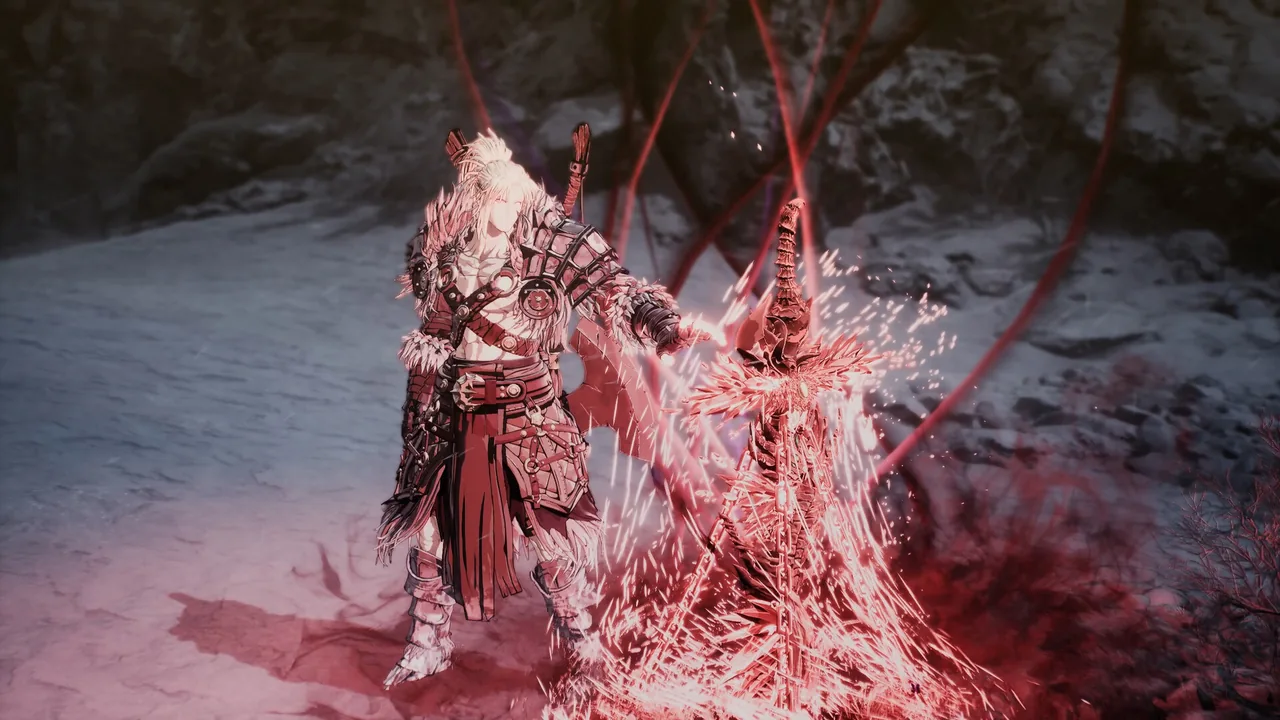
The First Berserker: KhazanImage: NEXON via Steam -
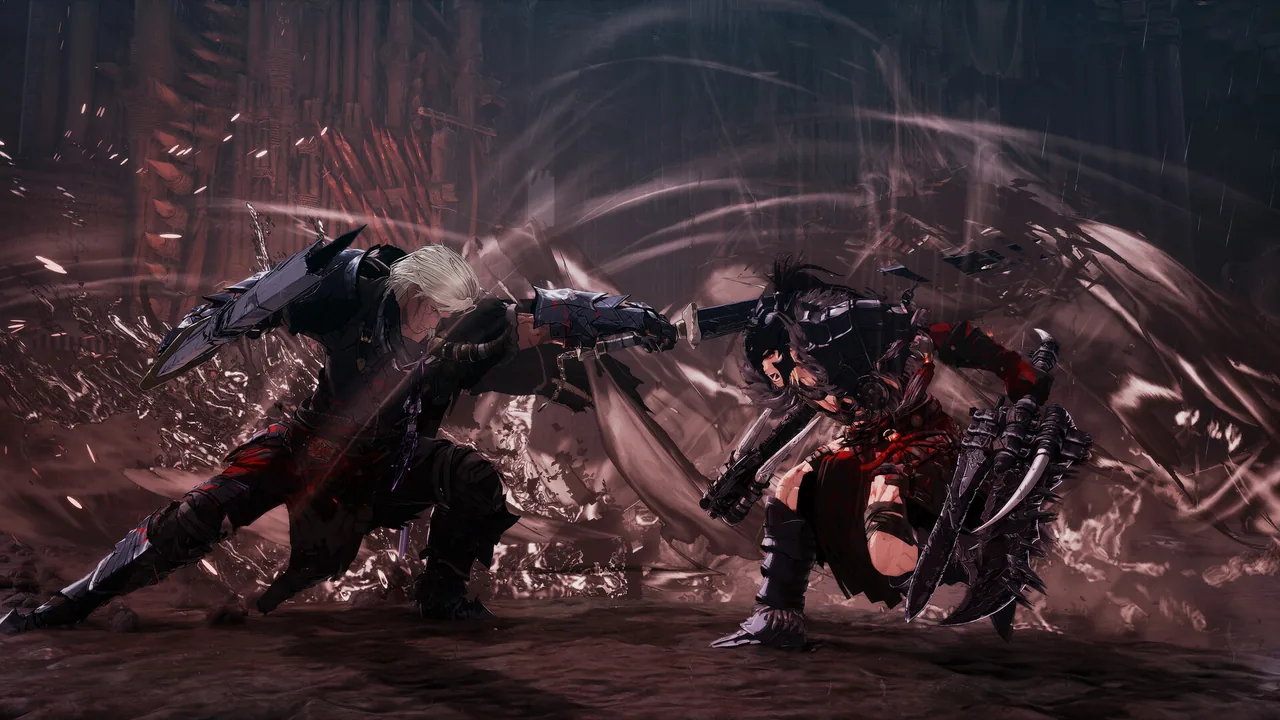
The First Berserker: KhazanImage: NEXON via Steam -
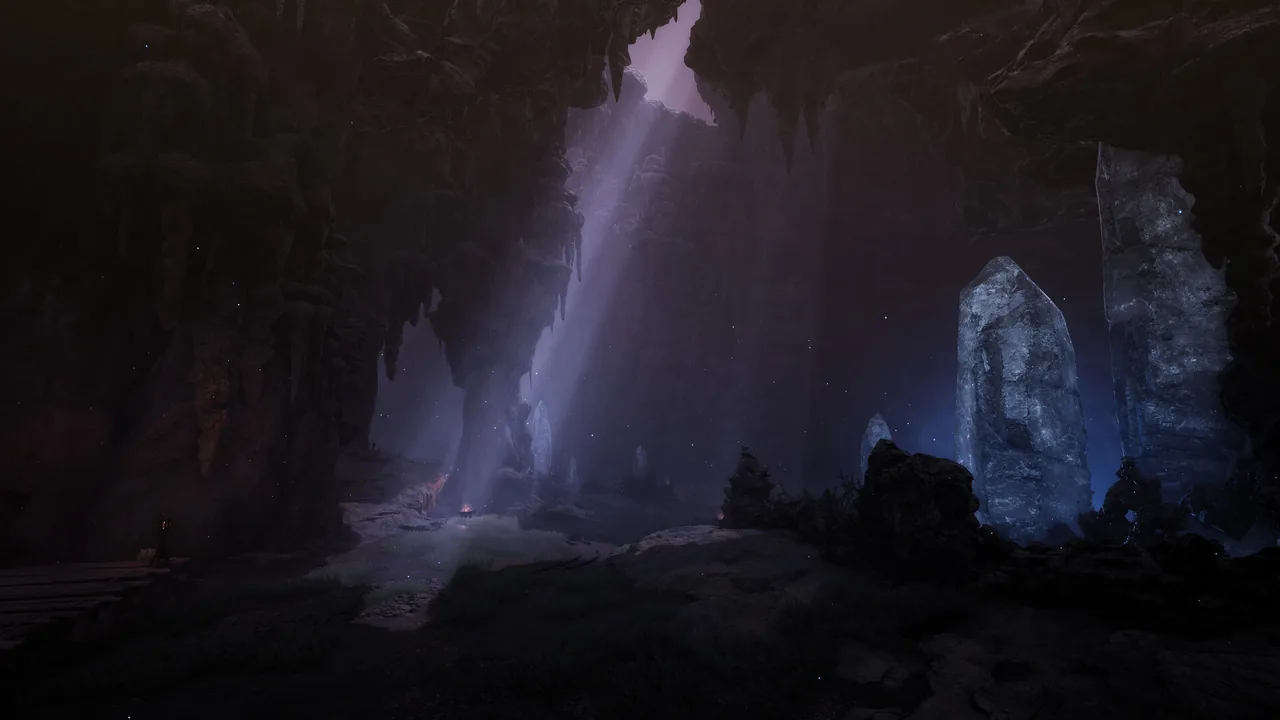
The First Berserker: KhazanImage: NEXON via Steam -
How the review scores each part of the gameWanderer Editorial -
The essentials at a glanceWanderer Editorial -
The short versionWanderer Editorial