Game review
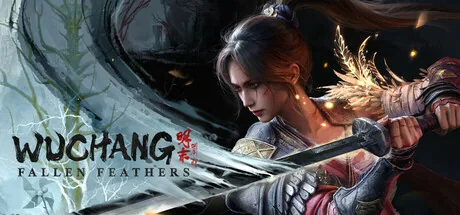
WUCHANG: Fallen Feathers
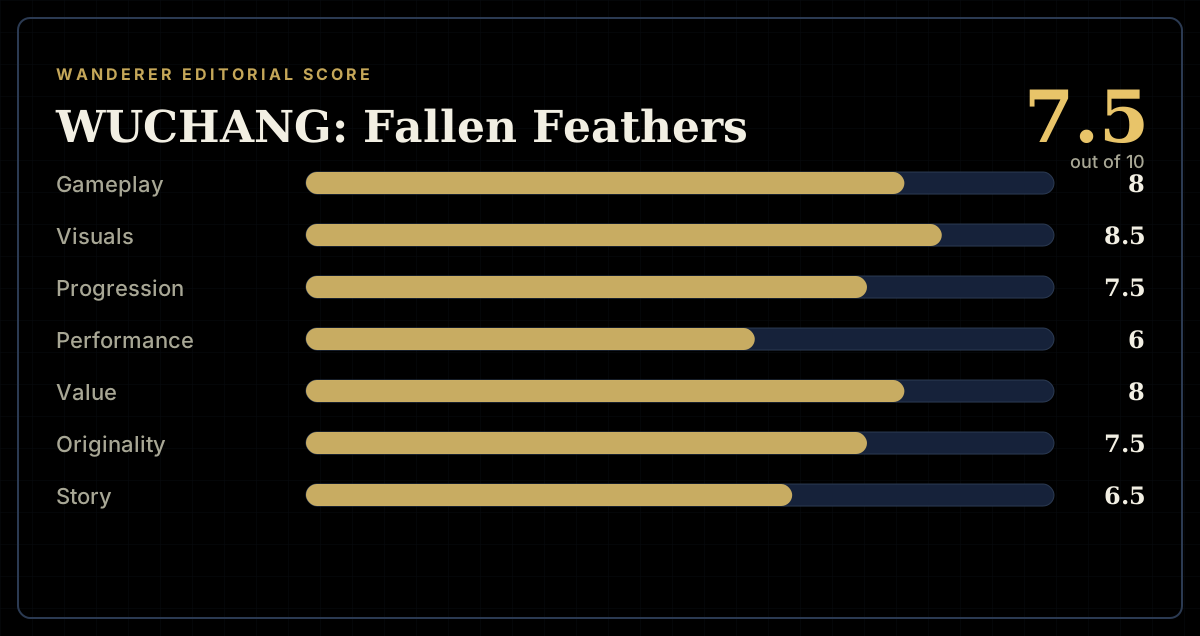
7.5 / 10
- Developer
- Leenzee
- Publisher
- 505 Games
- Released
- 23 July 2025
- Platforms
- Windows, PlayStation 5, Xbox Series X|S
- Genre
- Soulslike Action RPG
- Monetisation
- One-time purchase, plus a paid Deluxe Upgrade Pack. The store also carries an In-App Purchases tag and a DLC entry consisting of a skill-upgrade item, which is unusual for a premium soulslike.
- Players
- Single-player only
The short version
Read Wuchang's store page and you'll see a Mixed rating. Read it as an English speaker and that number is telling you about somebody else's experience — 85% of its 104,320 reviews are in Simplified Chinese, and that cohort sits at 53%, while the English corpus is Mostly Positive at 73.7% and its most recent hundred English reviews run 82% positive.
Underneath the numbers is a good soulslike with a genuinely fresh setting — the land of Shu in the collapsing late Ming Dynasty, plague-warped and beautiful — that launched with the Unreal Engine 5 performance problems of its era and then did something stranger. Patch 1.5, a month after release, altered story content and thinned enemy encounters, and a large group of players who had already finished the game came back to say the thing they'd played no longer existed.
Biggest strengths
- The late-Ming Shu setting is genuinely distinctive, and the art direction makes good on it
- Combat is solid soulslike work with enough identity of its own to avoid feeling like a tribute
- Performance has improved enormously since launch — one reviewer measured 45-50fps rising to 85-90fps at the same settings after patch 1.3
Biggest weaknesses
- Launched with serious Unreal Engine 5 problems, including forced upscaling and, for a period, no native resolution option
- Patch 1.5 changed story content after release, which a large cluster of English reviewers characterised as censorship and have not forgiven
- The same patch reduced enemy density in areas, breaking farming routes players relied on
Who it's for: Soulslike players who've run out of FromSoftware and want a competent, handsome take on the formula in a setting nobody else is using. Best appreciated now, a year of patches later, rather than as it shipped.
Our recommendation: Worth buying on the current 30% discount. Performance is far better than its launch reputation, the combat holds up, and at NZ$51.06 it's fair for the length — just know you're playing a version whose story was revised after release, and that some players consider that a meaningful loss.
7.5 / 10
Wuchang: Fallen Feathers is the clearest illustration this library has produced of why a Steam badge is not a review.
The game sits at Mixed — 56.4% positive across 104,320 reviews. That looks damning. But 88,448 of those reviews are in Simplified Chinese, which is 85% of the entire corpus, and that cohort rates it 53%. The English corpus is a different game entirely: 73.7% positive, Mostly Positive, and of the hundred most recent English reviews, posted between mid-July and early August 2026, 82 are positive.
None of that makes the Chinese reviewers wrong — this is a Chinese-developed game with a predominantly Chinese audience, and their verdict is the majority verdict. But an English-speaking buyer glancing at "Mixed" is reading a number formed almost entirely by a different group of people who, as it turns out, were angry about something at a different time.
Two audiences, two grievances, two months
Sorting the negative reviews by posting date makes the divergence unusually legible.
The Simplified Chinese negatives cluster hard at launch: 75 of a 100-review sample were posted in July 2025, the release month, with only 14 in August and a scattering after. That's a launch-window verdict, delivered quickly and then largely settled.
The English negatives peak a month later. 31 arrived in July 2025, but 53 came in August 2025 — after the game had been out for weeks and, crucially, after patch 1.5. Two audiences, two different flashpoints.
The launch problem: Unreal Engine 5, again
The July complaints are the ones anyone who followed PC releases in 2025 can recite. The most-upvoted English negative is a single weary paragraph: "Another unstable UE5 title. Why are we not optimizing these games properly and promoting the use of frame gen and/or upscaling to fix the issue rather than making it an accessible feature." Others describe forced FSR/TSR and an ultra preset recommending 50% resolution scaling. One reviewer with over a thousand helpful votes reports that a patch billed as a performance fix actually removed the ability to run at native resolution.
To Leenzee's credit, they fixed a lot of it, and there's player-measured evidence rather than marketing claims. The same reviewer who called performance "EXTREMELY AWFUL" struck that line out and added an update: after patch 1.3, "went from 45~50fps on 1440p with FSR on 100% resolution, to around 85~90fps with the same graphics configuration." That's close to a doubling, verified by someone with no reason to flatter the developer.
Anyone reading the launch reviews today is reading about a build that no longer exists — the same trap as Starfield, and worth checking before you let a July 2025 review decide for you.
The patch that rewrote the game
The August wave is more interesting, and more troubling.
Patch 1.5, released about three weeks after launch, altered story content — characters' fates changed, plot elements were revised — and reduced enemy density across parts of the game. English reviewers responded with real anger, and a substantial number characterised the changes as censorship made in response to nationalist criticism of the game's depiction of the period.
I'm not in a position to adjudicate the motive, and I won't pretend otherwise. What is straightforwardly checkable is the effect, and reviewers are consistent about it. A player with 151 hours reports that after 1.5.1 "many areas that contained multiple mobs now having just one." A player with 81 hours objects that removing the ability to farm certain human enemies "just contradicts the whole design of the game," leaving one much narrower route to a key resource. A 44-hour reviewer who had enjoyed the game through to the end writes that the developer "butchered the whole theme of the story by changing plotlines."
Set the politics aside and a plain design point remains: this game shipped, people finished it, and then the version they'd played was edited. Revising a live-service game's balance is routine. Revising the ending of a single-player story a month after release is not, and the players who lost the version they bought have a legitimate complaint regardless of what prompted it.
It's worth noting the wave was concentrated and then subsided — only a handful of English negatives appear after September 2025, and none of the 2026 ones return to the subject at volume.
The game itself
Underneath all of this is a good soulslike, and it deserves to be assessed as one.
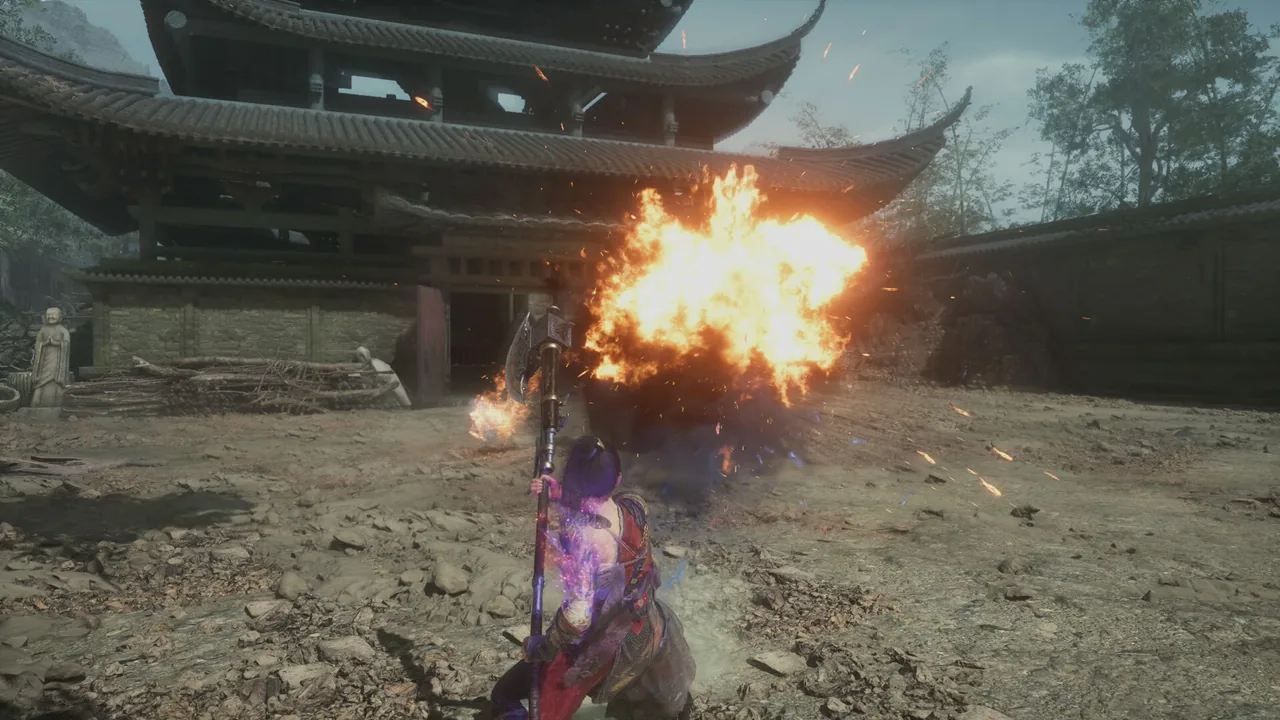
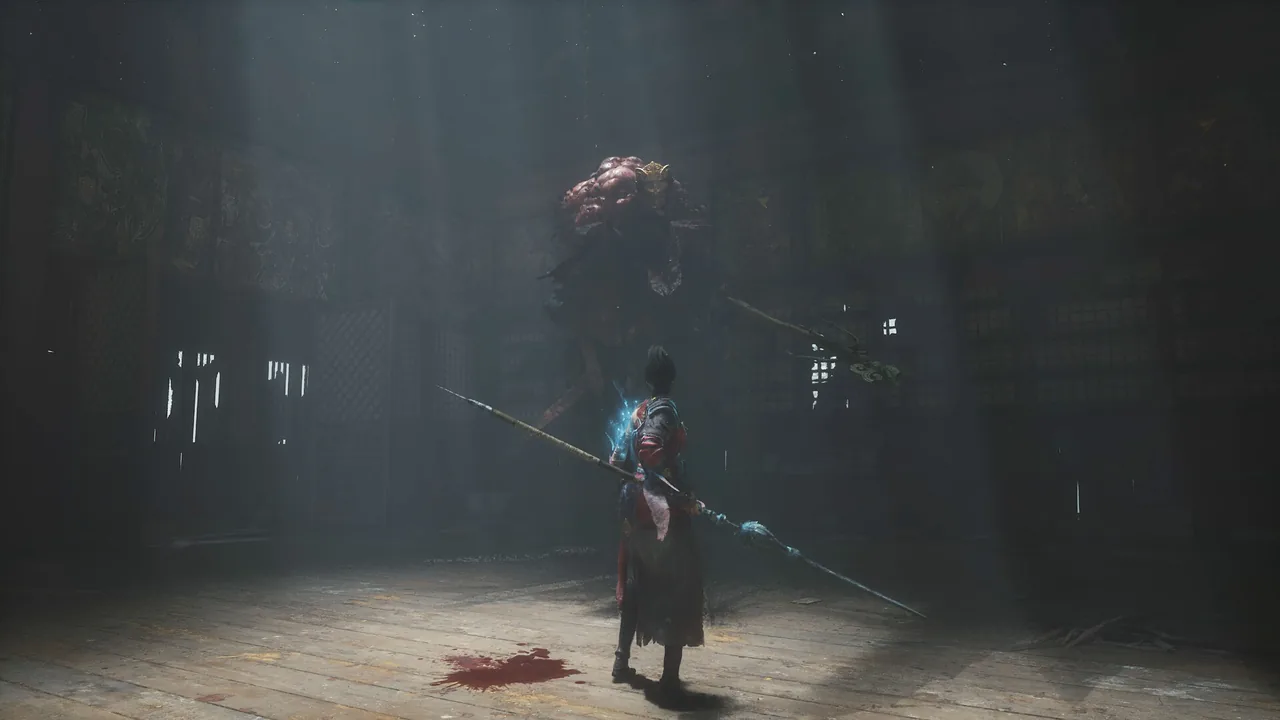
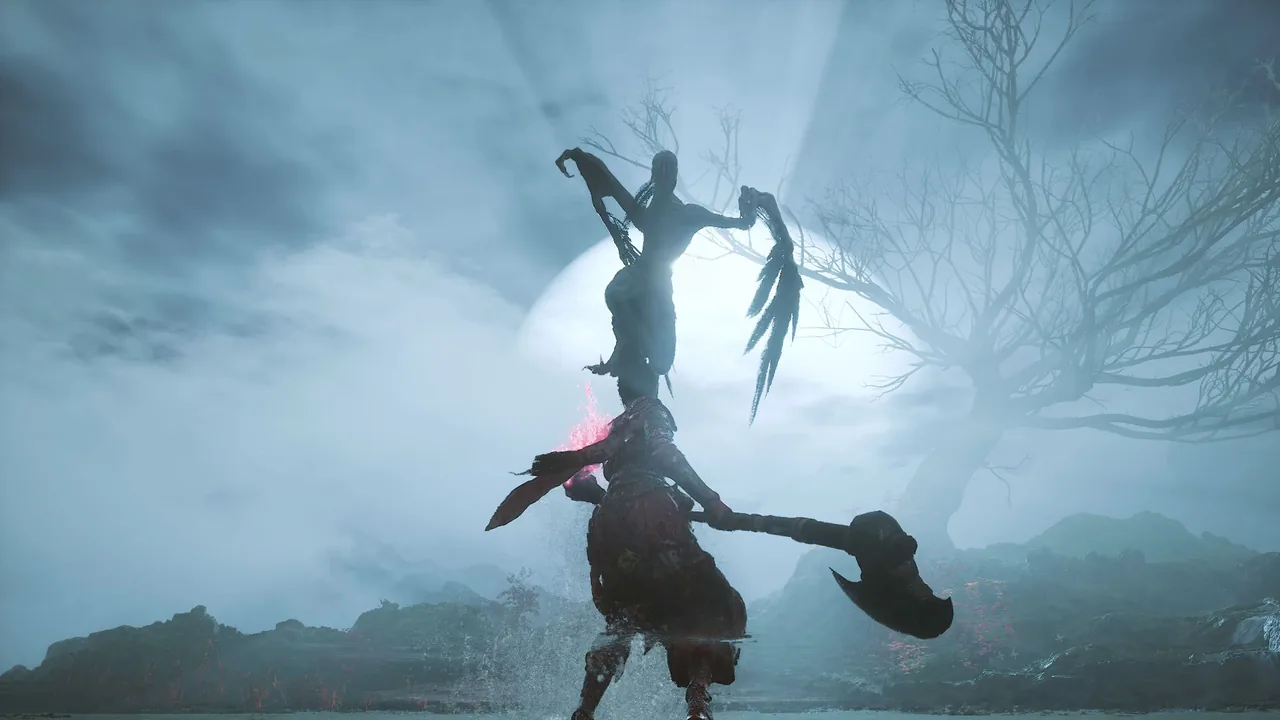
The setting carries it. The late Ming Dynasty in the land of Shu, unravelling under warring factions and a disease that turns people into monsters, is a period almost untouched in games, and Leenzee build it with confidence — architecture, armour and enemy design that feel researched rather than borrowed. Against the wave of soulslikes that reach for gothic Europe by default, that alone is worth something, and it sits comfortably beside Black Myth: Wukong as evidence that Chinese studios are doing the most interesting setting work in the genre.
Combat is solid rather than revelatory. It has its own texture — weapon forms, a madness mechanic tied to the plague, a skill tree with real spread — without reaching the precision of Sekiro or the density of Lies of P. The median playtime among English negative reviewers is 26 hours, and among recent reviewers 34.5, which tells you people are seeing it through rather than bouncing.
One sour note on monetisation. This is a NZ$72.95 single-player game that carries an In-App Purchases tag on its store page, alongside a Deluxe Upgrade Pack and a DLC entry that is, plainly, a skill-upgrade item. Nothing about that is required, and in practice it's easy to ignore, but selling progression items in a premium soulslike is exactly the sort of thing that erodes goodwill for negligible revenue.
Where it stands a year on
Leenzee patched steadily through 2025 — 1.5.1 in August, 1.6 in September, 1.7 in November — and the game reached 5 million players by its first anniversary in July 2026. Days later, 505 Games announced a sequel, to be made by Indolphinity, a new Chinese studio formed by the original director. Whatever the review page says, this was a commercial success and it has a future.
Current sentiment supports that. 82 of the last 100 English reviews are positive, with a 34.5-hour median playtime, which is a game being enjoyed rather than endured.
The verdict
Wuchang: Fallen Feathers gets a 7.5 — a good soulslike with an excellent setting, a rough launch it has largely repaired, and one genuinely bad decision in its history.
The performance problems that defined its first month are substantially fixed, and judging it on them now would be lazy. The combat is competent and the world is the most interesting thing about it. What keeps it out of the 8s is that it's a very good version of a familiar thing rather than a new idea, and that its developer demonstrated a willingness to revise a finished single-player story after players had bought and completed it — which is a trust problem more than a quality one, and one no patch resolves.
Buy it on discount if you want another twenty-five hours of soulslike in a world you haven't seen before, and ignore the badge on the store page. It isn't measuring your experience — it's measuring a different audience's launch week, a year ago.
Pros and cons
Pros
- The late-Ming Shu setting is genuinely distinctive, and the art direction makes good on it
- Combat is solid soulslike work with enough identity of its own to avoid feeling like a tribute
- Performance has improved enormously since launch — one reviewer measured 45-50fps rising to 85-90fps at the same settings after patch 1.3
- Supported through four substantial patches, and successful enough to reach 5 million players and greenlight a sequel
- Frequently discounted, and priced well below the AAA soulslikes it competes with
Cons
- Launched with serious Unreal Engine 5 problems, including forced upscaling and, for a period, no native resolution option
- Patch 1.5 changed story content after release, which a large cluster of English reviewers characterised as censorship and have not forgiven
- The same patch reduced enemy density in areas, breaking farming routes players relied on
- A premium single-player game carrying an In-App Purchases tag and a purchasable skill-upgrade item is a poor look
- Its overall Steam badge is close to useless as a guide for English-speaking buyers
Screenshots
-
WUCHANG: Fallen FeathersImage: 505 Games via Steam -
WUCHANG: Fallen FeathersImage: 505 Games via Steam -
WUCHANG: Fallen FeathersImage: 505 Games via Steam -
How the review scores each part of the gameWanderer Editorial -
The short versionWanderer Editorial