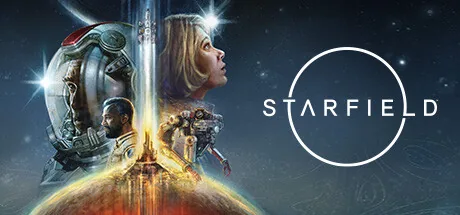
Game review
Starfield
6.5 / 10
- Developer
- Bethesda Game Studios
- Publisher
- Bethesda Softworks
- Released
- 5 September 2023
- Platforms
- Windows, Xbox Series X|S, PlayStation 5
- Genre
- Open World RPG
- Monetisation
- One-time purchase plus paid story expansions (Shattered Space, Terran Armada) and paid Creations — individually-priced mods and quests bought with an in-game currency.
- Players
- Single-player only
The short version
Starfield's problem was never that it's broken. Its problem is that a studio famous for making worlds you get lost in built a game where the main verb is opening a menu and selecting a destination. A thousand planets, and the way you experience nearly all of them is through a loading screen.
Bethesda have spent three years patching at that, and in April 2026 they finally addressed it directly: the Free Lanes update lets you fly between planets in a system rather than fast-travel between them. It works, it arrived with a second story expansion and a PlayStation 5 launch, and current sentiment has moved from 56% to around 64% positive. What it can't fix is the writing, the procedurally-generated emptiness, or the sense that this is a Bethesda game assembled from parts rather than grown.
Biggest strengths
- Gunplay and zero-gravity combat are genuinely good, and hold up across very long playtimes
- Ship building is a deep, generous system that a large part of the audience plays it for
- The April 2026 Free Lanes update finally allows real flight between planets, plus meaningful late-game gear and upgrade depth
Biggest weaknesses
- Exploration is mediated by menus and loading screens to a degree no patch has fully undone
- Procedurally generated planets repeat the same handful of points of interest across a very large map
- Writing plays it safe throughout, with a habit of telling rather than showing
Who it's for: Bethesda regulars who want another few hundred hours of looting, ship-building and side-quests, and who can enjoy a game on its own terms rather than against Skyrim. Players who came for exploration in the literal sense should understand what they're getting even now.
Our recommendation: Worth playing on discount, and meaningfully better than the game people reviewed in 2023 — the Free Lanes update is the one that should change your mind if anything does. At NZ$85.95 full price it's a hard sell; at 20% off with a hundred hours in it, less so.
6.5 / 10
The most striking number attached to Starfield isn't its 56.9% Mixed rating. It's the median playtime of the people who gave it that rating: across the hundred most-helpful English negative reviews, the middle value is 92.6 hours. The most-upvoted negative review in the game's history, with over eleven thousand votes, comes from someone with 135 hours. The one below it, 256 hours.
Nobody spends four days of their life on a game they think is bad. What that number actually describes is disappointment — the specific, bitter kind you only get from something you wanted to love and kept giving another chance. Understanding Starfield means understanding that distinction, and then asking a second question nobody asks about a three-year-old score: is it still true?
The charge sheet
The criticism is remarkably consistent, and it isn't about bugs.
The central complaint is that a game about space exploration made exploration into an interface task. For most of its life, moving anywhere meant opening a menu, selecting a destination and watching a loading screen. One widely-upvoted review skewers it precisely: a game about exploration "that delivers the thrill of opening your menu, selecting the fast travel option." Another calls the ship "nothing more than set-dressing for storage containers" attached to a simplistic combat minigame. In a game where you own a spaceship, you could not fly it from one planet to another.
Then the planets themselves. There are a thousand of them, generated procedurally, and players discovered quickly that the same handful of prefabricated points of interest recur across them with the same layouts and the same notes on the same desks. The scale is real; the density isn't.
Third, the writing. A 400-hour reviewer makes the sharpest version of it — the storytelling is "sterile and safe" with "a bad habit of telling instead of showing," and New Atlantis, sold as a sprawling capital city, is a handful of streets. Another puts the emotional case better than any critic did: Bethesda games "make you feel big in a big world. This game makes you feel small in a small world that is pretending to be big."
And fourth, comparison. Almost every negative review measures Starfield against Skyrim or Fallout 4 and finds regression. "Bethesda" appears in 67 of the 100 negatives. This is a game that was never allowed to be judged alone.
What's actually good
It would be dishonest to leave it there, because plenty of people have put hundreds of hours in happily and the reasons are concrete.
The shooting is the best Bethesda has ever produced — weighty, varied, and genuinely fun in zero gravity, where fights become three-dimensional in a way few shooters attempt. Even the 256-hour negative reviewer concedes it: "Starfield as an FPS is fun."
Ship building is a serious creative system, deep enough that a substantial part of the community treats it as the game. Outposts scratch the same itch. The best faction questlines — and the audience is fairly united on which those are — hold up against anything in Bethesda's back catalogue. The achievement data suggests real engagement too: 88.7% of players clear the opening, 79.1% the next milestone, and 74% reach another major beat, which is not the shape of a game people abandon in disgust.
The update that changed the argument
On 7 April 2026, Bethesda shipped the Free Lanes update, and it deserves to be the headline of any review written after that date.
Free Lanes adds a cruise mode that lets you fly between planets within a star system and out to points of interest in open space. That is, precisely, the thing everybody had been asking for since 2023 — the fix to the complaint at the top of this review. It arrived alongside a substantial late-game overhaul: X-Tech crafting for legendary effects, additional quality tiers, Rank 4 legendary rolls, upgrade modules, a buildable ship optimisation terminal, and a Quantum Entanglement Device that lets you carry items through the Unity, addressing a long-running frustration with the New Game Plus loop. The same day brought the Terran Armada story DLC and the PlayStation 5 launch.
It's the biggest single update the game has had, and it is not a cosmetic gesture. Bethesda have also, to be fair, been unusually persistent: more than a dozen patches, thousands of fixes, the REV-8 land vehicle, the Shattered Space expansion in September 2024, the Tracker's Alliance bounty series, and over a thousand Creations. In July 2026 they reported the game had reached 17 million players and said development continues.
Did it work? Partly, and measurably. Of the 100 most recent English reviews — posted between late July and early August 2026 — 64 are positive, against a lifetime figure of 56.2%. The median playtime in that recent sample is 90.5 hours, so this isn't a wave of first impressions; it's people deep in the game right now, recommending it at a distinctly better rate than the badge suggests.
That's the honest read: the lifetime score is a verdict on the 2023 release, delivered by people who mostly stopped playing years ago, and it no longer describes the product on sale. The negative reviews haven't stopped — 37 of the hundred most-helpful were written in 2025 and ten in 2026 — but the balance has shifted.
What can't be patched
Free Lanes fixes traversal. It doesn't fix what you traverse to.
The procedural planets are still procedural, the repeated points of interest still repeat, and no update has rewritten the dialogue or restaged New Atlantis. The deeper structural criticism — that this is Bethesda's established formula transplanted into a setting that actively punishes it, because space between destinations is by definition empty — is a design fact rather than a bug list. No Man's Sky is the obvious comparison and the instructive one: that game rebuilt itself over a decade into something genuinely different. Starfield has been improved rather than reimagined.
Paid Creations, which remain the sourest note
Two of the highest-voted negative reviews in the game's history aren't about design at all. They're about Bethesda selling individual quests through the Creations system — one reviewer counts "$7 for a quest in a game THAT YOU PAID $70 FOR," and notes the real cost is higher because you buy an in-game currency in fixed denominations rather than paying directly. Another, with nearly eight thousand votes, objects to the studio monetising the modding community that has historically extended its games for free.
Creations continue to this day, with new drops as recently as June 2026, and the model hasn't changed. You can ignore all of it, and the base game plus its two expansions is a complete experience. But on a game that still asks NZ$85.95 at full price, with NZ$34.95 and NZ$17.95 expansions on top, an à la carte quest store is a hard thing to defend, and the audience has never stopped saying so.
The verdict
Starfield gets a 6.5. That's a better score than its Steam badge and a worse one than its ambition, and both halves of that are deliberate.
It is a competent, enormous, well-supported RPG with excellent gunplay, a genuinely deep ship builder and a handful of very good questlines, and after the Free Lanes update it finally lets you fly your spaceship between planets, which is a sentence that shouldn't have taken three years to write. Anyone judging it by the 2023 consensus is judging a game that no longer exists, and the current reviewers — ninety hours deep, 64% positive — are the more relevant witnesses.
What holds it at 6.5 is that the fundamental thing is unchanged. A thousand shallow planets do not become interesting because you can now cruise between them; the writing is still cautious; and the whole remains a familiar template stretched over a setting too large for it. Bethesda made something vast and then filled it by algorithm, and no amount of diligent post-launch work has solved that, because it isn't a defect — it's the plan.
Buy it on discount, treat it as a very long looter-shooter with a great ship editor attached, and don't go in expecting the game where you get lost. Go to Skyrim for that, which is a strange thing to have to say about the newer game.
Pros and cons
Pros
- Gunplay and zero-gravity combat are genuinely good, and hold up across very long playtimes
- Ship building is a deep, generous system that a large part of the audience plays it for
- The April 2026 Free Lanes update finally allows real flight between planets, plus meaningful late-game gear and upgrade depth
- Extraordinarily well supported — more than a dozen patches, two story expansions, a land vehicle and over a thousand Creations since launch
- Its best faction questlines stand comparison with Bethesda's earlier work
Cons
- Exploration is mediated by menus and loading screens to a degree no patch has fully undone
- Procedurally generated planets repeat the same handful of points of interest across a very large map
- Writing plays it safe throughout, with a habit of telling rather than showing
- Selling individual quests as paid Creations inside a full-price game drew sustained anger and hasn't stopped
- It is recognisably a Bethesda template applied to space rather than a new idea
Screenshots
-
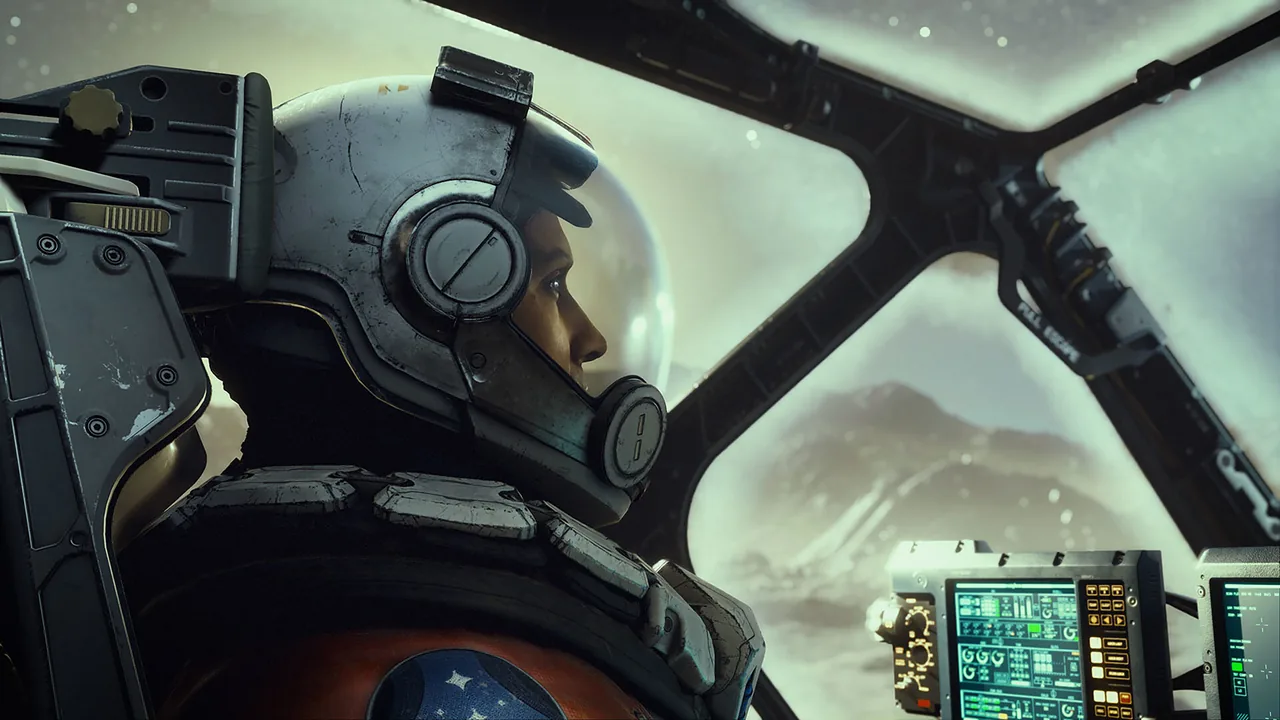
StarfieldImage: Bethesda Softworks via Steam -
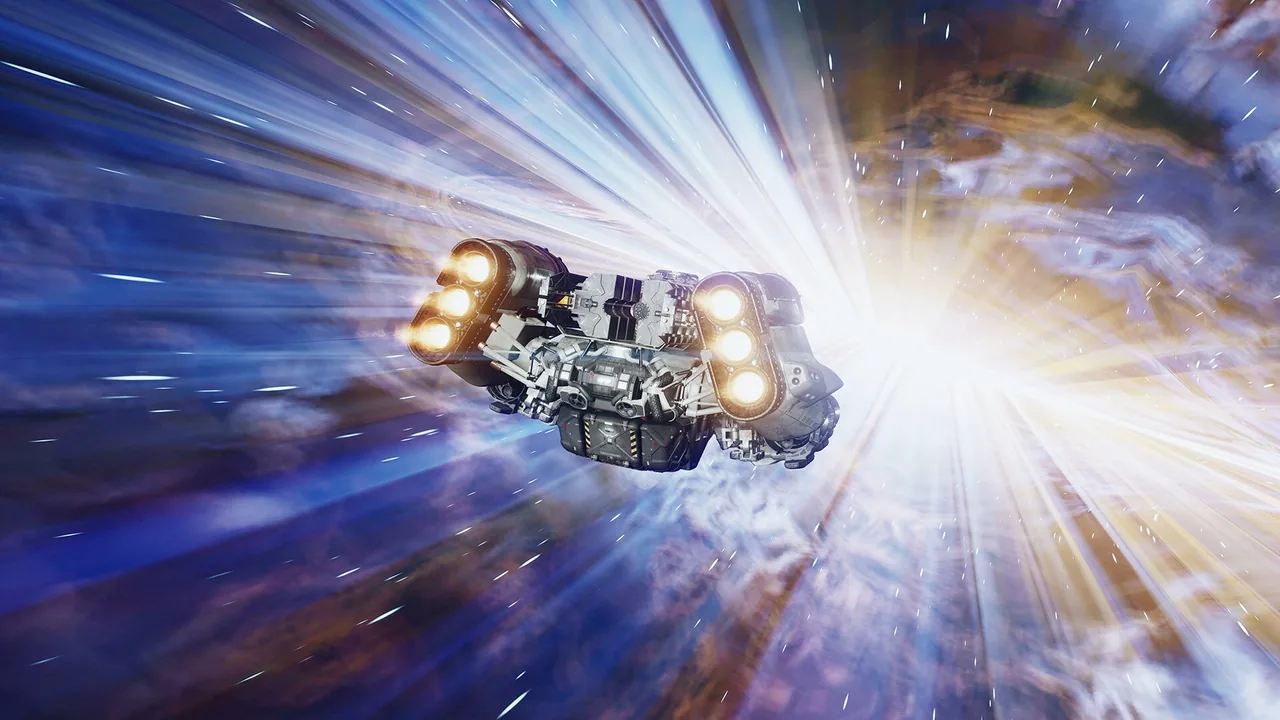
StarfieldImage: Bethesda Softworks via Steam -
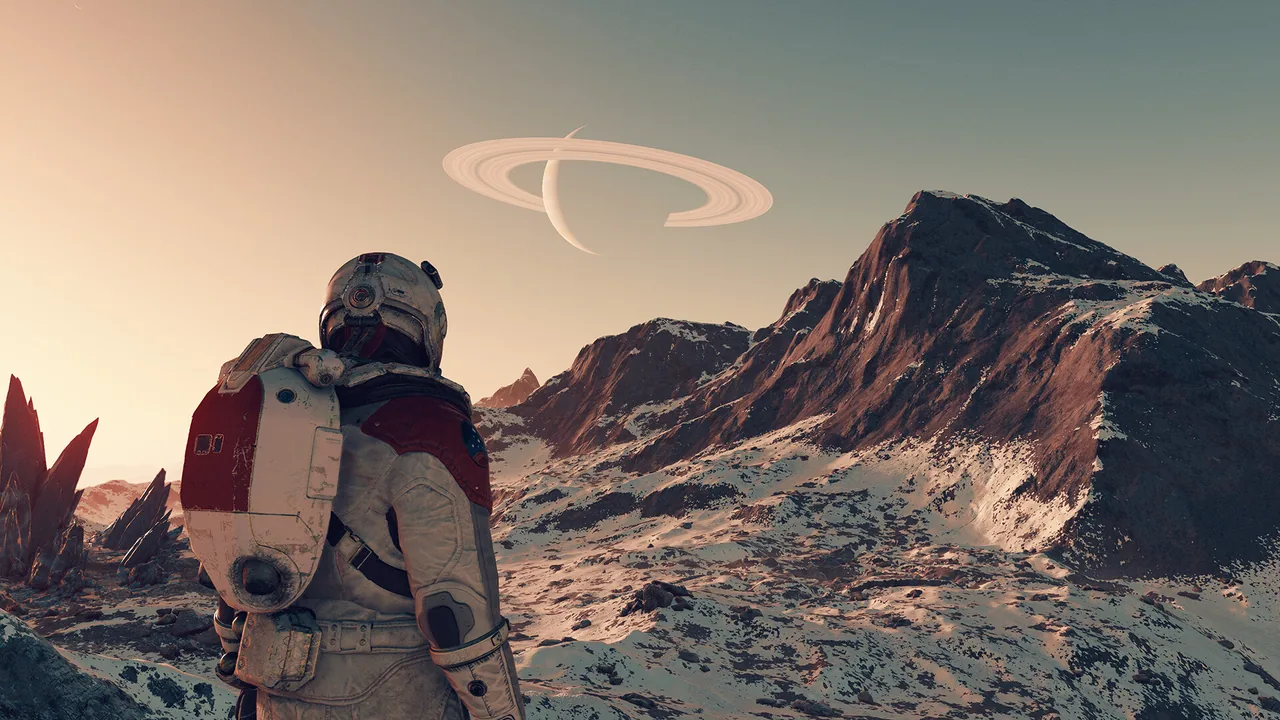
StarfieldImage: Bethesda Softworks via Steam -
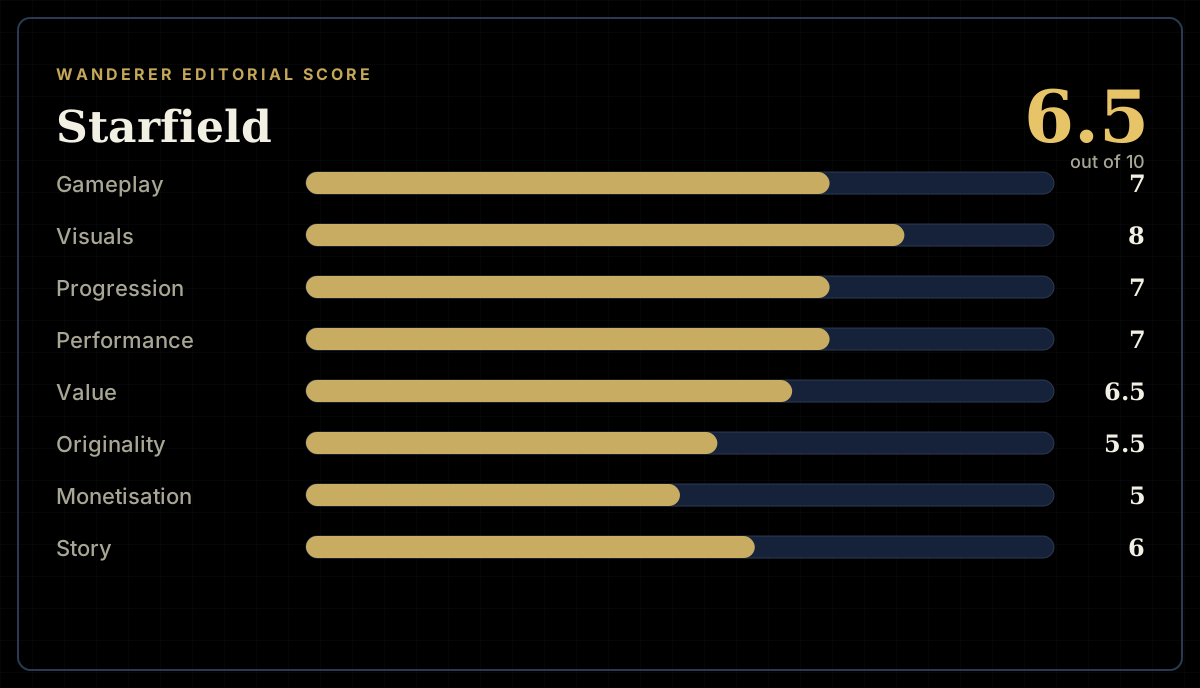
How the review scores each part of the gameWanderer Editorial -
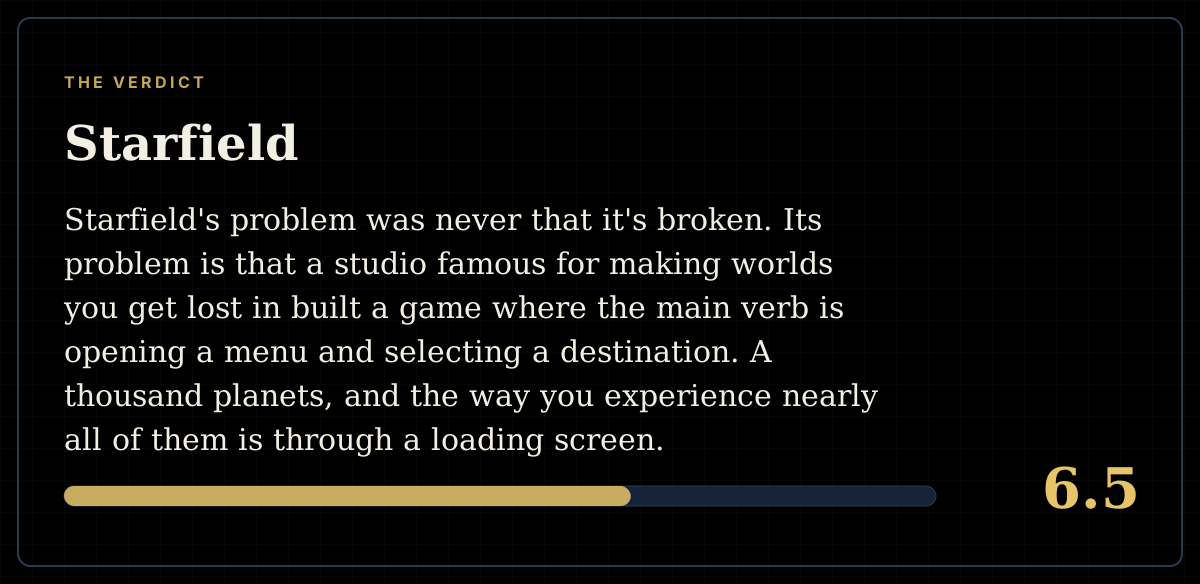
The short versionWanderer Editorial