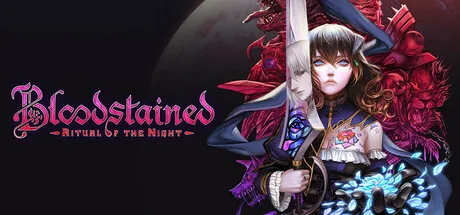
Game review
Bloodstained: Ritual of the Night
7.5 / 10
- Developer
- ArtPlay
- Publisher
- 505 Games
- Released
- 18 June 2019
- Platforms
- Windows
- Genre
- Action RPG / Metroidvania
- Monetisation
- One-time purchase at NZ$58.95, no discount as of 13 August 2026. Optional cosmetic DLC packs (roughly NZ$3.95-4 each) and a soundtrack DLC; no loot boxes, gacha or subscription.
- Players
- Single-player campaign; local and online co-op / PvP added in later free updates
The short version
Bloodstained: Ritual of the Night is the game a 2015 Kickstarter promised: a dense, generous, Symphony of the Night-shaped Metroidvania built by the producer who made that formula famous, backed by five years of largely free post-launch content (new playable characters, a randomizer, Classic and Chaos modes, crossovers). Steam's lifetime score is Very Positive at 93.1% of 41,528 reviews.
Seven years on, though, the game has aged in a very specific, dateable way: a December 2025 update switched its launcher to require Epic Online Services, breaking offline and Steam Deck play for a meaningful slice of the audience and dragging the last-30-days score down to Mostly Positive (79% of 149 reviews). A sample of 79 English-language negative reviews shows 28 of them -- more than a third -- naming Epic or ESO directly, alongside older, steadier complaints about clunky movement, crash reports and a difficulty curve locked behind a first clear.
Biggest strengths
- A deep, generous progression system -- hundreds of craftable weapons, shards and accessories -- that rewards the kind of obsessive exploration the genre is built around
- Michiru Yamane's soundtrack is a clear, near-universal strength across positive and negative reviews alike
- An unusually generous five years of mostly free post-launch content: new playable characters, Randomizer mode, Classic mode, Boss Revenge, and crossovers with Kingdom Two Crowns, Child of Light and Journey
Biggest weaknesses
- A December 2025 update requires Epic Online Services to launch, which has broken offline play and Steam Deck use for some owners and is the single most common complaint in the current negative-review sample (28 of 79 sampled)
- Movement and combat draw a steady stream of "clunky", "stiff" and "unresponsive" complaints, especially from players coming from more modern Metroidvanias
- Crash reports -- fatal errors, crashes to desktop, and one repeatedly-mentioned crash right after the final boss -- appear across both the recent Epic-related wave and older reviews
Who it's for: Metroidvania and Castlevania fans who want the closest thing to a new Symphony of the Night, and who are willing either to accept an always-online Epic account requirement or to hunt down the workarounds the community has published for it. Less suited to players who specifically want a fully offline, DRM-light single-player game, which is exactly what this used to be.
Our recommendation: Still a genuinely strong, content-rich Metroidvania worth playing for the exploration, crafting depth and Michiru Yamane's score -- but check current player discussions about the Epic Online Services requirement before buying, since it materially changes what you're getting compared to the game's first five years on sale.
7.5 / 10
Koji Igarashi's name is inseparable from one specific shape of game: the sprawling, backtrack- friendly, RPG-mechanics castle crawl that Castlevania: Symphony of the Night defined in 1997 and that a decade and a half of "Igavania" sequels refined afterward. When Konami's interest in that formula cooled, Igarashi left in 2014 and, a year later, put up a Kickstarter for a spiritual successor built with nobody's permission but his own. It asked for $500,000 and raised $5.5 million — more than eleven times its goal, at the time one of the biggest video game crowdfunding campaigns ever run. Bloodstained: Ritual of the Night is the game that money bought, and after slipping from a planned 2017 release to June 2019, it shipped as almost exactly what backers were promised: a new castle, a new heroine, and the Symphony of the Night formula rebuilt from the outside by the person who built it the first time.
Seven years later, reviewing it means asking two separate questions that a launch review couldn't: does the game itself hold up, and has anything changed about how you get to play it. The second question turns out to matter a great deal more than usual, because in December 2025 something did change, and it shows up clearly in the review data.
The game itself: a generous, familiar castle
Bloodstained casts you as Miriam, an orphan cursed by alchemists to slowly crystallize into a living weapon, sent to stop a fellow test subject from summoning a demon-infested castle and using it to end humanity. The plot exists mostly to justify the castle, and the castle is the point: a huge, interconnected map that opens up gradually as you find double-jumps, dash moves and transformation abilities, in exactly the rhythm players of Symphony of the Night or the Order of Ecclesia-era Igavanias will recognize instantly.
What sets it apart from a straight retread is the shard system layered on top of ordinary RPG loot. Every enemy in the castle can drop a "shard" that grants Miriam a new active or passive ability — a projectile, a summon, a stat buff, sometimes a whole new movement option — and those shards stack with a deep crafting system for weapons, armour and food that turns exploration into a constant trickle of small upgrades. It's a system built for the genre's most compulsive players, the ones who backtrack through cleared rooms because a new ability might open a previously-locked door, and reviewers consistently single it out as the game's strongest hook. Michiru Yamane, the composer behind Symphony of the Night's soundtrack, returns here too, and her score draws close to universal praise even from reviewers who are otherwise lukewarm on the rest of the game — it's one of the few things that shows up as a compliment inside negative reviews almost as often as inside positive ones.
Where the game is more divisive is in how it feels to actually move and fight. A steady, ongoing stream of negative reviews — not concentrated in any particular period, but present throughout the sample checked for this review — describes Miriam's movement and combat as "clunky," "stiff" or simply outdated next to more recent Metroidvanias like Hollow Knight or Dead Cells. "Mechanically feels like it was made 20 years ago," reads one representative complaint, and several others specifically miss having a proper dash or evade option. This is a real, consistent thread rather than a vocal minority repeating one bad take — it shows up from players with wildly different playtimes, from under an hour to well over a thousand, which suggests it's a genuine mechanical preference gap between Igavania-style tank controls and the more mobile combat modern Metroidvanias have trained players to expect, rather than a bug or a balance issue that patches would fix.
At launch, Metacritic settled at 83 on PC and PS4, 84 on Xbox One and a noticeably softer 74 on Switch, where input lag, washed-out visuals and frame-rate stuttering were the specific, well- documented complaints — a familiar story for a 2.5D game squeezed onto weaker hardware, and one later patches improved without fully solving.
Five years of content nobody had to pay for
What's genuinely unusual about Bloodstained, and worth crediting on its own, is how much came after launch and how little of it cost extra. Following a release strategy closer to Shovel Knight than most single-player RPGs, ArtPlay kept adding substantial free content for roughly five years: Zangetsu as a fully separate playable character and a Randomizer mode in May 2020, Boss Revenge and a Chroma Wheel accessibility option in July 2020, a new character named Bloodless that November, a full from-scratch Classic Mode and a Kingdom Two Crowns crossover in January 2021, Child of Light's Aurora as a playable character in March 2022, a Journey crossover that August, and a final Chaos Mode plus a Versus mode as late as May 2024. Sales crossed one million units by June 2020 and two million by September 2023 — healthy, sustained numbers for a crowdfunded game five years past release, and a reasonable sign that the free content strategy worked as a retention tool rather than just goodwill.
That's the context that made Bloodstained a fixture on "still worth buying years later" recommendation lists, and for most of its life the Steam data backed that up: a stable Very Positive score built on genuine ongoing support rather than a one-time launch spike.
What actually changed: December 2025 and Epic Online Services
The specific, dateable thing that makes this a different game to review in August 2026 than it would have been a year ago is a December 2025 update that switched how the PC version launches. Where the game previously ran directly from its own executable — a normal, DRM-light single-player Steam game — it now starts through an Epic Online Services installer that calls the real executable afterward. For players who already have an Epic account configured, this is often a non-event. For players who don't, who have Epic blocked at the network level for privacy reasons, or who rely on Steam Deck's more locked-down environment, the practical result has ranged from an unwanted account-creation prompt to the game simply refusing to start.
The review data shows this isn't a marginal complaint. Checking the store page's own review breakdown: the lifetime score sits at Very Positive, 93.1% of 41,528 reviews across all languages, but the last 30 days — measured from mid-August 2026, well after the December 2025 change — sits at Mostly Positive, 79% of 149 reviews. That's a real, measurable gap between the game's reputation built over five and a half years and how it's actually landing with people installing it right now. Pulling a 79-review English-language negative sample confirms it directly: 28 of those 79 reviews — more than a third — name Epic or Epic Online Services specifically as their reason for voting the game down, spanning dates from 2026-05-15 through as recently as 2026-08-13, the day this review was checked, and several are from owners with thousands of hours already logged who are frustrated at losing access to a game they'd already finished. "Years after release the game now requires a connection to Epic's cross-platform services," reads one, from a player with nearly four thousand recorded hours in the game. "You can't play this without allowing Epic Games' spyware to run on your system," reads another, from a reviewer with over 13,600 hours — someone who by any reasonable measure already got their money's worth, still angry enough to flip their long-standing recommendation. A community-written Steam guide on removing the Epic Online Services dependency, and multiple ongoing forum threads about offline play and reverting to older game builds, are further signs this is a live, unresolved point of friction rather than a launch- week hiccup that quietly faded.
It's worth being precise about what this is and isn't. It isn't the base game getting worse — the castle, the shard system, Yamane's music and the crafting depth are all unchanged. It's a DRM and distribution decision, made more than six years after launch, that has functionally taken away a property some buyers specifically valued: a fully offline, no-account-required PC game. For a review written today, that's not a footnote — it's the single biggest thing that's different about buying this game now versus buying it any time in its first five and a half years on sale.
Other recurring complaints, before and after
Setting the Epic issue aside, the negative-review sample surfaces a smaller but consistent set of older complaints. Crash reports — fatal errors, crashes to desktop, and one specific, repeated complaint about the game crashing or minimizing right after the final boss fight — appear across both the recent wave and reviews unrelated to the Epic change, suggesting some underlying stability issues independent of the launcher swap. A handful of reviewers criticize the difficulty curve specifically, noting that harder difficulty options are locked behind finishing a first playthrough — an odd design choice for a genre whose replay value usually comes from exactly that kind of harder second run. And several reviewers, unprompted, compare the price directly to the original Symphony of the Night and find NZ$58.95 with no active discount steep for a 2019 game, even a well-supported one.
The global achievement data backs up a game that most buyers who start it do finish: the most commonly earned achievement sits at 93.9%, likely an early-game milestone, followed by a real but gradual falloff through the 50-80% range for main-story progress markers. The tail is steep, though — a cluster of achievements, almost certainly tied to the later Chaos Mode, Classic Mode and post-game content added across 2020-2024, sit at just 0.6% completion, the expected shape for bonus modes added years after most players had already moved on.
Verdict
Bloodstained: Ritual of the Night earned its Very Positive reputation honestly: it's a deep, handsome, generously-supported Metroidvania made by the person who invented the genre's modern template, with five years of substantial free content behind it and a soundtrack that draws praise from nearly everyone who plays it. The steady, independent complaints about stiff combat and a back-loaded difficulty curve were true at launch and remain true now — real limitations, but ones that haven't changed the game's fundamental standing.
What has changed is access. A December 2025 shift to requiring Epic Online Services has visibly cost the game goodwill in exactly the players who'd already invested the most time in it, dragging a stable multi-year Very Positive average down to Mostly Positive in the most recent 30 days. If you already own it and it still launches cleanly for you, nothing about the game itself has moved. If you're deciding whether to buy it today, that's genuinely worth checking first — a search for "Bloodstained Epic Online Services" will turn up the current state of workarounds and community sentiment faster than this review can stay current on it.
7.5 out of 10. A genuinely strong, content-rich Metroidvania whose biggest problem in 2026 isn't its combat or its price — it's a distribution decision made six years after launch that has made the game meaningfully harder to simply play offline.
Pros and cons
Pros
- A deep, generous progression system -- hundreds of craftable weapons, shards and accessories -- that rewards the kind of obsessive exploration the genre is built around
- Michiru Yamane's soundtrack is a clear, near-universal strength across positive and negative reviews alike
- An unusually generous five years of mostly free post-launch content: new playable characters, Randomizer mode, Classic mode, Boss Revenge, and crossovers with Kingdom Two Crowns, Child of Light and Journey
- Genuine Kickstarter-to-shipped-game success story, with sales past two million units by 2023
Cons
- A December 2025 update requires Epic Online Services to launch, which has broken offline play and Steam Deck use for some owners and is the single most common complaint in the current negative-review sample (28 of 79 sampled)
- Movement and combat draw a steady stream of "clunky", "stiff" and "unresponsive" complaints, especially from players coming from more modern Metroidvanias
- Crash reports -- fatal errors, crashes to desktop, and one repeatedly-mentioned crash right after the final boss -- appear across both the recent Epic-related wave and older reviews
- Full price sits at NZ$58.95 with no discount active as of this review, which several reviewers call steep for a 2019 release
Screenshots
-
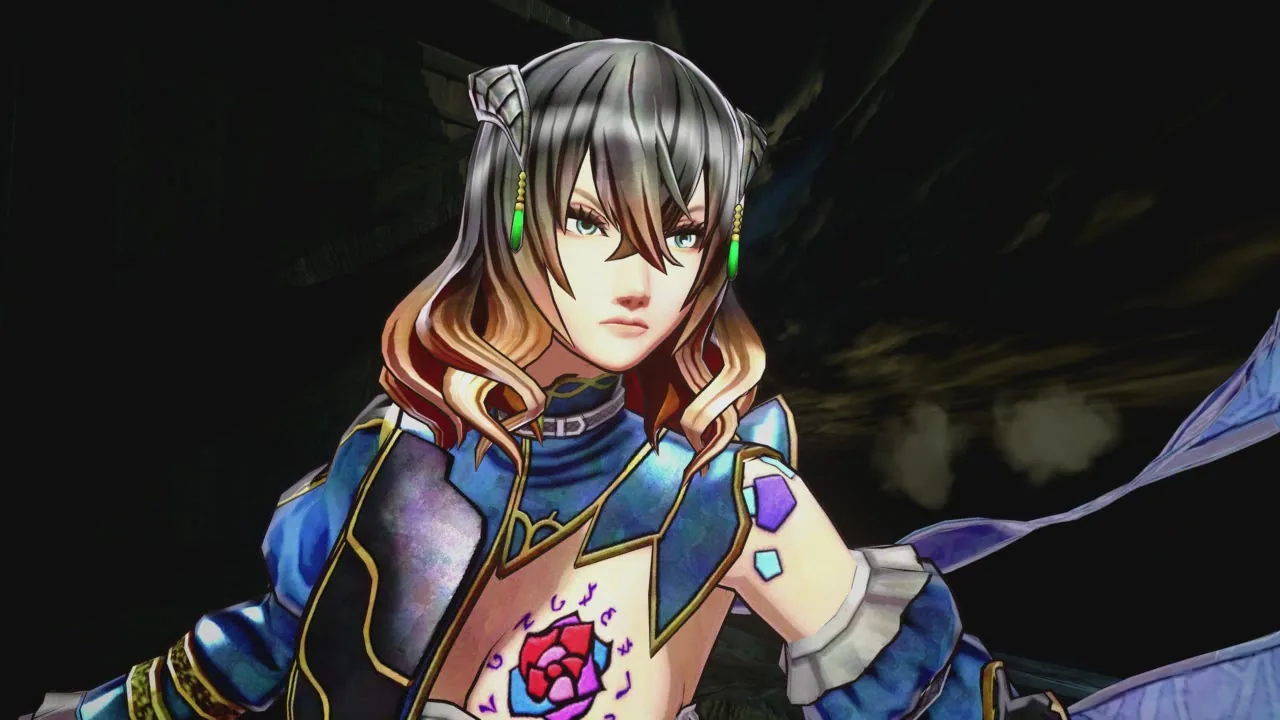
Bloodstained: Ritual of the NightImage: 505 Games via Steam -
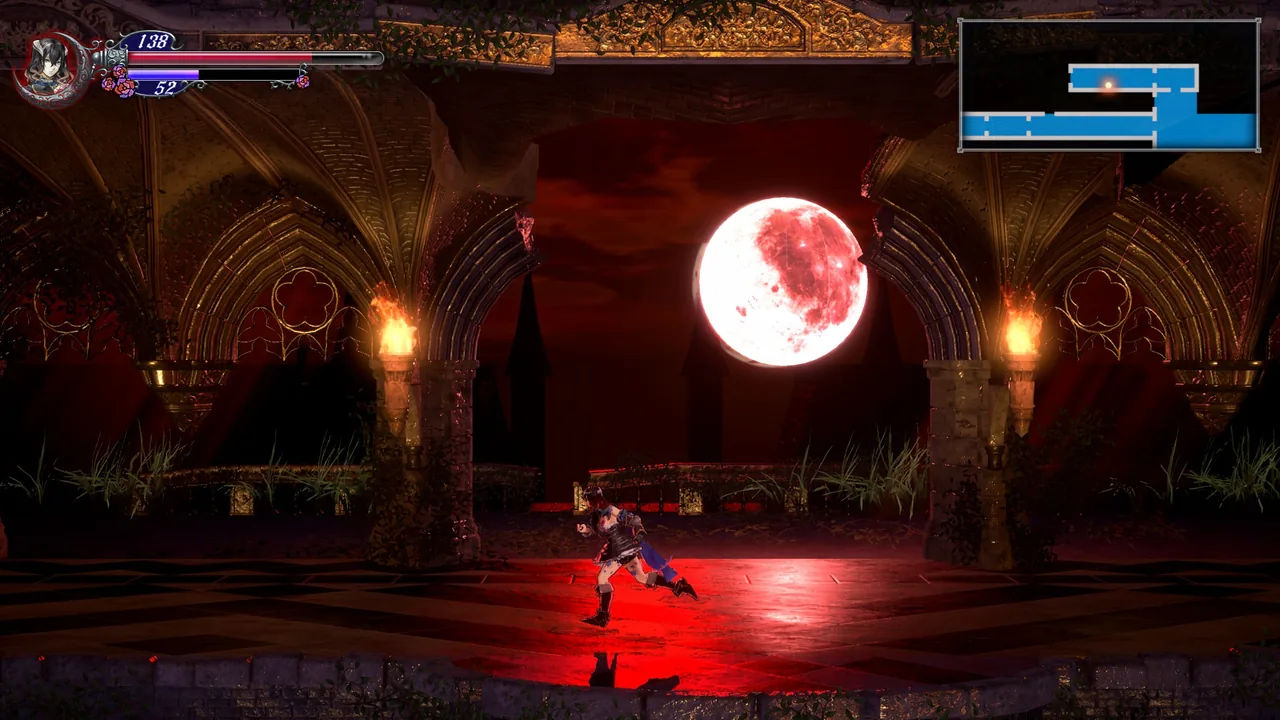
Bloodstained: Ritual of the NightImage: 505 Games via Steam -
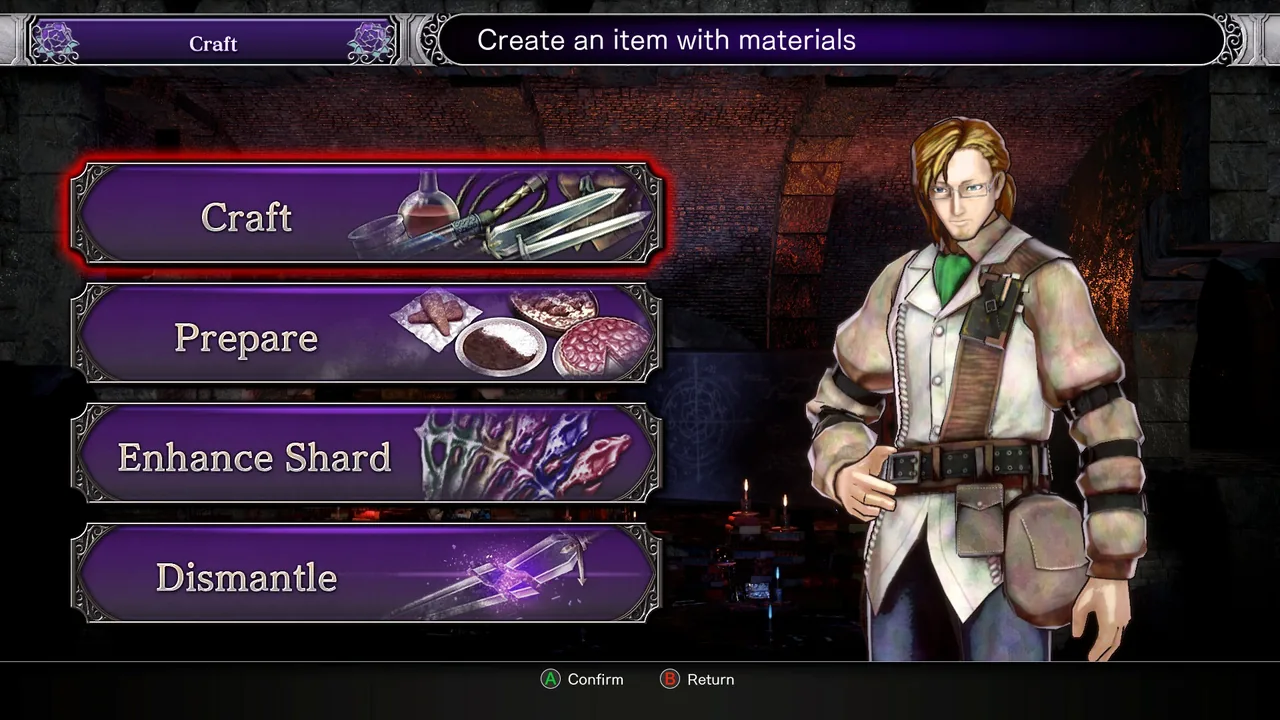
Bloodstained: Ritual of the NightImage: 505 Games via Steam -
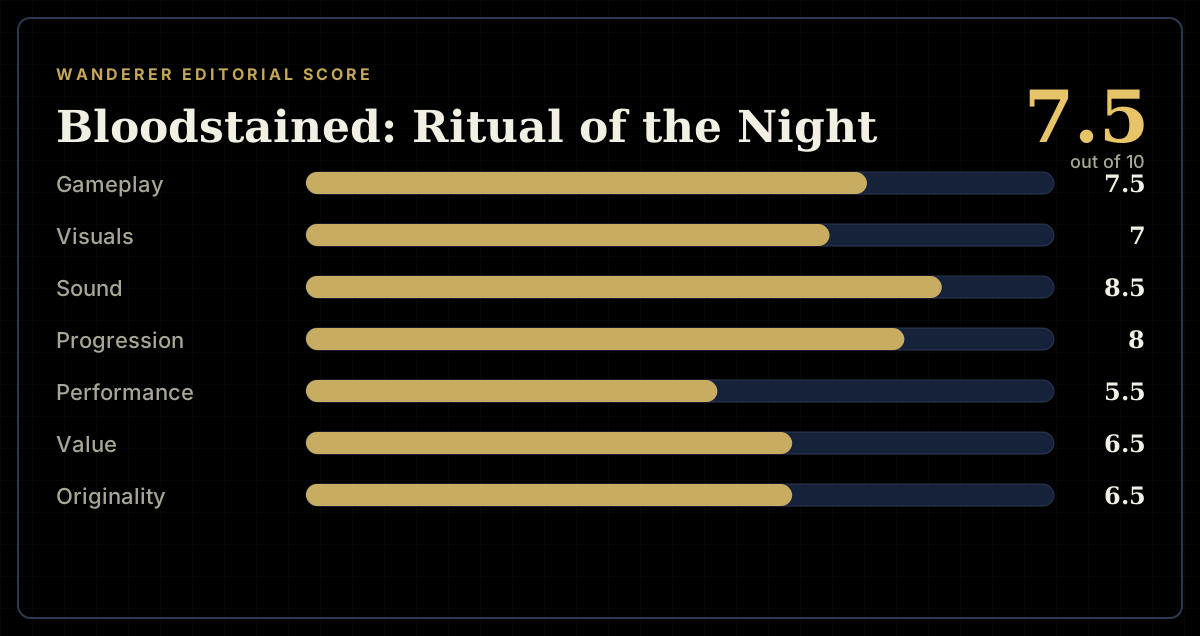
How the review scores each part of the gameWanderer Editorial -
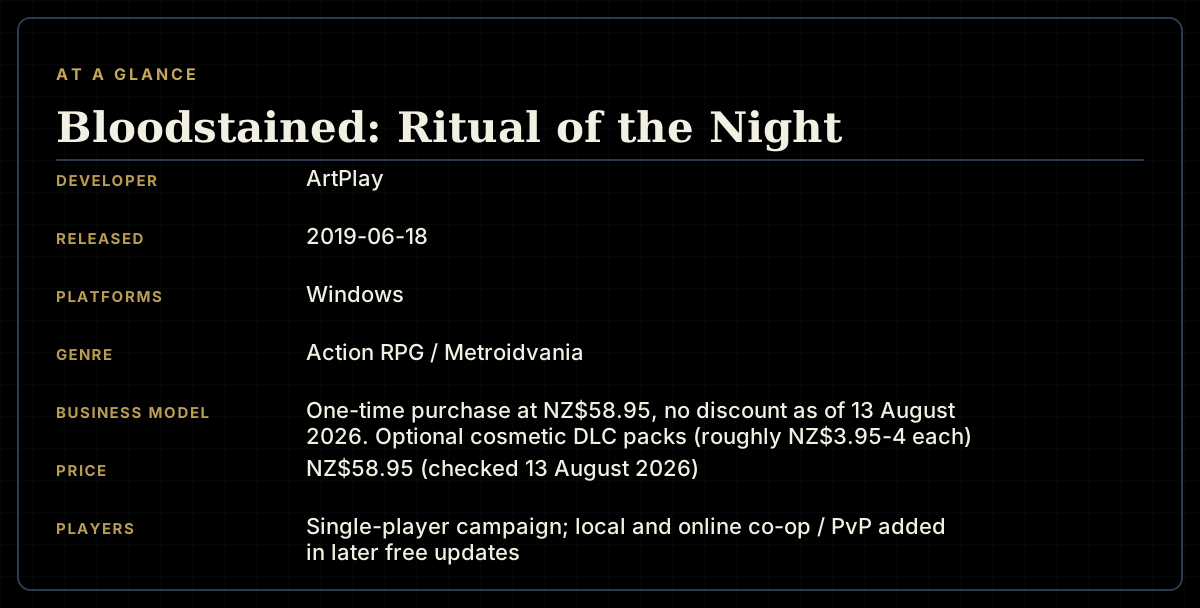
The essentialsWanderer Editorial -
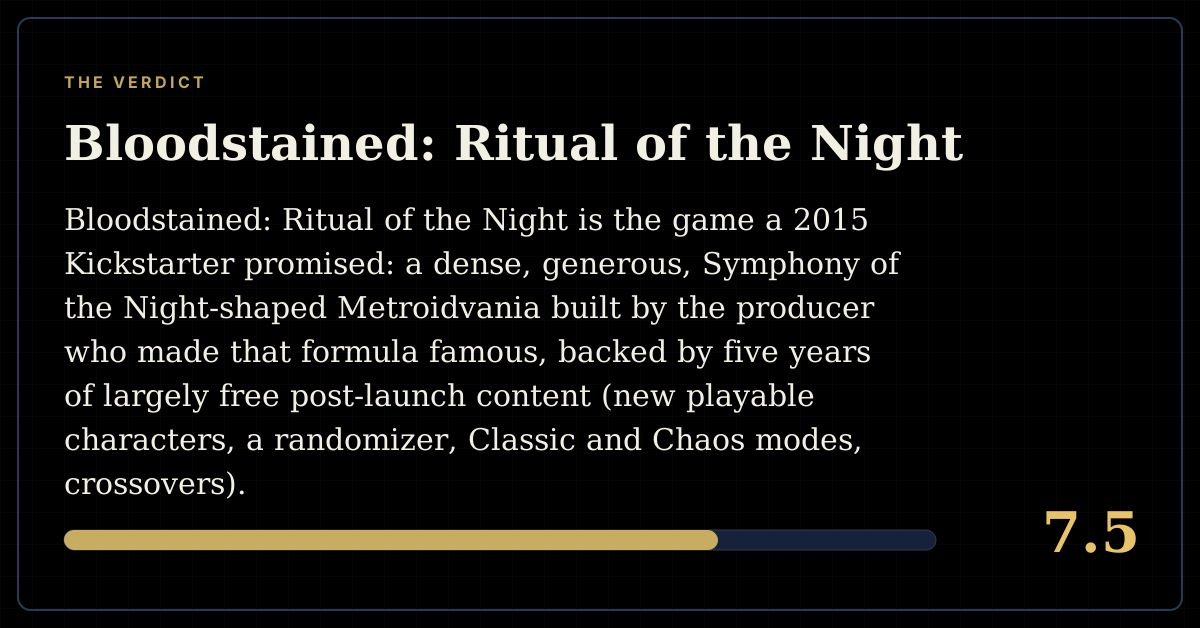
The short versionWanderer Editorial