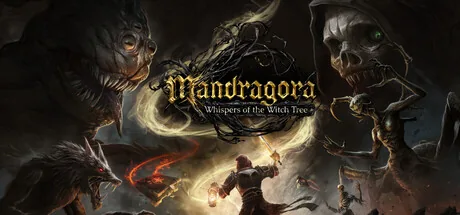
Game review
Mandragora: Whispers of the Witch Tree
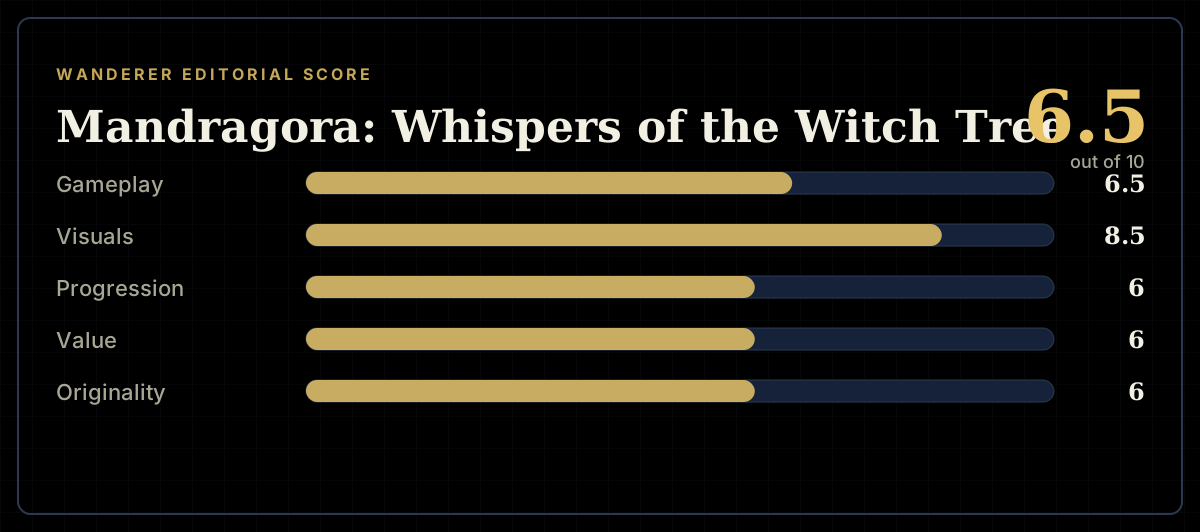
6.5 / 10
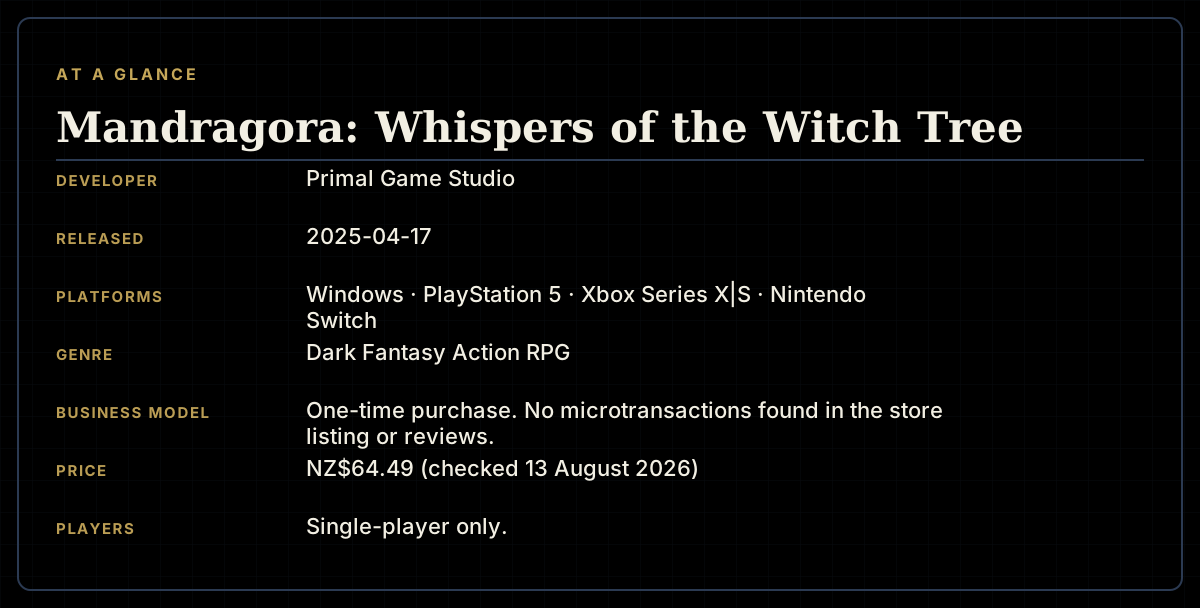
- Developer
- Primal Game Studio
- Publisher
- Knights Peak
- Released
- 17 April 2025
- Platforms
- Windows, PlayStation 5, Xbox Series X|S, Nintendo Switch
- Genre
- Dark Fantasy Action RPG
- Monetisation
- One-time purchase. No microtransactions found in the store listing or reviews.
- Players
- Single-player only.
The short version
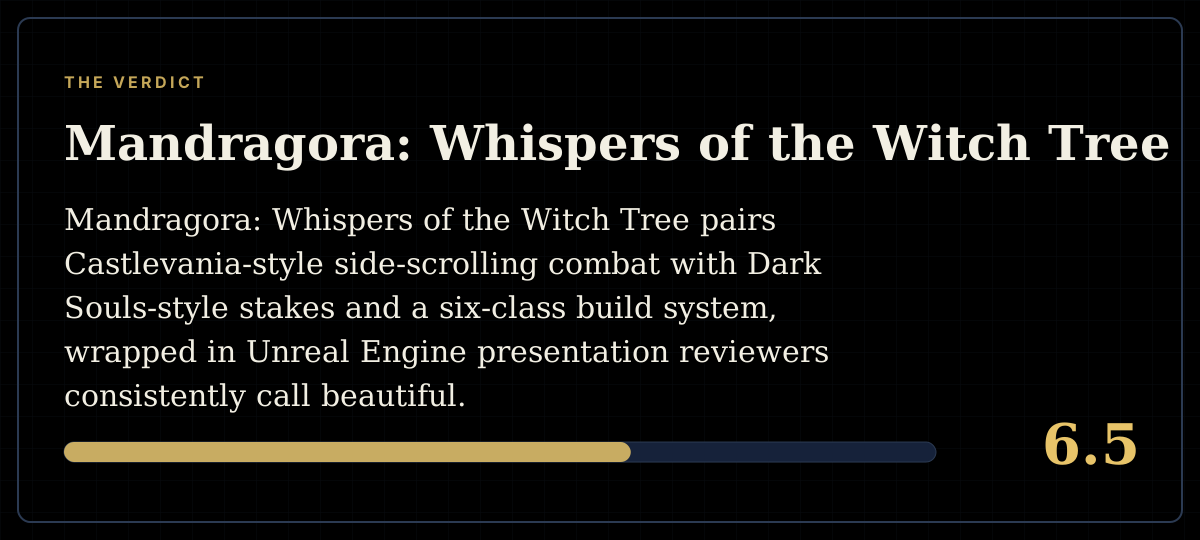
Mandragora: Whispers of the Witch Tree pairs Castlevania-style side-scrolling combat with Dark Souls-style stakes and a six-class build system, wrapped in Unreal Engine presentation reviewers consistently call beautiful. It sits at Mostly Positive, 79.3% of 1,200 Steam reviews, on the strength of a genuinely strong opening act -- but a large, detailed share of the negative sample describes the same arc almost identically: a great first several hours giving way to reused bosses, thin weapon variety and grinding backtracking by the midgame.
Its launch was also briefly overshadowed by a real controversy: an initial installer EULA, inherited from publisher-side legal boilerplate rather than written for this specific game, that players flagged as requesting broad data-collection permissions with no way to decline and still play. Publisher Knights Peak responded directly -- removing telemetry and data collection entirely in a subsequent patch and clarifying that unrelated legal documents had been bundled in by mistake -- and the resolution was well received by the community that had raised the alarm.
Biggest strengths
- A striking, Unreal Engine-powered dark fantasy world that draws close to universal praise for its art direction and presentation, several reviewers comparing it favourably to Trine's visual polish
- Six distinct playable classes with real build variety and voice-acted storytelling that's unusually strong for the genre, several completionist reviewers logging 30-plus hours across multiple playthroughs
- Responsive combat and legible enemy animations that a clear number of reviewers say keep fights fair rather than frustrating, at least through the game's stronger early stretch
Biggest weaknesses
- A widely and specifically reported drop-off in quality partway through -- reused bosses (some reviewers count the same encounter recycled five or more times), backtracking-heavy level design, and combat that several reviewers describe as reducing to two or three buttons for most of the runtime
- A real, documented launch-week controversy over an inherited EULA requesting broad data-collection permissions with no opt-out, serious enough that multiple reviewers built firewall rules to block the game's network access before the publisher removed it
- No ultrawide monitor support, confirmed by the developers as a deliberate design choice rather than a bug, according to reviewers citing the game's Discord
Who it's for: Metroidvania and soulslike fans who want a visually striking, story-driven entry with real class variety, and who can tolerate the genre's difficulty spikes and some mid-game repetition. Less suited to players who want tight, non-repetitive boss design throughout, or anyone still wary of the launch-week data-collection concerns without having checked that they've been resolved.
Our recommendation: Worth playing for its first half alone, and a reasonable buy on sale for fans of the genre who go in expecting the back half to lean on its systems rather than introduce many new ones -- just install the current build, since the EULA that alarmed early buyers has since been withdrawn.
6.5 / 10
Mandragora: Whispers of the Witch Tree wants to be several things at once -- a Castlevania-style side-scrolling metroidvania, a Dark Souls-style test of patience and precision, and a six-class action RPG with real build depth -- and released across PC, PlayStation 5, Xbox Series X|S and Nintendo Switch on 17 April 2025 from Primal Game Studio and publisher Knights Peak, it largely pulls that combination off for its opening hours. Its 79.3% positive, Mostly Positive standing across 1,200 Steam reviews tells an honest story about what happens after those hours end, and a separate, resolved story about a launch-week controversy worth knowing before you install it.
A genuinely strong opening act
Reviewers, positive and negative alike, tend to agree on where Mandragora starts. "The game starts great, beautiful art style, simple yet snappy combat... first few hours are fun," reads one detailed negative review, echoing language that shows up across the sample almost word for word. The Unreal Engine presentation draws consistent, specific praise -- "audio and visual is extremely beautiful," reads one; another compares its look favourably to the Trine series' painterly fantasy visuals. Six playable classes give real build variety, backed by voice-acted storytelling several reviewers single out as unusually strong for a genre that often treats narrative as an afterthought: "the story is fairly engaging and coherent with actual voice acting, which is often not something you see in the genre," reads one review. Completionist accounts -- 30 and 35 hours logged, full quest and bounty completion, multiple planned playthroughs with different classes -- back up that the systems have real depth for players who want to dig in.
Where a large share of reviewers say it falls apart
The negative sample's most consistent, most specific complaint is that this strong opening doesn't hold. "The longer I played, the more issues and nonsensical gameplay choices I encountered," reads one long review, going on to describe boss and enemy variety thinning noticeably by the midgame. Boss recycling is the single most repeated specific complaint: "they recycle the Rat and Sailor / Undertaker bosses SO MANY TIMES I had to quit out of pure boredom," reads one; "an entire biome dedicated entirely to nonsensically rehashing monsters and minibosses," reads another. A vivid image from a third review captures the shape of the complaint concisely: "the meme of the horse drawing where the first half is on fire and good looking and the second half is like a child's drawing." Combat depth draws a related complaint -- several reviewers describe the moment-to-moment loop narrowing to two or three buttons of actual use despite an elaborate skill-tree structure on paper, with cross-tree skill requirements reviewers say discourage the build experimentation the system otherwise invites.
A sharper, more specific complaint concerns pacing around boss fights themselves: multiple reviewers describe long respawn-to-boss corridors filled with enemies capable of one-shotting the player, turning an already-difficult encounter into a repeated endurance run just to get back to it. "Games fun but the devs clearly never played their own game," reads one review on exactly this point, describing a respawn point "5-10 minutes away from every boss with 5-30 mobs that can all oneshot you on the way."
It's worth noting this isn't a unanimous account -- a meaningful number of positive reviews explicitly push back on the negative consensus, several referencing outside criticism directly: "I dunno why IGN and reddit gave this game such a hard time. It's a really good soulsvania game," reads one. Others acknowledge the same flaws the negative reviews describe and simply weigh them differently: "The game should be better than it is, but it's not... it's fine," reads a positive review that still recommends the game, on sale, despite conceding most of the same criticisms.
The EULA controversy, and how it was resolved
Around launch, a real controversy developed over Mandragora's installer terms. Several early reviews flagged that the game presented an end-user licence agreement -- reportedly bundled from publisher-side legal boilerplate covering multiple unrelated titles rather than written specifically for this game -- that appeared to request broad data-collection permissions, with no option to decline the terms and still install the game. "The EULA, oh god the EULA... a long long list of companies you sell my data to," reads one review from launch week; another reports the opt-out option only appearing on a second launch, after the game had already been installed once under the original terms. The concern was serious enough that at least one player posted instructions for using Windows Firewall to block the game's outbound network connections entirely, and a positive review from the same period jokingly title-cased it "russian spyware" while still recommending the underlying game.
To the team's credit, this is a story with a real resolution rather than an ongoing problem. Publisher Knights Peak posted an official update on Mandragora's Steam Community hub, dated 21 April 2025, stating plainly that "we have decided to remove all telemetry and data collection from Mandragora, effective immediately," confirming the change shipped in patch 1.2.7 and describing the result as "a fully offline experience without any information transferred or collected." The same post confirmed some of the originally bundled legal documents weren't actually related to Mandragora, stated no data had been sold to third parties, and provided a contact address for data erasure requests. That response was well received by the community that raised the concern in the first place. Anyone still hesitant about this specific issue should know it's resolved in current builds, not merely disputed.
Verdict
6.5 out of 10. Mandragora: Whispers of the Witch Tree earns real credit for a first act that lives up to its Castlevania-meets-Dark-Souls pitch -- striking presentation, genuine class variety and voice-acted storytelling that punches above the genre's usual weight. It loses ground for a back half that a large, specific share of its own reviewers describe as leaning on recycled bosses and thinning combat variety rather than building on its opening promise, and for a genuinely alarming launch-week data-collection dispute that, while now resolved, is worth knowing happened. Play it for the first half you'll almost certainly enjoy, and go in with tempered expectations for where the back half takes those systems.
Pros and cons
Pros
- A striking, Unreal Engine-powered dark fantasy world that draws close to universal praise for its art direction and presentation, several reviewers comparing it favourably to Trine's visual polish
- Six distinct playable classes with real build variety and voice-acted storytelling that's unusually strong for the genre, several completionist reviewers logging 30-plus hours across multiple playthroughs
- Responsive combat and legible enemy animations that a clear number of reviewers say keep fights fair rather than frustrating, at least through the game's stronger early stretch
- A publisher that responded directly and transparently to the EULA controversy, removing the disputed data-collection terms entirely rather than downplaying the complaint
Cons
- A widely and specifically reported drop-off in quality partway through -- reused bosses (some reviewers count the same encounter recycled five or more times), backtracking-heavy level design, and combat that several reviewers describe as reducing to two or three buttons for most of the runtime
- A real, documented launch-week controversy over an inherited EULA requesting broad data-collection permissions with no opt-out, serious enough that multiple reviewers built firewall rules to block the game's network access before the publisher removed it
- No ultrawide monitor support, confirmed by the developers as a deliberate design choice rather than a bug, according to reviewers citing the game's Discord
- Punishing respawn-to-boss distances that several reviewers say turn already-difficult bosses into an additional endurance test through a gauntlet of one-shot enemies just to reach them
Screenshots
-
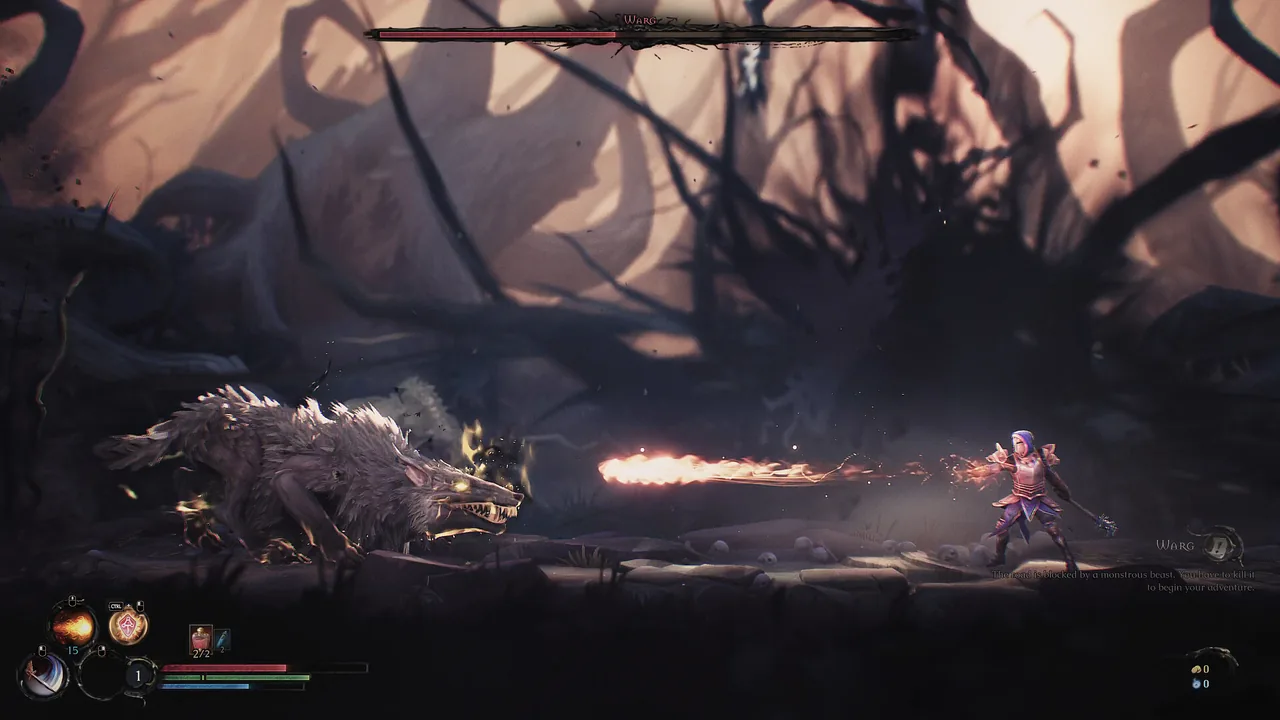
Mandragora: Whispers of the Witch TreeImage: Knights Peak via Steam -
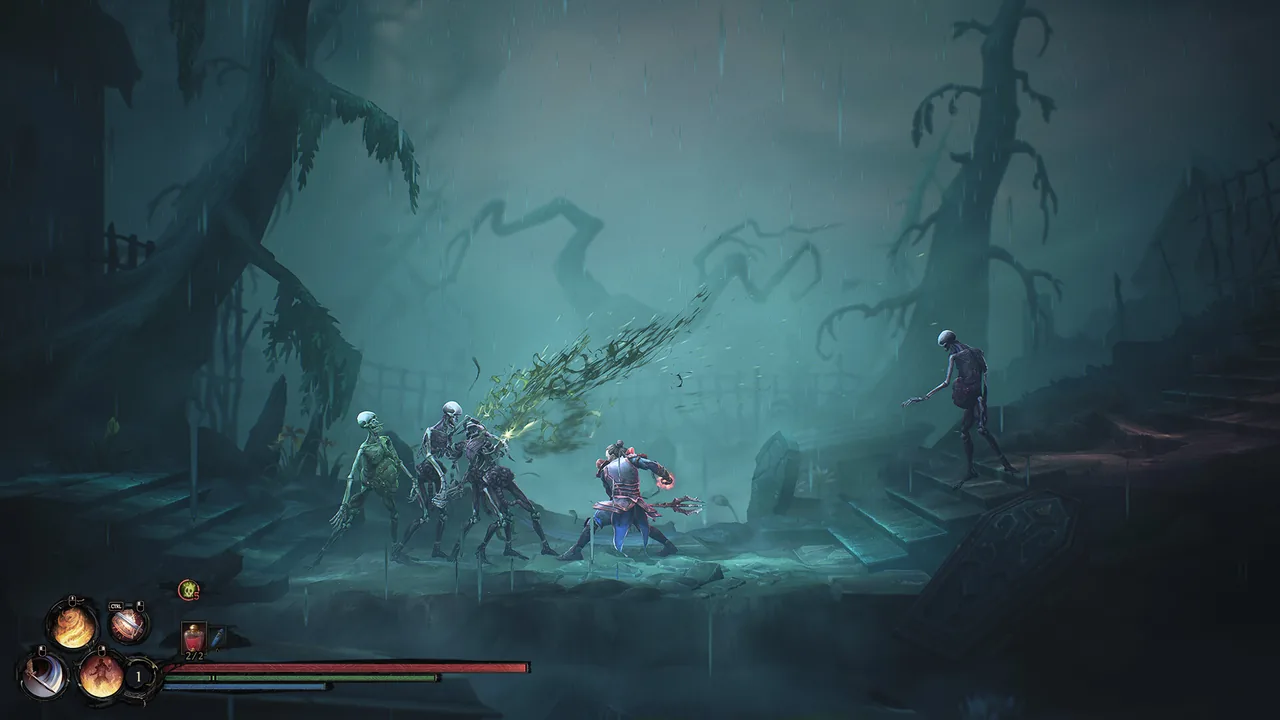
Mandragora: Whispers of the Witch TreeImage: Knights Peak via Steam -
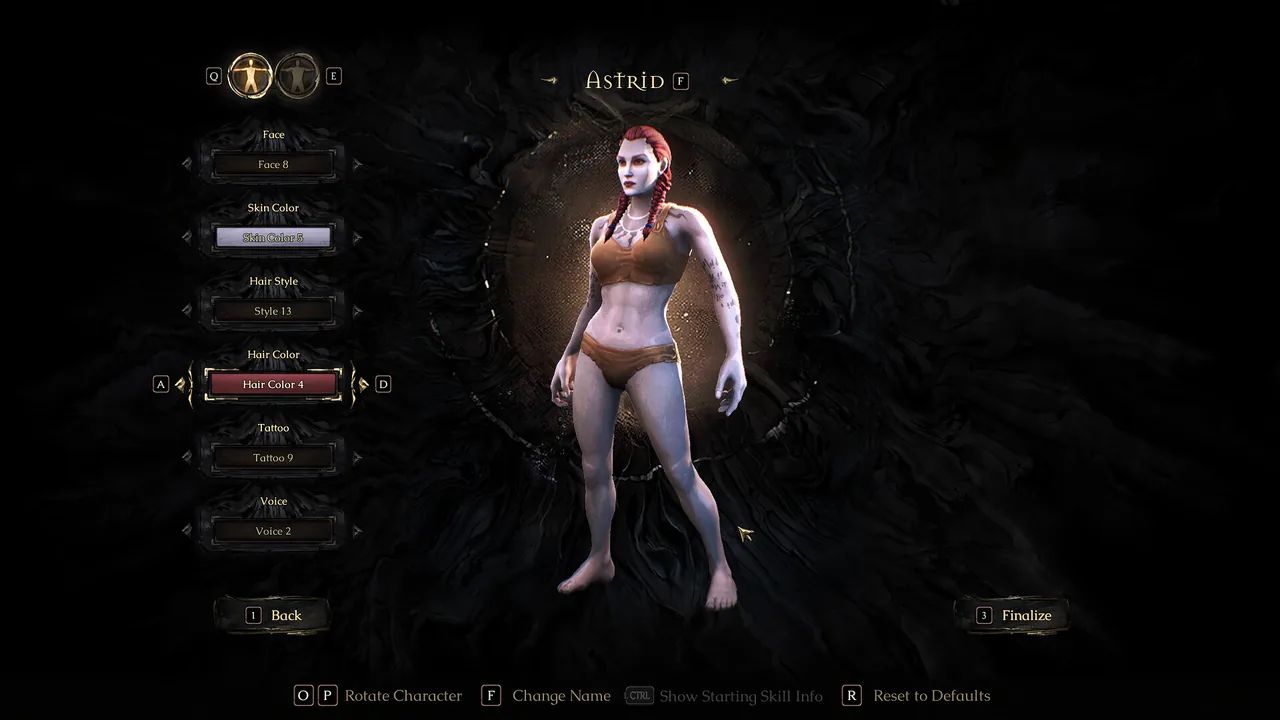
Mandragora: Whispers of the Witch TreeImage: Knights Peak via Steam -
How the review scores each part of the gameWanderer Editorial -
The essentialsWanderer Editorial -
The short versionWanderer Editorial