Game review
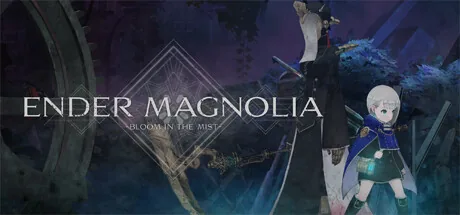
ENDER MAGNOLIA: Bloom in the Mist
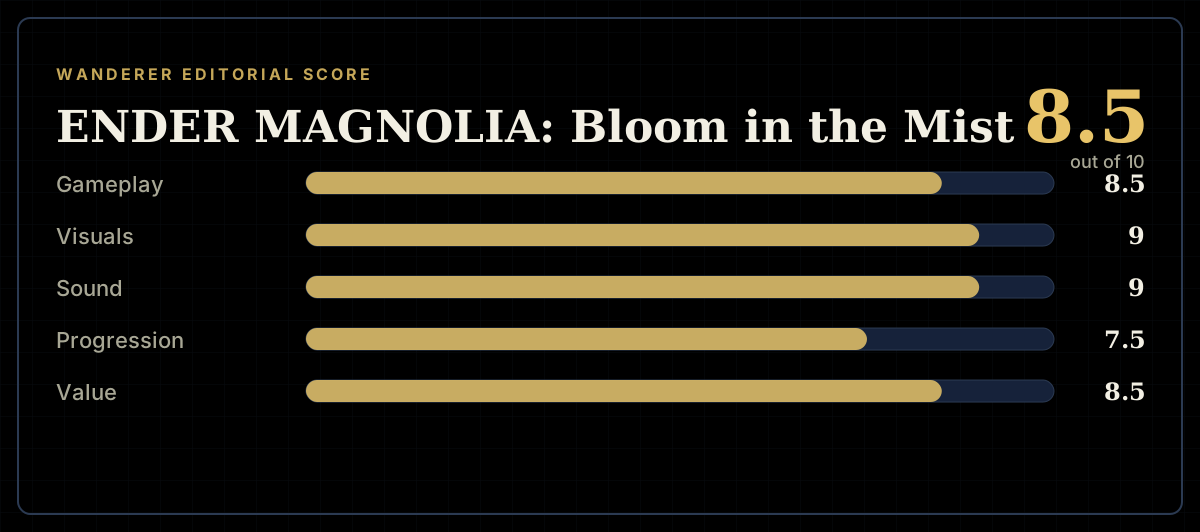
8.5 / 10
- Developer
- Adglobe, Live Wire
- Publisher
- Binary Haze Interactive
- Released
- 22 January 2025
- Platforms
- Windows
- Genre
- Metroidvania Action RPG
- Monetisation
- One-off premium purchase, with one optional soundtrack DLC; no in-app purchases and no premium currency
- Players
- None. Single-player only, with no leaderboard, co-op or shared-progress feature
The short version
ENDER MAGNOLIA sends Lilac, an "Attuner" capable of purifying corrupted Homunculi, through the desolate, gorgeously rendered Land of Fumes in a direct successor to Ender Lilies' acclaimed dark fantasy metroidvania formula. The reception is overwhelming: nearly 17,000 Steam reviews sit at Overwhelmingly Positive, and the praise for its art, music and genuinely player-respecting quality-of-life design — no corpse runs, no currency loss on death, save points beside every boss — is close to universal. What keeps this review honest is a smaller but unusually articulate thread of criticism running through roughly one in twenty reviews, almost all from players who loved the original: a midgame pacing slog, a story some feel ends too abruptly to land its themes, and combat encounters that occasionally punish players harder than the genre's best examples for reasons that read as design friction rather than intended challenge. Both camps broadly agree on one thing, stated from opposite directions: Magnolia plays better than Lilies did, and for a meaningful slice of returning fans, it doesn't move them quite the same way.
Biggest strengths
- Consistently praised as a genuine quality-of-life leap over its own predecessor — no currency loss or corpse runs on death, save points beside boss arenas, four selectable difficulty modes and a difficulty slider
- Art direction, animation and music draw close to universal acclaim, with the soundtrack singled out repeatedly as among the best in the genre
- Deep build customisation across 30 companion skills, upgradeable equipment and relics gives real room to find a personal combat style
Biggest weaknesses
- A specific, recurring complaint describes the midgame (the "Middle Stratum") as a substantial pacing slog compared to the strong opening hours, sapping momentum for a meaningful slice of otherwise-engaged players
- Several thoughtful, detailed reviews from Ender Lilies fans describe the story as feeling comparatively opaque or abruptly concluded, missing the emotional clarity and impact that made the original's narrative land as hard as it did
- Specific combat design choices — including reduced recovery time against multi-hit attacks and projectile-heavy encounters — draw pointed criticism as unfair friction rather than fair challenge from a handful of otherwise sympathetic reviewers
Who it's for: Metroidvania and dark-fantasy action RPG fans, especially existing Ender Lilies players willing to accept a mechanically superior sequel that some feel trades emotional weight for polish.
Our recommendation: A genre highlight and an easy recommendation on its own merits, though returning fans of Ender Lilies specifically should go in aware that its story lands differently for a vocal, thoughtful minority of the people who loved the first game most.
8.5 / 10
Sequels to beloved indie darlings face a specific, unforgiving kind of scrutiny: not just "is this good," but "is this as good as the thing I already loved." Ender Lilies became one of the more quietly acclaimed dark-fantasy metroidvanias of its generation, and ENDER MAGNOLIA: Bloom in the Mist arrives carrying all of that weight directly. After roughly ten months in Early Access, Binary Haze Interactive's sequel exited into a full 1.0 release in January 2025 to a reception that leaves little room for ambiguity on paper: Overwhelmingly Positive across nearly 17,000 Steam reviews. What makes this review worth writing carefully is that the roughly one-in-twenty reviewers who disagree aren't dismissible noise — they're some of the series' own most devoted fans, and their specific, consistent complaints are worth taking exactly as seriously as the overwhelming praise surrounding them.
A more player-respecting metroidvania than its own predecessor
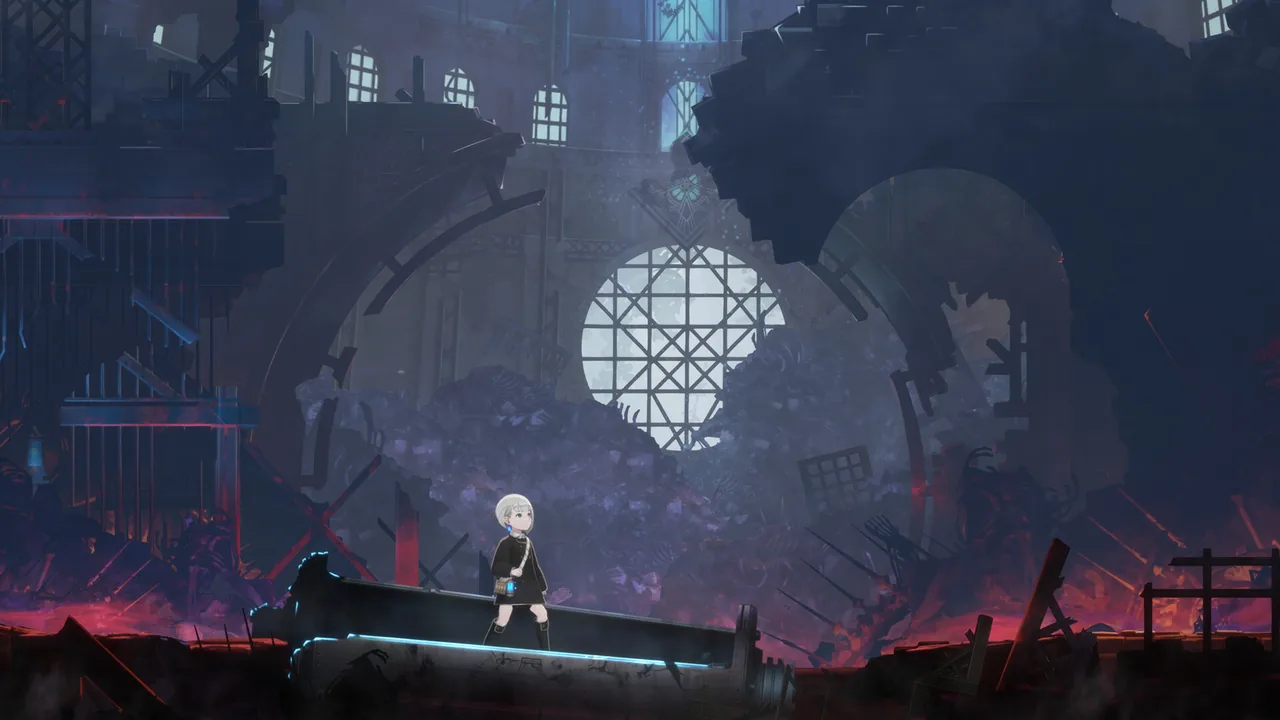
Set decades after a catastrophe called the Rain of Death, Magnolia casts players as Lilac, an Attuner capable of purifying Homunculi — artificial life forms driven feral by toxic underground Fumes — as she ventures through the ruined, hierarchical Land of Fumes searching for lost memories and missing friends. Structurally it's a direct continuation of what made Ender Lilies work: 2D side-scrolling exploration, boss encounters built around learning attack patterns, and a growing roster of companion spirits whose skills expand both combat options and traversal. What draws the most consistent, specific praise in the review sample isn't the setup, though — it's how much more respectful of players' time the sequel is than the original ever was. "No loss of currency on death," one detailed review lists among its top praise. "No corpse runs. Save points next to boss rooms (no runbacks). Four difficulty modes. Difficulty slider." Another reviewer, who says they tracked zero glitches or bugs across a full playthrough, calls the game close to flawless from a pure technical-execution standpoint. A third sums up the design philosophy directly: "It's crazy how much quality of life aspects the devs has incorporated and I can see that they fully respect the player's time."
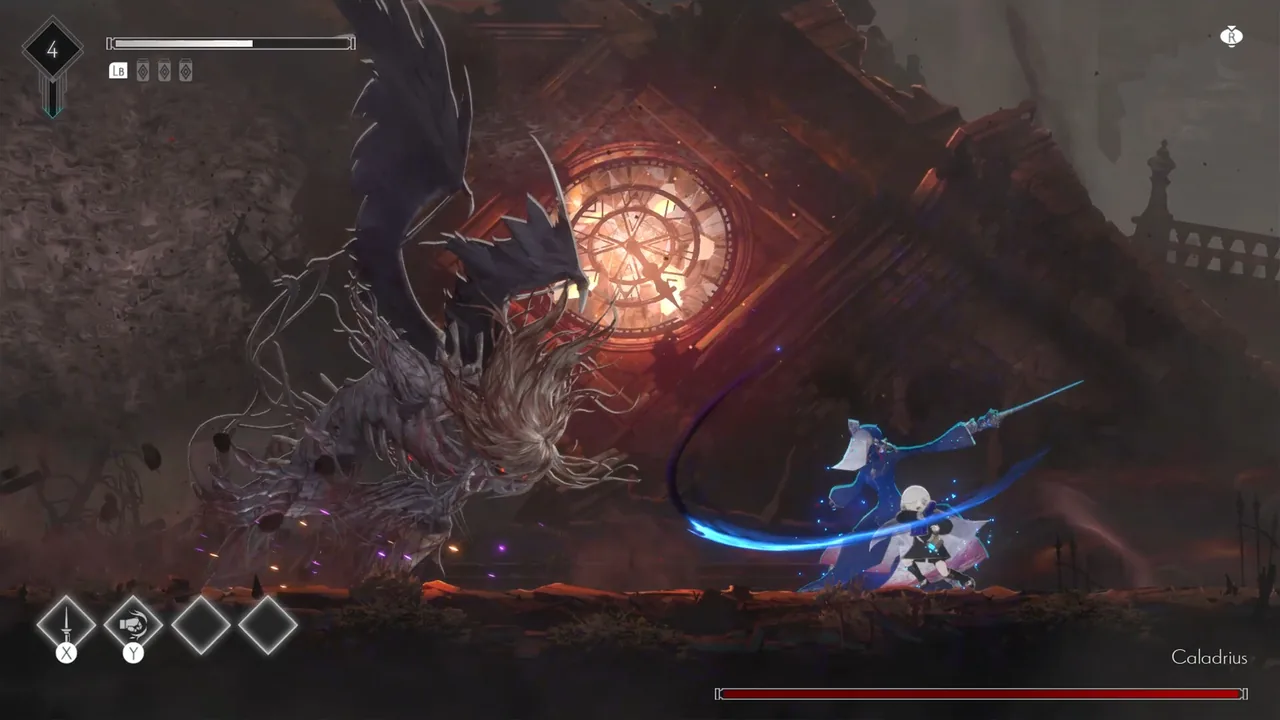
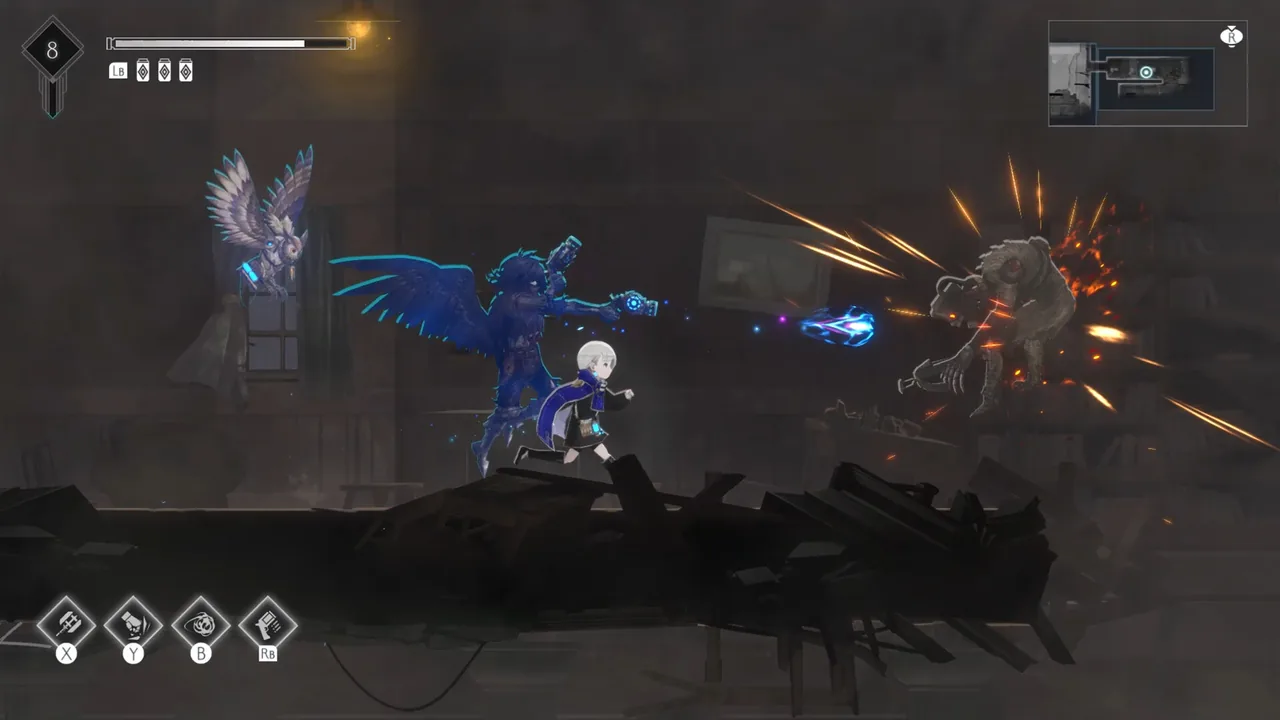
Presentation draws equally strong, near-unanimous praise. The gorgeous, grim 2D art design carries over from Ender Lilies and, by most accounts, refines it further — abandoned cities, laboratories, a grand Sorcerer's Academy and colossal factories all rendered with the same hauntingly beautiful craftsmanship the series built its reputation on. The soundtrack draws specific, repeated admiration on its own terms, frequently described as on par with or exceeding the original's already well-regarded score. Combat customisation is deeper too: 30 distinct skills acquired from companion Homunculi, upgradeable equipment and relics, and — a change several returning players single out with real relief — the removal of straightforward contact damage that made the first game's early hours feel unforgiving in ways that didn't always feel intentional.
Where the critical minority draws the line
The negative review sample, small as it is relative to the overall total, is unusually articulate, and almost entirely written by players who explicitly say they loved Ender Lilies first. The most concrete, recurring structural complaint concerns pacing: "Initial areas (Lower Stratum) are good, but once you get into the midgame (Middle Stratum) the game turns into a major slog," one review states, a sentiment echoed closely enough by others that it reads as a genuine shared experience rather than an isolated complaint. Several reviewers report losing motivation specifically in that middle section, even after enjoying the opening hours enough to continue.
The story draws a more specific and, in some ways, more serious critique. "Beautiful art, animation, music, character design, and level design all blighted by what feels like an incomplete story that ended too abruptly," one detailed review states, directly contrasting it with the original: "The first game, Ender Lilies, had a terrific story and everything was easy to follow. The mystery unravel[ed]" in a way this reviewer feels Magnolia doesn't replicate. Another, writing what amounts to a short essay on the two games side by side, titles their review bluntly: "Ender Lilies is a better story, Ender Magnolia is a better game" — a framing that several other reviews arrive at independently, in their own words, without apparent coordination. That kind of convergent, specific criticism from people who are otherwise clearly fans of the series is worth taking more seriously than a comparably sized sample of generic complaints would be.
A smaller thread concerns specific combat encounter design rather than the game's broader structure: reduced recovery time against multi-hit projectile attacks and area-of-effect hazards draws pointed criticism from at least a few reviewers as a source of what reads as unfair friction rather than intended challenge, particularly for players stacking status effects with tight inventory management on higher difficulties. It's a narrower complaint than the pacing and story critiques, but a specific, technical one rather than a vague "it's too hard" gripe.
What the fans actually say when they love it
None of that critical minority should overshadow how strong the majority sentiment genuinely is, and it's worth quoting at similar length and specificity. "This is close to being the perfect metroidvania," one review states, praising the map system by name as "the best map in a metroidvania... clean with everything in the UI labelled and available without extra steps to access." Another, writing after a full 100% completion in roughly 25 hours, describes the Ender series as one of the rare few they bother fully completing at all — a meaningful signal of engagement from a reviewer who says they don't typically chase completion in other games. A particularly thoughtful review, aware of the genre's current oversaturation, frames Magnolia as standing out specifically because it doesn't feel like it's coasting on formula: "With so many Metroidvanias coming out, it's no surprise that some amazing ones are falling through the cracks. I'm worried that's happening to Ender Magnolia. But let me tell you this, this game is something special."
Where this leaves a buyer
At NZ$35.99 for a roughly 20-to-25-hour dark fantasy metroidvania with continued post-launch patch support well into 2025, ENDER MAGNOLIA is an easy recommendation on the numbers alone — a genre highlight with presentation, music and player-respecting design that draw close to universal praise across an enormous review sample. The honest caveat belongs specifically to existing Ender Lilies fans rather than newcomers: go in aware that a meaningful, articulate minority of the series' own most devoted players feel this sequel trades some of the original's emotional and narrative clarity for mechanical polish, and that the midgame pacing has a documented tendency to sap momentum even for otherwise engaged players. Newcomers with no attachment to the first game are far less likely to hit either complaint the same way, and are more likely to simply find, as the overwhelming majority already has, one of the more accomplished metroidvanias currently available.
Pros and cons
Pros
- Consistently praised as a genuine quality-of-life leap over its own predecessor — no currency loss or corpse runs on death, save points beside boss arenas, four selectable difficulty modes and a difficulty slider
- Art direction, animation and music draw close to universal acclaim, with the soundtrack singled out repeatedly as among the best in the genre
- Deep build customisation across 30 companion skills, upgradeable equipment and relics gives real room to find a personal combat style
- Reasonably long for its price at around 20-25 hours to fully complete, backed by continued numbered patches for several months after the full 1.0 release
Cons
- A specific, recurring complaint describes the midgame (the "Middle Stratum") as a substantial pacing slog compared to the strong opening hours, sapping momentum for a meaningful slice of otherwise-engaged players
- Several thoughtful, detailed reviews from Ender Lilies fans describe the story as feeling comparatively opaque or abruptly concluded, missing the emotional clarity and impact that made the original's narrative land as hard as it did
- Specific combat design choices — including reduced recovery time against multi-hit attacks and projectile-heavy encounters — draw pointed criticism as unfair friction rather than fair challenge from a handful of otherwise sympathetic reviewers
- A recurring sentiment across the critical minority describes the game as mechanically superior to Ender Lilies while somehow feeling less distinctive or memorable as an experience overall
Screenshots
-
ENDER MAGNOLIA: Bloom in the MistImage: Binary Haze Interactive via Steam -
ENDER MAGNOLIA: Bloom in the MistImage: Binary Haze Interactive via Steam -
ENDER MAGNOLIA: Bloom in the MistImage: Binary Haze Interactive via Steam -
How the review scores each part of the gameWanderer Editorial -
The short versionWanderer Editorial