Game review
Castle Clicker : Idle City Tycoon
4 / 10
- Developer
- Autotelic Games LLC
- Publisher
- Autotelic Games LLC
- Released
- 2 October 2017
- Platforms
- Windows
- Genre
- Idle City Builder, Clicker
- Monetisation
- Free-to-play with in-app purchases, including a NZ$1.49-tier purchase reviewers say doubles click speed
- Players
- Single-player
The short version
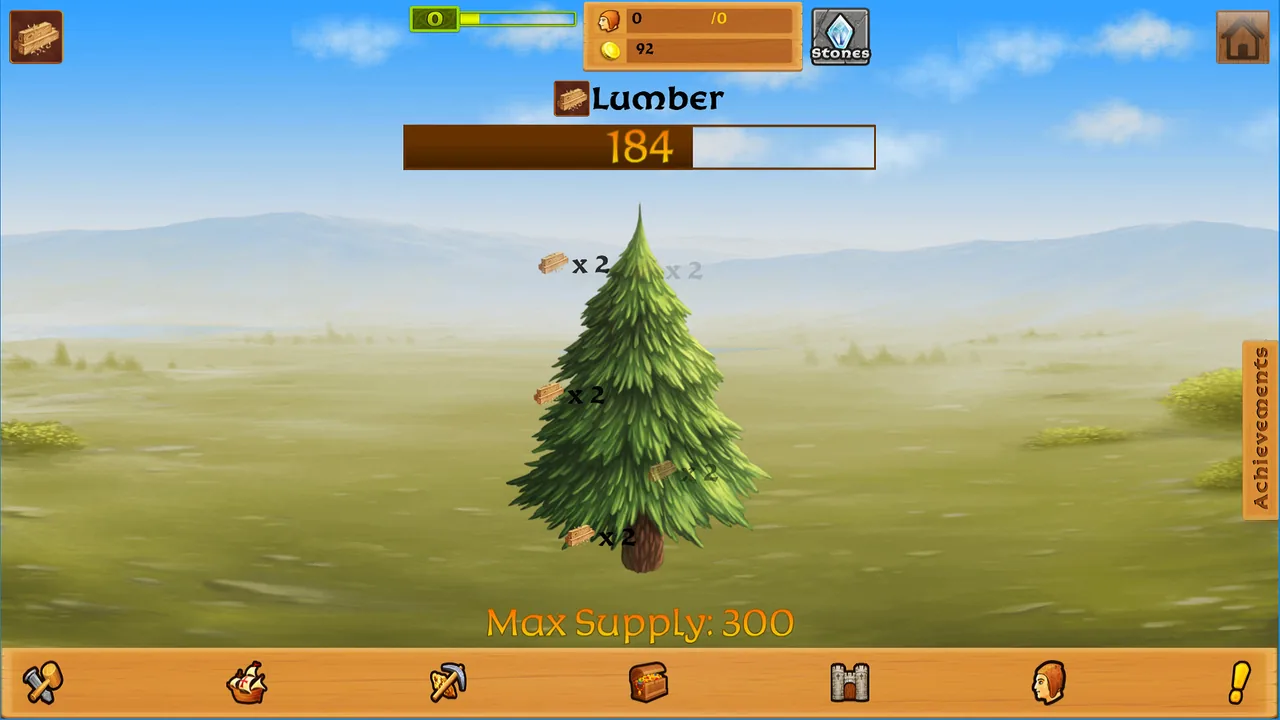
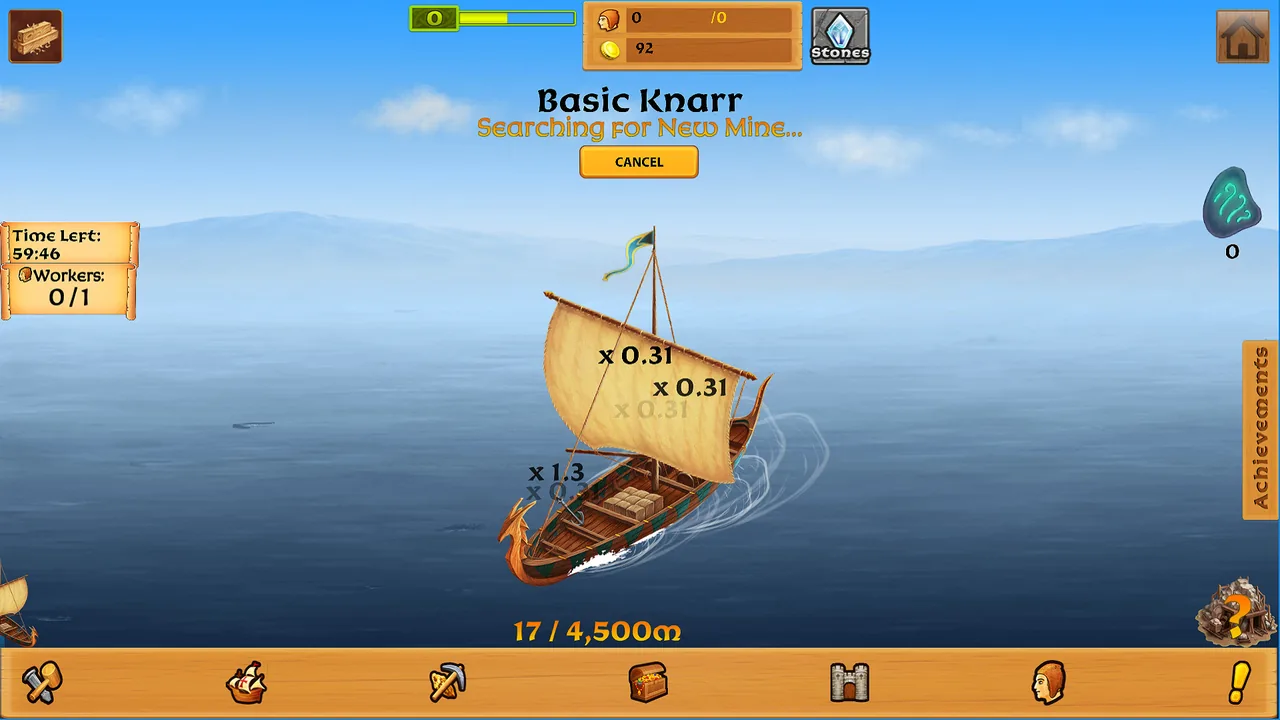
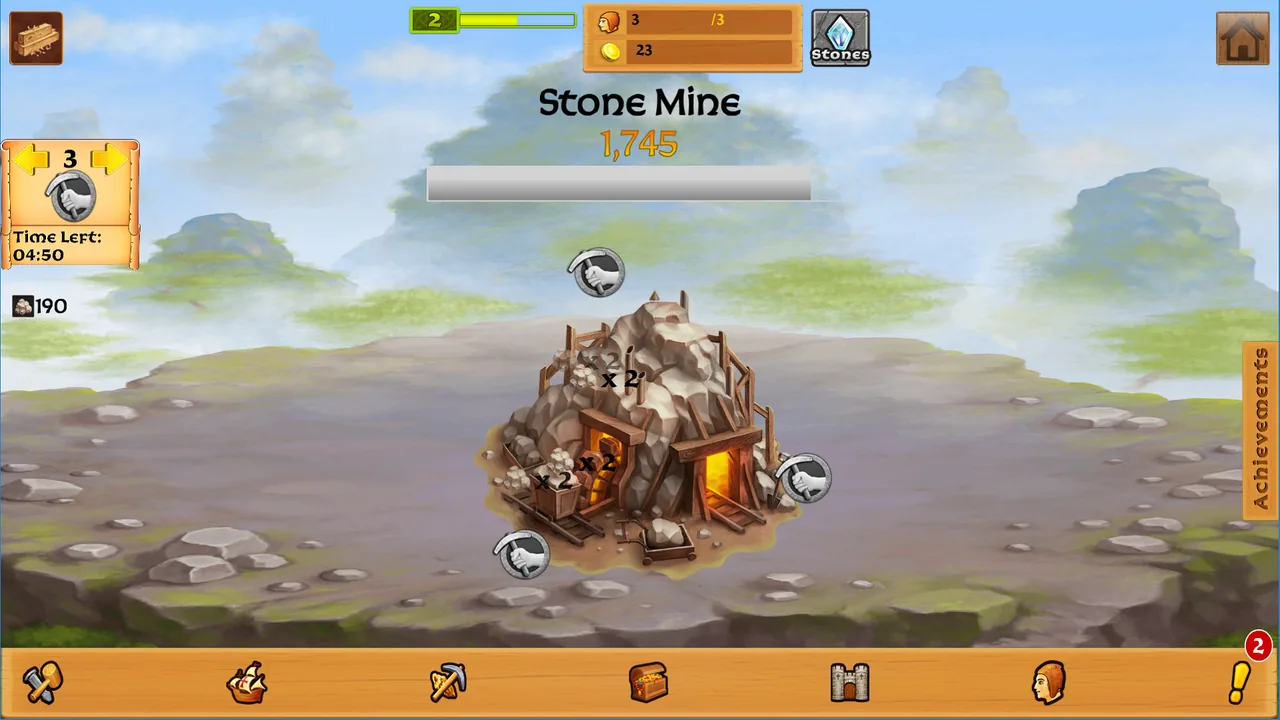
Castle Clicker pitches itself as a "more strategy focused" take on the genre — assign workers, manage resources, build up a city — rather than a pure hold-to-click idler. Nine years after its October 2017 release it sits at Mixed, 65%, and its negative corpus splits into two genuinely different arguments rather than one repeated complaint: a chunk of reviewers say the active worker-management demands mean it barely qualifies as an idle game at all, while a separate, more serious thread reports resources vanishing every time the game is closed and reopened — a save-reliability problem, not a design disagreement. The achievement list itself tells its own story: full completion reportedly requires replaying the entire game from scratch around 60 times.
Biggest strengths
- A structurally different approach to the genre — resource management and worker assignment rather than pure hold-to-click — that at least one detailed positive review specifically credits with more depth than typical clickers
- Free to play with a functioning core loop for players willing to engage actively rather than purely idle
- Steam Achievements and Trading Cards give the game long-term structure for players who want it
Biggest weaknesses
- A specific, credible complaint recurs: resources reportedly disappear every time the game is closed and reopened, described by one reviewer with over 12,000 minutes (200+ hours) logged as making the game "worthless to play" until fixed — a save-reliability problem rather than a balance disagreement
- A separate, equally common complaint argues the active worker-assignment and clicking requirements mean this "has no real idle gameplay" — a legitimate critique given the game markets itself under the idle-clicker label
- There's a hard cap on clicks per second, which several reviewers say defeats the point of a clicker and creates a "pause in progression" even at maximum click speed
Who it's for: Players who want more active engagement from a "clicker" than the genre typically demands, and who don't need the game to run meaningfully while closed. A poor fit for anyone shopping this library specifically for a low-effort, background-idling experience, or anyone who can't tolerate losing progress to save issues some reviewers report as ongoing.
Our recommendation: Try it cautiously and save often — or don't rely on it as your only progress checkpoint. The worker-management structure is a genuinely different take on the genre worth crediting, but the resource-loss reports and the punishing achievement design are real enough to flag clearly before anyone invests real time.
4 / 10
Castle Clicker's own pitch sets it apart from the genre it's filed under: "a more strategy focused clicking game that required you to think about how to manage your resources and build your city," rather than the hold-and-forget loop the word "clicker" usually implies. Autotelic Games LLC released it free on 2 October 2017, and nine years of reviews have settled it at Mixed, 65% across 386 reviews. That headline number hides two genuinely different arguments happening in the same corpus.
Two complaints, not one
The first argument is about genre expectations: "no real idle gameplay, needs a lot of player interaction, assigning workers and clicking," reads one 10-vote negative, and several others make variations of the same case — that a game marketed as an idle clicker demands too much active attention to earn the label. That's a legitimate design disagreement, and reasonable people land on both sides of it; one of the game's most detailed positive reviews frames the exact same active-management structure as the thing that makes it more interesting than typical clickers.
The second argument is not a matter of taste. A reviewer with over 12,000 minutes — more than 200 hours — logged states plainly: "until the game is fixed from resources disappearing every time you close and start the game it's worthless to play." That's a specific, checkable reliability complaint, not a design preference, and it's serious enough on its own to outweigh the genre debate for anyone deciding whether to invest real time.
A punishing shape to full completion
Beyond those two threads, the achievement list itself is worth flagging on its own terms. Multiple reviewers describe the "Big Numbers" achievement as requiring the entire game to be replayed from start to finish roughly 60 times — an extreme ask even by the standards of a genre that often rewards repetition. The global achievement data is consistent with that account: the tutorial-completion achievement sits at 74.4%, but anything gated behind New Game Plus cycles drops into single digits. A hard cap on clicks per second draws its own specific complaint too, with reviewers noting a "clear pause in progression" even when clicking at maximum speed — an odd limitation for a game built around the click as its core verb.
Monetisation sits in familiar free-to-play territory but with a specific detail worth naming: one reviewer notes a roughly NZ$1.49 purchase doubles click speed outright, which several read as close to a soft requirement rather than an optional convenience given the click-speed cap described above.
Final verdict
Castle Clicker's attempt to be a more thoughtful, management-driven take on the clicker genre is a real, creditable idea, and reviewers who engage with it that way find something genuinely different from the genre's usual shape. But a specific, credible resource-loss complaint from a high-playtime reviewer, a click-speed cap that undercuts the game's own core mechanic, and an achievement structure that demands dozens of full replays add up to a game that needs real caution before anyone commits serious time to it.
Pros and cons
Pros
- A structurally different approach to the genre — resource management and worker assignment rather than pure hold-to-click — that at least one detailed positive review specifically credits with more depth than typical clickers
- Free to play with a functioning core loop for players willing to engage actively rather than purely idle
- Steam Achievements and Trading Cards give the game long-term structure for players who want it
- Several reviewers, including ones with tens of thousands of minutes logged, describe it as a solid way to pass time despite acknowledging its rough edges
Cons
- A specific, credible complaint recurs: resources reportedly disappear every time the game is closed and reopened, described by one reviewer with over 12,000 minutes (200+ hours) logged as making the game "worthless to play" until fixed — a save-reliability problem rather than a balance disagreement
- A separate, equally common complaint argues the active worker-assignment and clicking requirements mean this "has no real idle gameplay" — a legitimate critique given the game markets itself under the idle-clicker label
- There's a hard cap on clicks per second, which several reviewers say defeats the point of a clicker and creates a "pause in progression" even at maximum click speed
- The in-app purchase structure draws specific complaint for doubling click speed for a small real-money purchase, described by one reviewer as a "free" game where a $0.99-tier purchase is close to mandatory to play comfortably
- Full achievement completion, per multiple reviewers, requires replaying the entire game from start to finish roughly 60 times for the "Big Numbers" achievement alone — an extreme, likely deliberately grindy design even by clicker-genre standards
Screenshots
-
Castle Clicker : Idle City TycoonImage: Autotelic Games LLC via Steam -
Castle Clicker : Idle City TycoonImage: Autotelic Games LLC via Steam -
Castle Clicker : Idle City TycoonImage: Autotelic Games LLC via Steam -
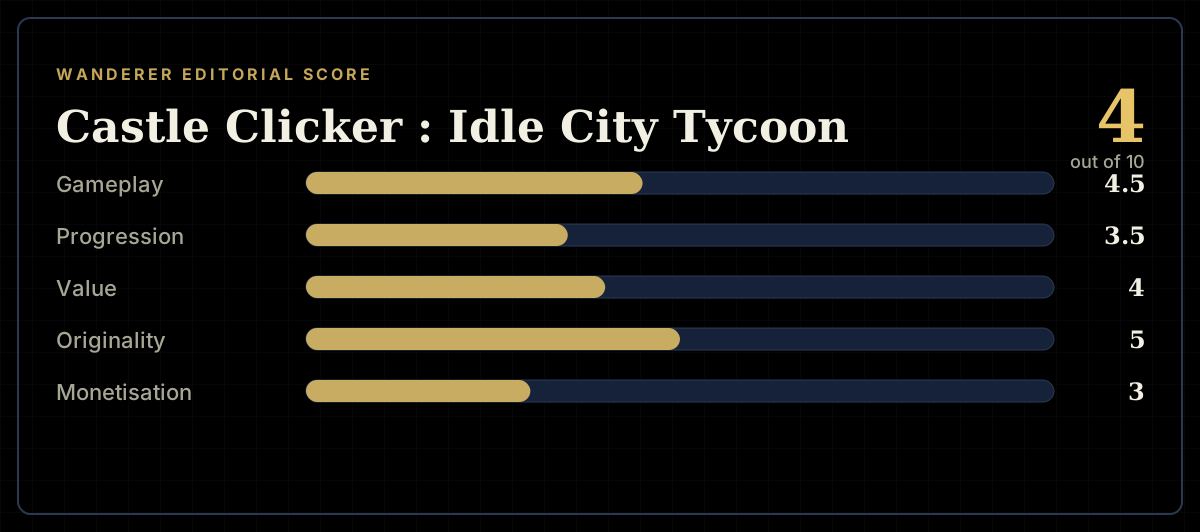
How the review scores each part of the gameWanderer Editorial -
The short versionWanderer Editorial