Game review
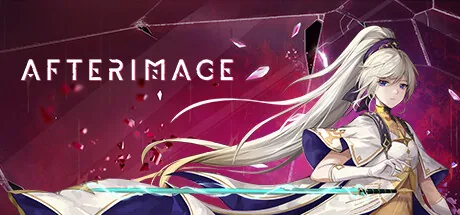
Afterimage
6.5 / 10
- Developer
- Aurogon Shanghai
- Publisher
- Maximum Entertainment
- Released
- 24 April 2023
- Platforms
- Windows
- Genre
- Metroidvania
- Monetisation
- One-time purchase, plus two paid DLC packs. No ads, subscriptions or premium currency.
- Players
- Single-player only
The short version
Afterimage drops Renee, the last survivor of a fallen kingdom, into a sprawling ruined fantasy world to recover her memories and confront the force that destroyed it, across one of the largest maps the metroidvania genre has produced. Steam has it Very Positive, 5,366 of 6,761 reviews (79.4%), rising to 85.5% among English-language reviews specifically (1,199 of 1,402).
The praise is real and consistent: hand-drawn art, backgrounds and character design draw close to unanimous approval even from the harshest critics in the sample. But 59 of the 100 English-language negative reviews gathered for this piece raise the same specific complaint by name -- getting genuinely, frustratingly lost, with too little in-game direction across a map most reviewers agree is larger than the content justifies. A smaller but real cluster reports crash-related save loss and content that was apparently never finished, even after post-launch patching.
Biggest strengths
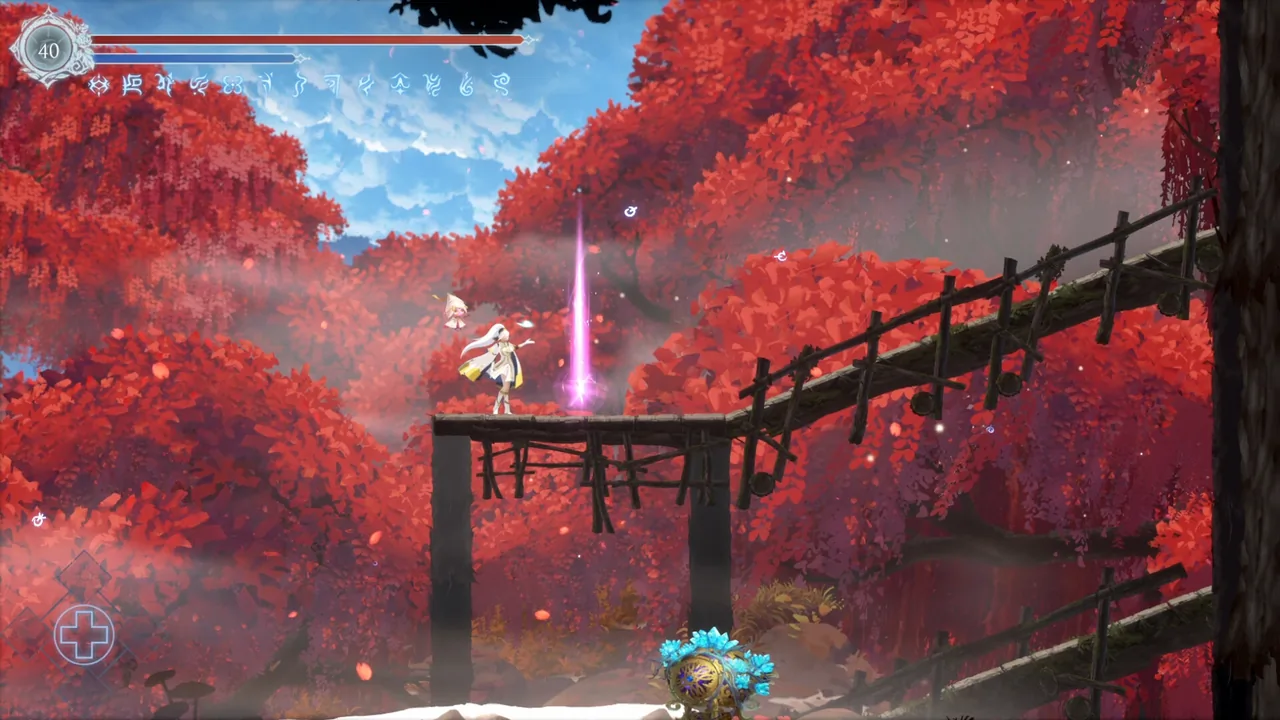
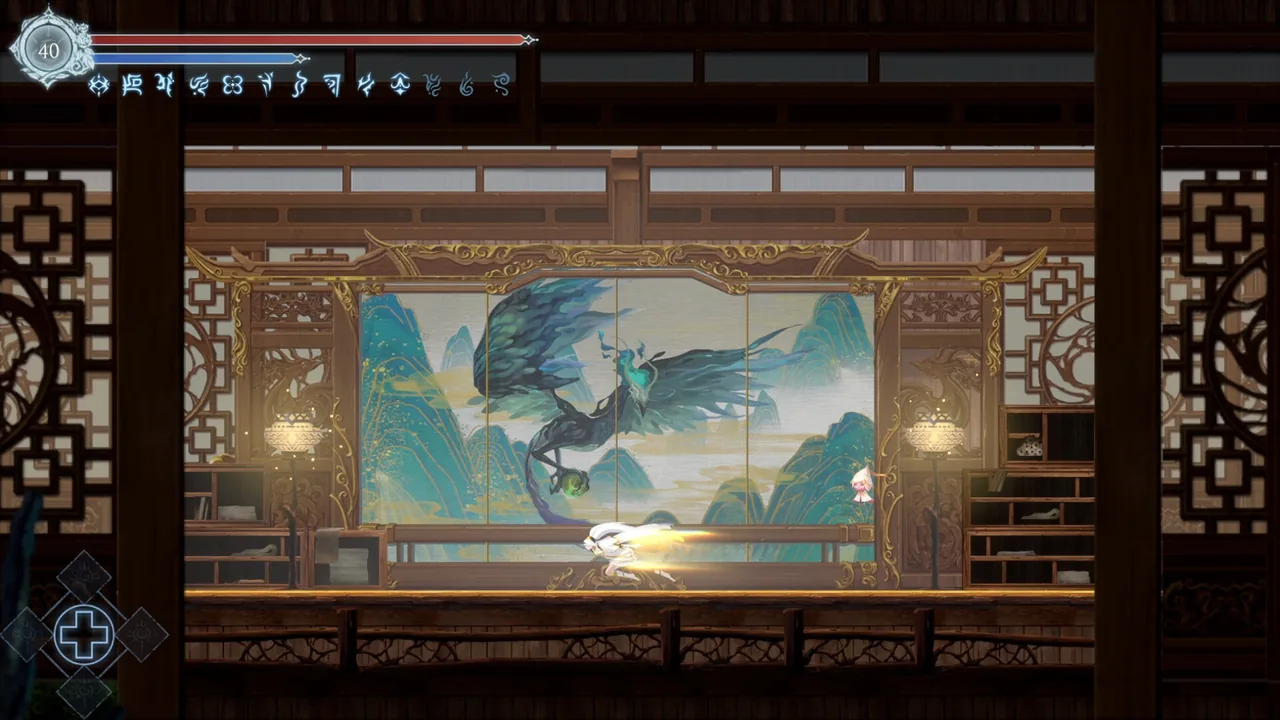
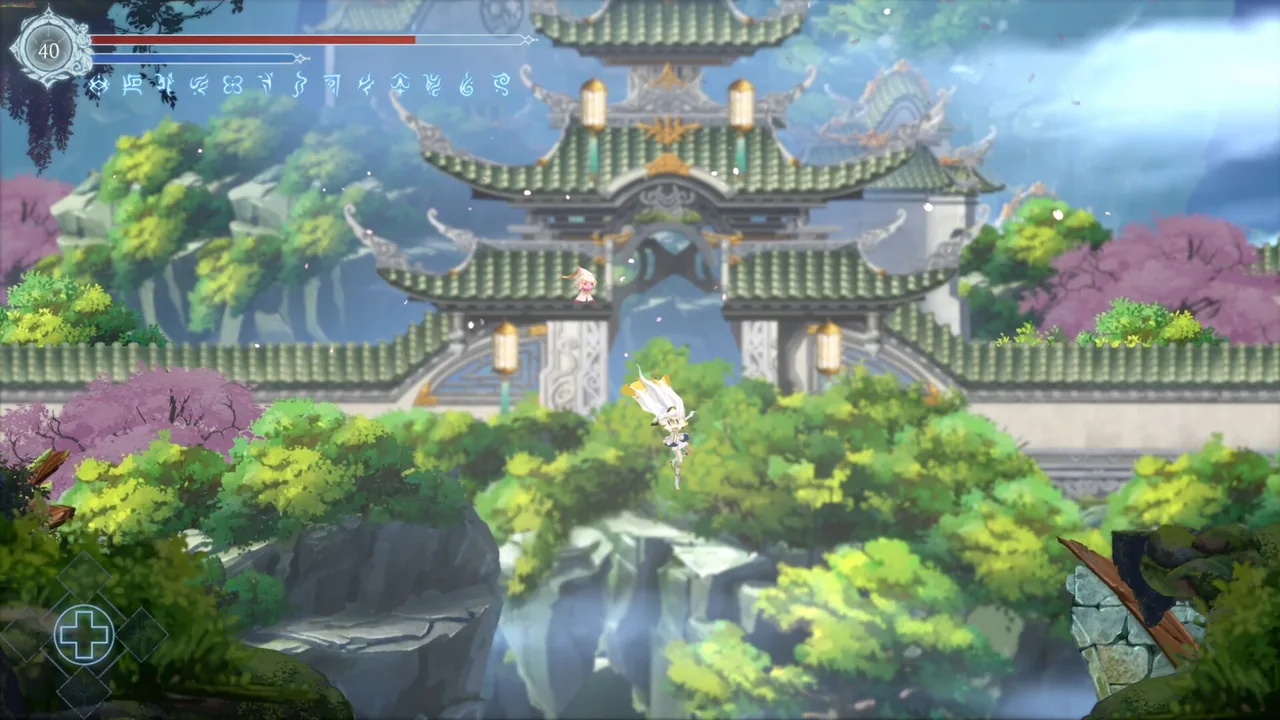
- Hand-drawn art, backgrounds and character design draw near-universal praise across the review sample, including from reviewers who otherwise can't recommend the game
- A genuinely enormous, ambitious map with real scale -- several reviewers call it among the largest they've seen in the genre, with substantial weapon and build variety to match
- Active post-launch support in the months after release, with one December 2023 reviewer confirming several early complaints (including contact damage) had already been patched out
Biggest weaknesses
- Map and navigation confusion is the single most repeated specific complaint in the negative sample -- 59 of 100 reviews gathered for this piece raise getting lost, poor direction, or excessive backtracking by name
- Story and dialogue are frequently called confusing or poorly translated, leaning on in-universe terminology that several reviewers say is never adequately explained
- Difficulty is reported as inconsistent -- some reviewers call the game trivially easy throughout, others describe brutal, hitbox-questionable difficulty spikes in specific late-game boss fights
Who it's for: Metroidvania fans who value scale and hand-drawn presentation over tight, well-signposted level design, and who don't mind consulting outside guides. A poor fit for anyone who wants a metroidvania that respects their time, or who bounces hard off ambiguous, JRPG-flavoured story writing.
Our recommendation: Worth it for metroidvania completionists specifically drawn to scale and art over polish -- but go in prepared to use a map guide, and temper expectations set by comparisons to Hollow Knight or Ender Lilies that this game's own reviewers consistently say it doesn't reach.
6.5 / 10
An ambitious, gorgeous world that's easy to get lost in
Afterimage's core pitch is scale and presentation, and on both counts it delivers something real. The hand-drawn backgrounds, character art and enemy design draw consistent praise across virtually every review in the sample gathered for this piece, positive and negative alike — "the game looks beautiful, from background to character, weapons, magic, enemies, NPCs, everything is quite nice to look at," reads a representative negative review, one of many that leads with a genuine compliment before pivoting to its actual complaint. The map itself is enormous by genre standards; several reviewers who otherwise struggled with the game still call its scope legitimately impressive, with one describing it as "the biggest I've ever seen in a metroidvania." Combat is built around dual weapon slots, a substantial skill tree and real build variety, and a meaningful number of reviewers single it out as fluid and satisfying independent of everything else.
The complaint that dominates the negative reviews
Set against that scope is a single, overwhelmingly specific problem: players getting genuinely, repeatedly lost, with too little in-game signposting to make the map's size feel like exploration rather than an ordeal. This isn't a minor recurring note — it's the dominant theme of the negative review sample almost to the exclusion of everything else, appearing in 59 of the 100 English-language negative reviews gathered for this piece. "OBSCURITY THE GAME. You have no clue where to go, where you can go and what you should actually do. You are lost — at all times. And not in the fun-kinda-way," reads one. "The world is extremely large, yet exploration rarely feels meaningful," reads another. "This game's massive map transforms what would be an otherwise decent game into an ordeal," reads a third. Multiple reviewers who otherwise praise the combat and art directly say the map size, not the difficulty or the writing, is what made them quit — "Too big for its own sake... quests are super vague... you wander endlessly for no reason," reads one from March 2026, nearly three years after launch, showing the complaint never really went away.
Story and dialogue draw a related, secondary complaint: several reviewers describe the plot as hard to follow, leaning heavily on in-universe terminology and character names introduced without enough context, with a few attributing at least part of the confusion to translation quality specifically. Difficulty, meanwhile, splits reviewers in both directions rather than converging on a single verdict — some call the game trivially easy throughout ("0 challenge," reads one, "boring" after the initial visual novelty wears off), while others describe specific late-game boss fights as punishingly difficult, with hitboxes and enemy tracking they consider unfair rather than merely hard. That inconsistency, more than either extreme on its own, is arguably the more telling criticism: it suggests uneven pacing rather than a deliberately tuned difficulty curve.
Real technical issues, and support that didn't finish the job
A smaller but concrete cluster of reports raises reliability problems worth flagging plainly. One reviewer describes a crash that deleted an 11-hour save file outright. Another, writing in 2025, says the game "is unfinished. There are two gates that simply will not open, the content was never added" — a specific, checkable claim rather than vague dissatisfaction. This sits in real tension with a more encouraging data point: a review from Christmas 2023, roughly eight months after launch, confirms the developer was still actively patching at that point and had already fixed several early complaints, including a contact-damage issue raised in launch-week reviews. Read together, these suggest a developer that did support the game meaningfully after release, but either didn't finish everything originally planned or left specific, player-visible gaps that outlasted the active patching window. Achievement data offers a rough confirmation of how far players typically get: from an 85.1% first-boss completion rate, the numbers fall steadily through the mid-20s for major story and boss milestones down to single digits for full completionist achievements — a normal shape for a long, ambitious game, but one that puts real weight behind reviewers who say the back half of the map goes underused by most buyers.
How it stacks up against its genre neighbours
It's worth noting how often Afterimage's own reviewers reach for direct genre comparisons, because the pattern is consistent and unflattering: "Afterimage is certainly no Hollow Knight. It's no Bloodstained, either... it's not even on the level of Ender Lilies," reads one; "Silksong feels like it's made by three masters of their craft, and this game feels like it's made by twenty people who had no clue what they were doing," reads a blunter one. These comparisons aren't included here to pile on — they're useful because they tell you what kind of metroidvania fan is likely to bounce off this one: anyone whose benchmark for the genre is tight, legible level design will find Afterimage's scale working against it, while anyone whose priority is sheer scope and hand-drawn art over polish is more likely to find the trade-off worthwhile.
Verdict
Afterimage is a genuinely ambitious, visually striking metroidvania let down by the one thing a metroidvania can least afford to get wrong: making a huge world feel worth exploring rather than navigating by guesswork. The art, the scale and the combat fundamentals are real strengths that earn its Very Positive standing; the map confusion raised by well over half of its critical reviewers, alongside real bugs and apparently unfinished content, are just as real and just as well-documented. Go in with a map guide on hand and tempered expectations set by its genre comparisons, and there's a substantial, good-looking game here for the right kind of patience.
Pros and cons
Pros
- Hand-drawn art, backgrounds and character design draw near-universal praise across the review sample, including from reviewers who otherwise can't recommend the game
- A genuinely enormous, ambitious map with real scale -- several reviewers call it among the largest they've seen in the genre, with substantial weapon and build variety to match
- Active post-launch support in the months after release, with one December 2023 reviewer confirming several early complaints (including contact damage) had already been patched out
- Fluid, responsive combat that a fair number of reviewers single out as a genuine strength independent of the game's navigation problems
Cons
- Map and navigation confusion is the single most repeated specific complaint in the negative sample -- 59 of 100 reviews gathered for this piece raise getting lost, poor direction, or excessive backtracking by name
- Story and dialogue are frequently called confusing or poorly translated, leaning on in-universe terminology that several reviewers say is never adequately explained
- Difficulty is reported as inconsistent -- some reviewers call the game trivially easy throughout, others describe brutal, hitbox-questionable difficulty spikes in specific late-game boss fights
- A real cluster of reports describe critical bugs, including one reviewer losing an 11-hour save to a crash, and content -- specifically two permanently sealed areas -- that appears to have been left unfinished even after patching
- Consistently and unfavourably compared by its own reviewers to Hollow Knight, Bloodstained and Ender Lilies, with several saying it falls short of all three
Screenshots
-
AfterimageImage: Maximum Entertainment via Steam -
AfterimageImage: Maximum Entertainment via Steam -
AfterimageImage: Maximum Entertainment via Steam -
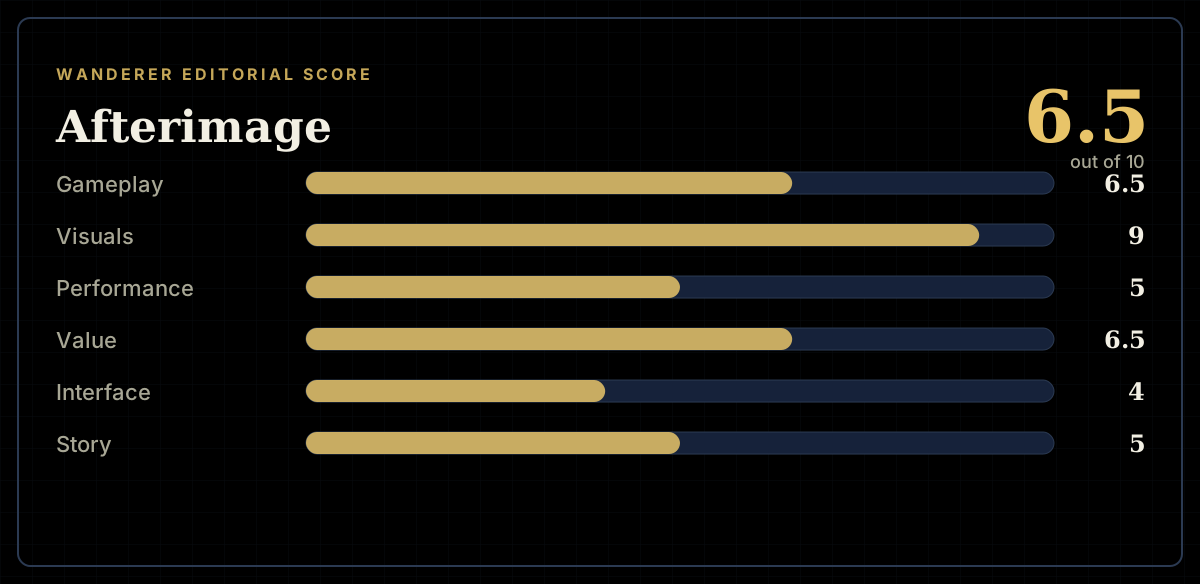
How the review scores each part of the gameWanderer Editorial -
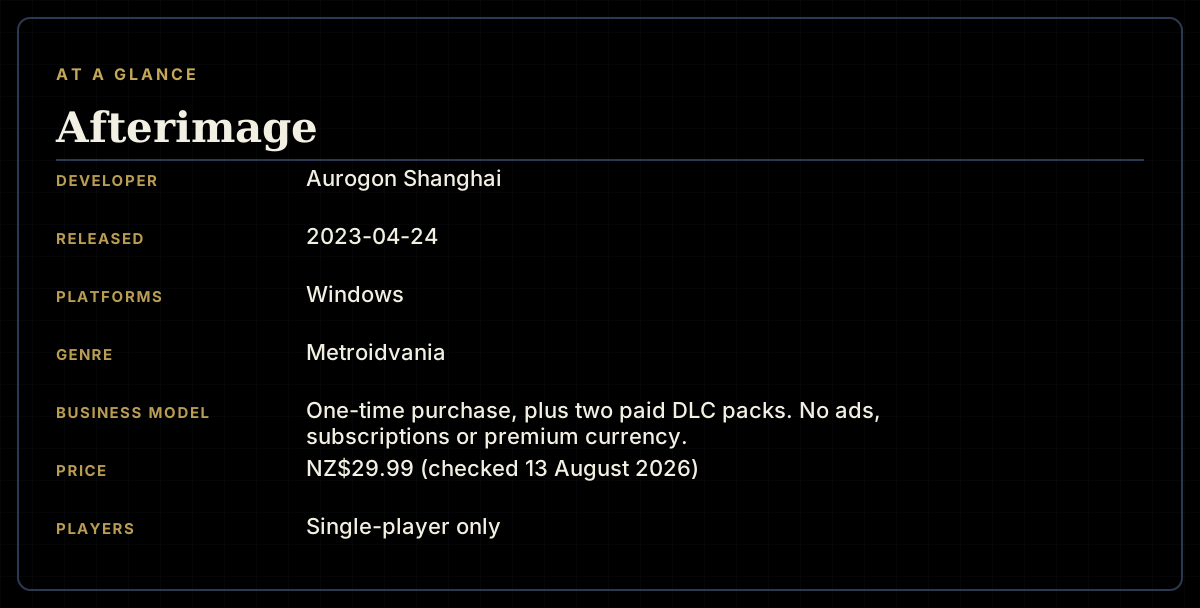
The essentials at a glanceWanderer Editorial -
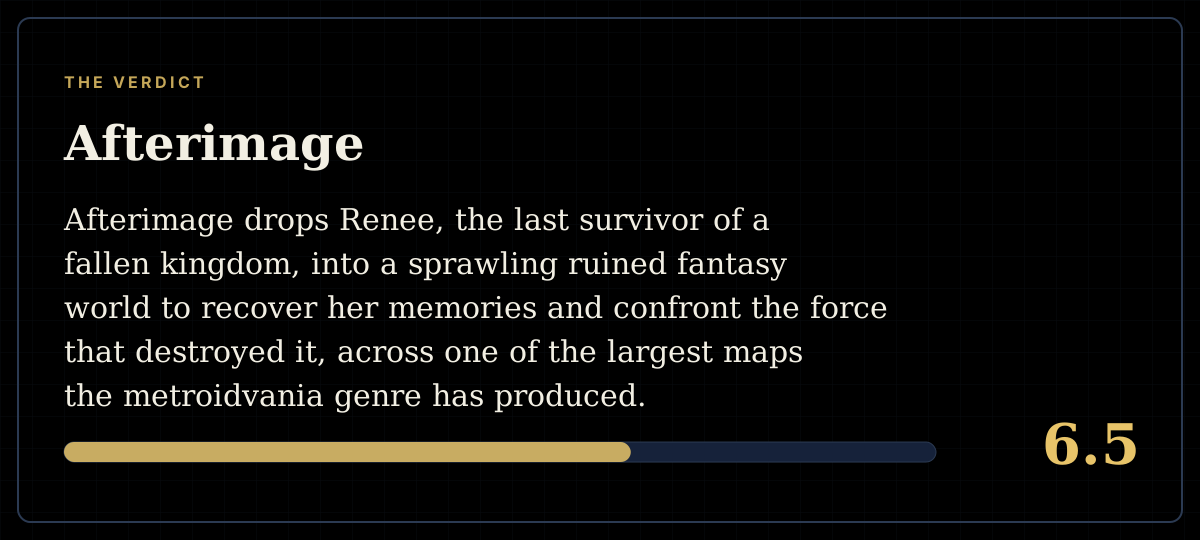
The final verdictWanderer Editorial