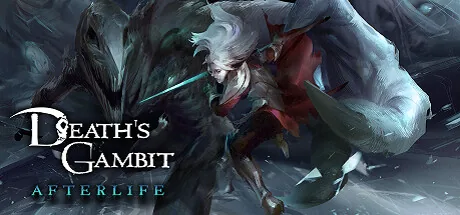
Game review
Death's Gambit
6.5 / 10
- Developer
- White Rabbit
- Publisher
- Serenity Forge
- Released
- 13 August 2018
- Platforms
- Windows
- Genre
- Action RPG, Metroidvania
- Monetisation
- One-time purchase. Two small cosmetic/soundtrack DLC add-ons; the Afterlife content overhaul itself was free to all existing owners. No in-game purchases.
- Players
- Single-player only
The short version
Death's Gambit is a 2D Dark Souls-inspired action RPG about a knight named Sorun who's struck a bargain with Death itself, exploring a grim fantasy world across seven weapon classes and a metroidvania-style map. It launched in August 2018 to a reception widely described even by its developer as thin -- short, light on weapon variety, short on bosses, and rough around the edges -- before a free 2021 overhaul called Afterlife added ten new levels, more than thirty weapons and five new bosses, plus a genuine mechanical rework. It sits at Very Positive on Steam today, 81.1% of 5,572 reviews.
Reading a large, recent sample of English-language reviews shows Afterlife did real work, but didn't erase everything reviewers criticised at launch. The most repeated specific complaints now are a punishing difficulty spike in the back half that a large share of reviewers call unbalanced rather than fair, no fast travel until very late in a large, easy-to-get-lost map, and a persistent frame-drop bug on high-refresh-rate monitors that at least one recent reviewer says has been a known, unfixed issue since release. A smaller but pointed complaint concerns the game requiring an internet connection to launch even for entirely offline single-player use.
Biggest strengths
- A genuinely large amount of free post-launch content via the Afterlife overhaul -- ten new levels, over thirty weapons and five new bosses added at no cost to existing owners
- Strong atmosphere, grim dark-fantasy tone and pixel art that reviewers consistently praise, even ones otherwise critical of the mechanics
- A wide variety of weapon classes and builds that reward experimentation, praised by reviewers who click with the combat
Biggest weaknesses
- A punishing difficulty spike in the game's back half, particularly around "Heroic" bosses and challenge arenas, that a large share of reviewers describe as poorly balanced rather than appropriately hard
- No fast travel until very late in a large, sometimes disorienting map, which a consistent number of reviewers say makes backtracking a chore rather than part of the exploration
- A persistent frame-drop bug on high-refresh-rate monitors that at least one recent reviewer describes as a known issue since release that has never been fixed
Who it's for: Souls-like and metroidvania fans who want a grim, atmospheric dark fantasy world and don't mind real rough edges alongside genuine highlights. Less good for players who want the tight balance and polish of genre leaders like Hollow Knight or Blasphemous, or anyone frustrated by unnecessary always-online requirements in a single-player game.
Our recommendation: Worth it at its frequent discount price given how much free content Afterlife added, less compelling at full price against more polished genre peers. Go in expecting a well-balanced, atmospheric first half and a rougher, spikier back half, and check whether the high-refresh-rate frame-drop issue affects your monitor before committing to a long session.
6.5 / 10
Death's Gambit puts you in the boots of Sorun, a knight who strikes a bargain with Death itself for the strength to fight an unstoppable plague, sending him across a grim, atmospheric fantasy world built around seven weapon classes and a metroidvania-style interconnected map. The Dark Souls influence is unmistakable and openly acknowledged — deliberate difficulty, methodical combat, grim lore delivered obliquely — and White Rabbit's execution of that pitch has had an unusually public two-act history. The original August 2018 release landed to a reception that even retrospective coverage widely describes as thin: short, light on weapon variety, short on bosses and rough around the edges. Three years later, White Rabbit released Death's Gambit: Afterlife, a free overhaul adding ten new levels, more than thirty weapons, five new bosses and real mechanical reworks to blocking and combat — described by more than one outlet at the time as making the game "what it should have been three years ago." Today it sits at Very Positive on Steam, 81.1% of over 5,500 reviews, and reading a large, recent sample of that history shows Afterlife did real, substantial work without fully closing every gap reviewers first flagged.
What Afterlife actually fixed
The scale of the free overhaul is worth taking seriously rather than treating as marketing language. Reviewers who played both versions consistently describe the current game as meaningfully better than the 2018 original — more weapons, more bosses, more content, and combat and blocking systems that received genuine reworks rather than cosmetic patches. Several reviewers who returned specifically because they'd bounced off the original in 2018 describe a noticeably improved experience the second time around, and the variety of weapon classes now on offer draws consistent praise from players who enjoy experimenting with different builds. This is a genuinely unusual case of a struggling launch getting a real, substantial second chance rather than incremental patches, and it's the main reason the game's current standing is as solid as it is.
The difficulty spike that reviewers say isn't fair
What Afterlife didn't fully resolve, according to a large share of the current review sample, is balance in the game's back half. A consistent, specific complaint concerns "Heroic" bosses and challenge-arena content that reviewers describe as forcing repetitive grinding or overtuned damage checks rather than testing skill fairly — one recent review calls a specific late boss encounter an unreasonable mix of bullet-hell patterns and damage checks that locks out the player's strongest tools. This is a different complaint from ordinary "this game is hard," which most souls-like fans expect and often want; it's specifically about a perceived fairness gap between the earlier, better-tuned portions of the game and a back half several reviewers say never got the same attention during the Afterlife rework.
A map that punishes exploration instead of rewarding it
The second consistent complaint concerns navigation. Death's Gambit doesn't offer fast travel until very late in the campaign, and a large number of reviewers describe the map as large, confusing and prone to leaving players backtracking across already-cleared areas without a clear sense of where to go next. "The map design is a HUGE MESS," reads one blunt review; several others independently make the same point in more measured terms, describing hours spent re-crossing ground rather than advancing. For a metroidvania, where backtracking with new abilities is usually part of the appeal, the consistent framing here — that it's tedious rather than rewarding — suggests the map's layout and signposting, not the concept of backtracking itself, is the actual problem.
Old bugs that are still there
A smaller but pointed thread of complaints concerns technical reliability, and it's notable for how long some of these issues have persisted. One recent reviewer reports a frame-drop bug specifically affecting high-refresh-rate monitors that they say has been a known issue since the game's original release and remains unfixed years later, alongside a workaround the developers posted years ago that apparently no longer works. Others report softlock bugs tied to specific boss encounters and save-corruption problems on console. A separate, more unusual complaint concerns the game requiring an internet connection to reach its title screen even for entirely offline single-player play — several reviewers call this out specifically as unexplained and unnecessary for a game with no online features to justify it.
Verdict
6.5 out of 10. Death's Gambit is a genuinely more complete, more generous game today than it was at launch, and White Rabbit deserves real credit for the scale and cost — free — of the Afterlife overhaul that got it there. But its current review history is specific and consistent about what still isn't right: a back half that a large share of players call unfairly balanced rather than appropriately hard, navigation that turns exploration into a chore without fast travel, and technical issues, including a multi-year-old frame-drop bug, that a well-supported game this age shouldn't still carry. At its frequent discount price it's a reasonable pick for souls-like and metroidvania fans who don't mind real rough edges alongside real highlights; at full price, more polished genre peers make an easier case for themselves.
Pros and cons
Pros
- A genuinely large amount of free post-launch content via the Afterlife overhaul -- ten new levels, over thirty weapons and five new bosses added at no cost to existing owners
- Strong atmosphere, grim dark-fantasy tone and pixel art that reviewers consistently praise, even ones otherwise critical of the mechanics
- A wide variety of weapon classes and builds that reward experimentation, praised by reviewers who click with the combat
- Well-received music and voice acting that several reviewers single out as a highlight
Cons
- A punishing difficulty spike in the game's back half, particularly around "Heroic" bosses and challenge arenas, that a large share of reviewers describe as poorly balanced rather than appropriately hard
- No fast travel until very late in a large, sometimes disorienting map, which a consistent number of reviewers say makes backtracking a chore rather than part of the exploration
- A persistent frame-drop bug on high-refresh-rate monitors that at least one recent reviewer describes as a known issue since release that has never been fixed
- Requires an internet connection to launch even when playing entirely offline single-player, which several reviewers call an unnecessary and unexplained requirement
Screenshots
-
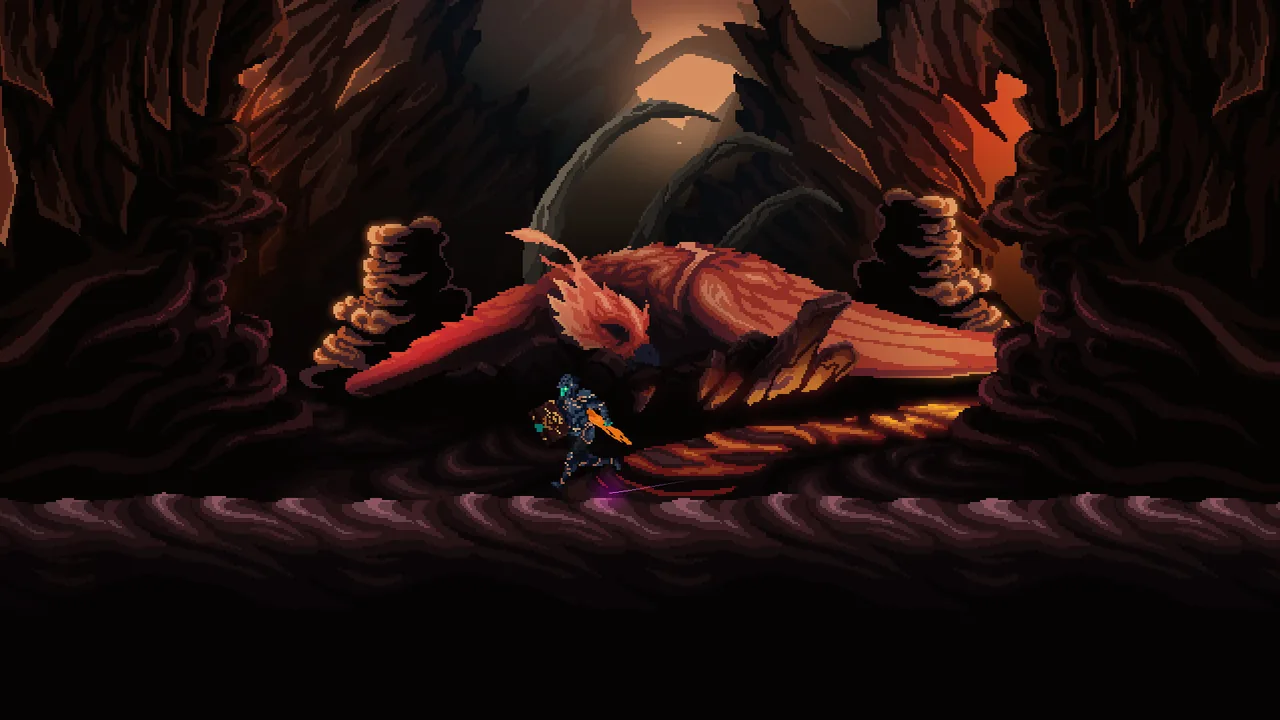
Death's Gambit: AfterlifeImage: Serenity Forge via Steam -
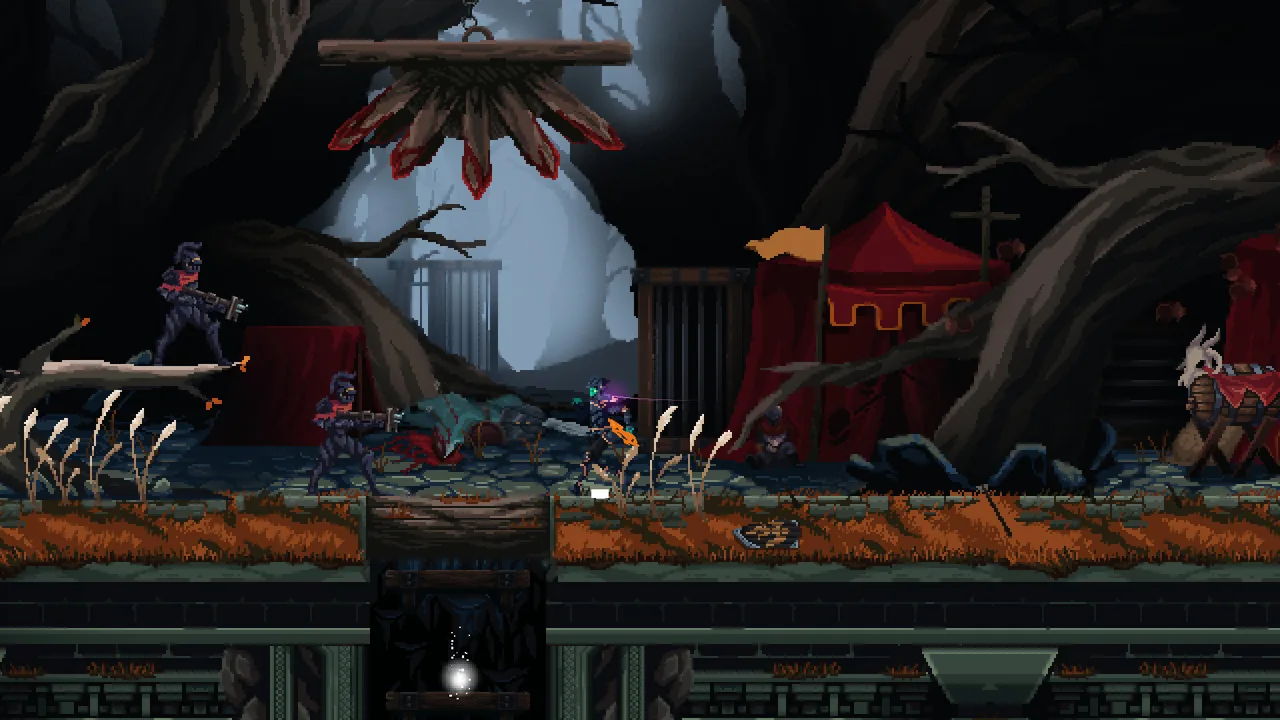
Death's Gambit: AfterlifeImage: Serenity Forge via Steam -
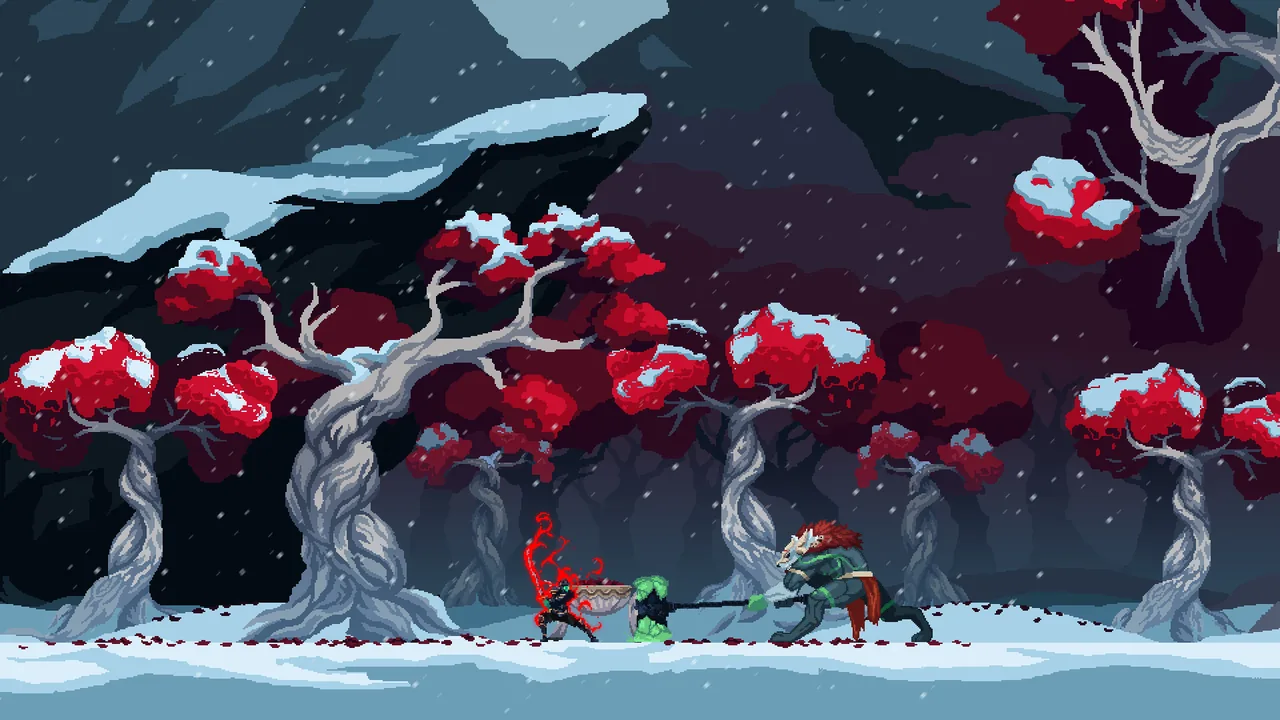
Death's Gambit: AfterlifeImage: Serenity Forge via Steam -
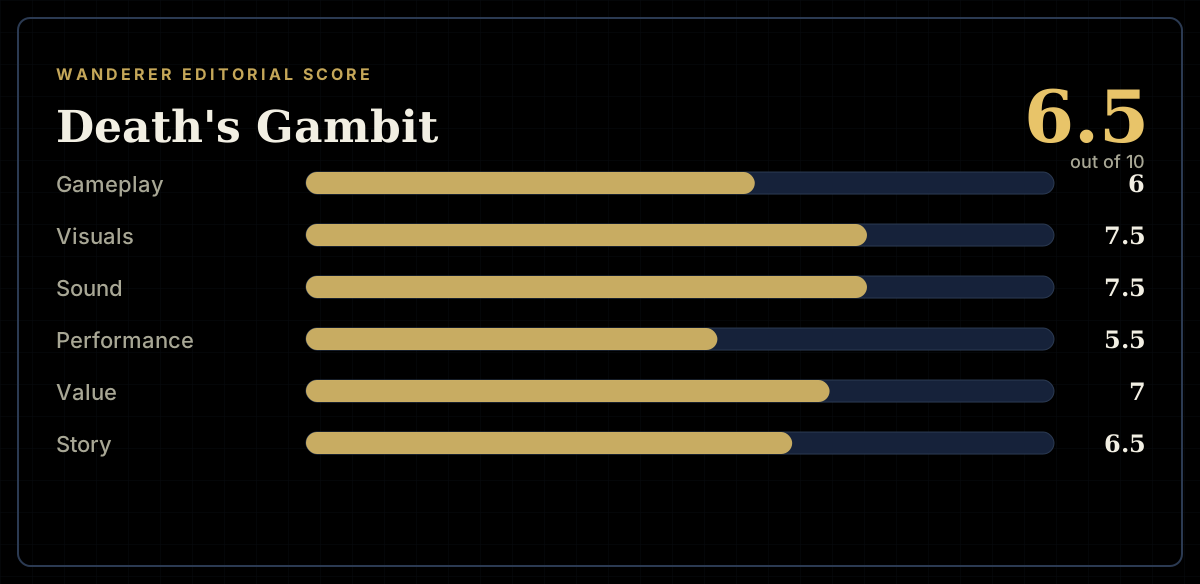
How the review scores each part of the gameWanderer Editorial -
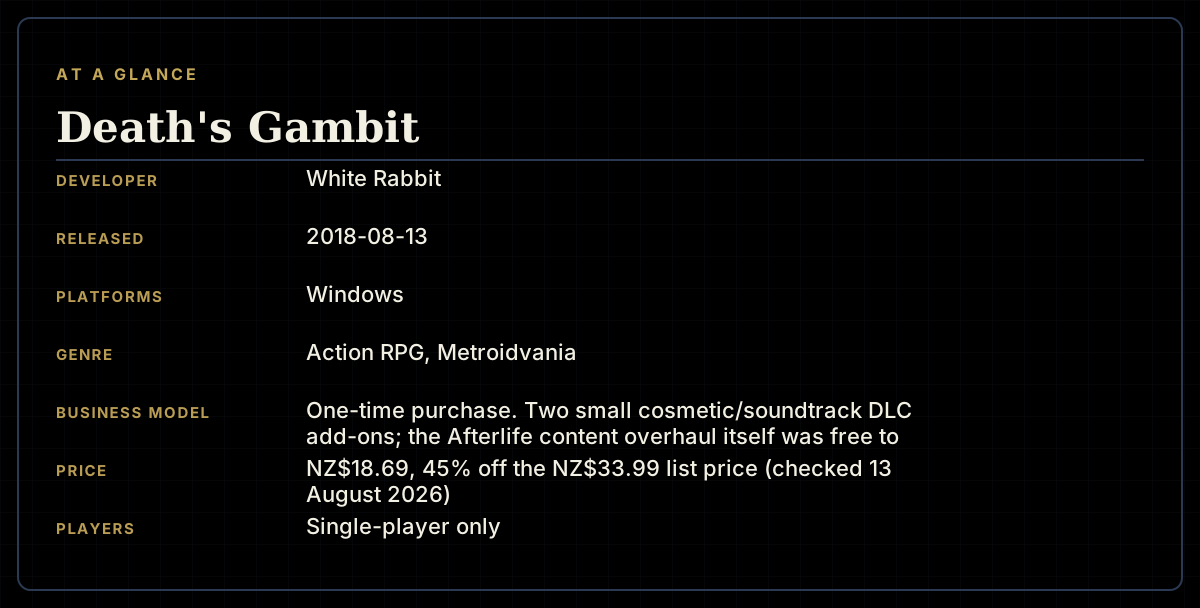
The essentialsWanderer Editorial -
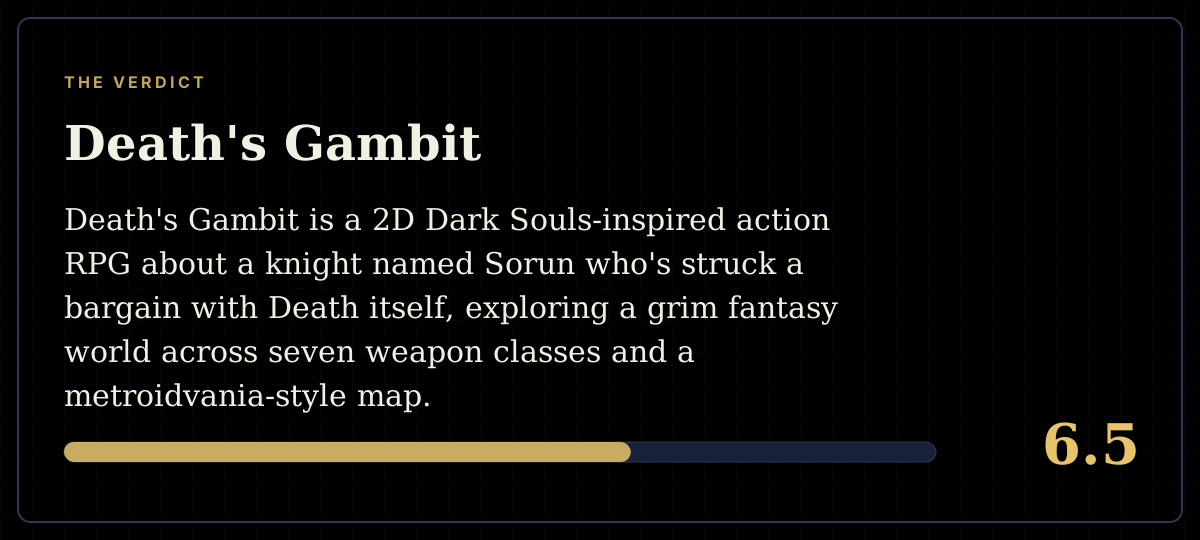
The short versionWanderer Editorial