Game review
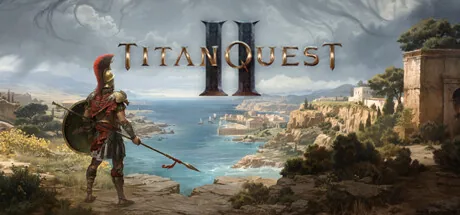
Titan Quest II
7 / 10
- Developer
- Grimlore Games
- Publisher
- THQ Nordic
- Released
- 1 August 2025
- Platforms
- Windows
- Genre
- Action RPG
- Monetisation
- Premium, one-off purchase; price is expected to rise as Early Access progresses
- Players
- Online co-op, currently an early preview feature
The short version
Titan Quest II's dual-mastery class system — build your own hybrid by combining two of four starting masteries rather than picking a fixed class — is exactly the kind of ambitious return a fifteen-years-dormant series needed, and the Greek-mythology setting still has real texture to it under Unreal Engine 5.
What's actually here right now is a first act's worth of content, real performance inconsistency even on strong hardware, and a loot system that floods the screen faster than the current UI can handle. Full price for a partial game is the standard Early Access trade, but it's a steeper one here than the genre's better-run Early Access launches have set as the bar.
Biggest strengths
- The dual-mastery system lets you build a genuinely personal hybrid class rather than pick from a fixed list, and it's the game's clearest strength
- Attribute and skill-modifier depth gives even early builds real room to specialise
- Handcrafted, verticality-conscious level design rewards actually exploring rather than beelining the main quest
Biggest weaknesses
- Early Access currently covers roughly the first act — experienced players report seeing most of what's on offer within under ten hours
- Performance is inconsistent even on strong hardware, with reported frame drops, microstutters and lag spikes that undercut otherwise responsive combat
- Loot volume outpaces the inventory and UI's ability to handle it — chests can flood your bag and visibly lag the game in the process
Who it's for: Diablo-style ARPG fans who remember the original Titan Quest fondly and don't mind paying full price to watch a promising system grow, plus anyone who wants a build-crafting game that isn't chasing a live-service model.
Our recommendation: If you're the kind of player who enjoys Early Access as a process — watching systems get patched and expanded over a year — this is a good one to back now. If you want a complete game for your money today, wait for at least the next few content updates.
7 / 10
The original Titan Quest earned a loyal following in 2006 and then waited nineteen years for a proper sequel, surviving a publisher bankruptcy and years of dormant rights along the way. That history matters here, because Titan Quest II arrives carrying real expectations from people who remember exactly what made the first game work, and Grimlore Games — the SpellForce 3 studio, not the original developer — has chosen to meet those expectations with genuine ambition rather than a safe retread.
Build your own class, properly
The headline system is the returning dual-mastery structure: rather than choosing a fixed class at character creation, you pick two of the game's masteries — Storm's lightning and ice magic and Warfare's melee focus are the two most detailed at this stage of Early Access — and build a hybrid from the overlap. Attributes (Might, Agility, Knowledge, Vigor, and secondary stats) determine what your gear and skills demand of you, and skill modifiers let you lean a chosen mastery toward the specific playstyle you actually want rather than the one the game assumes you'll pick.
Only four masteries exist at this stage of Early Access, well short of the nine the original game eventually offered across its base game and expansions, but the combinatorial promise is already visible. This is the part of Titan Quest II that justifies the series' return, and it's also the part with the most room left to grow before 1.0.
Ancient Greece with real texture
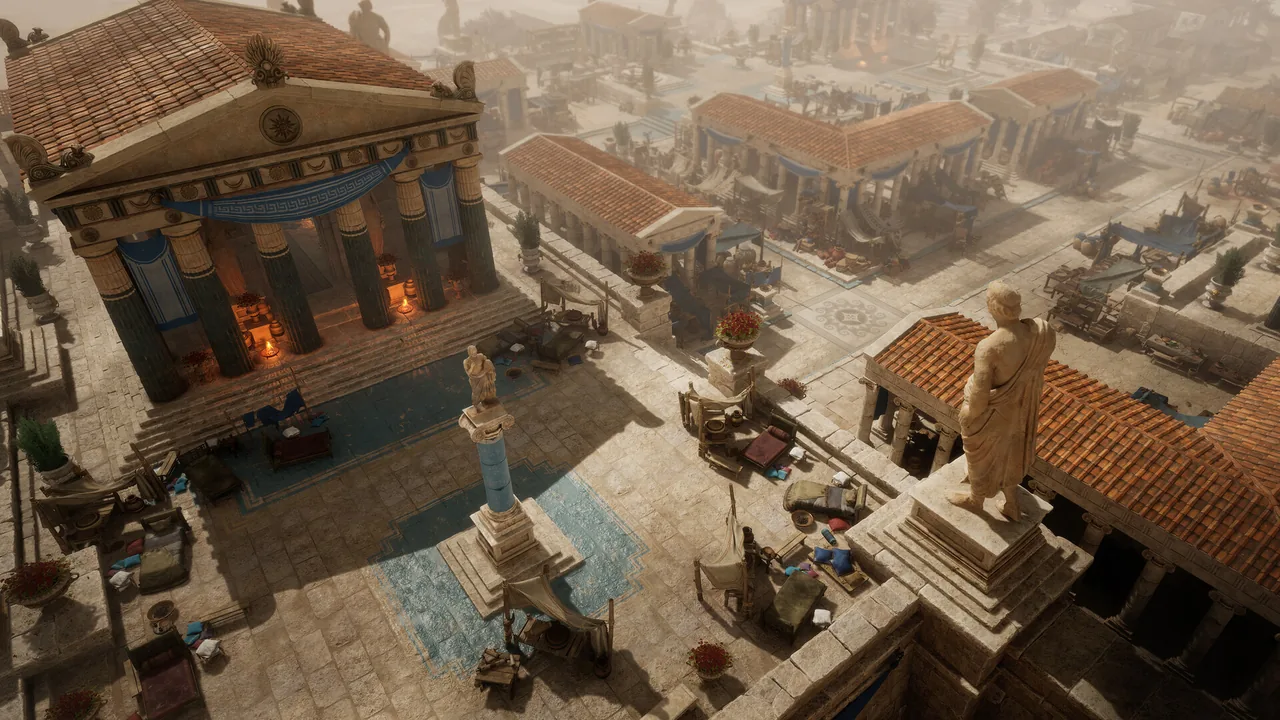
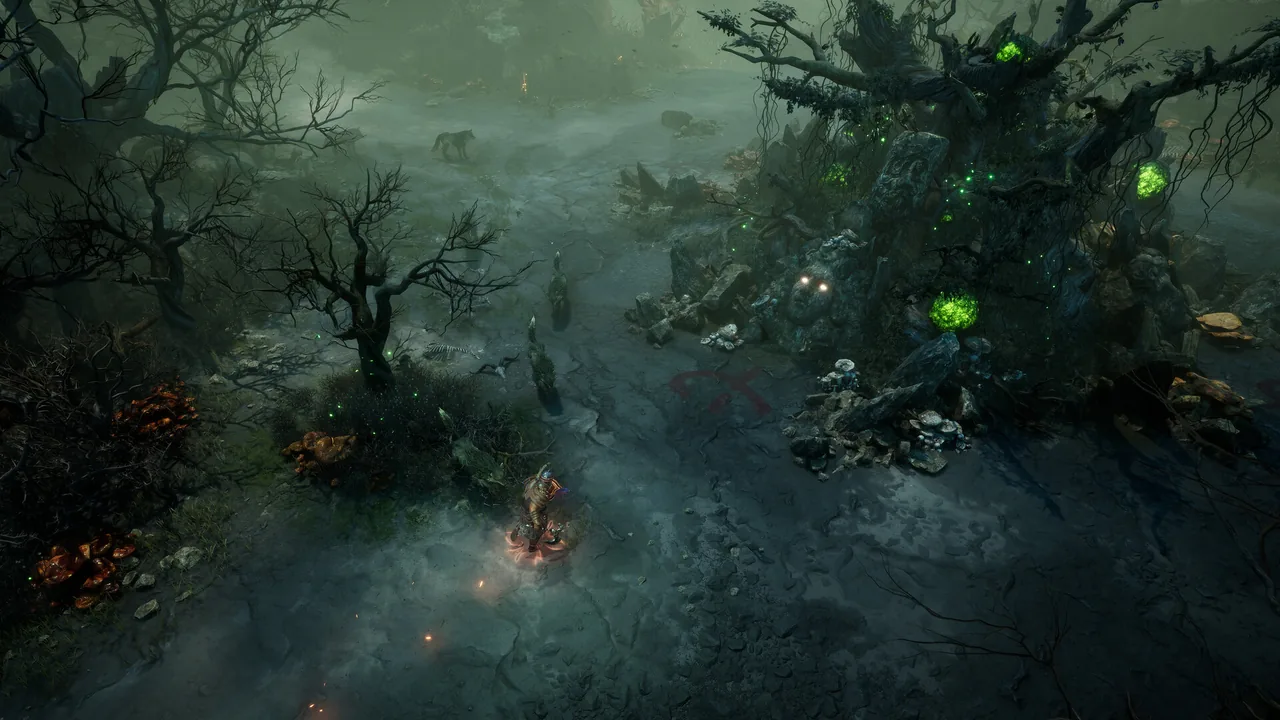
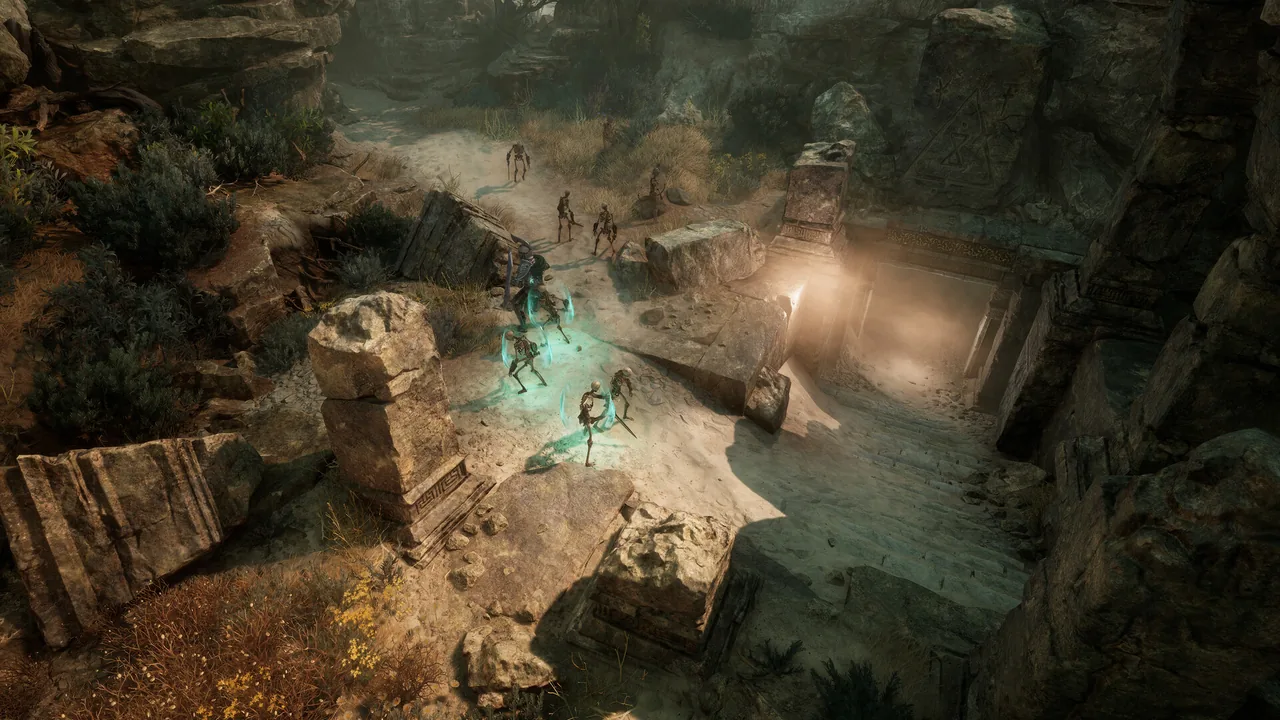
The setting — a reimagined Ancient Greece under assault from Nemesis, Goddess of Retribution, corrupting the threads of fate — gives Grimlore's Unreal Engine 5 handcrafted levels somewhere specific to be. Verticality and hidden side content reward actually walking off the main path, and the atmosphere leans on Greek mythology's genuine texture rather than generic fantasy dressing. It's a good-looking game, and more importantly a game whose world feels considered rather than procedurally padded.
What you're actually buying right now
This is where the review has to get concrete about Early Access, because the gap between the systems and the current build is real. Content currently runs to roughly the first act, and players putting in serious hours report having seen most of what's here somewhere under the ten- hour mark — a short runway for a full-price purchase. Enemy variety in those early hours is thin, with a lot of time spent fighting minor variations on birds, snakes and oversized vermin rather than the mythological creature roster the setting promises.
Performance is the more concerning issue, because it isn't just an early-hours problem that better content will fix. Players on genuinely strong hardware have reported inconsistent frame rates, microstutters and lag spikes, and the loot system compounds it — chests can dump enough items at once to visibly lag the game and overflow an inventory that isn't built to manage the volume gracefully. None of this is unusual for a UE5 Early Access ARPG mid-development, but it's worth being clear-eyed about before paying full future price for a build still working through it.
The Early Access trade
THQ Nordic's own roadmap points to roughly a year in Early Access, with the explicit caveat that it could run longer, monthly bugfix patches and quarterly feature updates. Online co-op exists but is labelled an early preview, not a finished feature. Three hundred thousand copies sold in the first 72 hours says the audience showed up ready to believe in this; what happens over the next few content updates will decide whether that belief was well placed.
Final verdict
Titan Quest II has the right idea at its core — a flexible, build-your-own class system and a mythological setting with real atmosphere — wrapped around a first act that doesn't yet carry the weight of what it's charging for it. The dual-mastery system alone is worth watching this project for. The performance issues, thin early content and loot-management problems are worth waiting for, if a complete, polished game matters more to you than being present for the build process.
Seven reflects genuine promise held back by an honest accounting of what Early Access currently delivers. Check back as the content updates land — this is a series worth rooting for, even if it isn't there yet.
Price and Early Access status checked 29 July 2026.
If you'd rather your character build kept growing without an Early Access price tag attached, Wanderer is free throughout and adds new systems without ever re-charging you for them.
Pros and cons
Pros
- The dual-mastery system lets you build a genuinely personal hybrid class rather than pick from a fixed list, and it's the game's clearest strength
- Attribute and skill-modifier depth gives even early builds real room to specialise
- Handcrafted, verticality-conscious level design rewards actually exploring rather than beelining the main quest
- A Greek-mythology setting with real atmosphere, not just reskinned generic fantasy
- Strong opening commercial reception (300,000 copies in the first 72 hours) suggests a healthy player base to build a live economy and co-op experience around over time
Cons
- Early Access currently covers roughly the first act — experienced players report seeing most of what's on offer within under ten hours
- Performance is inconsistent even on strong hardware, with reported frame drops, microstutters and lag spikes that undercut otherwise responsive combat
- Loot volume outpaces the inventory and UI's ability to handle it — chests can flood your bag and visibly lag the game in the process
- Early enemy variety is thin, with several hours spent fighting minor variations on the same few creature types
- Full price for a partial, still-rough build is a real ask, even by Early Access standards
Screenshots
-
Titan Quest IIImage: THQ Nordic via Steam -
Titan Quest IIImage: THQ Nordic via Steam -
Titan Quest IIImage: THQ Nordic via Steam -
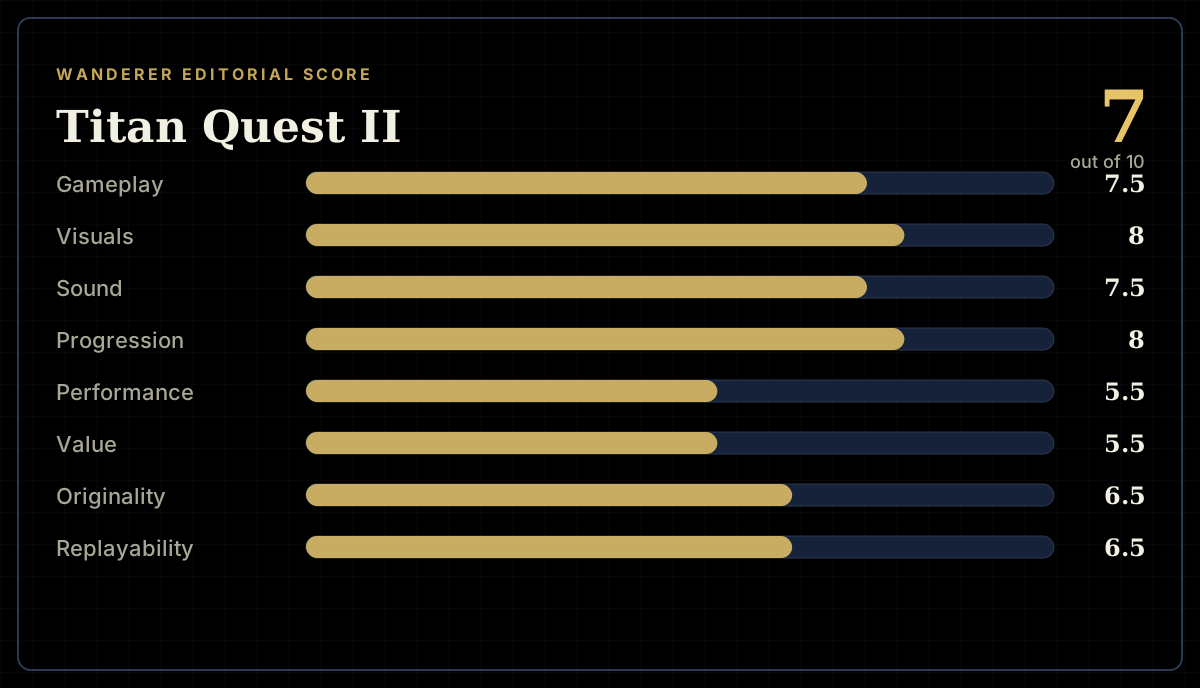
How the review scores each part of the gameWanderer Editorial -
The short versionWanderer Editorial