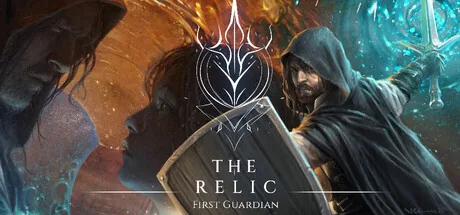
Game review
The Relic: First Guardian
4.5 / 10
- Developer
- Project Cloud Games
- Publisher
- Perp Games
- Released
- 30 July 2026
- Platforms
- Windows, PlayStation 5
- Genre
- Action RPG
- Monetisation
- Premium, one-off purchase — no in-game purchases at launch
- Players
- Single-player
The short version
The Relic: First Guardian has a genuinely distinctive skeleton: attacks cost no resources at all, so offence is unlimited while a stamina meter is reserved strictly for dodging and blocking, and there's no traditional levelling — power comes entirely from gear and more than 70 relic passives you can freely swap to reshape a build. Players who push past the opening hour describe the underlying combat as clunky but genuinely enjoyable.
Almost nobody gets that far. The PC release shipped without a working graphics options menu, Metacritic's critic average sits in the mid-50s on both platforms it launched on, and it arrives still trailing a pre-launch controversy over AI-assisted art that the director says was cut from the shipped build and a number of players say they can still spot. At NZ$75.99, every one of those problems reads as an insult rather than a launch hiccup.
Biggest strengths
- Attacks cost zero resources, so offence is unlimited while stamina is reserved purely for dodging and blocking — a real, distinctive rebalancing of the genre's usual risk economy
- No traditional levelling — power comes entirely from gear and over 70 unique relic passives, letting you reshape a build without ever opening a skill tree
- Players who get past the rough opening consistently describe the core combat as clunky but genuinely enjoyable, not broken
Biggest weaknesses
- No functioning resolution control at launch and essentially no graphics settings menu — an unusually basic omission for a 2026 PC release, and the single most common complaint
- Metacritic's critic average sits in the mid-50s on both PC and PlayStation 5, consistent with the "ambition ahead of execution" read running through user reviews too
- A pre-launch AI-generated-art controversy prompted a public statement from director In-hyeok Park saying the final release contains none of it; a number of post-launch reviews say the loading screens and voice work still read as machine-made
Who it's for: Souls-adjacent action RPG fans specifically curious about the free-attack, gear-only build system — and only those willing to wait for patches or a steep discount before buying in.
Our recommendation: Wait. The combat design is genuinely interesting and players who stick around report real patch-to-patch improvement, but paying near-AAA price for a PC release with no graphics settings, on top of mid-50s critic scores and an unresolved art controversy, isn't defensible today. Revisit once the patch cadence has had more time and the price has come down.
4.5 / 10
The pitch for The Relic: First Guardian is better than almost anything else in its launch week. Forget experience bars — your character grows entirely through the relics and one-of-a-kind weapons pulled from up to eighty different bosses, each one a self-contained folktale from a Korean myth-inspired apocalypse. That's a genuinely interesting structural bet for an action RPG to make. What actually reached players a week ago is a build with no PC graphics options, mid-50s critic scores on both the platforms it launched on, and a pre-launch AI-art controversy the studio says it fixed and a number of reviewers insist they can still see.
Attacks that cost nothing, defence that costs everything
Combat's central conceit is worth taking seriously on its own terms. Basic attacks draw from no resource pool at all — you can chain them as long and as fast as you want, without watching a stamina bar drain out from under you mid-combo. That gauge exists purely for defence: dodging and blocking eat into it, and running it dry during a boss's punish window is the actual risk the game asks you to manage, while magic sits on its own separate cooldown-and-meter system entirely apart from that stamina economy. It's a clean division of labour that solves a problem a lot of games in this genre never quite crack: making aggression feel free while still making carelessness feel expensive. Players who've spent real hours with the game consistently single this out as the part that works.
Relics instead of levels
The progression hook backing that combat is just as distinctive. There's no character level in the conventional sense — power comes from the gear and relics you find, and specifically from more than seventy unique passive effects scattered through the world that you freely swap in and out to reshape how a build plays. Pair that with five distinct weapon masteries — sword and shield, battle staff, daggers, two-handed weapons and longsword — and a promise that every weapon is a bespoke, non-duplicated item with its own backstory, and the intent is clearly to make loot itself the story, not just the stat sheet behind it. It's an ambitious system for a small studio to commit to, and reviewers who've gotten deep enough into it describe genuine build variety once it clicks.
What almost nobody is staying long enough to find
The honest complication is that very few players are getting far enough to test any of that. Steam reviews of the launch build skew heavily toward short sessions — first impressions of a broken settings menu, not verdicts on eighty boss fights. The specific, dominant complaint isn't the combat design at all: reviewers report no working native resolution control on PC, with the game defaulting to a scaled-down output, and essentially no graphics options menu beyond a vsync switch and a frame limiter. For a game built in a modern engine, shipping without a real settings menu isn't a rough edge, it's a missing baseline feature, and critic scores back up how much that's weighing the game down — Metacritic's aggregate sits in the mid-50s on both PC and PlayStation 5, a score critics generally attach to "ambition clashing with execution" rather than a fundamentally broken game.
An unresolved argument about the art
Compounding the technical problems is a controversy that predates release. Preview builds shown to content creators before launch included title and loading-screen art, item icons and dialogue that several reviewers immediately flagged as AI-generated. The backlash was loud enough that director In-hyeok Park issued a public statement: AI tools were used "in a very few areas to help in the concept stage of development," specifically some loading-screen concept art and consumable icons, and while "one or two elements" of that might have lingered in the preview build, the final release was said to contain none of it. That statement hasn't fully settled the argument — a number of post-launch reviews still describe the loading-screen art and some of the voice work as reading the same way the preview material did. Whether that's leftover material a cleanup missed or simply a house style that resembles AI output, it's a trust problem sitting on top of a technical one, and it's the kind of story that follows a launch for weeks rather than fading after the first patch.
The price makes everything else worse
NZ$75.99 is priced like a major-studio release, and it's layered on top of every other complaint rather than existing separately from them. Reviewers who are otherwise willing to credit the combat and the relic system consistently point to the asking price as the thing tipping their verdict negative — a fair summary running through the reviews is that the same build at roughly half the price would read as a promising, rough-edged indie rather than an insult. None of the individual problems here are unusual for a small studio's first major release; asking near-AAA money for them at the same time is what turns forgivable rough edges into a hard pass.
Final verdict
There's a genuinely interesting action RPG somewhere inside The Relic: First Guardian — a resource economy that rewards aggression differently than the genre usually does, a loot-driven build system with real depth, and eighty bosses' worth of ambition from a small team after six years of work. Almost none of that is visible to the people buying it today, because the PC release shipped without basic display options, both versions are sitting in the mid-50s with critics, and an art controversy the studio says is resolved hasn't convinced everyone. Four and a half is a score for the game as sold right now, not a verdict on what six years of work were aimed at — and if Project Cloud Games keeps patching at the rate they have been, and the price eventually comes down to match what's actually here, this is worth returning to.
Price, platform and review data checked 5 August 2026.
If you want build experimentation without gambling full price on day-one platform support, Wanderer keeps its progression persistent and its entry cost at zero.
Pros and cons
Pros
- Attacks cost zero resources, so offence is unlimited while stamina is reserved purely for dodging and blocking — a real, distinctive rebalancing of the genre's usual risk economy
- No traditional levelling — power comes entirely from gear and over 70 unique relic passives, letting you reshape a build without ever opening a skill tree
- Players who get past the rough opening consistently describe the core combat as clunky but genuinely enjoyable, not broken
- Six years of development from a small studio went into up to 80 distinct boss encounters, each framed as its own standalone piece of dark folklore, and five separate weapon masteries
Cons
- No functioning resolution control at launch and essentially no graphics settings menu — an unusually basic omission for a 2026 PC release, and the single most common complaint
- Metacritic's critic average sits in the mid-50s on both PC and PlayStation 5, consistent with the "ambition ahead of execution" read running through user reviews too
- A pre-launch AI-generated-art controversy prompted a public statement from director In-hyeok Park saying the final release contains none of it; a number of post-launch reviews say the loading screens and voice work still read as machine-made
- NZ$75.99 is priced like a major-studio release, and it's the complaint layered on top of every other issue — several reviewers say a $30 asking price would make the same game easy to recommend
Screenshots
-
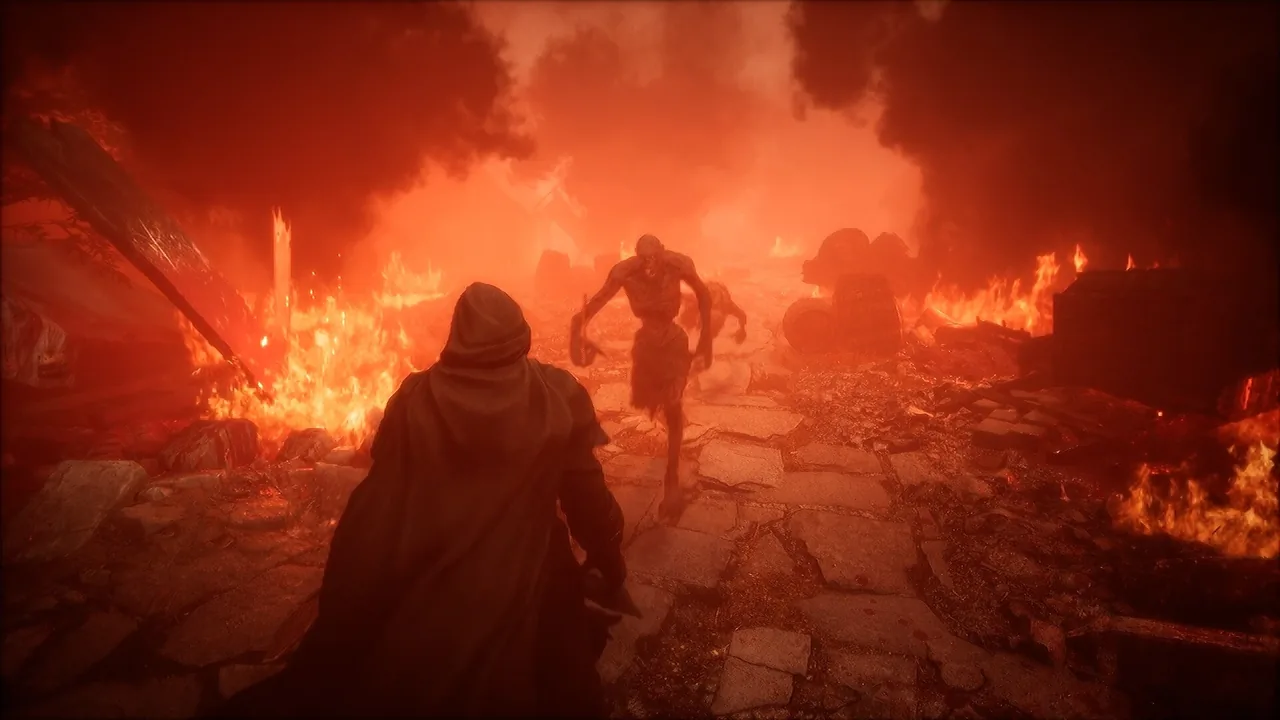
The Relic: First GuardianImage: Perp Games via Steam -
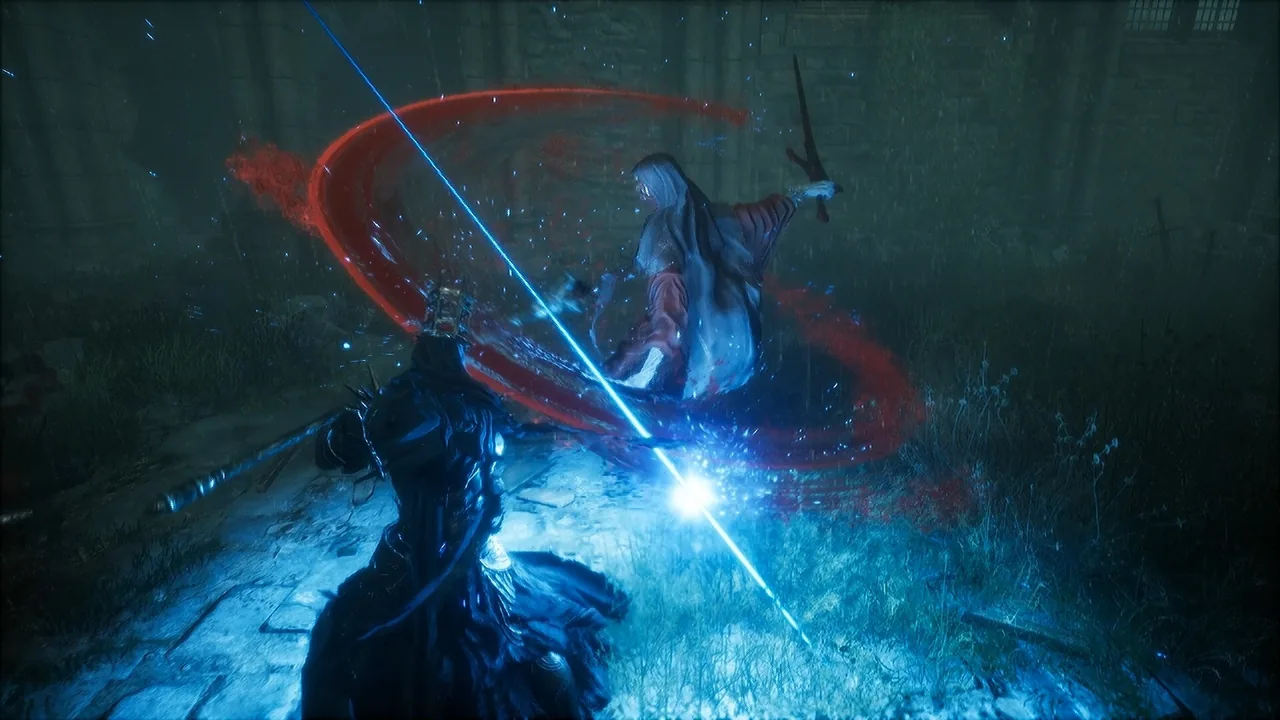
The Relic: First GuardianImage: Perp Games via Steam -
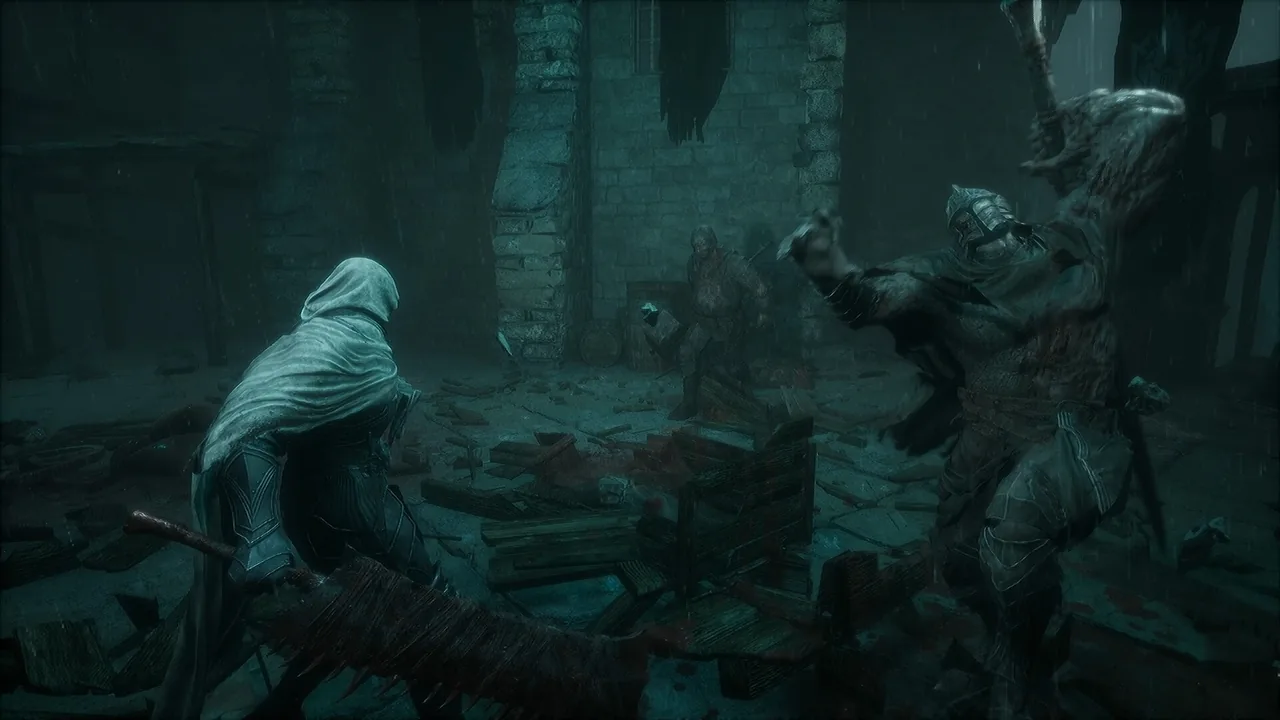
The Relic: First GuardianImage: Perp Games via Steam -
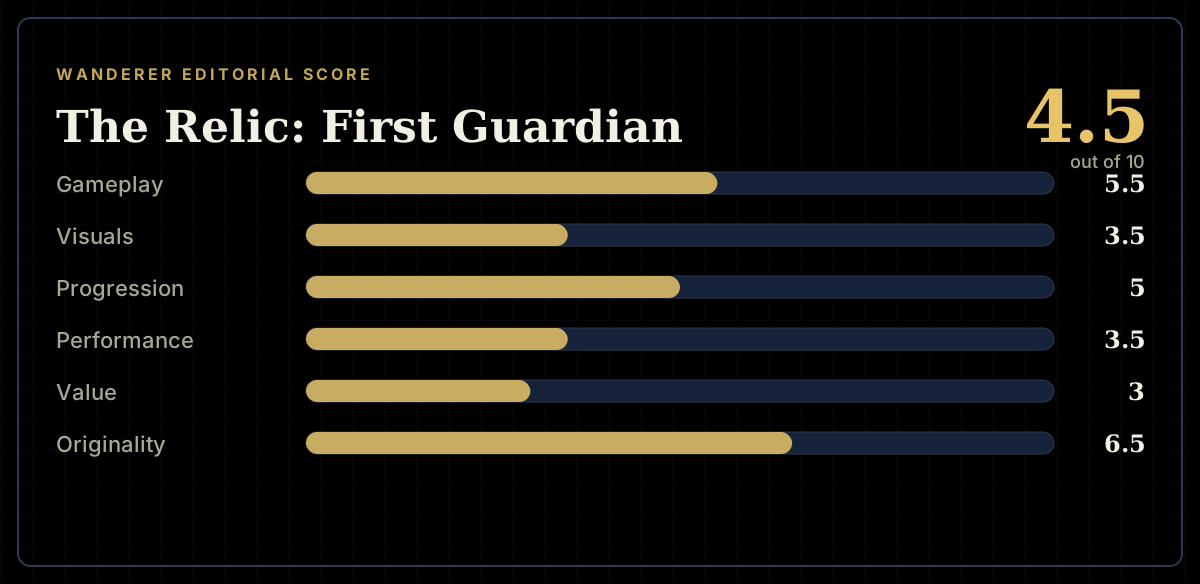
How the review scores each part of the gameWanderer Editorial -
The short versionWanderer Editorial