Game review
NieR:Automata
8.5 / 10
- Developer
- PlatinumGames Inc.
- Publisher
- Square Enix
- Released
- 17 March 2017
- Platforms
- Windows
- Genre
- Action RPG
- Monetisation
- One-time purchase at NZ$59.95. Cosmetic and content DLC available separately, including a 2026 Stellar Blade crossover pack.
- Players
- Single-player only
The short version
NieR:Automata is one of the defining action RPGs of the last decade — a story told across multiple playthroughs and perspectives, bullet-hell and hack-and-slash combat that shifts genre entirely between sections, and a soundtrack regularly cited among gaming's best. 152,465 reviews and 87% positive reflect a game that reached people the way its most-upvoted review, with over 10,000 votes, describes: imperfect, but unforgettable if it lands.
It's also a genuine case study in how a bad PC port can dominate years of a great game's review history. A 2021 wave — 37 of the 100 most-upvoted negative reviews in this game's history — documents Square Enix releasing fixed, enhanced content on a rival storefront while leaving existing Steam owners without an upgrade path, on top of years of prior stuttering and performance complaints. That wave has almost entirely stopped since, and today's reviews read like a different, much smoother game.
Biggest strengths
- A genuinely ambitious, philosophically driven story told through multiple required playthroughs from different characters' perspectives, rare in the genre at this scale
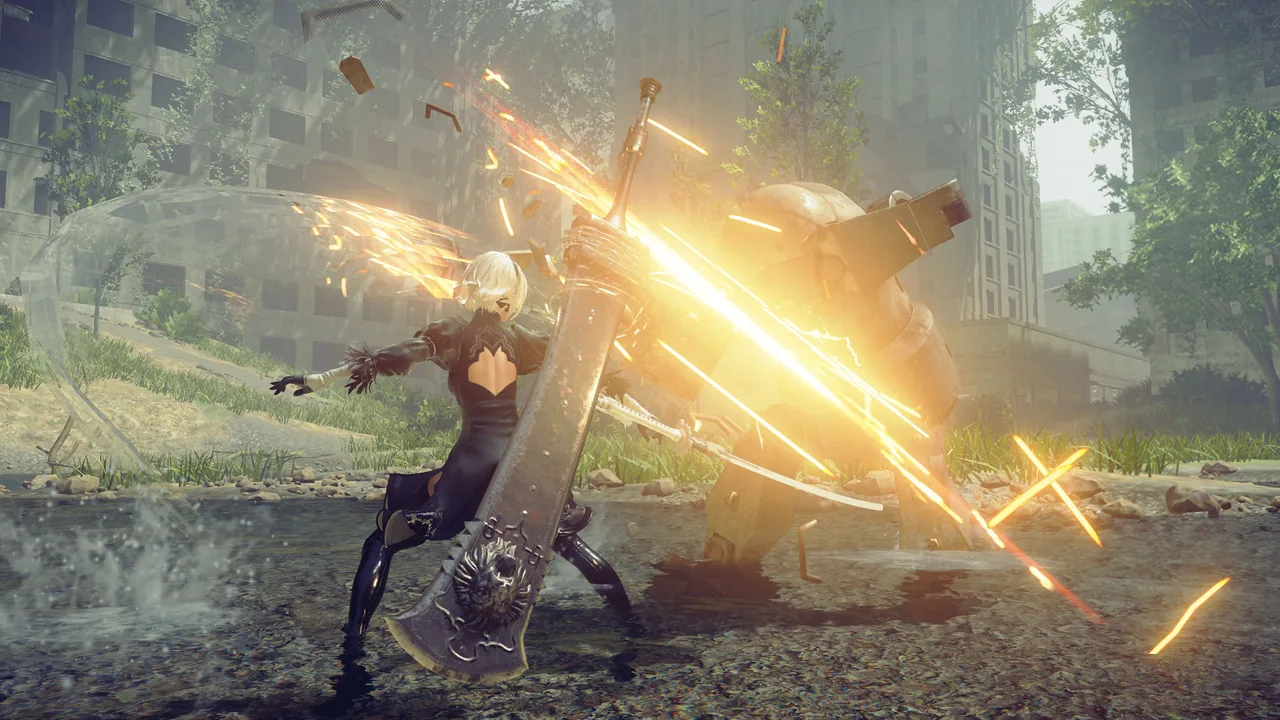
- Combat shifts fluidly between hack-and-slash, bullet-hell shoot-em-up and other genres entirely, without ever feeling like a gimmick
- One of the most acclaimed video game soundtracks of its era, still cited by name in reviews nearly a decade later
Biggest weaknesses
- A well-documented 2021 controversy: enhanced "Game of the YoRHa Edition" fixes and content reportedly arrived on a rival storefront first, without an upgrade path for existing Steam owners at the time
- Years of prior reviews (2017-2020) describe a genuinely rough PC port with stuttering and inconsistent performance, addressed only gradually and partly through community mods
- The deliberately plain, repetitive-feeling opening hours are a real barrier some players won't push through before the story's structure justifies them
Who it's for: Fans of philosophically ambitious action RPGs, multiple-ending narrative structures, and games willing to change their own rules mid-story. Less suited to players who want one clean playthrough — this game is explicitly built to be finished more than once — or anyone who can't tolerate a slow, deliberately clunky opening hour before the story reveals what it's actually doing.
Our recommendation: Buy it — the technical problems that dominated its Steam reputation for years are now historical rather than current, based on how sharply negative reviews have dropped off since 2021. Commit to seeing at least Ending C or D, not just A — the most-upvoted review in this game's history is essentially a countdown through the endings for a reason, and stopping after the first one means missing what NieR:Automata is actually about.
8.5 / 10
Some games get a reputation for their ideas. NieR:Automata has one for both its ideas and, for a long stretch of its life on Steam, for how badly the platform served it. Both stories are true, and both are worth telling, because the second one has largely resolved while the first one is the reason 152,000-plus people still call this a masterpiece.
What the game actually is
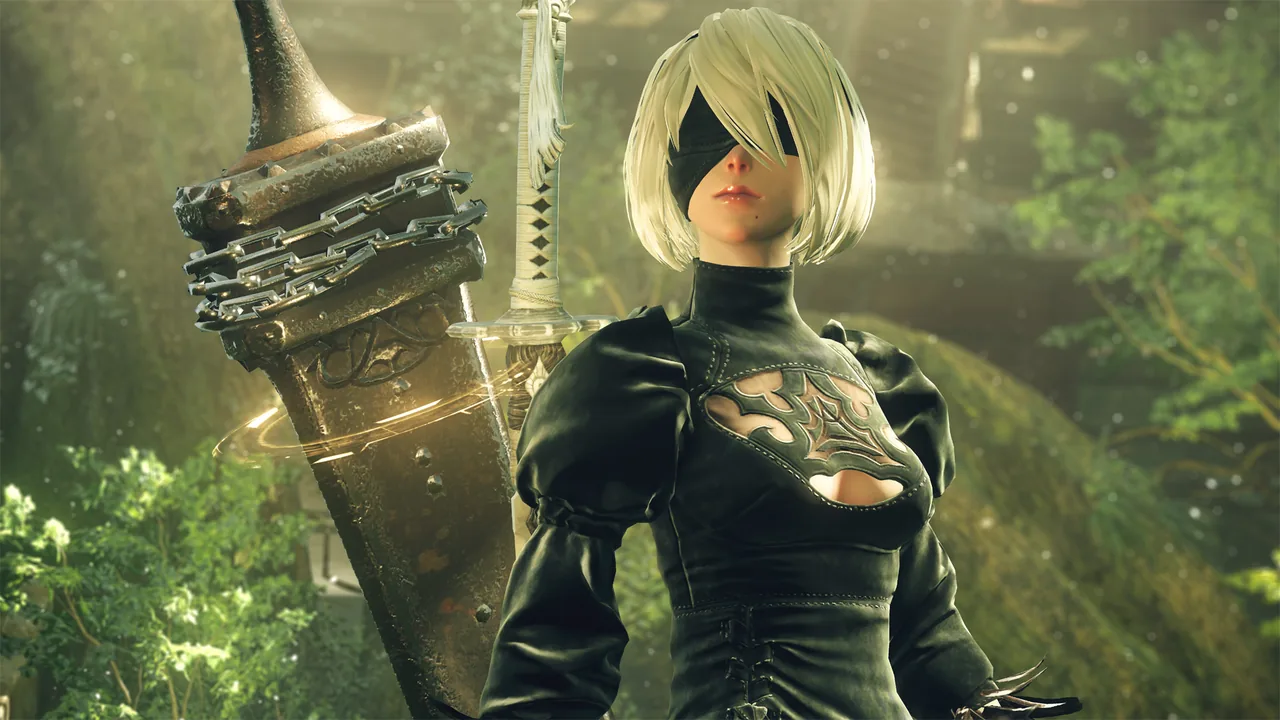
NieR:Automata follows android combatants 2B, 9S and A2 through a war against machine lifeforms on an Earth abandoned by humanity, and it tells that story by making you play through it multiple times from different vantage points, with combat, genre and even fundamental rules of the game shifting between passes. It's a hack-and-slash for long stretches, a bullet-hell shoot-em-up for others, and occasionally something the genre has no easy name for. The most-upvoted review in the game's entire history — over 10,000 votes — is essentially a countdown through its ending letters, because the structure itself is the point: stopping after the first ending means missing what the game is actually built to say. Reviewers return constantly to two things regardless of when they wrote: the ambition of that structure, and Keiichi Okabe's soundtrack, still cited by name years after release as one of the best in the medium.
The port that defined years of its reputation
Here's the part worth understanding in detail, because it shaped this game's Steam identity for the better part of half a decade. Reviews from 2017 through 2020 consistently describe a rough PC port — stuttering, inconsistent frame pacing, technical issues serious enough that a community-made tool, the FAR (Fix Automata Resolution) mod, became close to essential reading for new PC buyers. Then 2021 produced a distinct and much sharper wave: 37 of the 100 most-upvoted negative reviews in this game's history are dated that year, and they describe something more specific than ongoing jank. Reviewers report that an enhanced version — improved performance, new content, marketed as the "Game of the YoRHa Edition" — arrived on a rival storefront without any upgrade path offered to people who already owned the game on Steam. One reviewer who contacted Steam support says they were told to contact Square Enix, who redirected them back to Steam, who ultimately offered only a refund rather than an upgrade. Several reviews from this period are explicit that the game itself is excellent and the complaint is entirely about how Square Enix treated existing PC customers.
What changed, and what the data shows
This is where reading the full timeline pays off. After that 2021 spike, negative reviews essentially stop: one in 2024, two in 2025, one so far in 2026. That's not survivorship bias in a small sample — it's a near-total disappearance of the exact complaint that dominated four straight years of reviews, and it lines up with what you'd expect if the enhanced version's improvements eventually made their way into the standard Steam build. Recent English sentiment now sits at 90%, above the game's 87% lifetime score, which is the opposite of what you'd see if the technical problems were still live. Square Enix has also kept the game commercially and culturally active well past its original launch window — a 2026 crossover with Stellar Blade, continued soundtrack sales, and coverage of a major sales milestone earlier this year all point to a title still being actively supported rather than a legacy release left to fend for itself.
Reading the completion data
The achievement curve reflects a game that rewards commitment without demanding total mastery from everyone who buys it. Story-progress milestones — visiting the Bunker, clearing early questlines and areas — sit between 56% and 81% of the player base, meaning a strong majority push well into the game. The rarest achievements, tied to maxing every weapon and Pod ability or reaching specific late endings, fall to around 5-6%, the expected shape for a game whose true completion demands multiple full playthroughs rather than one long campaign.
8.5 out of 10. NieR:Automata's reputation as one of the most distinctive action RPGs of its generation is earned on the game itself — the multi-perspective structure, the genre-shifting combat, a soundtrack that still gets cited by name a decade later. It's held a fraction below the very top tier here not by a flaw in the game but by its own platform history: years of a genuinely substandard PC port, capped by a real, well-documented 2021 controversy over existing owners being left behind an upgrade offered elsewhere first. That chapter appears to be over based on how completely the complaints have stopped since — which means the game most people will buy today is, by the review record itself, in noticeably better shape than the one this title spent its first four years being known for.
Pros and cons
Pros
- A genuinely ambitious, philosophically driven story told through multiple required playthroughs from different characters' perspectives, rare in the genre at this scale
- Combat shifts fluidly between hack-and-slash, bullet-hell shoot-em-up and other genres entirely, without ever feeling like a gimmick
- One of the most acclaimed video game soundtracks of its era, still cited by name in reviews nearly a decade later
- Negative reviews tied to PC performance and port quality have almost entirely stopped since 2021, suggesting the historical technical problems are largely resolved
- Still actively supported by Square Enix with new content collaborations as recently as 2026
Cons
- A well-documented 2021 controversy: enhanced "Game of the YoRHa Edition" fixes and content reportedly arrived on a rival storefront first, without an upgrade path for existing Steam owners at the time
- Years of prior reviews (2017-2020) describe a genuinely rough PC port with stuttering and inconsistent performance, addressed only gradually and partly through community mods
- The deliberately plain, repetitive-feeling opening hours are a real barrier some players won't push through before the story's structure justifies them
- Full appreciation requires multiple playthroughs, which asks more time investment than a single-ending action RPG
Screenshots
-
NieR:Automata™Image: Square Enix via Steam -
NieR:Automata™Image: Square Enix via Steam -
NieR:Automata™Image: Square Enix via Steam -
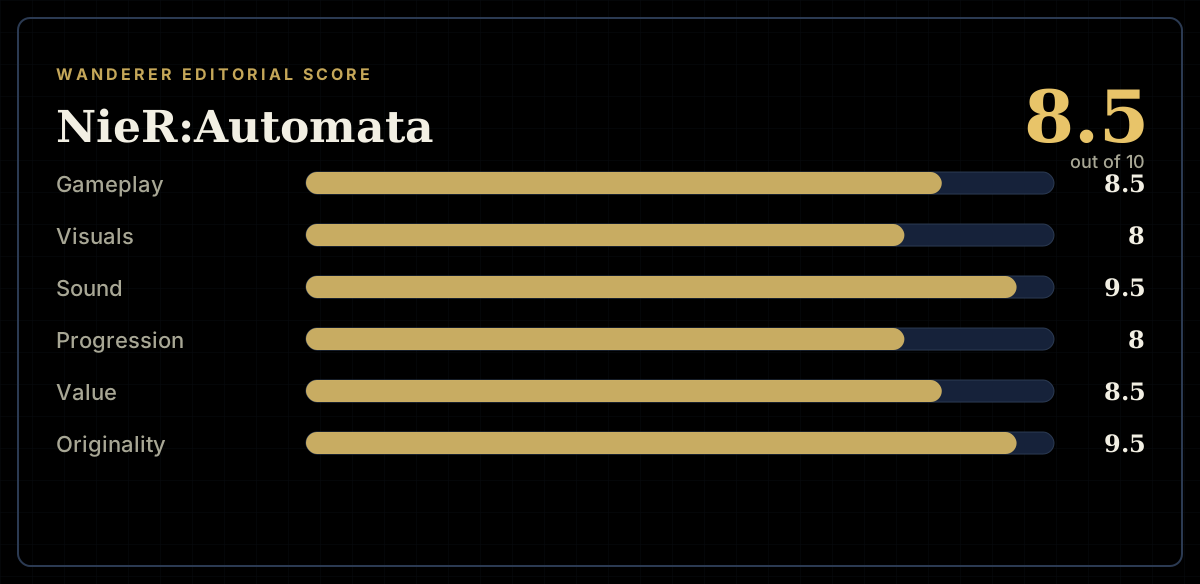
How the review scores each part of the gameWanderer Editorial -
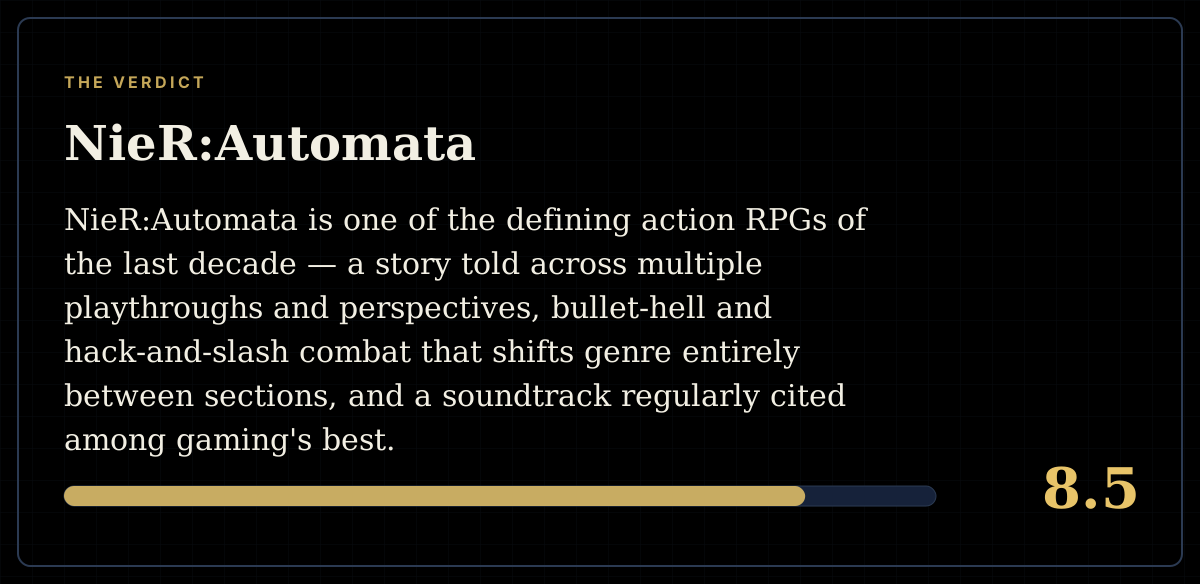
The short versionWanderer Editorial