Gumballs & Dungeons
A free roguelike RPG port of a long-running mobile game — with the microtransactions stripped out, a year of updates its own reviewers said would never come, and only 49 English reviews to judge it by.
7 / 10
Browse by platform
547 games we have reviewed that run on Windows PC, best first.
547 reviews
A free roguelike RPG port of a long-running mobile game — with the microtransactions stripped out, a year of updates its own reviewers said would never come, and only 49 English reviews to judge it by.
7 / 10
Ars Goetia's solo-developed sequel adds first-person combat, a real-time-seconds twist on turn-based fighting and a forged-not-found loot system to the original Hellslave formula. Three days after launch it is loved in English and considerably more divided in the Simplified Chinese corpus that makes up nearly half its reviews, for a reason the developer had already half-fixed by the time this was written.
7 / 10
A fast-paced hybrid of 4X strategy and deckbuilding, praised by genre veterans as a genuinely novel design that strips Civilization-style empire building down to its essentials — held back by a clearly multiplayer-first design, a limited single-player mode, and real complaints about AI quality and simplified strategic depth.
7 / 10
A score-attack FPS from the solo creator of cult classic Devil Daggers that a professional game designer called one of the decade's most significant releases — and that the developer's own store page warns can trigger photosensitive seizures.
7 / 10
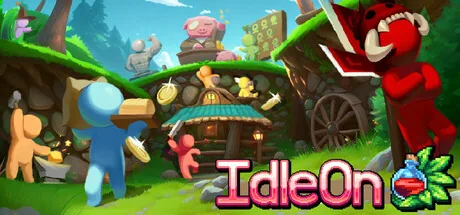
A free-to-play multiplayer idle RPG built openly in RuneScape and Melvor Idle's image, adding a genuine social and clan layer those single-player idlers don't have — undercut by paywalled skills, expensive cosmetics, and an "idle" framing that some players say demands more constant attention than it should.
7 / 10
A space-themed, MMO-lite descendant of Melvor Idle — eight skills, server-side offline progression and a real player-driven market — that's drawing genuine, cross-language praise for an unusually active community layer, held back by a hard requirement for constant server connectivity and early signs its population and level cap are both thinner than a paid idle game needs long-term.
7 / 10
A free browser and Steam idler that swaps cookie-clicker simplicity for Path of Exile-style affix hunting, guild-like Syndicates and a marketplace — then leaves its own community to sell the experience as much as the systems do.
7 / 10
A free browser idler from 2014 that outgrew Kongregate, landed on Steam in 2016, and has spent over a decade turning shadow clones and god fights into one of the genre's longest and most demanding progression ladders.
7 / 10
A twenty-year-old PopCap classic that quietly invented a lot of what idle games do now — still 97.4% positive, never patched, and roughly a third of its critics can't get it to run.
7 / 10
A Papers Please-lineage courtroom sim set in a satirical, corrupt "Banana Republic" — genuinely strong writing and a well-supported first project undercut by a dice-roll survival mechanic that a large share of its own audience calls broken.
7 / 10
A physics-based cooking roguelike where ingredients tumble and collide inside a cosmic cauldron instead of cards sitting in a hand — genuinely inventive, well liked across hundreds of early reviews, and repeatedly accused by its own players of leaning on luck more than it should.
7 / 10
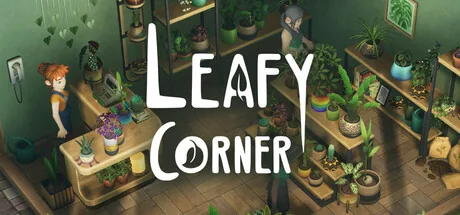
A plant shop sim so pleasant that almost nobody has a bad word for it — and so short that the people praising it keep mentioning they finished everything in four hours. Lovely, cheap, and about three systems away from being something you'd still be playing next month.
7 / 10
A solo developer's four-and-a-half-year Early Access project about running up to eleven characters at once — genuinely one of the deepest class-and-skill webs in the idle genre, sitting behind a shop that has gotten harder to ignore.
7 / 10
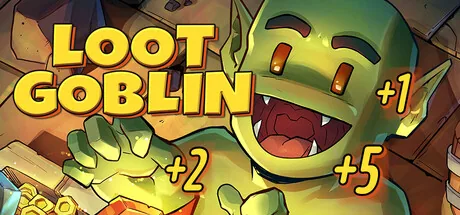
An incremental heist game that flips the loot-RPG premise on its head — heroes clear the dungeons and find the treasure, and you play the goblin who steals it back from them while they're still inside.
7 / 10
A cozy farming-and-creature-collecting adventure that deliberately strips out Stardew Valley's stamina bars and bedtime pressure — genuinely beloved by a huge co-op audience, but dogged by grindy late-game systems and a forced-save-reset controversy the developer never fully resolved.
7 / 10
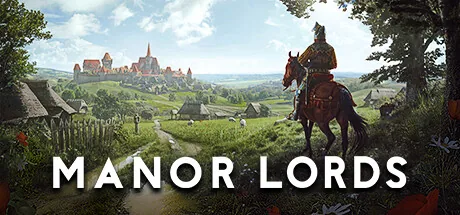
A gridless medieval city builder whose household-level burgage plot simulation is the best idea the genre has produced in years, sold on a trailer full of battles it mostly doesn't deliver. Two years and change into Early Access, the honest question isn't whether it's good — it's whether "still becoming" is a fair state to sell it in.
7 / 10
Paint your own body to match the wall you're standing against, then hold still while the seeker walks past. A solo developer's ten-dollar hide-and-seek game has collected 79,000 reviews in eight weeks — and a genuine security story that anyone installing it should read first.
7 / 10
A cozy item-organising narrative game that finally scratches the Unpacking itch for a devoted audience of fans, built around the promise that your decorating choices shape a lifetime — a promise many reviewers say the game doesn't quite deliver on as meaningfully as its premise suggests.
7 / 10
A vampire farming sim with the best time-pressure idea the cosy genre has had in years, and almost no progression ladder to spend that pressure on.
7 / 10
Hotta Studio's follow-up to Tower of Fantasy trades sci-fi towers for a neon-lit supernatural city, and the open world it built to fill that city is a genuinely bigger achievement than the parry-and-dash combat sitting inside it.
7 / 10
A bite-sized empire-building strategy game built to finish in under an hour, whose time-conscious pitch genuinely wins over busy players even as a large share of its own audience argues it isn't really the 4X game it's marketed as.
7 / 10
The indie life sim that spent seven years being the great Sims alternative, now 91% positive and a million copies sold — with a build mode people adore and a live mode its own supporters say isn't finished.
7 / 10
A time-management cafe sim that pairs genuinely well-regarded, emotionally resonant coming-of-age storytelling with fast, arcade-style service gameplay — undercut by mouse controls several reviewers say the game wasn't really designed for, and a late-game slide into repetitive stations and extreme difficulty swings.
7 / 10
A pixel-and-polygon retro boomer shooter with weapons, movement and gore its own review base calls some of the best in the genre, undercut for years by a single, near-unanimously criticised design decision — dying carries no real penalty — that the developer only partially addressed roughly a year after its full release.
7 / 10