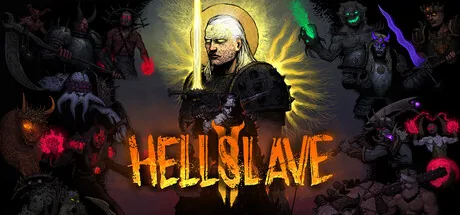
Game review
HellSlave II: Judgment of the Archon
7 / 10
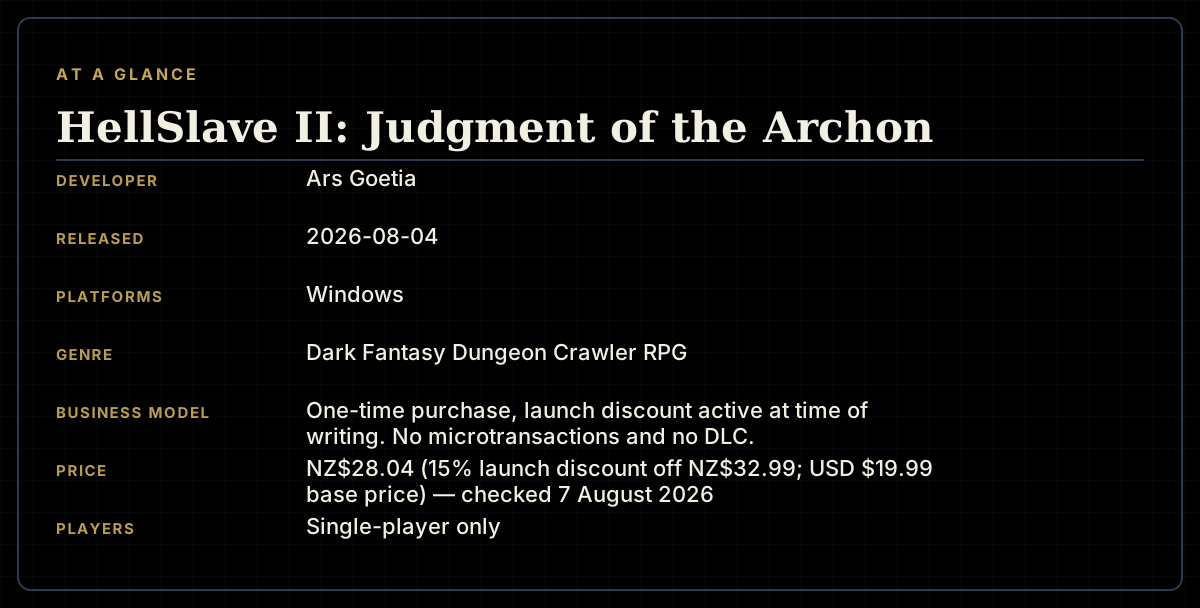
- Developer
- Ars Goetia
- Publisher
- Dear Villagers
- Released
- 4 August 2026
- Platforms
- Windows
- Genre
- Dark Fantasy Dungeon Crawler RPG
- Monetisation
- One-time purchase, launch discount active at time of writing. No microtransactions and no DLC.
- Players
- Single-player only
The short version
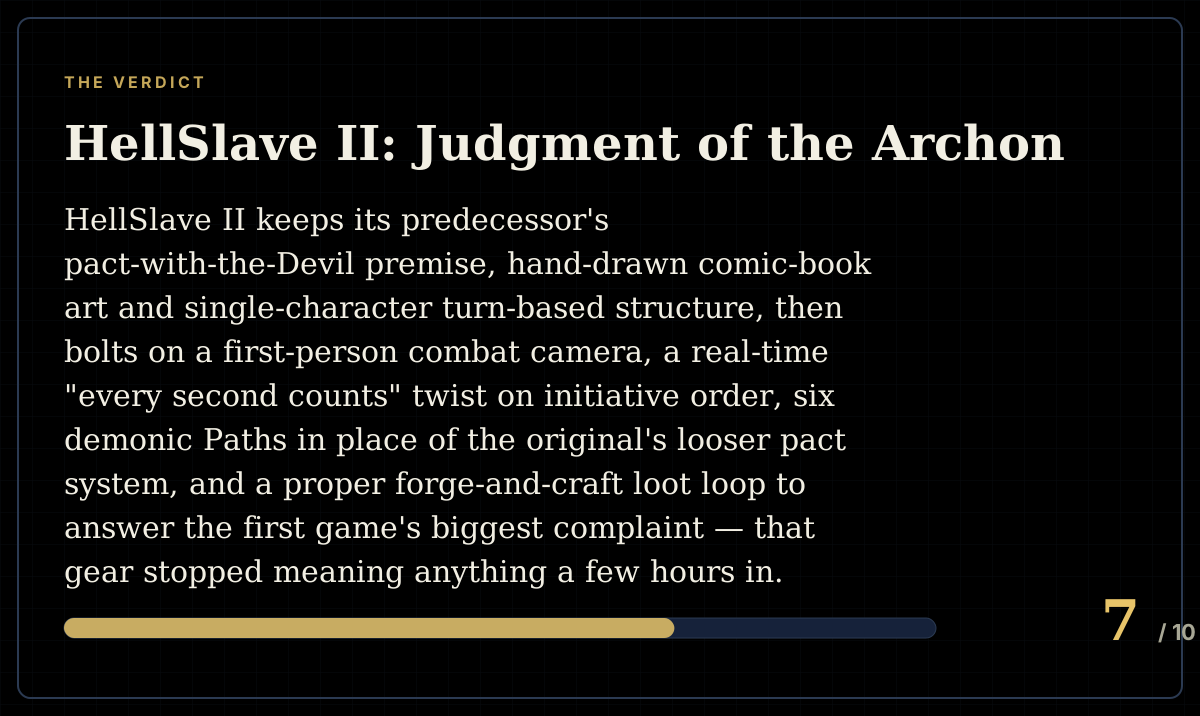
HellSlave II keeps its predecessor's pact-with-the-Devil premise, hand-drawn comic-book art and single-character turn-based structure, then bolts on a first-person combat camera, a real-time "every second counts" twist on initiative order, six demonic Paths in place of the original's looser pact system, and a proper forge-and-craft loot loop to answer the first game's biggest complaint — that gear stopped meaning anything a few hours in. Three days after launch it sits at 73% positive of 145 reviews, but that single number hides a real split: 92% positive across its 26 English reviews against 66% across its 53 Simplified Chinese ones, the largest single language bloc in the corpus. Most of that gap traces to a specific, fixable cause — a language-input-software freeze bug that hit Chinese players disproportionately and that Ars Goetia had already patched, correctly, within a day of launch — but a second, harder-to-fix strand of Chinese feedback argues that gear and skill points still stop scaling with enemy difficulty a few chapters in, which is close to the exact complaint that held the original back.
Biggest strengths
- The randomised loot system now runs through an actual forge-and-craft loop instead of just dropping finished items, directly answering the original's most common complaint that gear stopped mattering a few hours in
- A first-person combat camera and a real-time-seconds twist on turn order (skills take actual seconds to resolve, not abstract turns) genuinely change how the fighting feels from the original rather than just reskinning it
- Six demonic Paths (Satan, Leviathan, Mammon, Baal, Asmodeus, Belzebub) replace the original's single pact system with a much larger, tiered talent tree and an at-will respec option
Biggest weaknesses
- A freeze bug tied to IME (language-switching) software hit a large share of Chinese players in the first 24 hours; Ars Goetia shipped a targeted hotfix inside a day, but at least one English reviewer reports the game still stuttering and freezing on menu and map transitions after that patch
- Several detailed Chinese reviews, including one from a returning Hellslave fan 4 hours into the sequel, describe basic enemies out-scaling the player's gear and skill points within the first third of the game — a defence and resistance curve that outpaces what the itemisation and skill tree can keep up with, not just on the hardest setting
- No key rebinding, only two combat-speed options with "fast" still described as too slow, no manual save (autosave only), and a quest log that surfaces only the most recently accepted objective at a time
Who it's for: Returning Hellslave players curious whether the sequel actually changes anything (it does), and dungeon-crawler fans who want a real-time pressure layered onto turn-based combat. Less suited to anyone who wants their interface fully finished on day three, or who plays on the hardest difficulty setting expecting a fair fight.
Our recommendation: A confident buy for anyone who liked the original, and a reasonable one for newcomers given the free demo still live on the store page. Play on Normal rather than the hardest difficulty until the resistance and defence numbers get another balance pass, keep an eye on the patch notes if you're on a machine with an active IME or language-switching utility, and don't expect the interface — key rebinding, manual saves, a multi-quest log — to be finished yet.
7 / 10
Three days is not long enough for a verdict to settle, but it is long enough to see what a solo developer does under pressure — and Ars Goetia's answer, a targeted hotfix inside 24 hours that correctly diagnosed an obscure input-software conflict, tells you more about HellSlave II's prospects than the headline review score does. The game underneath that patch is a confident, meaningfully redesigned sequel to 2022's Hellslave: the same pact-with-the-Devil premise and hand-drawn comic-book art, now viewed from a first-person combat camera, running on a real-time "every second counts" version of turn order, and built around a proper forge-and-craft loot system that finally gives the original's threadbare itemisation something to do. It's also, three days in, a game whose two biggest review-corpus languages disagree about it more sharply than almost anything else this library has reviewed at launch.
What actually changed from the first game
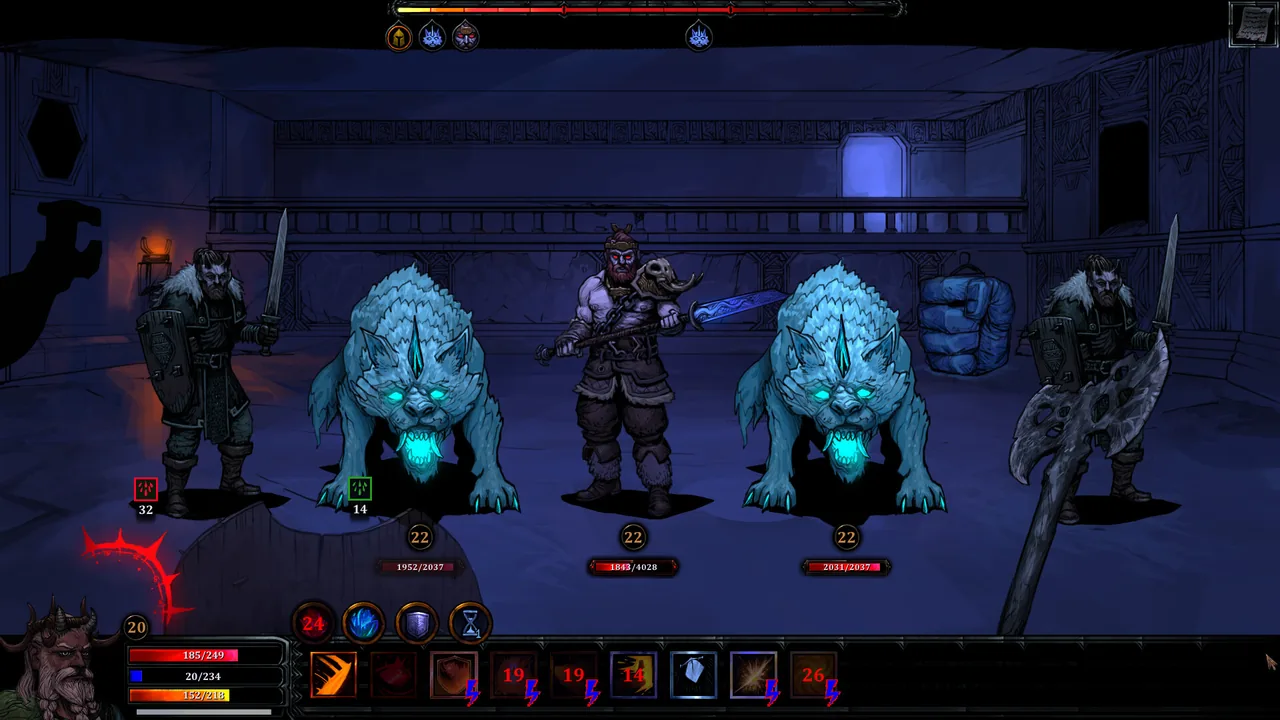
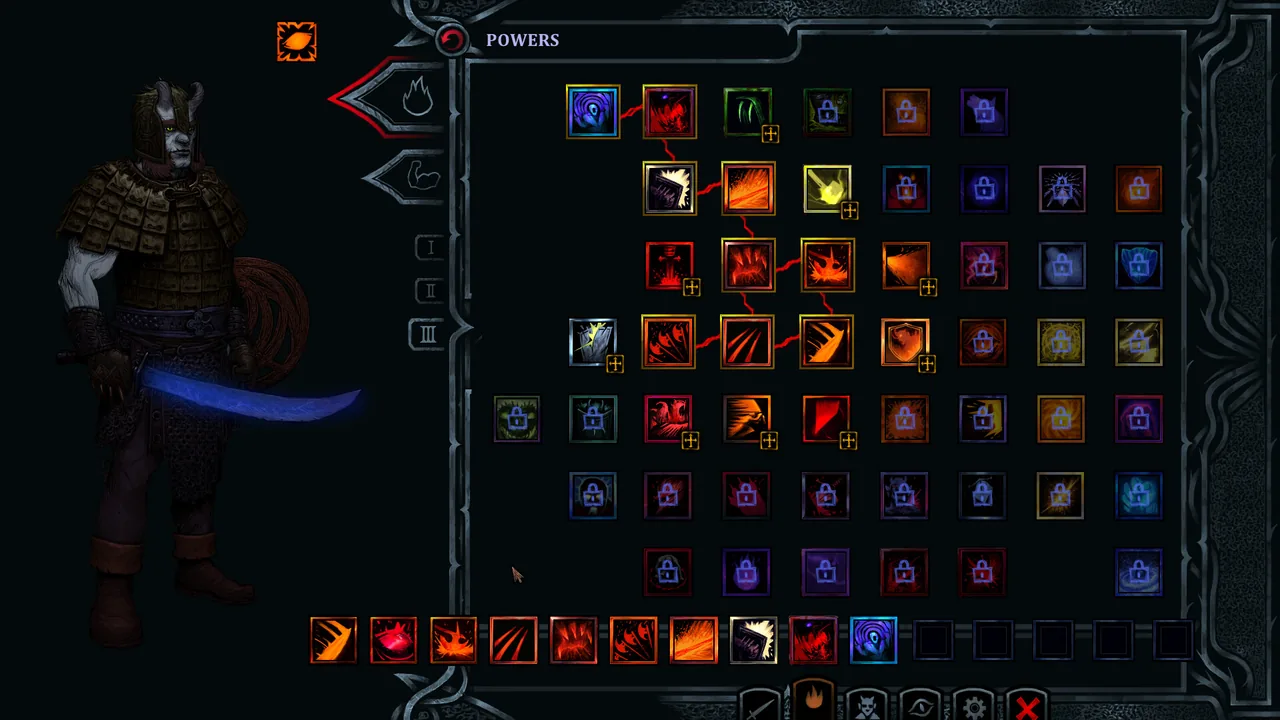
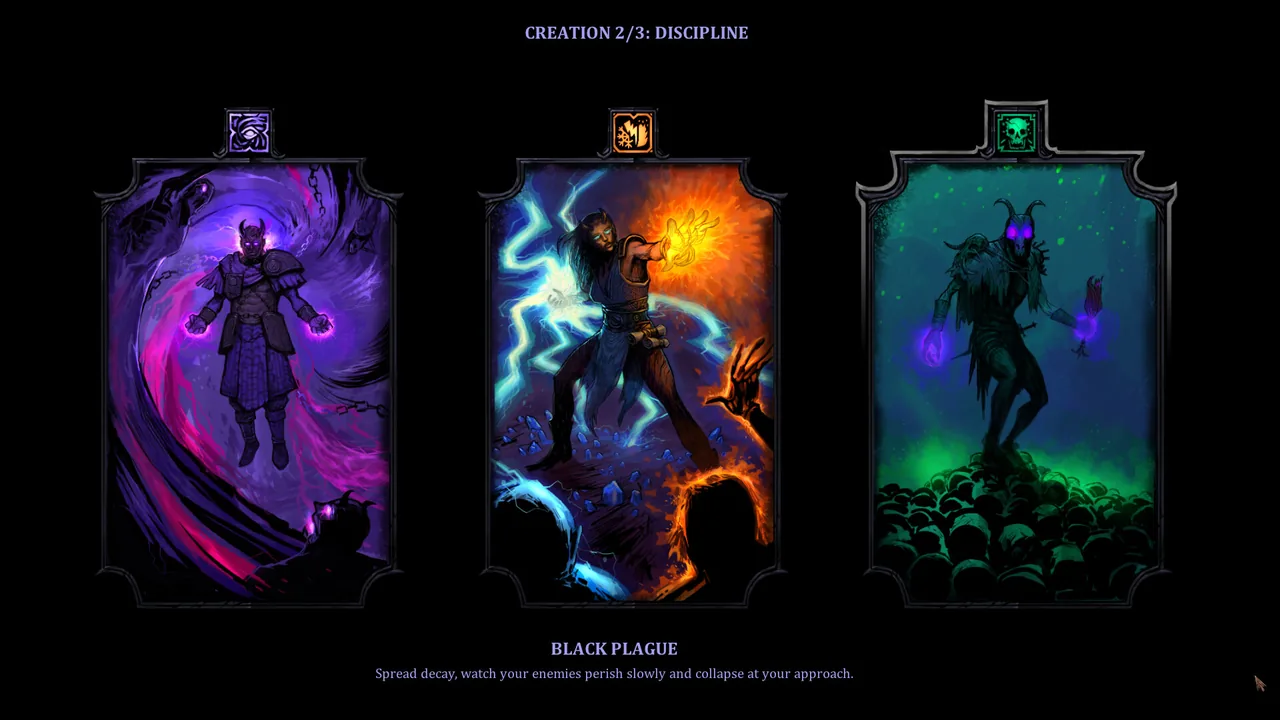
Our review of the original Hellslave found a game whose ideas outran its execution — striking art and a genuine skill-tree RPG skeleton wrapped around combat pacing and an interface that "needed another pass that never fully came," plus loot that recycled the same handful of items even in the early hours. HellSlave II's own store page answers that complaint list almost item for item under a "What's New" heading: a randomised loot system now runs through an actual forge-and-craft loop rather than just handing over finished gear, all skill-tree powers are theoretically reachable regardless of starting class, and combat has moved to a first-person camera with a genuine real-time twist — skills take actual seconds to resolve rather than abstract turn counts, which is why the countdown tokens hovering over every combatant in the official screenshots read as raw numbers (13, 22, 26, 31) rather than simple turn order. In place of the original's single demonic pact, players now choose a Warrior or Sorcerer archetype, then commit to one of six named demonic Paths — Satan, Leviathan, Mammon, Baal, Asmodeus, Belzebub — each unlocked after the first dungeon and shown on its own tarot-card-style selection screen, stacking a large, tiered "Powers" talent tree on top of a base class rather than replacing it. A respec option, confirmed by more than one reviewer, means none of that is a one-way commitment.
What stays is deliberate: the same "handcrafted universe," the same single-character structure (no party, no turn-order juggling between allies), and the same "strategic, turn-based battles with layered enemy design" the developer's own pitch leans on. It's an unusually honest way for a storefront description to frame a sequel, naming both columns rather than just selling the new one, and the balance of praise in the English-language reviews backs it up: reviewers who finished the original consistently call this "a solid successor," with one long-session player specifically noting the skill system "feels more layered than the original" and the equipment system as a genuine step forward. One returning fan does register a loss, though — the original's hand-drawn, Dungeon & Dragons-style overworld maps, prominent in Hellslave's identity, are less visible now that a bigger, first-person-explored open zone has taken their place.
A freeze bug, and an unusually fast, correctly targeted fix
The most consequential event in HellSlave II's first three days wasn't a design decision, it was a bug. A meaningful share of Simplified Chinese reviews describe the game locking up mouse and keyboard input mid-fight or during map transitions, hard enough that the only way out was to force quit. Ars Goetia's response was fast and specific: Hotfix 1 (build v1.15.1) went out 23 hours and 57 minutes after the global 4 August launch, and its patch note names the cause directly — "a freeze caused by the IME (language-switching software)," now disabled so it can no longer lock up the game. IME conflicts are a known, nasty class of bug for games built without much testing on Chinese-language Windows configurations, and correctly identifying one inside a day, on a solo project, is a genuinely good sign about how this developer handles the next six months. One German reviewer went out of their way to say as much publicly, asking other players not to pile onto the review score over a bug the developer was actively chasing down.
It isn't fully resolved, though. At least one English-language review posted after the hotfix reports the opposite experience — load times stretching past a minute and continued freezing when opening the inventory or loading a save, describing the game as "unplayable right now" in its current state on their machine. Between the two data points, the honest read is that Hotfix 1 fixed the specific IME-triggered freeze it names and did not fix every freeze report in the corpus. Anyone buying in this first week, particularly on a system running language-input or overlay software, should expect to be part of that ongoing troubleshooting rather than a finished build.
The corpus splits by language, and only half the split is the bug
Read the numbers by language and the picture sharpens considerably. Of the 111 reviews retrievable across every language at time of writing, the 26 English reviews run 24 positive to 2 negative — 92 percent, emphatically positive. The 53 Simplified Chinese reviews, the single largest bloc in the entire corpus and comfortably outnumbering English, run 35 positive to 18 negative — 66 percent, noticeably below the game's own 73 percent headline badge. That gap is exactly the kind of split this library has learned to check by language rather than trust a single blended number for.
Roughly half of the negative Simplified Chinese reviews are the freeze bug described above, several explicitly promising to update their score once the game is fixed rather than treating it as a permanent verdict. The other half describe something different: a returning Hellslave fan, four hours into the sequel at character level 16 fighting level 13-14 content, describes basic enemies hitting for a quarter to a third of his health pool per swing while arriving in packs of three, his own accumulated defence doing little to change that math, and singles out the game's headline "poison explosion" build synergy as a repeat of the original's marquee combo rather than a new idea. A second, more systematic review — 22 hours in, every side quest cleared, character level 22 — walks through the numbers directly: two skill points per level, each worth roughly 0.15 percent crit chance or dodge chance, meaning 70 points invested entirely into one stat yields only about 10 percent. A third, focused specifically on the hardest difficulty setting, describes enemies with stacked resistance and near-total dodge chance making direct damage largely irrelevant and the player's own defensive options (blocking, buffs) similarly unreliable against enemy burst.
That last complaint is bounded to the hardest difficulty, which is a real and important qualification — but the first two aren't, and they land uncomfortably close to Hellslave's own defining weakness: gear and growth that stop keeping pace with what's fighting you. The new forge-and-craft loot system is a real answer to "loot stopped mattering," and it shows in how few reviewers repeat that specific complaint here. Whether the numbers behind it — enemy scaling, skill-point value, resistance stacking — are equally solved is a separate question the Chinese corpus is actively still arguing.
Interface debt, inherited and compounded
The original Hellslave review called its UI "obtuse and under-polished." The sequel's own highest-voted English review, from an 11-vote, 15.5-hour player who otherwise calls the game "extremely fun," lists the same family of complaints in more specific terms: no key rebinding, only two combat-speed options with "fast" still not fast enough given how much of combat now runs on real-time seconds, mouse movement described as poor, only two volume sliders despite a soundtrack and combat VFX loud enough to want separating, no loot-all option, Escape not opening the menu, and autosave only with no manual save slots. A separate quest-tracking complaint shows up independently in the Chinese corpus — one reviewer reports being unable to locate three separate quest objectives even after clearing every enemy in the area, and the game's own screenshots confirm the log surfaces only the single most recently accepted objective rather than a full list. None of this is new to the series so much as it is unaddressed: a studio that shipped a diagnosed, working hotfix for an obscure input-software conflict within a day clearly can move fast when it identifies the problem, which makes the QoL backlog read as a prioritisation choice rather than a capability gap.
Final verdict
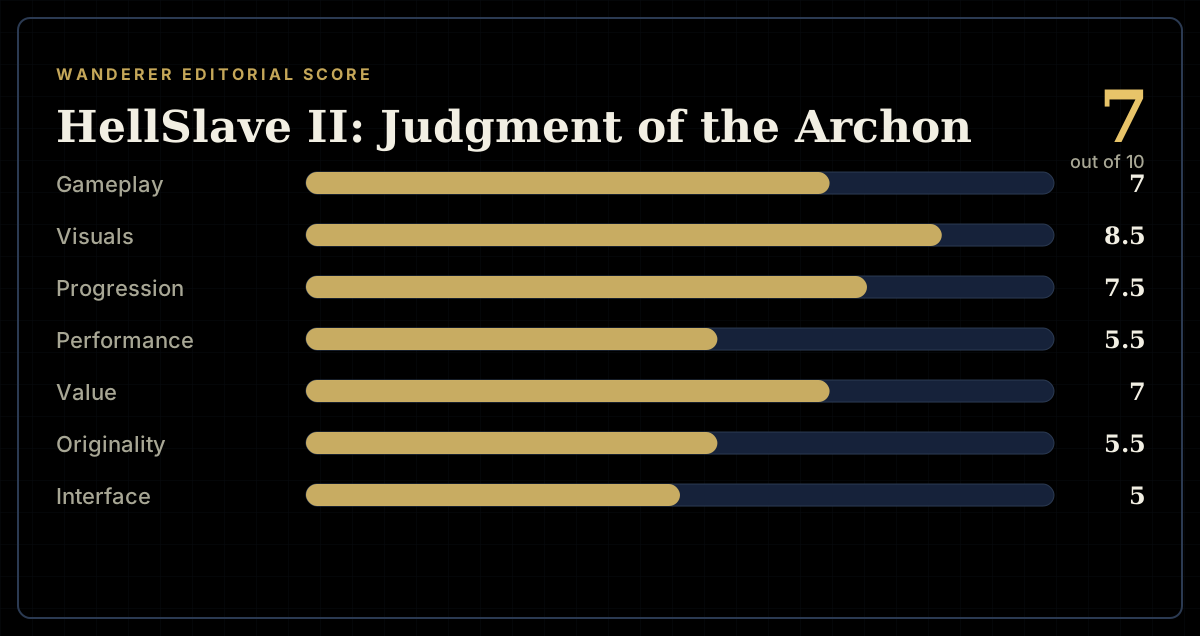
7.0 out of 10. HellSlave II earns a genuinely higher score than the original's 6.5, and for a specific reason rather than sequel momentum: it directly answers the first game's most common complaint — thin, quickly-repetitive loot — with an actual crafting system, adds a first-person combat camera and a real-time turn-order twist that change how fights feel rather than just how they look, and lands with English-language reception close to unanimous. It's held below a higher score by the same family of problems the original never fully solved — an interface still missing basic options three days after launch — and by a fresh one: a launch-week freeze bug that hit its largest single-language audience hardest, only partly resolved by an otherwise well-handled hotfix, plus real evidence from invested Chinese-language players that gear and skill-point growth still lag behind enemy scaling outside the hardest difficulty. Originality scores lower here than it did for the original, deliberately — this is an iteration on an established formula, explicitly sold as "everything fans loved," rather than a new idea, and it should be judged on how well it executes that expansion rather than credited for reinventing anything. On that measure it mostly succeeds. Buy it if you liked the first game or want a real-time-pressured turn-based dungeon crawler, try the demo first if you're new to the series, and give the patch notes a look before you commit a weekend to it.
Pros and cons
Pros
- The randomised loot system now runs through an actual forge-and-craft loop instead of just dropping finished items, directly answering the original's most common complaint that gear stopped mattering a few hours in
- A first-person combat camera and a real-time-seconds twist on turn order (skills take actual seconds to resolve, not abstract turns) genuinely change how the fighting feels from the original rather than just reskinning it
- Six demonic Paths (Satan, Leviathan, Mammon, Baal, Asmodeus, Belzebub) replace the original's single pact system with a much larger, tiered talent tree and an at-will respec option
- English-language reception is close to unanimous — 24 of 26 English reviews are positive, several from players who never touched the first game
- A playable demo has been live on the store page since Steam Next Fest in June, so newcomers can try the opening hours before paying
Cons
- A freeze bug tied to IME (language-switching) software hit a large share of Chinese players in the first 24 hours; Ars Goetia shipped a targeted hotfix inside a day, but at least one English reviewer reports the game still stuttering and freezing on menu and map transitions after that patch
- Several detailed Chinese reviews, including one from a returning Hellslave fan 4 hours into the sequel, describe basic enemies out-scaling the player's gear and skill points within the first third of the game — a defence and resistance curve that outpaces what the itemisation and skill tree can keep up with, not just on the hardest setting
- No key rebinding, only two combat-speed options with "fast" still described as too slow, no manual save (autosave only), and a quest log that surfaces only the most recently accepted objective at a time
- No loot-all or shop filtering, so comparing a growing pile of randomised gear means opening every item individually
- The overworld's hand-drawn dungeon maps from the first game — singled out by more than one returning player as part of its identity — are less prominent now that first-person combat and a bigger open zone are the framing
Screenshots
-
HellSlave II: Judgment of the ArchonImage: Dear Villagers via Steam -
HellSlave II: Judgment of the ArchonImage: Dear Villagers via Steam -
HellSlave II: Judgment of the ArchonImage: Dear Villagers via Steam -
The game at a glanceWanderer Editorial -
How the review scores each part of the gameWanderer Editorial -
The short versionWanderer Editorial