
Game review
MECCHA CHAMELEON
7 / 10
- Developer
- lemorion_1224
- Publisher
- lemorion_1224
- Released
- 9 June 2026
- Platforms
- Windows
- Genre
- Multiplayer Hide-and-Seek / Party
- Monetisation
- One-time purchase with no in-game spending and no DLC. Steam Workshop support is free — see the security section below before enabling community maps. Listed at NZ$9.59 — checked 4 August 2026.
- Players
- Online PvP — public lobbies and private rooms, with community-made maps
The short version
The idea is perfect. You're a white figure in a colourful room, you have a paint tool, and you have to make yourself look like the bookshelf you're pressed against before the seeker comes round the corner. Skill, nerve and terrible artistic decisions all matter. Eighty thousand reviews in eight weeks says it landed. What it hasn't got is the plumbing — joining a friend's lobby is genuinely difficult in a game that exists to be played with friends, the colour picker at the heart of everything misreads colours, and community maps became a real malware vector in July. The developer is patching daily and sentiment is climbing. Buy it, and read the safety note.
Biggest strengths
- A genuinely brilliant central idea — camouflage as a creative act, where your own bad painting is the funniest thing in the room
- Skill actually matters, in colour matching, spot selection and holding a convincing pose
- Extremely cheap and runs on almost anything, with a median recent playtime around seven hours
Biggest weaknesses
- Joining friends is unreliable — invites often don't work and the server browser is a churning list you have to scroll, in a game built around playing together
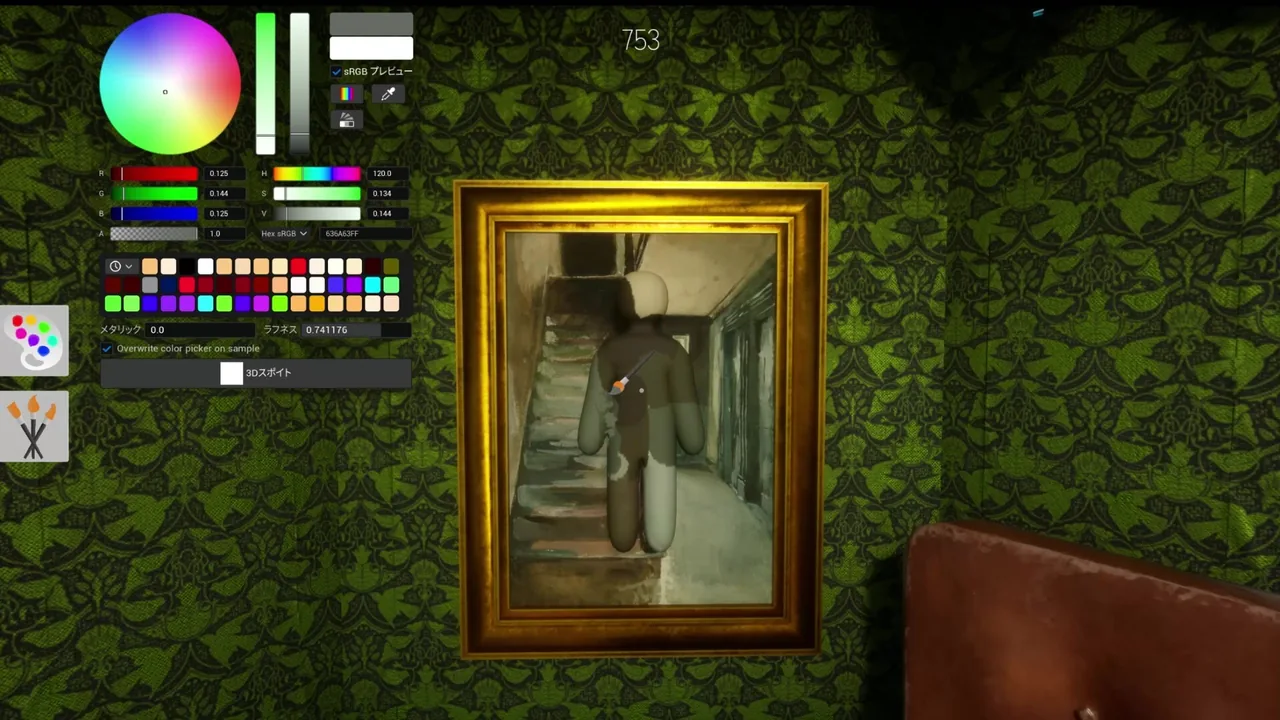
- The colour picker, which the entire game depends on, is widely reported to select the wrong colour
- Lighting and reflections can make a well-matched paint job stand out anyway, and the brush set is too limited to reproduce many surfaces
Who it's for: Groups of friends who want a cheap, funny, genuinely original game for an evening, and creative players who enjoy the painting as much as the hiding. Not for solo players hoping public lobbies will carry it, and not for anyone unwilling to be careful about community content.
Our recommendation: At under ten dollars with a private group, it's an easy yes — this is one of the best party-game concepts in years and the median recent player has seven hours in it. Two practical notes. Expect to fight the server browser to get into the same lobby as your friends. And be deliberate about custom maps: malicious ones circulated in July, so stick to public lobbies you trust or play on the official map pool until you're satisfied protections are in place.
7 / 10
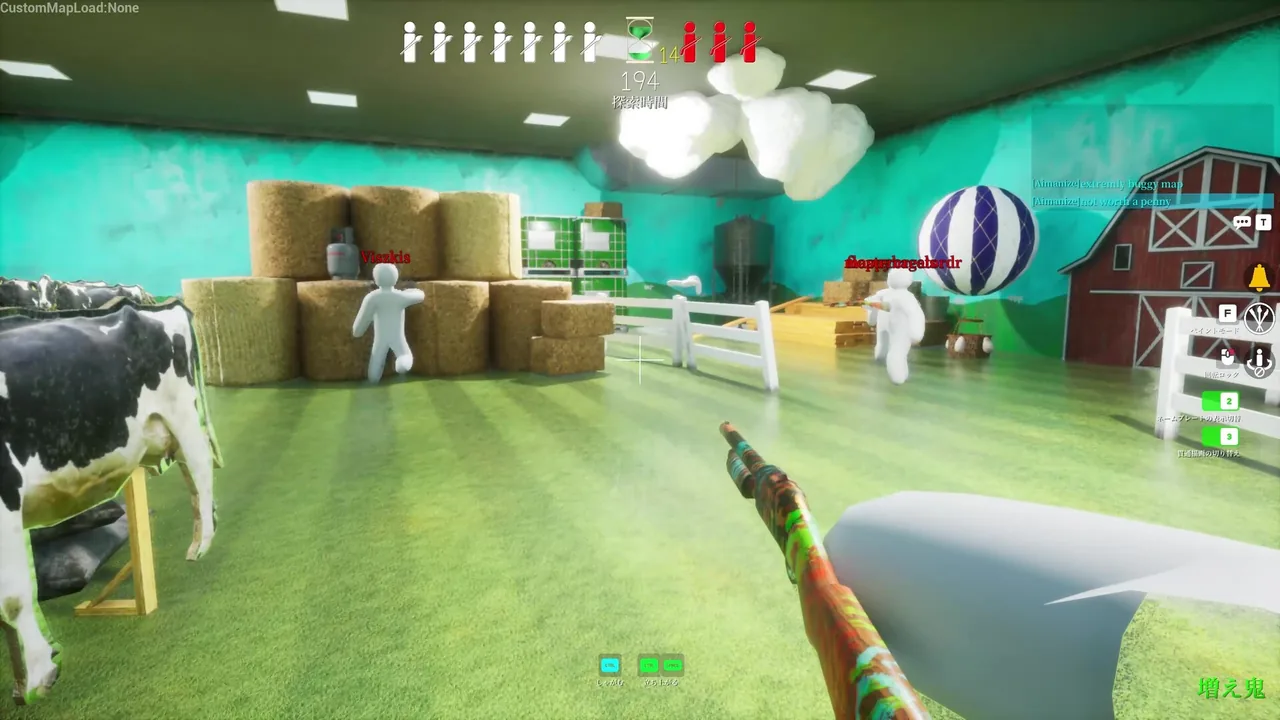
You are a plain white figure in a brightly coloured room. You have a paint tool. Somewhere else on the map a seeker is counting, and when they finish they're going to walk through here looking for anything that doesn't belong.
So you press yourself against a bookshelf and try to paint a bookshelf onto your own body.
That's MECCHA CHAMELEON, it was made by one person, it costs under ten dollars, and it has collected almost eighty thousand reviews since June. Sometimes the pitch really is the whole thing.
Why it works
Hide-and-seek games usually give you a fixed disguise — you become a chair, and then you are a chair. Here the disguise is something you make, badly, under time pressure, and the gap between what you intended and what you achieved is where all the comedy lives.
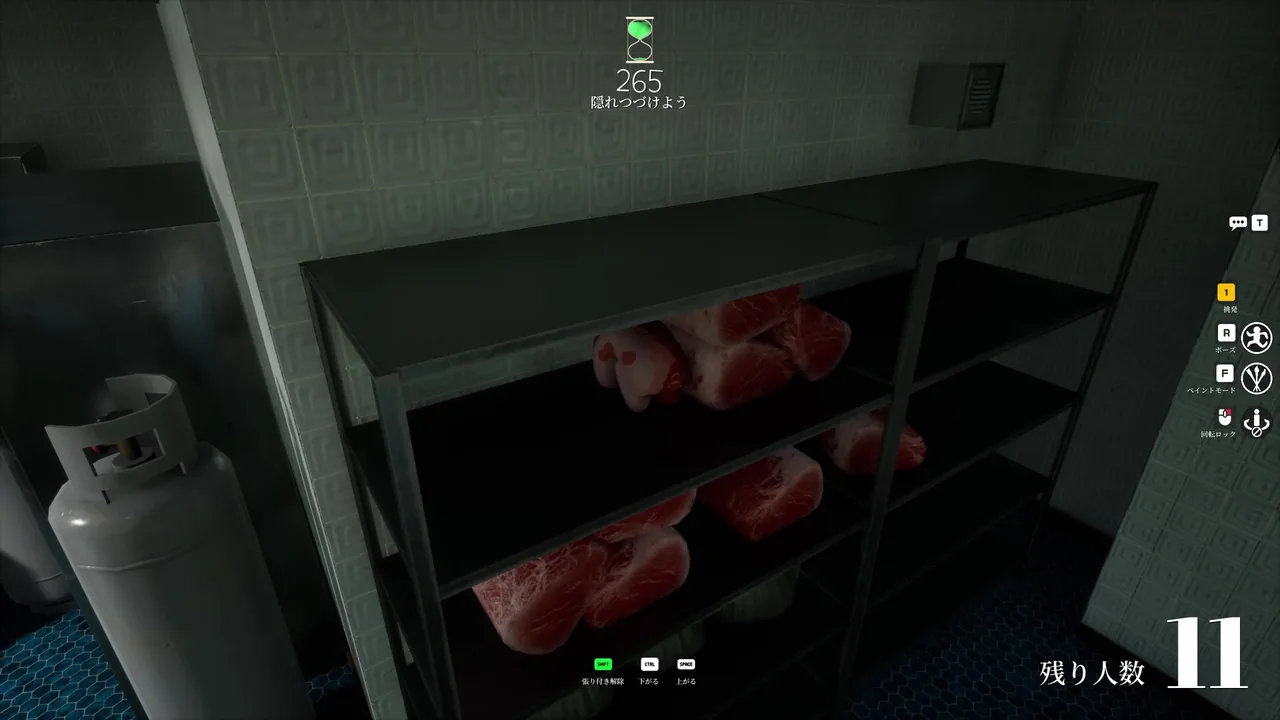
It's also genuinely skilful. Reading the light in a room, picking a spot whose colours you can actually reproduce with the brushes available, committing to a pose that reads as furniture rather than as a person pretending to be furniture — these are real decisions, and good players are markedly better at them than bad ones. Watching someone win by standing in plain sight, painted as a poster on a wall, while the seeker walks past twice, is the game working exactly as designed.
The technical side suits it. It runs on almost anything, it's cheap, and Workshop maps have massively extended a small official map pool — players credit community maps directly with keeping the game fresh.
The numbers back the enthusiasm. The median recent reviewer has about seven hours logged in a ten-dollar party game, and current sentiment is better than lifetime: 92 of the last hundred English reviews are positive against 87% overall. Whatever went wrong earlier is going right now.
The safety section
This is the part I'd want to know before installing, and it needs stating carefully because there was a lot of misinformation attached to it.
In July, malicious community maps circulated. Players reported it directly — one review from a player with 2,000 minutes logged says plainly that many custom maps had malware attached and advises avoiding custom maps entirely; an earlier review describes a friend who was hosting having someone attempt to take control of his machine. It was covered in the games press at the time.
Then it escalated in a way that's worth understanding. According to the developer's own account, while a system engineer was investigating and patching the malicious map problem, that engineer's PC was infected. The attacker bypassed the engineer's Discord two-factor authentication, seized the official Discord server, and banned the staff from it. The attacker then posted announcements claiming the latest game update contained a remote access trojan and instructing players to follow "fix" steps.
The developer states those claims were fabricated, that the game itself contains no malware, that the infected machine was a spare test PC with no access to game source files, that it has been wiped and reformatted, and that Steam's developer infrastructure prevents anyone from publishing a game update merely by compromising a PC. The Discord was recovered on 27 July.
That last technical point is the reassuring one, and it's the reason I'd treat the "the game is infected" panic as resolved. But the underlying issue — user-generated maps as an attack surface, downloaded when you join a lobby, with players reporting no obvious way to decline them — is a different problem, and one that reviewers say hadn't been addressed with real protections at the time they wrote.
So: the game from Steam is fine. Be deliberate about community content, particularly in public lobbies, and ignore any instructions to "fix" your installation that don't come from the Steam news page itself.
The plumbing
Set the security aside and there's still a gap between how good the idea is and how well the game around it is built.
The worst of it is joining your friends. Invites are unreliable, there's no dependable way to hop into a friend's session, and the alternative is scrolling a server browser full of lobbies being created and destroyed while you look. Several of the most-upvoted negative reviews are entirely about this, and it matters more here than it would elsewhere: this is a game whose best version is six people in a voice call, and the game makes assembling those six people harder than the actual hiding.
Then there's the colour picker — the single tool the entire game depends on — which players repeatedly report selecting the wrong colour. Lighting and reflections compound it, so a match that looks right when you paint it can glow like a beacon when you take your position. The brush set is narrow enough that many surfaces simply can't be reproduced.
Public lobbies have cheaters, with seekers who find everyone instantly, which pushes the game further toward the private-group experience it was already best at.
And the interface is plainly the work of someone who spent their time on the good part: functional, ugly, with no key rebinding — a limitation one player raised specifically because the default controls are a stretch for smaller hands.
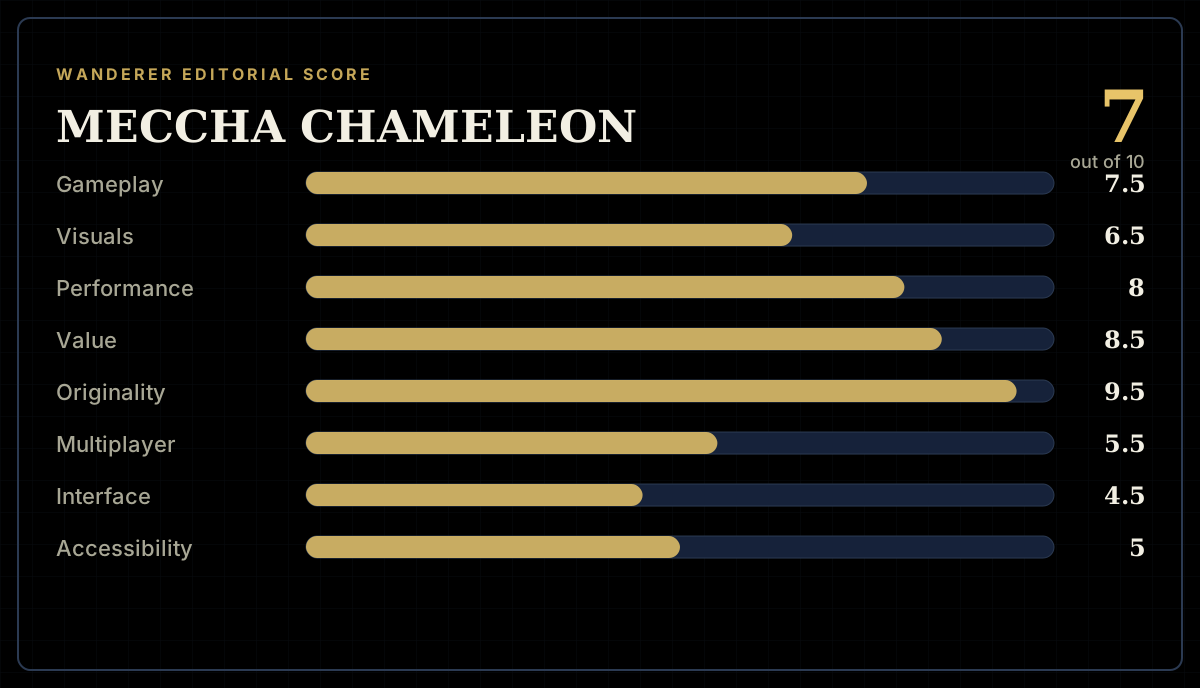
7.0 out of 10. Rated 7.0 out of 10.
The concept here is a 9.5 and I'd defend that — it's the most inventive multiplayer idea I've seen this year, and at this price with friends it's an easy recommendation. What holds the score at 7 is that the supporting structure hasn't caught up to the idea: the social features are unreliable in a social game, the core tool is buggy, and the community content pipeline became a genuine hazard.
All of that is fixable, and the developer is fixing things at a pace most studios would envy — five patches in the last week of July alone, and the negative reviews have almost entirely stopped arriving. If the friend-joining and the colour picker get sorted, this becomes an 8 without needing a single new feature.
Buy it for a group. Paint yourself as a vending machine. Do not click links from a hacked Discord.
Pros and cons
Pros
- A genuinely brilliant central idea — camouflage as a creative act, where your own bad painting is the funniest thing in the room
- Skill actually matters, in colour matching, spot selection and holding a convincing pose
- Extremely cheap and runs on almost anything, with a median recent playtime around seven hours
- Steam Workshop maps massively expand a small official map pool, and players credit them with keeping the game alive
- Patched at remarkable speed for a solo developer — five versions in one week at the end of July
- Sentiment is improving rather than decaying: 92 of the 100 most recent English reviews are positive, against 87% lifetime
Cons
- Joining friends is unreliable — invites often don't work and the server browser is a churning list you have to scroll, in a game built around playing together
- The colour picker, which the entire game depends on, is widely reported to select the wrong colour
- Lighting and reflections can make a well-matched paint job stand out anyway, and the brush set is too limited to reproduce many surfaces
- Public lobbies have a cheating problem, with seekers finding hiders immediately
- Malicious community maps circulated in July, and joining a lobby can pull custom content down without an obvious way to decline
- The interface is rough and there is no key rebinding, which players with smaller hands have raised directly
Screenshots
-
MECCHA CHAMELEONImage: lemorion_1224 via Steam -
MECCHA CHAMELEONImage: lemorion_1224 via Steam -
MECCHA CHAMELEONImage: lemorion_1224 via Steam -
How the review scores each part of the gameWanderer Editorial -
The short versionWanderer Editorial