
Game review
Party Animals
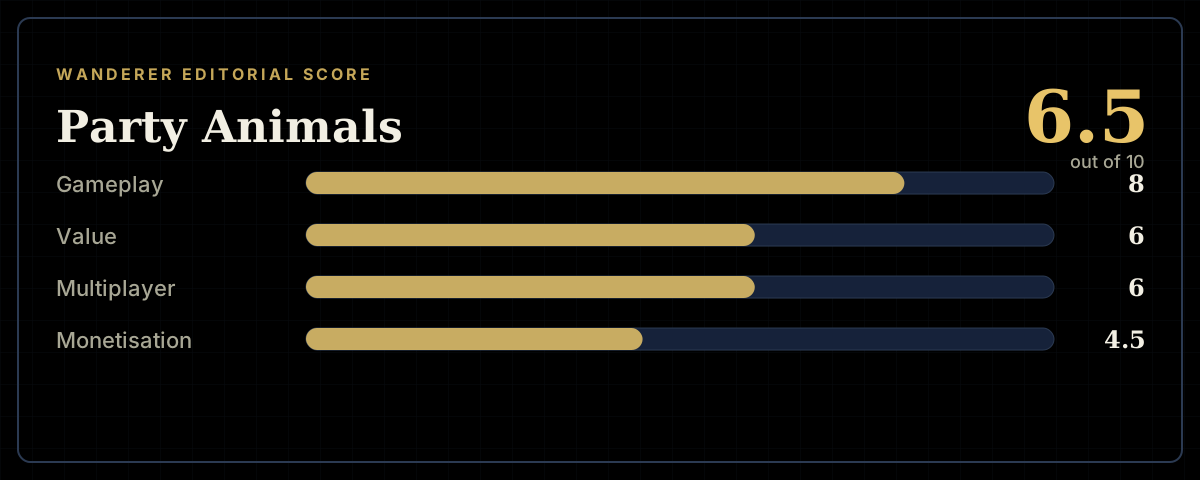
6.5 / 10
- Developer
- Recreate Games
- Publisher
- Source Technology
- Released
- 20 September 2023
- Platforms
- Windows
- Genre
- Party Brawler
- Monetisation
- One-time purchase, in-app purchases, gacha-style cosmetic loot mechanic
- Players
- Online PvP and co-op, split-screen, cross-platform
The short version
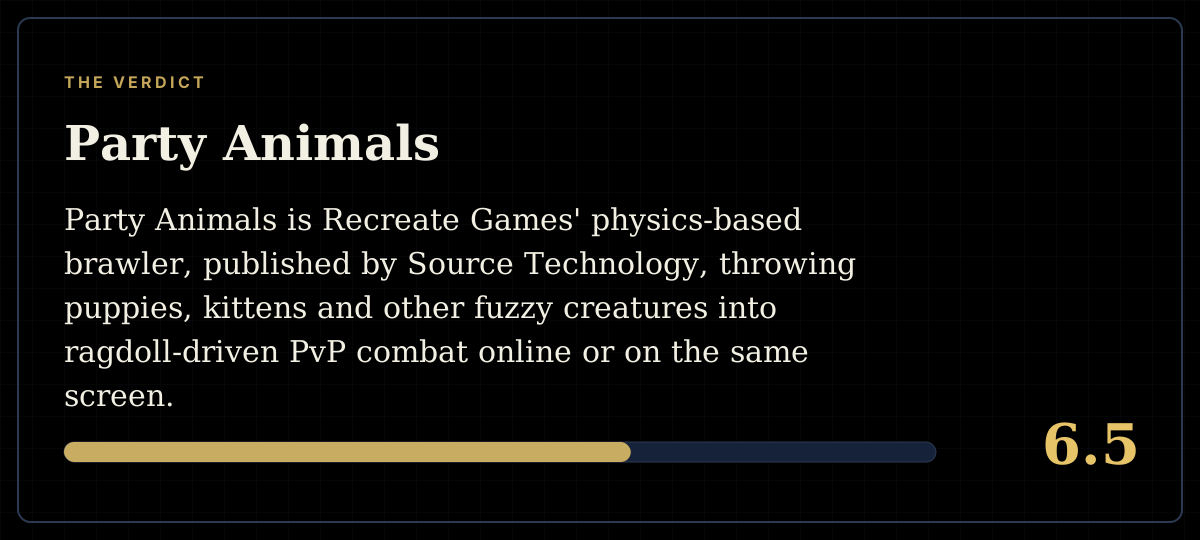
Party Animals is Recreate Games' physics-based brawler, published by Source Technology, throwing puppies, kittens and other fuzzy creatures into ragdoll-driven PvP combat online or on the same screen. Released 20 September 2023, it holds 78,616 Steam reviews at a lifetime Mostly Positive, roughly 79.8% — a figure that hides a sharp regional split: English-language reviews sit at 88.8% Very Positive, while the game's large Simplified Chinese audience sits at 67.4% Mixed. This review's read of a substantial share of the English sample finds the core physics-brawler gameplay genuinely well liked across three years, set against a specific, well-documented and still-unresolved grievance: marketing promised offline and local play, the game shipped requiring a server connection even for split-screen, and the developer has since confirmed it has no intention of adding true offline functionality.
Biggest strengths
- The core physics-based combat is widely and consistently credited as genuinely fun, with a large, sustained playerbase across three years and reviewers with thousands of hours still describing it as their go-to party game
- Character and level variety draws steady praise, and the game's cute, chaotic tone lands well even with reviewers frustrated by its other problems
- Cross-platform online play makes it easy for groups on different systems to play together, which a meaningful share of positive reviewers specifically credit as a strength
Biggest weaknesses
- Marketing described offline and local co-op play; the game shipped requiring an online server connection even for split-screen on the same couch, and the developer has publicly stated it has no intention of adding an offline mode, calling the original confusion a translation issue rather than a marketing error
- A gacha-style loot mechanic sits inside a game players already paid for, with reviewers specifically objecting to duplicate cosmetic drops being possible — a complaint several compare directly to gambling mechanics
- Matchmaking penalties, including timeout punishments for cancelling a queue before a match even starts, draw specific, repeated frustration as disproportionate for a non-competitive party game
Who it's for: Groups who mainly want to play together online and can accept always-online requirements; less suited to anyone who specifically wants offline local multiplayer, or players uncomfortable with duplicate-possible loot mechanics layered onto a paid game.
Our recommendation: A genuinely fun physics brawler for online groups, let down by an unresolved, developer-confirmed broken promise about offline and local play, and monetisation reviewers consistently compare to gambling.
6.5 / 10
Introduction
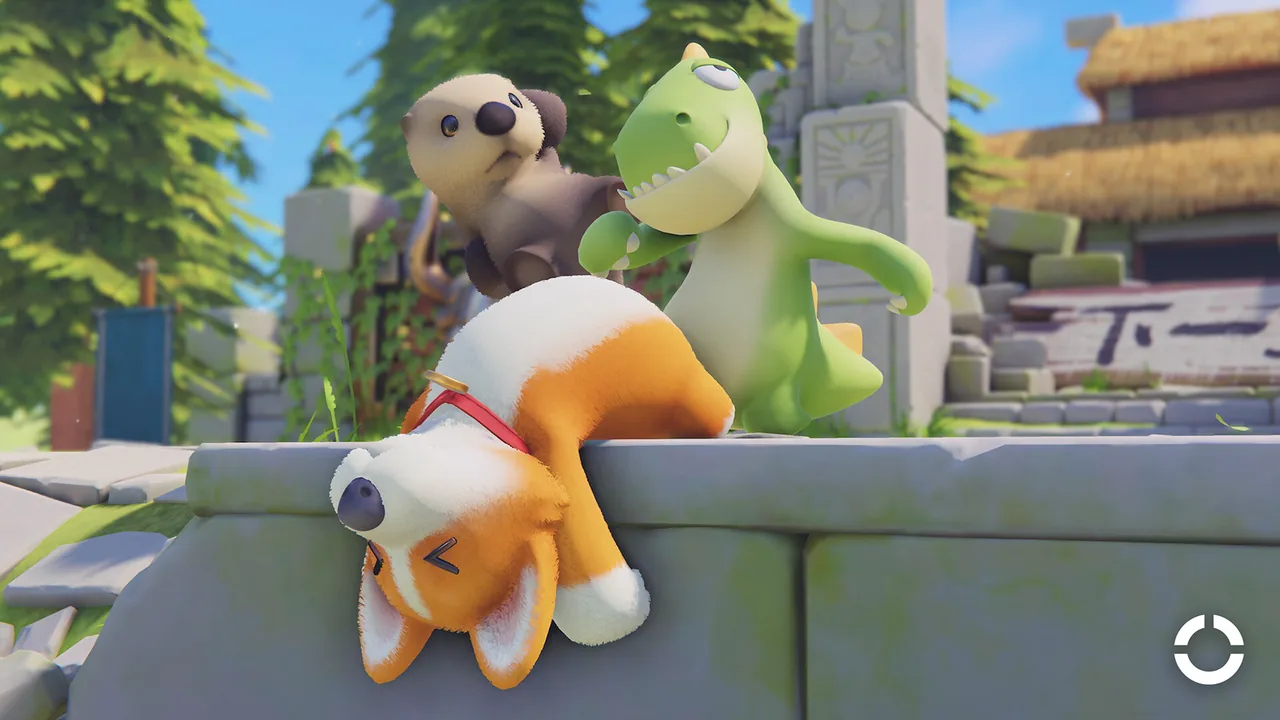
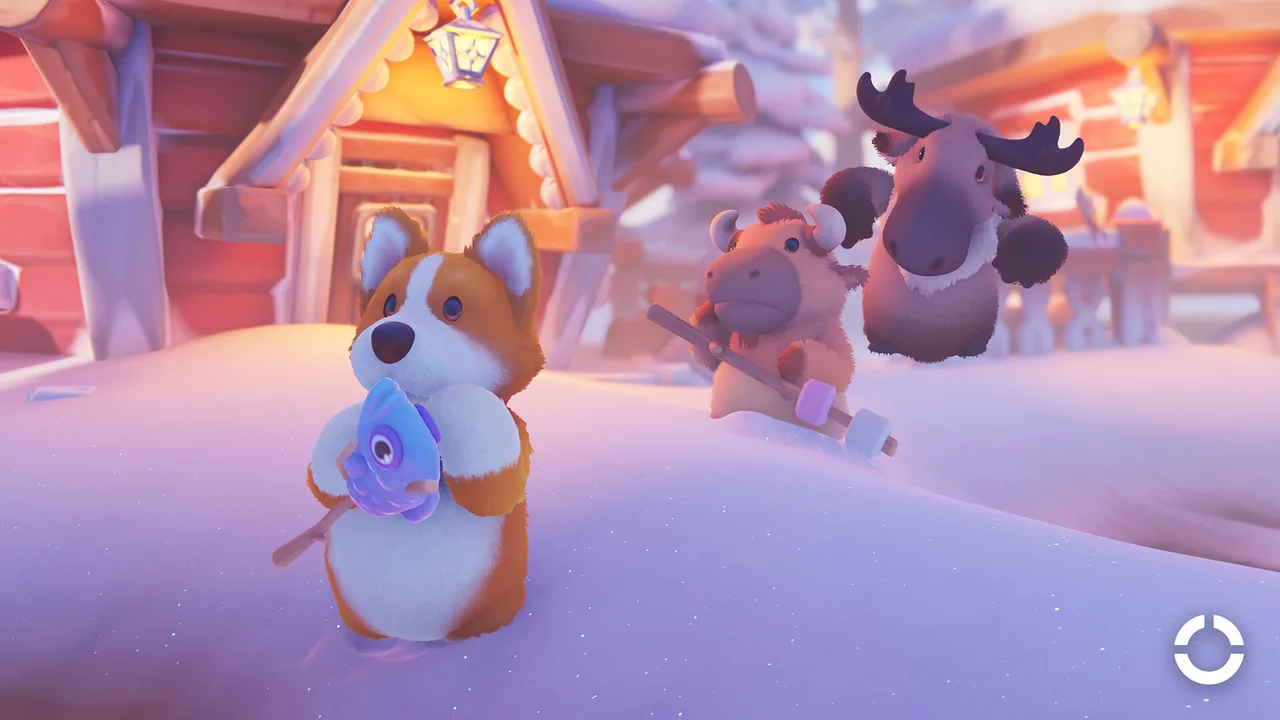
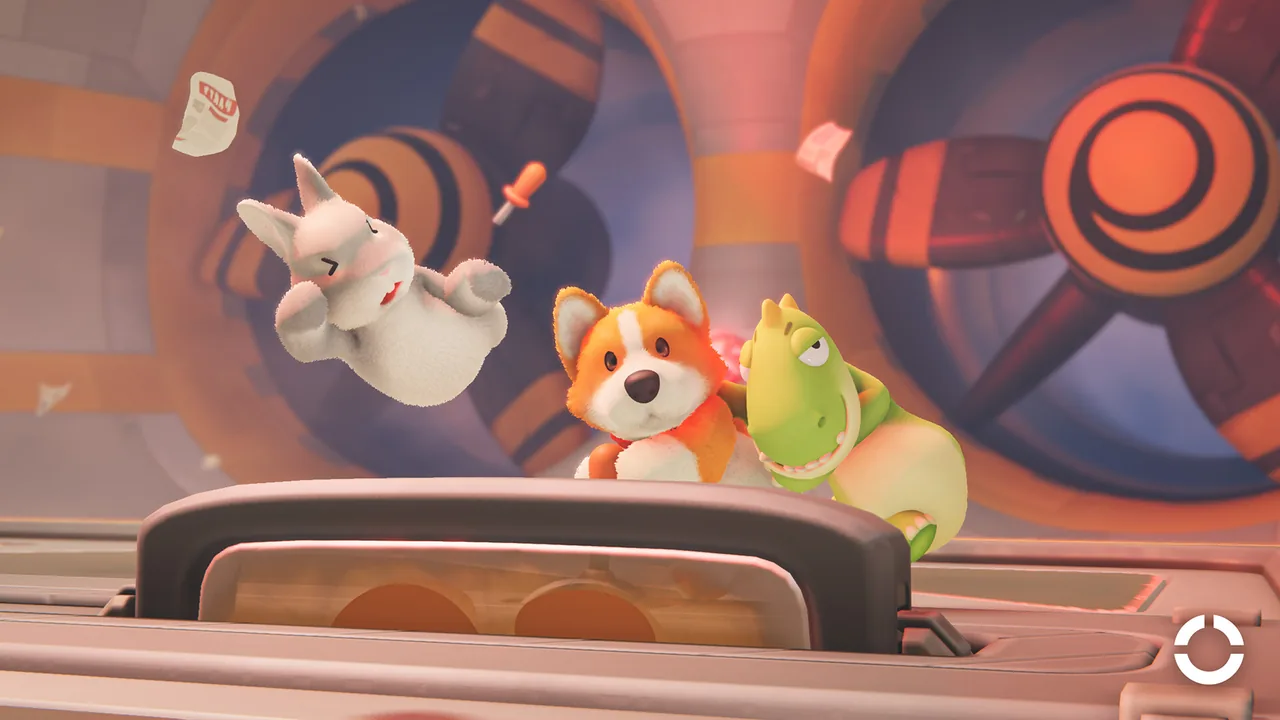
Party Animals throws players into physics-driven, ragdoll combat as puppies, kittens and other fuzzy creatures, punching, throwing and flailing each other off platforms in chaotic online or same-screen matches. Developed by Recreate Games and published by Source Technology, it released 20 September 2023 for NZ$32.09, after a beta that built real anticipation going back to 2020. Over three years on, it holds 78,616 Steam reviews sitting at a lifetime Mostly Positive, roughly 79.8%. That headline number, however, hides a genuinely significant split this review found worth investigating directly: English-language reviews sit at 88.8% Very Positive, while the game's large Simplified Chinese-language audience — 34,382 reviews, nearly half the total pool — sits at 67.4% Mixed. This review reads a substantial share of the English sample and examines that regional gap directly, finding a genuinely fun core game wrapped around a specific, well-documented and still unresolved grievance.
A physics brawler reviewers genuinely still enjoy
Start with what this review's sample agrees on across three years: the core combat is fun. Reviewers consistently credit the physics-driven ragdoll fighting with real, chaotic charm, and the game has sustained a large playerbase well past its launch window rather than fading the way many party games do. Character variety and the game's cute, absurd tone draw steady praise even from reviewers frustrated by its other problems, and cross-platform play lets groups on different systems play together easily, a specific strength several positive reviewers call out directly. English-language sentiment has held up well over time, sitting at 88.8% positive with recent reviews running close behind — evidence that whatever else is wrong with Party Animals, the core reason people bought it still works.
A promise the developer confirmed it broke, and won't fix
The clearest, most consistent and most damaging complaint in this review's sample concerns offline and local play. Party Animals' own marketing described the ability to play offline and locally with friends; the game instead shipped requiring a persistent server connection even for split-screen play on the same couch. Reviewers describe this as straightforward false advertising, and the developer's public response compounded rather than resolved the anger — Recreate Games characterised the confusion as a translation issue rather than a marketing mistake, and has stated it has no intention of adding true offline functionality. This isn't a launch-week complaint that faded: this review's sample shows reviewers raising the identical grievance as recently as April 2026, over two and a half years after release, some specifically noting they still won't buy the game because of it. For a game marketed partly on couch multiplayer with kids or family, requiring an internet connection to play split-screen is a real, ongoing limitation rather than a launch bug awaiting a patch.
Monetisation reviewers compare directly to gambling
Separate from the offline issue, this review's sample raises a specific, recurring objection to Party Animals' monetisation: a gacha-style loot mechanic exists inside a game players already paid full price for, and duplicate cosmetic drops are possible rather than guaranteed to be new. Reviewers describe this in explicitly gambling-adjacent terms, and the complaint hasn't faded either — a 2025 review specifically flags a newly added "rigged claw machine" mechanic requiring payment to guarantee daily rewards, suggesting the monetisation has expanded rather than been scaled back since launch.
A regional split worth reporting directly
This review's investigation into the gap between the lifetime badge and the English-language score surfaced a specific, well-documented regional pattern: Party Animals' large Chinese playerbase rates the game substantially lower than its English-speaking audience, and for reasons distinct from the offline-play complaint both regions share. Chinese reviewers have specifically cited regional pricing that felt steep relative to local purchasing power, thin server coverage leading to high ping for players outside major hubs, and a perception that content had grown too slowly since the demo builds shown years before launch. This isn't a coordinated review-bombing campaign in the sense of an unrelated grievance being weaponised — it's a distinct, locally grounded set of complaints that a reader relying on the blended lifetime score would never see broken out.
Final Verdict
Party Animals earns real, sustained credit for a physics-brawler core that reviewers still genuinely enjoy three years on, backed by English-language sentiment that's held up well over time. What keeps this from a stronger recommendation is a specific, confirmed and unresolved problem: a marketed offline and local-play feature that never shipped and that the developer has stated it has no plans to add, paired with gacha-style monetisation inside a game buyers already paid for that reviewers consistently and specifically compare to gambling. Buy it for online play with a group who already have accounts and a connection, and go in aware that the local, offline version advertised at launch simply isn't the game you'll be getting.
Pros and cons
Pros
- The core physics-based combat is widely and consistently credited as genuinely fun, with a large, sustained playerbase across three years and reviewers with thousands of hours still describing it as their go-to party game
- Character and level variety draws steady praise, and the game's cute, chaotic tone lands well even with reviewers frustrated by its other problems
- Cross-platform online play makes it easy for groups on different systems to play together, which a meaningful share of positive reviewers specifically credit as a strength
- English-language reception has held up well over three years, sitting at 88.8% positive with recent sentiment close behind, suggesting the core game itself has aged fine
Cons
- Marketing described offline and local co-op play; the game shipped requiring an online server connection even for split-screen on the same couch, and the developer has publicly stated it has no intention of adding an offline mode, calling the original confusion a translation issue rather than a marketing error
- A gacha-style loot mechanic sits inside a game players already paid for, with reviewers specifically objecting to duplicate cosmetic drops being possible — a complaint several compare directly to gambling mechanics
- Matchmaking penalties, including timeout punishments for cancelling a queue before a match even starts, draw specific, repeated frustration as disproportionate for a non-competitive party game
- The game's large Simplified Chinese audience rates it substantially lower than English reviewers, citing regional pricing, thin server coverage causing high ping, and the same offline-play grievance — a split worth knowing about rather than assuming the headline score speaks for every region equally
Screenshots
-
Party AnimalsImage: Source Technology via Steam -
Party AnimalsImage: Source Technology via Steam -
Party AnimalsImage: Source Technology via Steam -
How the review scores each part of the gameWanderer Editorial -

The essentials at a glanceWanderer Editorial -
The short versionWanderer Editorial