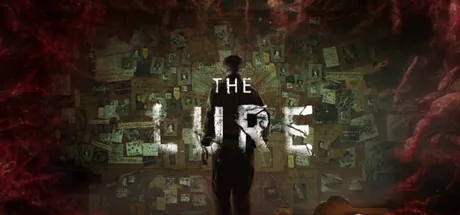
Game review
The Lure
7 / 10
- Developer
- Roger Entertainment
- Publisher
- Roger Entertainment
- Released
- 16 July 2026
- Platforms
- Windows
- Genre
- Psychological Horror
- Monetisation
- Completely free with no in-app purchases, no premium currency and no paid content of any kind
- Players
- None. Single-player only, with no leaderboard, co-op or shared-progress feature
The short version
The Lure casts you as John, a detective searching for a missing colleague, who ends up trapped inside the belly of a mimic — a creature that hunts by rebuilding familiar, comforting environments around its victims, resetting and reshaping them slightly each loop to keep them disoriented and docile. It's a genuinely unsettling hook, and Roger Entertainment renders it with a level of visual polish that press coverage specifically calls out as AAA-adjacent for a studio this small. At only 20 to 30 minutes long and completely free, it's a low-stakes way to experience that premise. The honest caveats: at least one detailed account describes the narrative as retreading familiar indie-horror ground rather than fully capitalising on its own distinctive setup, and performance doesn't consistently match the visual ambition even on capable hardware.
Biggest strengths
- A genuinely distinctive horror premise — an environment that reshapes itself around you as part of the antagonist's own hunting method — gives the short runtime real conceptual teeth
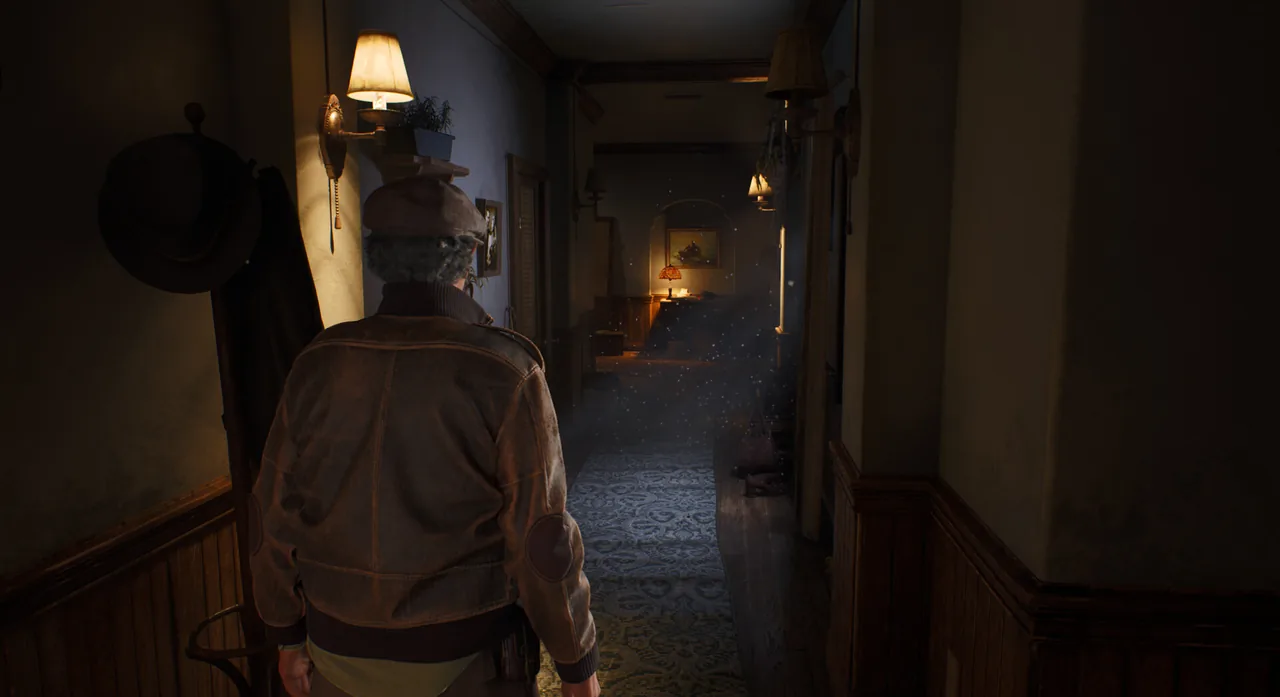
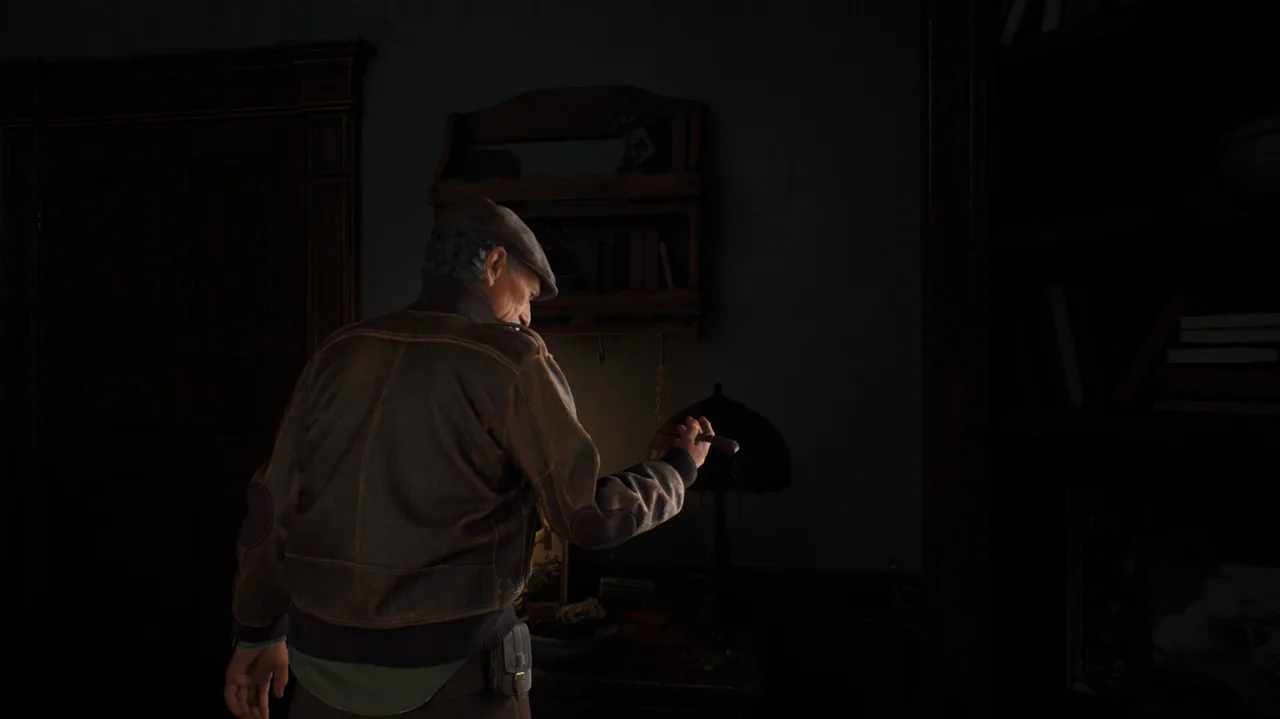
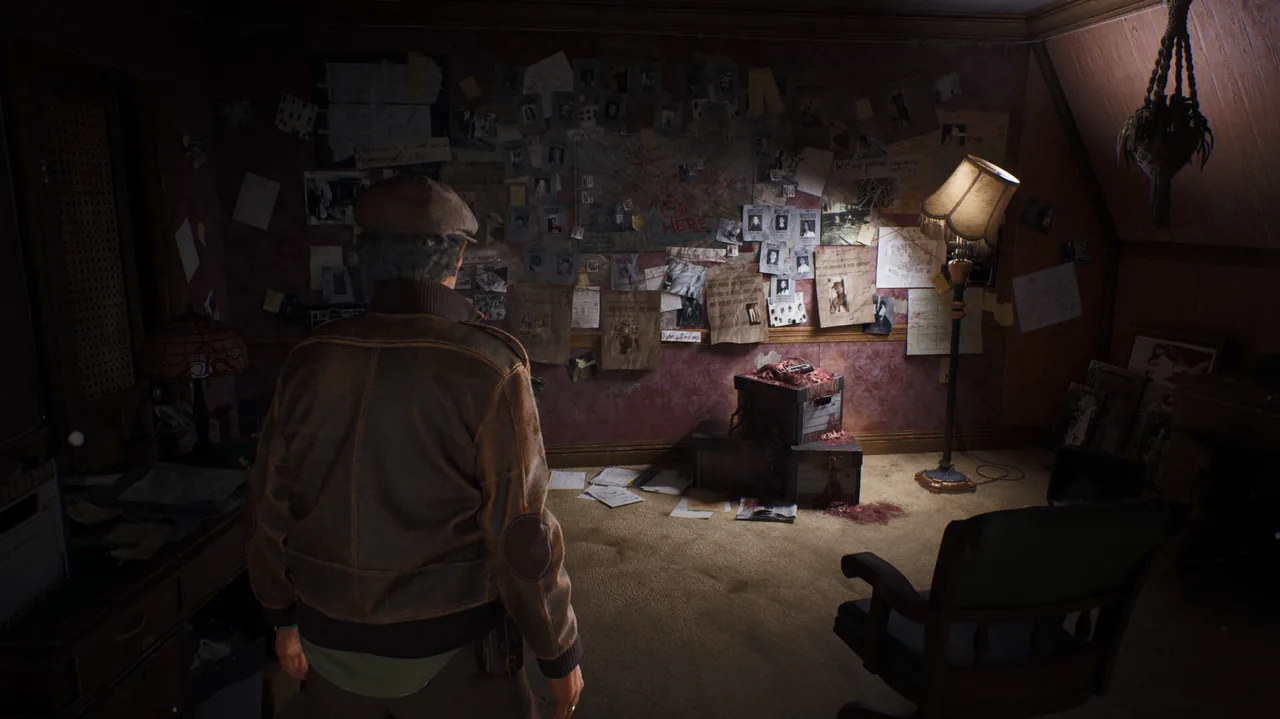
- Visual presentation is repeatedly singled out by press coverage as remarkably ambitious for an independent studio, closer to AAA production values than typical indie horror
- Entirely free with no monetisation of any kind, making it a zero-risk way to sample the concept regardless of how it lands
Biggest weaknesses
- At least one detailed account describes the narrative as retreading themes common across current indie horror rather than making full use of the mimic premise's own novelty
- Performance doesn't consistently match the visual ambition, with at least one report of the game running poorly even on a higher-end system
- The 20-to-30-minute runtime means the concept doesn't get room to develop much beyond its initial hook before the experience ends
Who it's for: Horror fans who want a short, atmospheric, visually striking experience and are comfortable with exploration and observation over any combat, at no financial cost.
Our recommendation: Worth the twenty minutes for the premise and presentation alone, given it costs nothing — just don't expect the story to fully deliver on the strength of its own concept.
7 / 10
The best horror premises make the antagonist's own methods the source of the dread, and The Lure's is a good one: you're not fleeing a monster through a haunted house, you're trapped inside one. As detective John, searching for a missing colleague, you find yourself caught by a mimic — a creature that hunts by rebuilding a familiar, comforting environment around its prey, resetting and subtly reshaping it with each loop to keep its victim disoriented and calm before it eventually consumes them. That's a genuinely unsettling structural idea for a horror game, closer to a psychological trap than a chase, and Roger Entertainment builds a short, free experience directly around it.
Presentation well beyond its studio size
The most consistently repeated praise, across the press coverage this small free release generated, concerns its visuals. Roger Entertainment is a tiny independent studio, and multiple outlets specifically frame the game's crisp, realistic presentation as unusually ambitious for that scale — closer to what a much larger, better-resourced team would typically produce than what a small indie horror release usually manages. That visual fidelity is doing real work for the atmosphere: a mimic's whole hunting strategy depends on its recreated environment feeling convincingly real before the cracks start to show, and a game that couldn't render that believability wouldn't be able to sell the premise at all.
The decision to strip out combat entirely reinforces the same idea. There's nothing to fight in The Lure — only observation, exploration, and the slow, mounting realisation that something about the familiar space you're walking through isn't quite right. For a twenty-to-thirty-minute experience, that focus is the correct call: a combat system would have needed real balancing and depth to justify its own existence, and the game instead spends its short runtime entirely on tension.
Where the concept doesn't quite land
The honest caveat, sourced from a detailed player account found through community discussion rather than Steam's own review-text sample, is specific and worth taking seriously: "Its weird to not recommend a short free game but though Lure's visuals are truly outstanding and the aesthetic is interesting, the story struggled to grab me and felt like it was retreading common themes I'm seeing in indie horror currently." That's a real tension worth naming plainly — the mimic-as- environment premise is distinctive on paper, but at least one careful player found the actual narrative execution familiar rather than fully capitalising on what makes the setup different from typical haunted-house horror. The same account also raises a performance concern: the game reportedly doesn't run smoothly even on a fairly capable system, a real gap between the visual ambition on display and the technical execution supporting it.
A brief note on sourcing for this review: Steam's public review-text API returned no accessible reviews for The Lure at the time of writing, despite a genuine (if small) aggregate total showing Very Positive reception. The specific critical account above, and the broader picture of praise for its visuals, comes from press coverage and community discussion found through search rather than a first-party sample of Steam reviews directly — worth knowing as a limit on how deep this particular assessment could go, though the sources used are specific and credible rather than vague secondhand impressions.
Where this leaves a player
At zero cost and roughly half an hour of your time, The Lure carries essentially no risk to try, and the core hook — a horror antagonist whose method of attack is rebuilding your own comfort around you — is distinctive enough to be worth experiencing on its own terms, especially rendered with the visual polish reviewers keep highlighting. Go in with tempered expectations about where the story actually goes once the initial unease sets in, and be aware performance may not be flawless even on decent hardware. For a free vertical slice from a small studio, though, it's a genuinely striking calling card.
Pros and cons
Pros
- A genuinely distinctive horror premise — an environment that reshapes itself around you as part of the antagonist's own hunting method — gives the short runtime real conceptual teeth
- Visual presentation is repeatedly singled out by press coverage as remarkably ambitious for an independent studio, closer to AAA production values than typical indie horror
- Entirely free with no monetisation of any kind, making it a zero-risk way to sample the concept regardless of how it lands
- A combat-free design keeps the focus on tension, observation and atmosphere rather than diluting the horror with action mechanics
Cons
- At least one detailed account describes the narrative as retreading themes common across current indie horror rather than making full use of the mimic premise's own novelty
- Performance doesn't consistently match the visual ambition, with at least one report of the game running poorly even on a higher-end system
- The 20-to-30-minute runtime means the concept doesn't get room to develop much beyond its initial hook before the experience ends
- Steam's public review-text sample for this title was inaccessible at the time of writing despite a genuine, if small, aggregate review count, limiting how deep this assessment could go into first-party player accounts
Screenshots
-
The LureImage: Roger Entertainment via Steam -
The LureImage: Roger Entertainment via Steam -
The LureImage: Roger Entertainment via Steam -
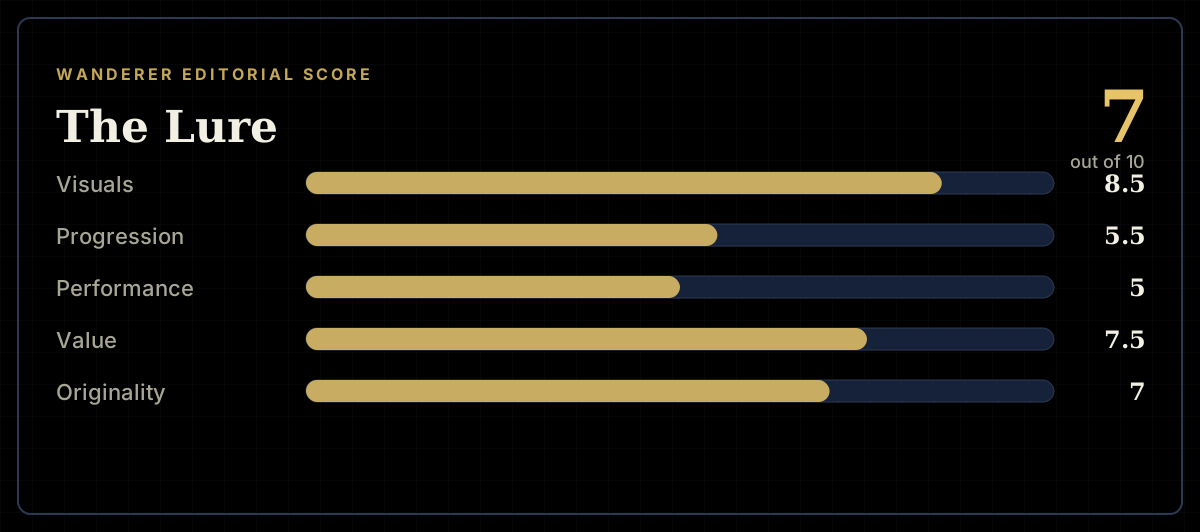
How the review scores each part of the gameWanderer Editorial -
The short versionWanderer Editorial