Game review
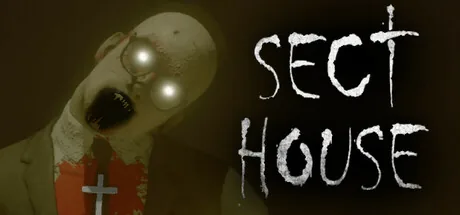
Sect House
6 / 10
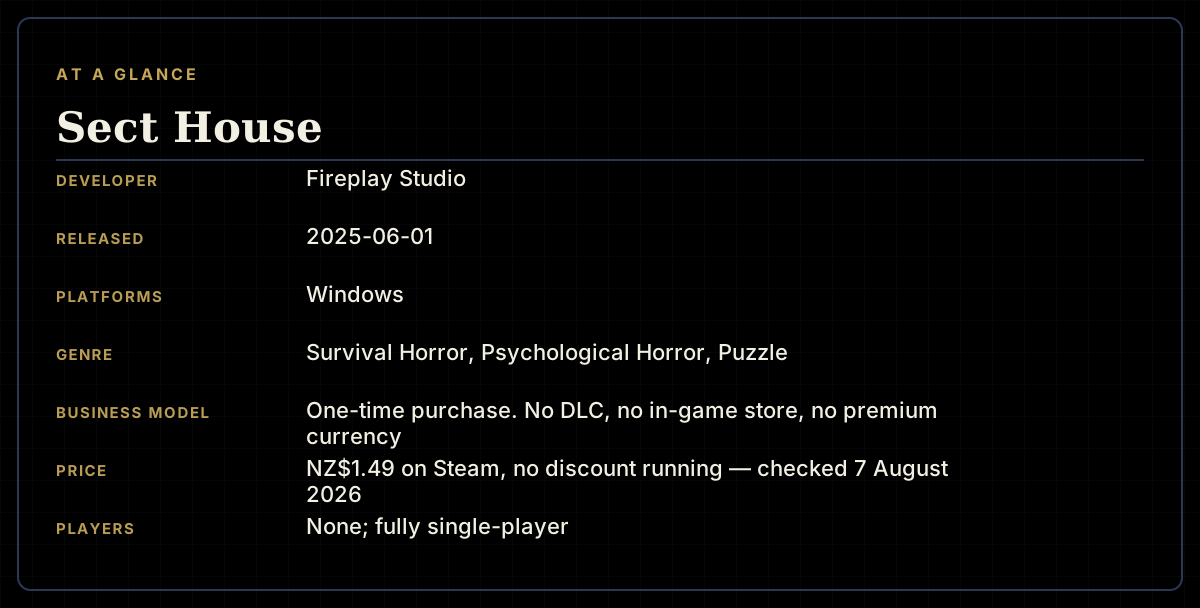
- Developer
- Fireplay Studio
- Publisher
- Fireplay Studio
- Released
- 1 June 2025
- Platforms
- Windows
- Genre
- Survival Horror, Psychological Horror, Puzzle
- Monetisation
- One-time purchase. No DLC, no in-game store, no premium currency
- Players
- None; fully single-player
The short version
Sect House is not an idle game. Steam's own vote-weighted community tags put "Idler" a handful of votes ahead of every tag that actually describes it — Puzzle, Survival Horror, Psychological Horror, Walking Simulator — on a store listing whose official genre field says only "Indie." What Fireplay Studio actually shipped for NZ$1.49 is a short, single-sitting first-person horror game: a child, handed to a cult by their own parents, exploring a house that doubles as the group's private chapel, solving three puzzles and working toward one of two endings while staying clear of the pastor who runs the place.
At that price the scope is honest rather than thin — ten achievements, no DLC, no premium currency, and a 34-review Steam corpus (22 positive, 12 negative, 64.7% "Mixed" across every language; 75% "Mostly Positive" in English alone) that reads as a small but genuinely engaged audience rather than a dumped asset flip. What holds it back is execution, not ambition: recurring complaints about harsh sound design, no visible mouse-sensitivity option in any of the developer's own promotional material, and at least one screenshot showing an unmodified stock prop standing in for bespoke set dressing, from a developer whose other horror releases one longtime player describes as consistently mediocre.
Biggest strengths
- NZ$1.49 buys a complete, honestly-scoped short horror game — three puzzles, two distinct endings, ten achievements — and nothing in its store listing oversells what's actually there
- The cult setting is worked into the house itself rather than bolted on: a private chapel with pews and a pulpit sits inside the home, alongside Seven Sins graffiti scrawled across the walls of other rooms
- Monetisation is limited entirely to the NZ$1.49 sticker price, with no DLC, no in-app purchases and no premium currency anywhere on its Steam listing
Biggest weaknesses
- Steam's own vote-weighted community tags rank "Idler" (177 votes) fractionally ahead of every tag that actually describes the game, including Puzzle (170) and Survival Horror (167) — a mistagged listing dressed up as a data point, not evidence of an idle mechanic
- English, Korean and Chinese-language reviewers independently single out harsh or uncomfortable sound design, and none of the seven official screenshots show an audio or mouse-sensitivity settings menu
- A Russian-language reviewer who says they've played nearly all of Fireplay Studio's other horror releases rates every one of them mediocre to bad — a pattern, not an isolated complaint about this game specifically
Who it's for: Cheap-horror regulars who want a one-sitting cult-house escape with two endings to chase, and Steam Achievement hunters after a short, honestly-scoped ten-achievement list. Not for anyone who arrived expecting anything resembling an idle or incremental system, because there isn't one.
Our recommendation: Worth its own asking price for a single evening of hide-and-seek horror with real atmosphere in its best moments, but go in knowing the "Idler" tag on its store page describes a Steam meme, not the game, and that the rough audio and reused stock props are the price of buying from a developer working this small and this fast.
6 / 10
The single most useful thing Steam's own data does for this review is contradict Steam's own tagging. Pull up Sect House's store page and the visible genre field says exactly one word — "Indie" — which describes nothing. Dig into the vote-weighted community tags buried in the page's own InitAppTagModal script, the honest signal underneath the pills a developer chooses to show, and "Idler" sits on top with 177 votes. It is not the game. Puzzle (170), Survival Horror (167) and Psychological Horror (161) are effectively tied with it, Exploration and Walking Simulator follow close behind, and the developer's own description settles the argument outright: a child whose parents hand them over to a cult, trapped in a house run by its pastor, working through three puzzles toward one of two endings while trying not to get caught. There is no resource to leave accumulating, no currency, no reason to close the game and open it again later. Whatever put "Idler" on top of that vote count, it was not people describing what they played.
A house that's also a chapel
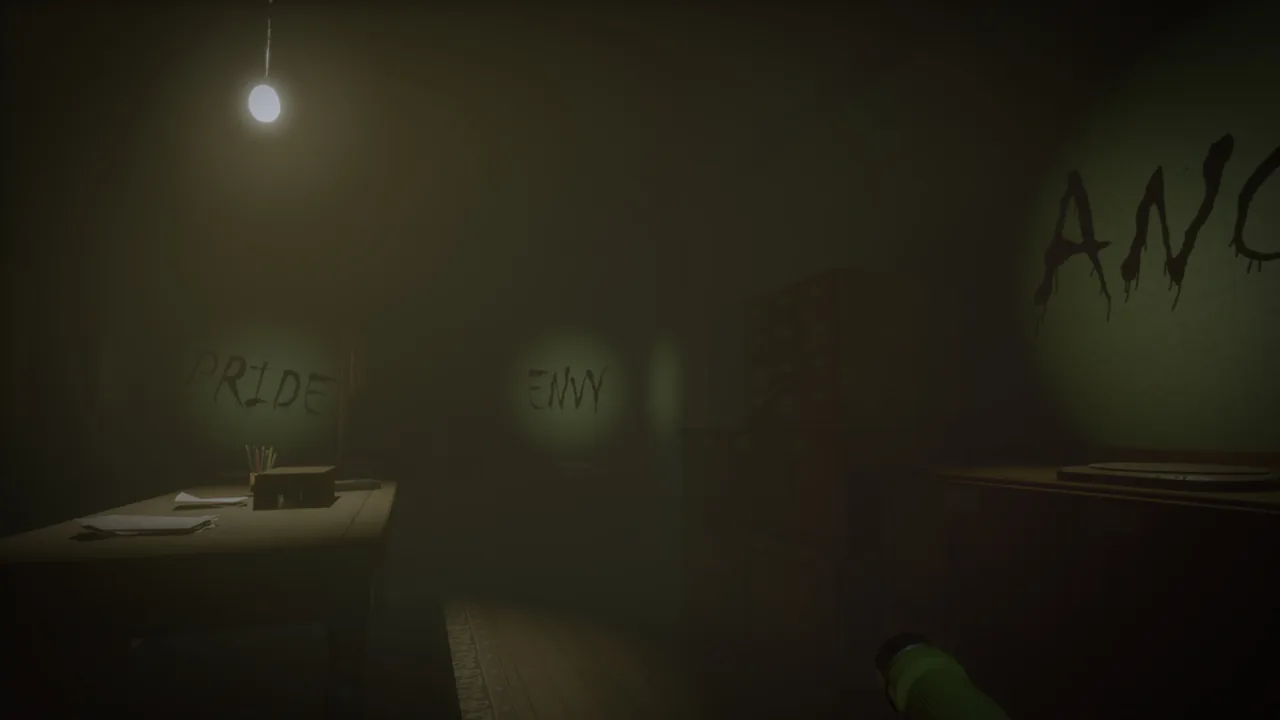
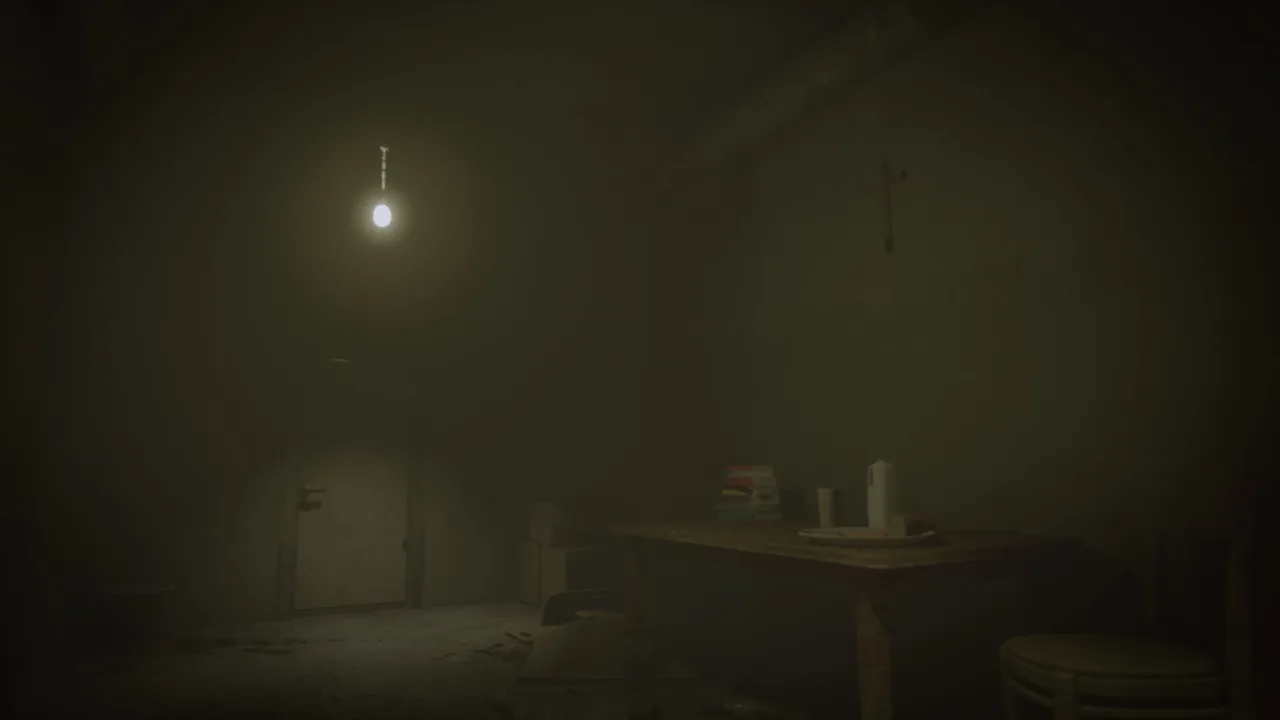
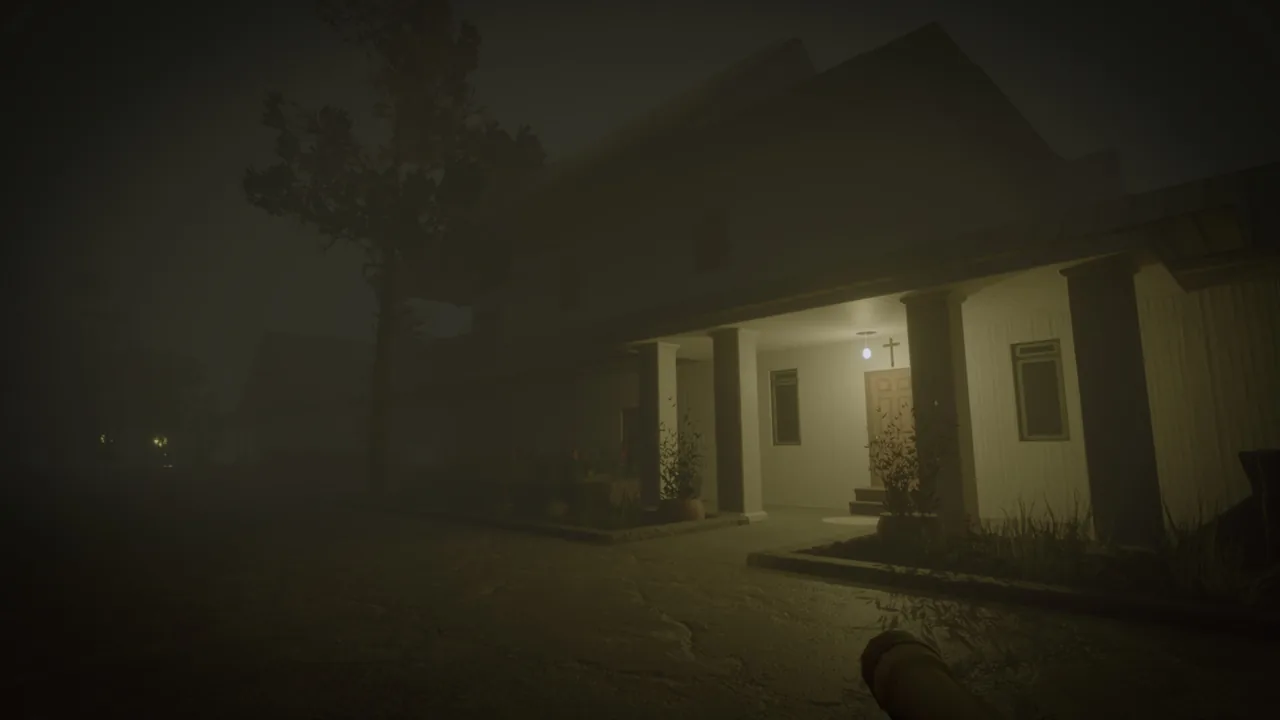
What the promotional screenshots show instead is a small, atmospheric horror set. The house reads as an ordinary suburban home from the outside, except for the cross mounted above its front porch and the second building glimpsed behind it through the fog. Inside, a full chapel has been fitted into one wing — wooden pews in two facing rows, a pulpit with its own cross, book-lined shelves and wall sconces — sitting a few rooms away from a child's bedroom with a poster-covered wall and, visible through the open door beyond it, more crosses mounted in a hallway that clearly wasn't part of the house before the cult moved in. A separate room has the Seven Sins scrawled across the walls in dripping paint — PRIDE and ENVY both legible in one shot, a third word cut off mid-frame — which is a better piece of environmental storytelling than a NZ$1.49 horror game strictly needs to bother with. It's the strongest thing here: a small space made to feel genuinely wrong by what was added to it, rather than by darkness and fog doing all the work alone.
Not everything in the sets is bespoke. One garage screenshot puts a pair of orange propane cylinders front and centre, and printed straight down the side of both is the word "Dekogon" — the branding of a well-known commercial 3D prop pack, left untouched in the shipped scene. That's not damning on its own; plenty of small horror teams build sets out of purchased asset packs and there's nothing wrong with the practice. But it does line up with a complaint several reviewers make independently and in three different languages: the modelling looks rough in places, and the house doesn't always feel like a space built specifically for this story.
Two ways out, and not much between them
The store page promises "two endings" and "three puzzles," and it doesn't oversell either number. That honesty shows up in the global achievement data. Steam's percentages taper rather than cliff: Nightmare and Flashlight — almost certainly early scripted beats, picking up the game's signature light source — sit at 95.7% and 92.8%, FirstDeath at 84.7% confirms most buyers get caught by the pastor at least once, and the four puzzle-adjacent achievements (FourSins, DoorCode, SearchWizard, Painting) cluster in the high 40s to high 50s, exactly where a short game's actual content would sit if roughly half its buyers finish it. The two achievements that read as the endings themselves, MasterofDeaths and Winner, land at 28.8% and 28.1%. Read plainly, that means a little over a quarter of everyone who owns this game saw a genuine ending rather than dying, getting bored, or refunding early — a believable, unremarkable completion rate for a cheap horror game with no obvious barrier standing between "bought it" and "finished it." One English-language review puts real numbers on that: about an hour to see it through, which tracks with reviewer playtimes across the whole sample sitting mostly under two hours regardless of whether the player liked it or not.
The writing supporting that hour is more mixed than the completion curve. Reviewers across three languages call the setup genuinely creepy in its best moments — one compares the tone to "a stalker's dream after three cups of mushroom tea," another specifically praises the tension of avoiding the pastor while searching rooms — while a Korean-language review calls the plot itself "very ordinary" once the scares wear off, and an English review sums up the whole thing as "wandering around a maze while a monster hunts you," with the AI behind that monster drawing separate criticism in both English and Korean reviews for being easy to lose or predict.
The rough edges
Sound is where the complaints concentrate hardest. Across English, Korean and Chinese reviews, players independently flag harsh or uncomfortable audio — one Chinese review says plainly it hurts the ears — and the system requirements page recommends headphones with surround sound for the intended atmosphere, which makes an unpolished mix a bigger problem here than it would be in a quieter game. Related to that: none of the seven official screenshots show an options or settings menu of any kind, and a Russian-language reviewer specifically complains there's no way to adjust mouse sensitivity, calling the default look speed uncomfortably sharp. Between the two, this reads as a game that shipped without much attention paid to the space between "playable" and "comfortable," even though Full Controller Support is a genuine, listed feature.
There's a pattern worth naming plainly rather than hedging around: a Russian-language review states that they've played nearly all of Fireplay Studio's other horror games and rate them consistently mediocre to bad, and a separate English review references having played "your camping game" from the same developer in an otherwise positive write-up. Sect House isn't a one-off experiment from a debut studio — it's one entry in what reads like an ongoing series of small, similarly-styled horror releases from the same small team, and the technical rough edges here (audio mixing, no sensitivity option, a visible stock prop) look like the kind of thing that would carry over release to release rather than get fixed once and stay fixed. The developer's own Steam news feed offers no counter-evidence either way — it's sat empty since launch in June 2025, with no patch notes, no acknowledgement of any of this, nothing.
What NZ$1.49 actually buys
Judged purely on value, this is close to as low-risk as a purchase gets. NZ$1.49 with no discount, no DLC, no premium currency and no in-app purchases anywhere on the listing — whatever else is wrong with Sect House, it isn't trying to nickel-and-dime anyone once they've bought in. The all-language review split (22 positive, 12 negative, 64.7% "Mixed") and the English-only split (12 positive, 4 negative, 75% "Mostly Positive") tell slightly different stories, but the gap isn't a language-driven skew in the way a cultivation or gacha title's numbers sometimes are — the corpus splits fairly evenly across English, Chinese, Russian and Korean with no single non-English bloc large enough to move the total on its own. It's simply a small, honest sample of players who mostly liked what they played, with a vocal minority who found the scares thin, the AI dumb, and the ears-first sound design actively unpleasant.
Final verdict
Sect House does what its store page says it does, and that's worth more credit than a mistagged listing suggests. There's a real, if brief, horror experience here — a cult hiding inside a converted family home, a pastor to avoid, two endings roughly a quarter of buyers reach, and not a cent asked for beyond the NZ$1.49 sticker price. What keeps it in the "fair, not good" band is entirely about polish: audio several reviewers across three languages call uncomfortable, no visible way to tune mouse sensitivity, a stock prop left with its marketplace branding intact, and a developer whose other horror games one experienced player rates no better than this one. Buy it for an evening's cheap scare and nothing more, and ignore whatever Steam's own community tag voters decided to call it — this is a horror game, not an idler, and the review corpus bears that out far better than the tag cloud does.
Pros and cons
Pros
- NZ$1.49 buys a complete, honestly-scoped short horror game — three puzzles, two distinct endings, ten achievements — and nothing in its store listing oversells what's actually there
- The cult setting is worked into the house itself rather than bolted on: a private chapel with pews and a pulpit sits inside the home, alongside Seven Sins graffiti scrawled across the walls of other rooms
- Monetisation is limited entirely to the NZ$1.49 sticker price, with no DLC, no in-app purchases and no premium currency anywhere on its Steam listing
- The global achievement curve shows a genuine taper rather than a collapse — from the high-80s and 90s percent for the opening beats down to 28.1% for the better of its two endings — evidence that roughly a quarter of buyers see the game through rather than bouncing immediately
- Full controller support and Steam Cloud saves are both listed, and nothing in its 34-review corpus reports a crash or a lost save
Cons
- Steam's own vote-weighted community tags rank "Idler" (177 votes) fractionally ahead of every tag that actually describes the game, including Puzzle (170) and Survival Horror (167) — a mistagged listing dressed up as a data point, not evidence of an idle mechanic
- English, Korean and Chinese-language reviewers independently single out harsh or uncomfortable sound design, and none of the seven official screenshots show an audio or mouse-sensitivity settings menu
- A Russian-language reviewer who says they've played nearly all of Fireplay Studio's other horror releases rates every one of them mediocre to bad — a pattern, not an isolated complaint about this game specifically
- One promotional screenshot shows a garage prop still carrying the visible branding of the "Dekogon" stock asset pack it was pulled from, and several reviewers separately call the character and monster modelling rough
- At ten achievements and reviewer-reported completion times around an hour, there is very little game left once both endings and the achievement list are cleared
Screenshots
-
Sect HouseImage: Fireplay Studio via Steam -
Sect HouseImage: Fireplay Studio via Steam -
Sect HouseImage: Fireplay Studio via Steam -
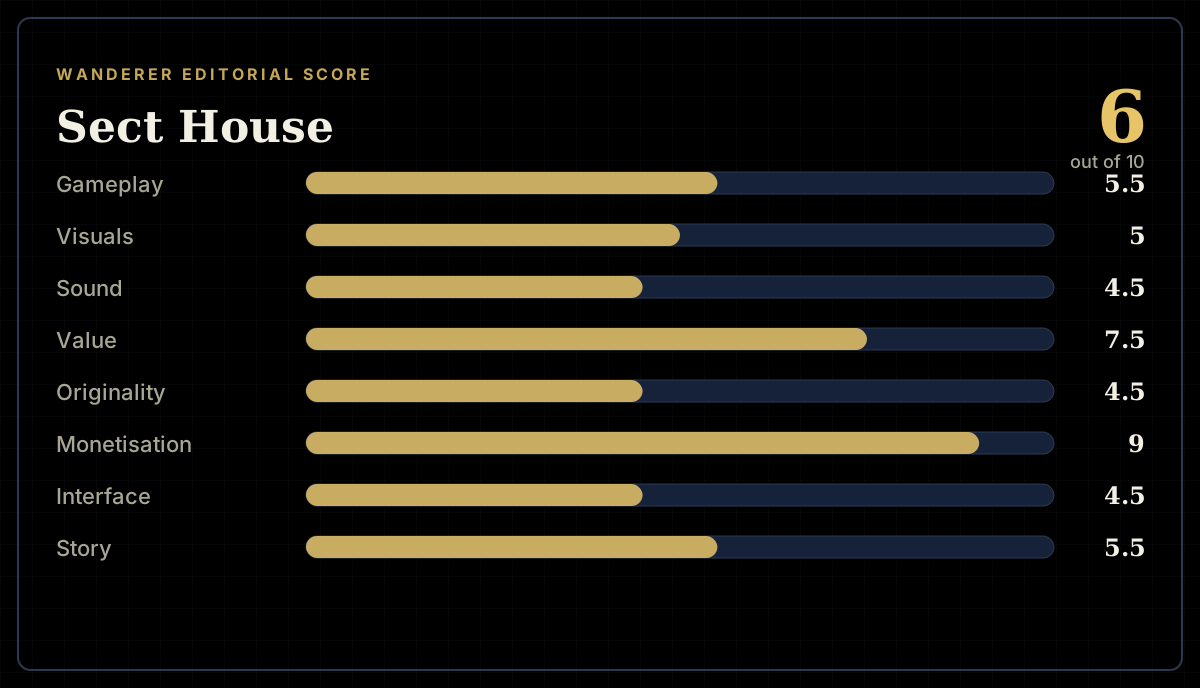
How the review scores each part of the gameWanderer Editorial -
The game at a glanceWanderer Editorial -
The short versionWanderer Editorial