
Game review
Threefold Recital
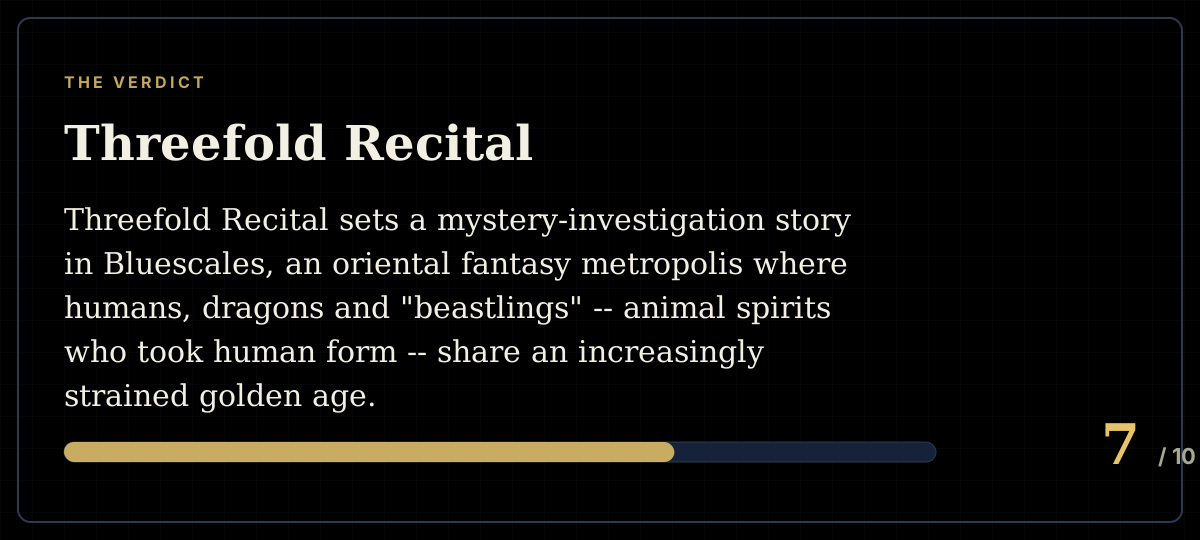
7 / 10
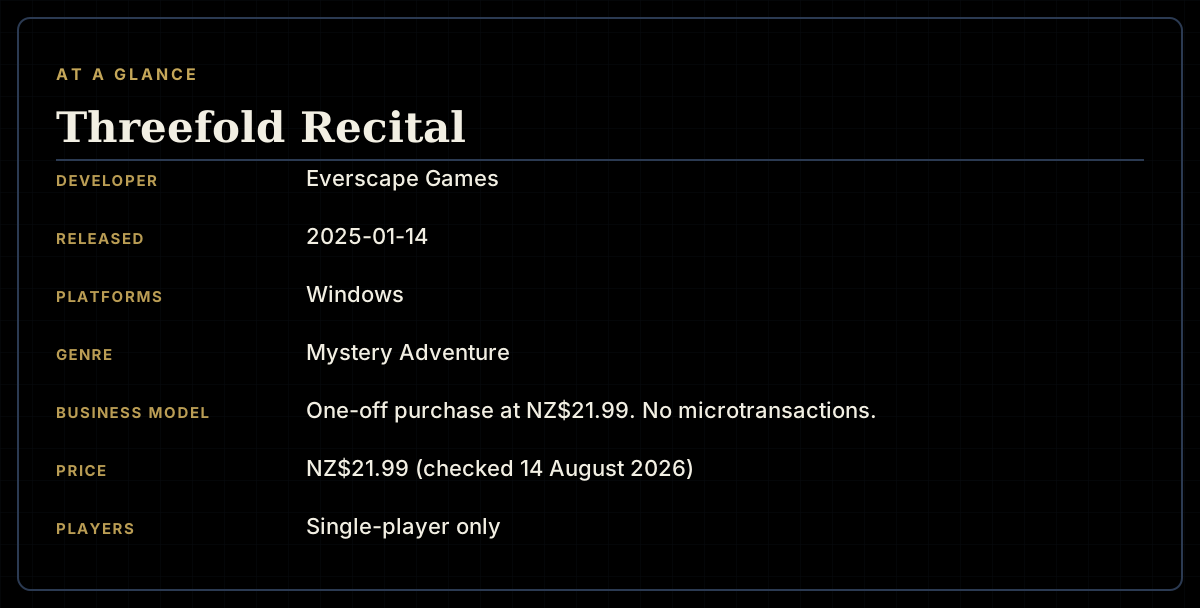
- Developer
- Everscape Games
- Publisher
- indienova
- Released
- 14 January 2025
- Platforms
- Windows
- Genre
- Mystery Adventure
- Monetisation
- One-off purchase at NZ$21.99. No microtransactions.
- Players
- Single-player only
The short version
Threefold Recital sets a mystery-investigation story in Bluescales, an oriental fantasy metropolis where humans, dragons and "beastlings" -- animal spirits who took human form -- share an increasingly strained golden age. It's framed on its cover art by anthropomorphic character designs that clearly cost it some first impressions; a striking number of its reviews open by addressing that head-on. "For those who see furries in the art and are wary of what this game entails, I can safely say that it is nothing sexual or weird," reads one of the most-voted reviews on the game, going on to call it "insanely narrative" instead. That's the shape of Threefold Recital's reception: a well-written, well-cast mystery adventure that keeps having to correct the assumption its own art style invites.
Once past that, the more common critical note is about pacing and genre expectations rather than content. Several reviewers who came in expecting Ace Attorney-style deduction gameplay describe the actual experience as "mostly just a visual novel with very light investigation segments," and more than one flags a slow, dialogue-heavy opening stretch that only clicks into place several hours in -- a real risk for a mystery that needs to hook players early.
Biggest strengths
- Writing and character work draw sustained, specific praise, with reviewers repeatedly singling out individual cast members by name and describing genuine attachment to them by the story's end
- A distinctive oriental fantasy setting -- humans, dragons and beastlings navigating a city where magic and technology collide -- that reviewers say earns its Drama tag rather than coasting on aesthetic alone
- Achievement data shows just over half of owners complete the full six-chapter story, an unusually strong finish rate for a narrative game, suggesting the story genuinely holds attention once underway
Biggest weaknesses
- A slow, dialogue-heavy opening that several reviewers say takes multiple hours to click, a real risk for a mystery that needs to earn its audience's patience early rather than late
- The investigation and puzzle mechanics are consistently described as simplistic, with more than one reviewer noting the game plays closer to a visual novel with light investigation than a true Ace Attorney-style deduction game, despite comparisons the community sometimes invites
- Some reviews report noticeable spelling and translation rough edges in the English localization
Who it's for: Fans of narrative-driven mystery adventures and visual novels who value strong writing and character work over mechanically deep investigation gameplay, and anyone unbothered by anthropomorphic character designs on the cover. Not for players expecting genuine Ace Attorney-style deduction and cross-examination, or anyone who needs a fast-hooking opening hour.
Our recommendation: A strong pick for visual novel and narrative-adventure fans willing to give a slow opening chapter room to build, less certain a fit for players drawn in expecting real detective gameplay. The writing and cast are the draw -- go in for the story, not the puzzles.
7 / 10
Threefold Recital has an image problem entirely of its own cover art's making. Its cast includes "beastlings" -- a wolf, a fox and a snake who took human form after generations of patient effort -- and that anthropomorphic character design is enough to make a meaningful share of its own reviews open with reassurance rather than analysis. "For those who see furries in the art and are wary of what this game entails, I can safely say that it is nothing sexual or weird," reads one of the most heavily upvoted reviews on the game, going on to describe it instead as "insanely narrative" mystery fiction. That a Very Positive, 96.1%-rated game needs its fans running interference on its own marketing is an unusual dynamic, but it's a consistent one across the review history, and it's worth knowing before anything else: what's actually here is a dialogue-heavy investigation story set in a city balancing magic, technology and old grudges, not the tone its art style might suggest.
A cast worth the investment, once it starts paying off
What reviewers consistently praise, once past the surface read of the character designs, is the writing. "I was completely struck by the story in this game and how charming the entire cast was, down to almost every single line of banter," reads one review, going on to say it's one of the few games on the platform that earns its Drama tag outright. Individual characters draw specific, recurring affection -- one review devotes most of its length to a single supporting character before circling back, half-joking, to actually review the game -- and the setting itself, a metropolis called Bluescales navigating the collision of old magic and modern technology after a golden age starts to crack, gives the mystery plot real stakes beyond its individual cases.
That praise comes with a real caveat about pacing. More than one reviewer describes a slow start that tests patience before the plot's threads start connecting. "It felt slow at first, it makes an amazing use of the various concepts introduced earlier into the game, and it all slowly starts to make sense," reads one review that stuck with it; a negative review makes the opposite bet and loses patience first, arguing that "it's common to have a bit of a slow start... but there's a very careful limit to how much of that there can be." Both reviews are describing the same structural choice -- the story takes its time before its payoffs land -- and simply landing on opposite sides of whether that patience is worth extending. The achievement data suggests most players who invest the time do see it through: just over half of all owners complete the full six-chapter story, an unusually high finish rate for a narrative-driven game, which backs up the reviewers who say the back half justifies the front half's slower pace.
A mystery game that isn't quite the mystery game some expected
The most specific, recurring critical note isn't about the writing quality -- it's about what kind of game this actually is. Threefold Recital's marketing and community reputation lean on Ace Attorney comparisons, and a number of reviews push back on that framing directly. "This really isn't an ace attorney like, it's mostly just a visual novel with very light investigation segments," reads one, careful to add that the visual novel half is "great, very charming and fun" even while noting the deduction gameplay some players came for isn't really present. Puzzle and investigation mechanics draw consistent description as simple rather than deep, and one negative review goes further, calling the puzzles, animation and background music dated relative to the strength of the writing and art around them.
The technical presentation gets a mixed but generally forgiving read. Character sprites are described by more than one reviewer as insufficient for the emotional range the script asks of them, and a handful of reviews note noticeable English localization rough edges -- spelling errors and the occasional awkward turn of phrase. One more detailed complaint concerns the dialogue delivery itself: large modal visual-novel boxes that some reviewers say trigger automatically and can't be skipped, adding friction to scenes regardless of how well they're written. None of these complaints dominate the review history the way the "not actually Ace Attorney" point does, but they show up often enough to be worth flagging directly.
A niche game that knows exactly who it's for
Threefold Recital isn't trying to be a mechanically deep detective game, whatever its marketing sometimes implies, and reviewers who go in expecting narrative depth over investigative crunch are consistently rewarded. The original soundtrack gets called out by name across multiple reviews as a genuine highlight in its own right, and an option to skip harder puzzle segments -- explicitly praised by at least one reviewer -- signals a developer aware that the story, not the puzzle-solving, is the actual product.
7.0 out of 10. Threefold Recital earns its Very Positive score on the strength of its writing, its cast and a fantasy setting with real texture to it, and the achievement data backs up that most players who commit to its slower opening chapters see the story through to the end. It's held back from a stronger score by a real gap between what it's sometimes marketed as -- a mystery-investigation game in the Ace Attorney tradition -- and what it actually delivers: a dialogue-first visual novel with light investigative dressing. Go in for the story and the cast, not the deduction gameplay, and give the opening hours the patience most positive reviews say they need.
Pros and cons
Pros
- Writing and character work draw sustained, specific praise, with reviewers repeatedly singling out individual cast members by name and describing genuine attachment to them by the story's end
- A distinctive oriental fantasy setting -- humans, dragons and beastlings navigating a city where magic and technology collide -- that reviewers say earns its Drama tag rather than coasting on aesthetic alone
- Achievement data shows just over half of owners complete the full six-chapter story, an unusually strong finish rate for a narrative game, suggesting the story genuinely holds attention once underway
- An accessibility option to skip harder puzzle segments, specifically praised by reviewers who wanted the story without the friction
- Original soundtrack singled out by name in multiple reviews as a highlight in its own right
Cons
- A slow, dialogue-heavy opening that several reviewers say takes multiple hours to click, a real risk for a mystery that needs to earn its audience's patience early rather than late
- The investigation and puzzle mechanics are consistently described as simplistic, with more than one reviewer noting the game plays closer to a visual novel with light investigation than a true Ace Attorney-style deduction game, despite comparisons the community sometimes invites
- Some reviews report noticeable spelling and translation rough edges in the English localization
- Large modal dialogue boxes that some reviewers say trigger automatically and can't be skipped, creating pacing friction independent of the writing quality itself
- Character sprites and animation are described by more than one reviewer as insufficient for the range of actions and emotions the script calls for
Screenshots
-
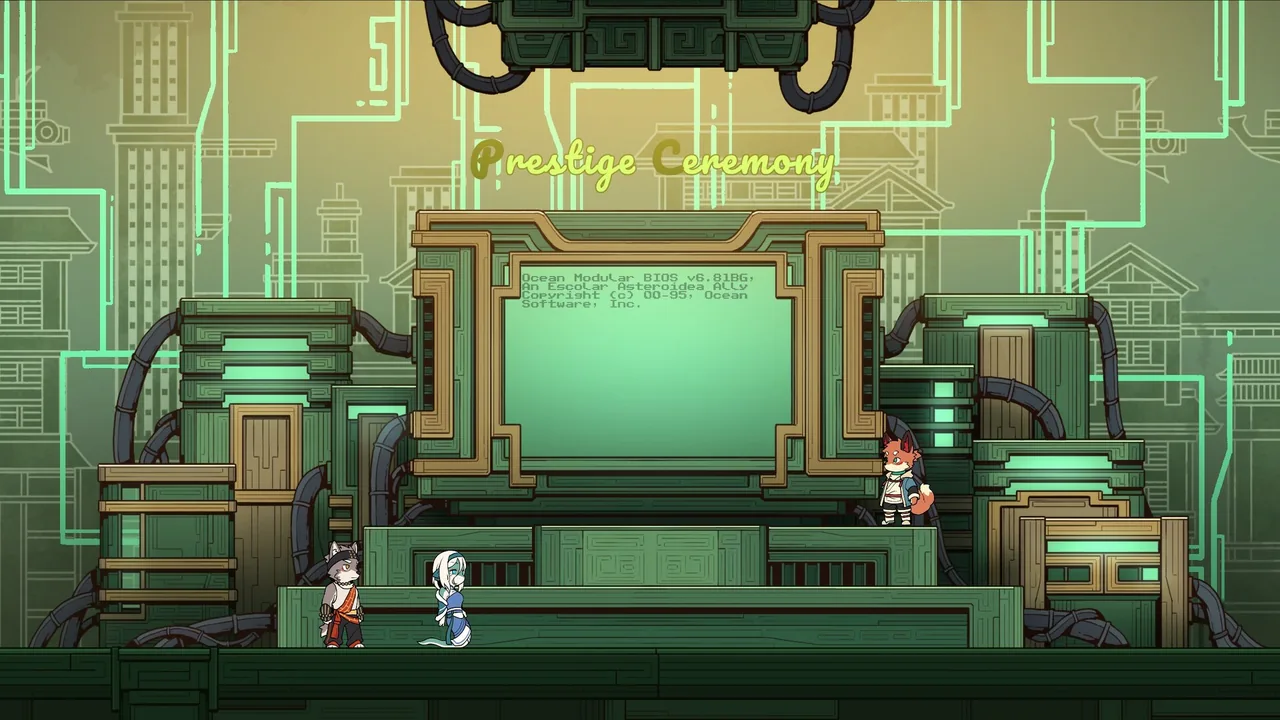
Threefold RecitalImage: indienova via Steam -
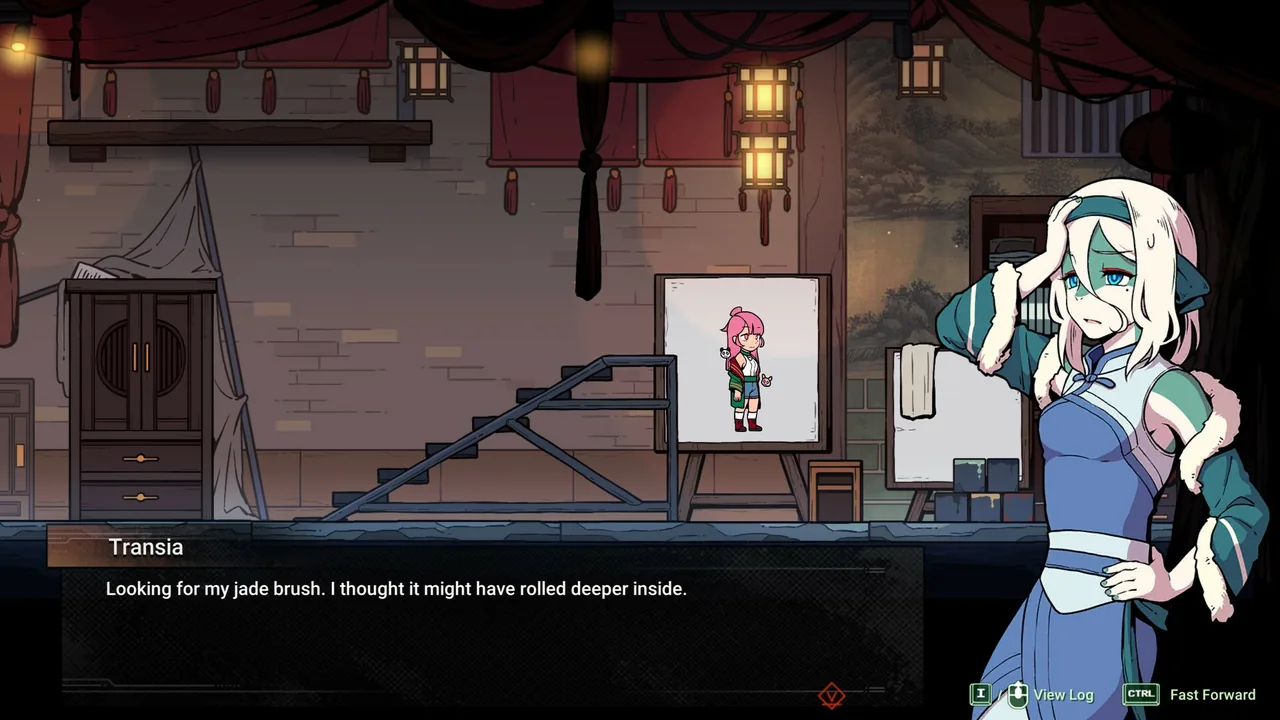
Threefold RecitalImage: indienova via Steam -
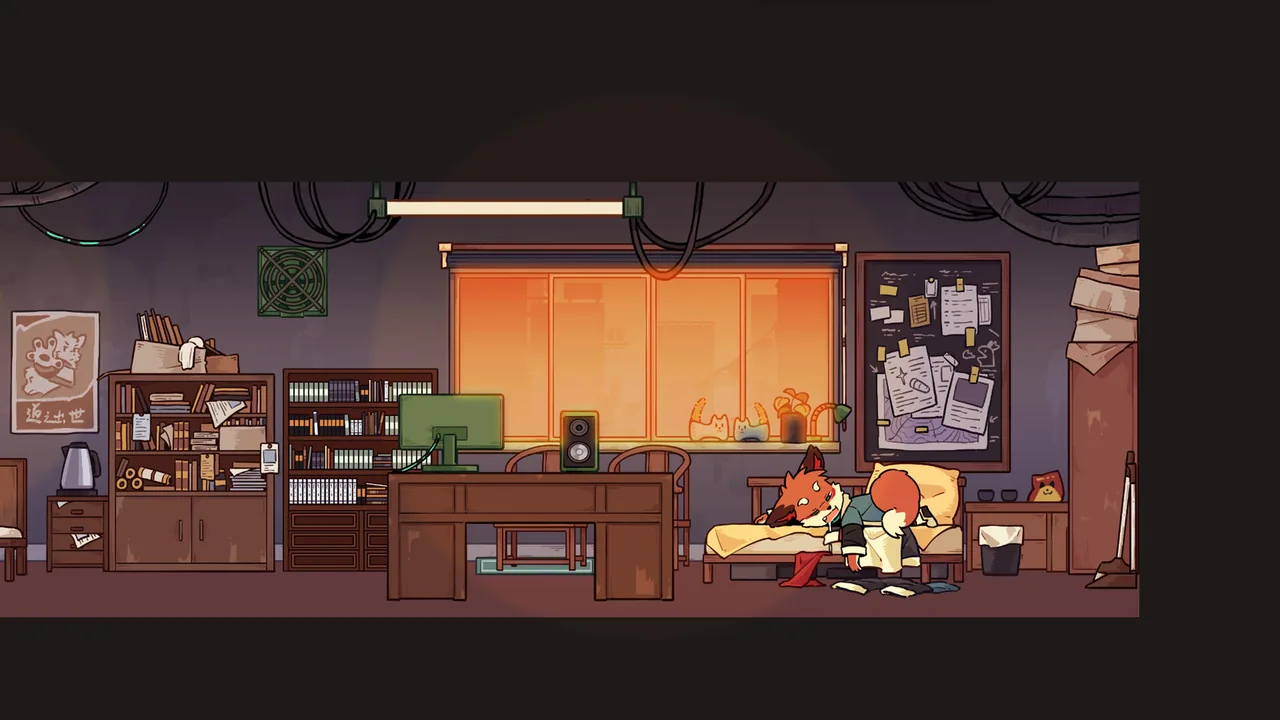
Threefold RecitalImage: indienova via Steam -
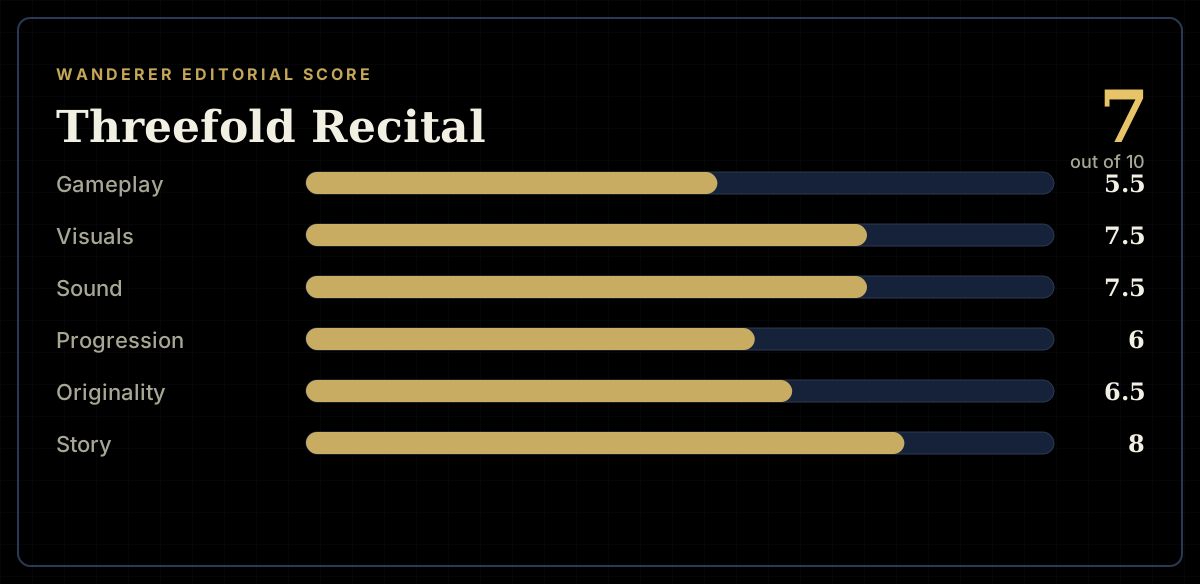
How the review scores each part of the gameWanderer Editorial -
The essentialsWanderer Editorial -
The short versionWanderer Editorial