Game review
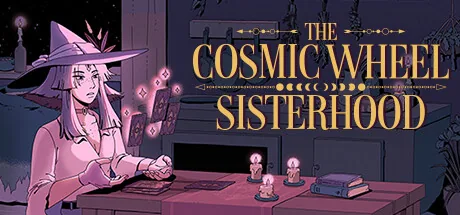
The Cosmic Wheel Sisterhood
7 / 10
- Developer
- Deconstructeam
- Publisher
- Devolver Digital
- Released
- 16 August 2023
- Platforms
- Windows
- Genre
- Narrative Adventure
- Monetisation
- One-time purchase, no in-game store
- Players
- Single-player only
The short version
The Cosmic Wheel Sisterhood is Deconstructeam's narrative adventure, published by Devolver Digital, casting the player as Fortuna, an exiled witch crafting her own tarot deck to read fortunes, shape relationships and navigate the politics of a cosmic Witch society. Released 16 August 2023, it holds 6,241 Steam reviews at Very Positive, roughly 93.3%, with recent sentiment holding close at 89%. This review's read of a substantial share of both samples finds strong, consistent praise for its tarot-crafting hook, art and writing pedigree, alongside a widely repeated, specific complaint that the story pivots roughly halfway through into a management-sim structure many reviewers found tonally jarring, and that its marketed "choices matter" premise resolves into a narrower set of outcomes than expected.
Biggest strengths
- Crafting a personal tarot deck and using it to read fortunes for other characters is consistently praised as a genuinely creative, well-integrated core mechanic rather than a gimmick
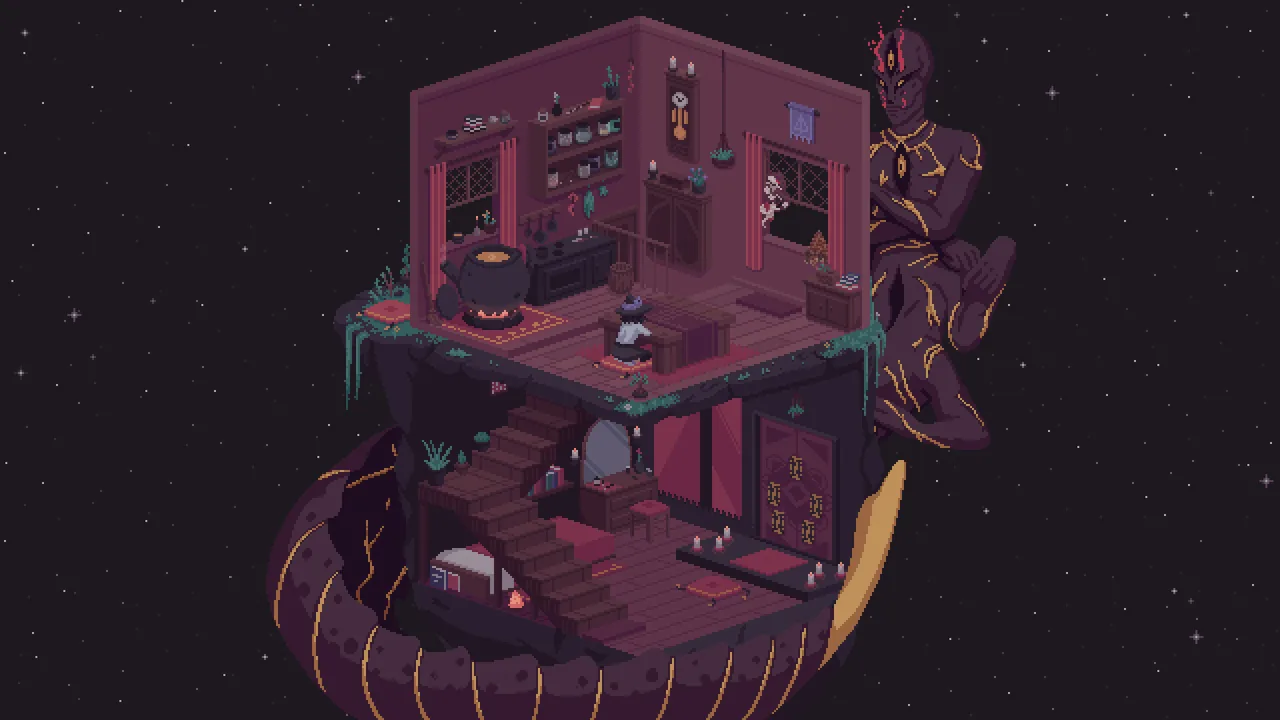
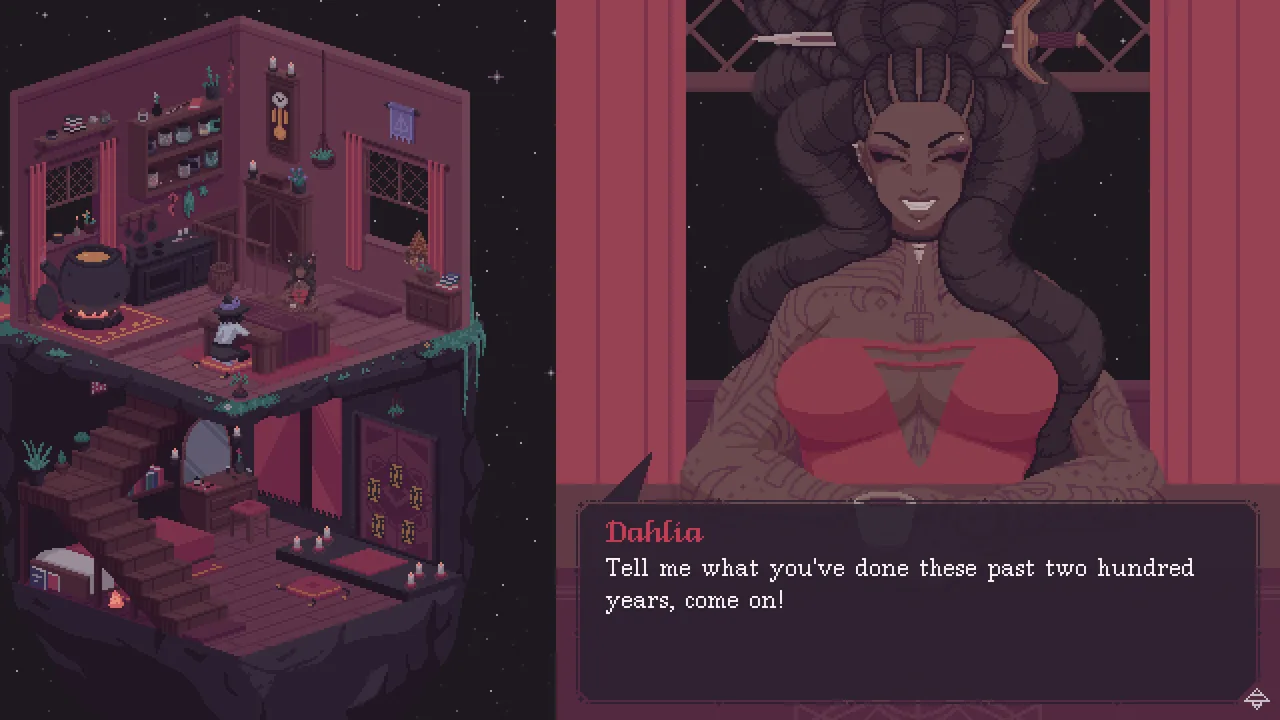
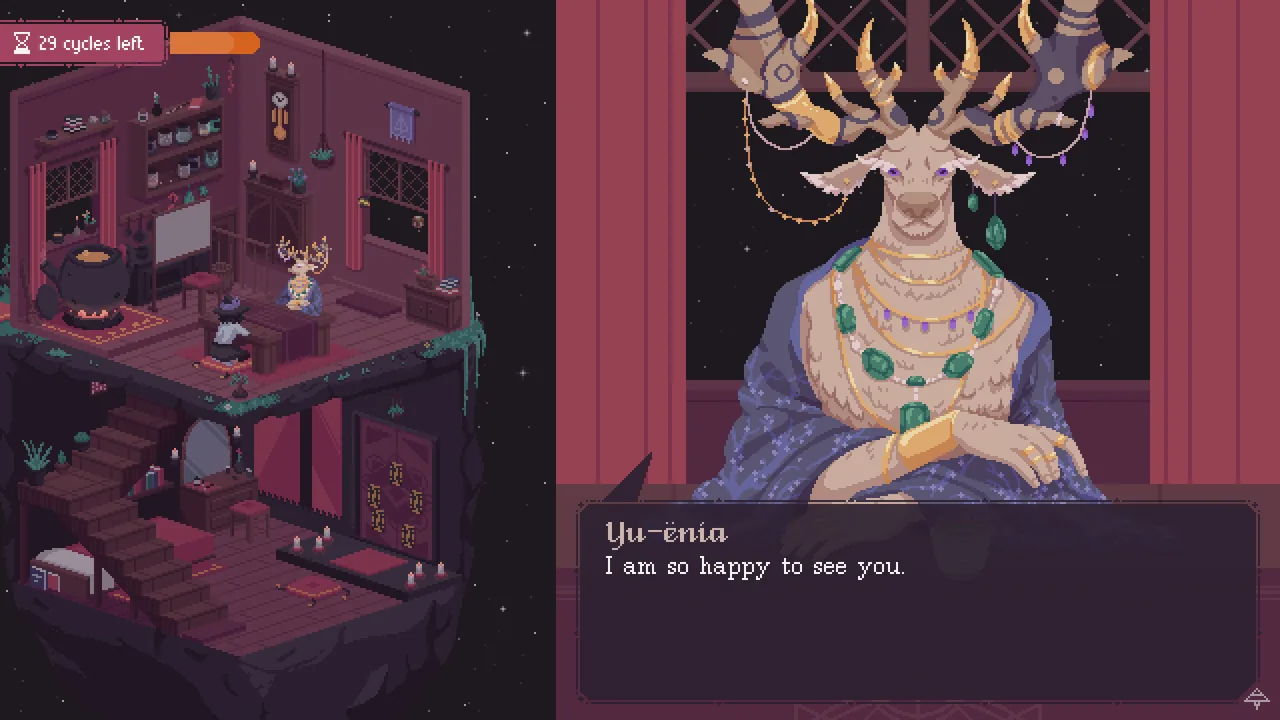
- Art direction and the overall witch-fantasy aesthetic draw strong, consistent credit, with reviewers describing a visually and tonally cohesive world
- Writing carries real pedigree from Deconstructeam's earlier work, and reviewers who loved Gods Will Be Watching or The Red Strings Club generally recognise the same voice here
Biggest weaknesses
- This review's most dominant, specific complaint is a mid-game pivot into a political management sim — assigning tasks, reading graphs and analytics — that a large share of reviewers describe as tonally jarring and considerably less engaging than the card-crafting and fortune-telling that came before it
- Despite marketing built around consequential choices, several detailed reviewers report the story resolves into essentially two endings determined by a single mid-game decision, with branching feeling more cosmetic than structural
- The game's handling of its social and political themes drew a genuinely mixed response, with some reviewers praising the representation and others describing the tone as heavy-handed; this drew backlash from outside the actual player base as well, which several reviewers explicitly distinguish from legitimate criticism of the writing itself
Who it's for: Fans of Deconstructeam's earlier games (Gods Will Be Watching, The Red Strings Club) and narrative-first players who want a distinctive card-crafting hook and witch-fantasy aesthetic; less suited to players who want a management sim to stay a management sim, or genuinely consequential branching choices throughout.
Our recommendation: A stylish, well-written narrative game whose best ideas front-load into its first half, worth playing for the writing and tarot-crafting concept with tempered expectations about where the back half goes.
7 / 10
Introduction
The Cosmic Wheel Sisterhood casts the player as Fortuna, a fortune-teller witch exiled to a lonely asteroid, crafting a personal tarot deck from scratch and using it to read fates, build relationships and navigate the politics of a wider Witch society while working toward her own freedom. Developed by Deconstructeam, the studio behind Gods Will Be Watching and The Red Strings Club, and published by Devolver Digital, it released 16 August 2023 for NZ$26.29. Over two years on, it holds 6,241 Steam reviews sitting at Very Positive, roughly 93.3%, with recent sentiment holding close at 89% across its most recent 100 English reviews. This review reads a substantial share of both the negative and positive samples, and finds a game whose first half draws close to unanimous acclaim, and whose second half is the subject of this review's single most consistent complaint.
A tarot-crafting hook reviewers genuinely love
Start with what draws this review's clearest, most consistent praise: the core mechanic of designing a personal tarot deck, choosing which symbols and meanings go into each card, then using that deck to read fortunes that shape conversations and relationships. Reviewers consistently describe it as genuinely creative and well-integrated rather than a novelty wrapped around a standard visual novel, and it's frequently singled out as the best thing the game does. Art direction and the overall witch-fantasy aesthetic earn matching, consistent credit for tonal and visual cohesion, and reviewers who came to the game already fans of Deconstructeam's earlier work generally recognise the same distinctive writing voice that made Gods Will Be Watching and The Red Strings Club stand out.
A pivot reviewers didn't ask for
Set against that praise, this review's sample shows unusually strong, specific agreement on where the game loses momentum: roughly halfway through, the story shifts from fortune-telling and character-driven scenes into a political management structure — assigning tasks to other witches, reading graphs and analytics to run a small bureaucracy. A large share of reviewers describe this shift as tonally jarring and considerably less engaging than what preceded it, several using nearly identical language to describe feeling like a different, less interesting game had begun partway through. A related, more structural complaint concerns the game's marketing around consequential choices: despite branching dialogue and relationship options throughout, several detailed reviewers report the story ultimately resolves into two main endings determined by a single mid-game decision, describing the sense of agency built up over the first half as more cosmetic than mechanically real once the credits roll.
Social themes that drew both engagement and backlash
The Cosmic Wheel Sisterhood engages directly with gender, identity and found-family themes as part of its witch-fantasy premise, and this review's sample shows a genuinely mixed, occasionally heated response to that content specifically. Some reviewers praise the representation as meaningful and well-integrated into the story; others describe the handling as heavy-handed relative to the rest of the writing. Separately, and worth distinguishing clearly, this review's sample shows evidence that the game and its reviewers attracted attention from outside its actual player base — one widely-upvoted positive review specifically describes disabling comments after receiving repeated hostile messages unrelated to the game's actual content. This review treats that kind of backlash as a separate phenomenon from legitimate critical engagement with the writing, and reports both without conflating them. A smaller number of detailed reviews also raise concerns about how certain non-human characters are written relative to the game's only characters of colour; this review states that as a perception documented by specific named reviewers rather than a conclusion it can independently verify from a review corpus.
Final Verdict
The Cosmic Wheel Sisterhood earns its Very Positive standing largely on the strength of its first half: a genuinely creative tarot-crafting mechanic, distinctive art direction, and writing that carries real pedigree from Deconstructeam's earlier, well-regarded work. What keeps this from a stronger recommendation is a widely and specifically repeated complaint about its second half — a pivot into management-sim mechanics many reviewers found jarring, paired with a branching-choice structure that resolves into fewer meaningfully different outcomes than the marketing implies. For players drawn to its premise and writing, this is a worthwhile, distinctive game best enjoyed with expectations calibrated around where the story goes rather than assuming its opening hours set the tone for the whole experience.
Pros and cons
Pros
- Crafting a personal tarot deck and using it to read fortunes for other characters is consistently praised as a genuinely creative, well-integrated core mechanic rather than a gimmick
- Art direction and the overall witch-fantasy aesthetic draw strong, consistent credit, with reviewers describing a visually and tonally cohesive world
- Writing carries real pedigree from Deconstructeam's earlier work, and reviewers who loved Gods Will Be Watching or The Red Strings Club generally recognise the same voice here
- Music earns consistent praise for reinforcing the game's mood across its chapters
Cons
- This review's most dominant, specific complaint is a mid-game pivot into a political management sim — assigning tasks, reading graphs and analytics — that a large share of reviewers describe as tonally jarring and considerably less engaging than the card-crafting and fortune-telling that came before it
- Despite marketing built around consequential choices, several detailed reviewers report the story resolves into essentially two endings determined by a single mid-game decision, with branching feeling more cosmetic than structural
- The game's handling of its social and political themes drew a genuinely mixed response, with some reviewers praising the representation and others describing the tone as heavy-handed; this drew backlash from outside the actual player base as well, which several reviewers explicitly distinguish from legitimate criticism of the writing itself
- A specific complaint about character representation recurs in a handful of detailed reviews, which this review reports as a stated perception from named reviewers rather than a settled assessment
Screenshots
-
The Cosmic Wheel SisterhoodImage: Devolver Digital via Steam -
The Cosmic Wheel SisterhoodImage: Devolver Digital via Steam -
The Cosmic Wheel SisterhoodImage: Devolver Digital via Steam -
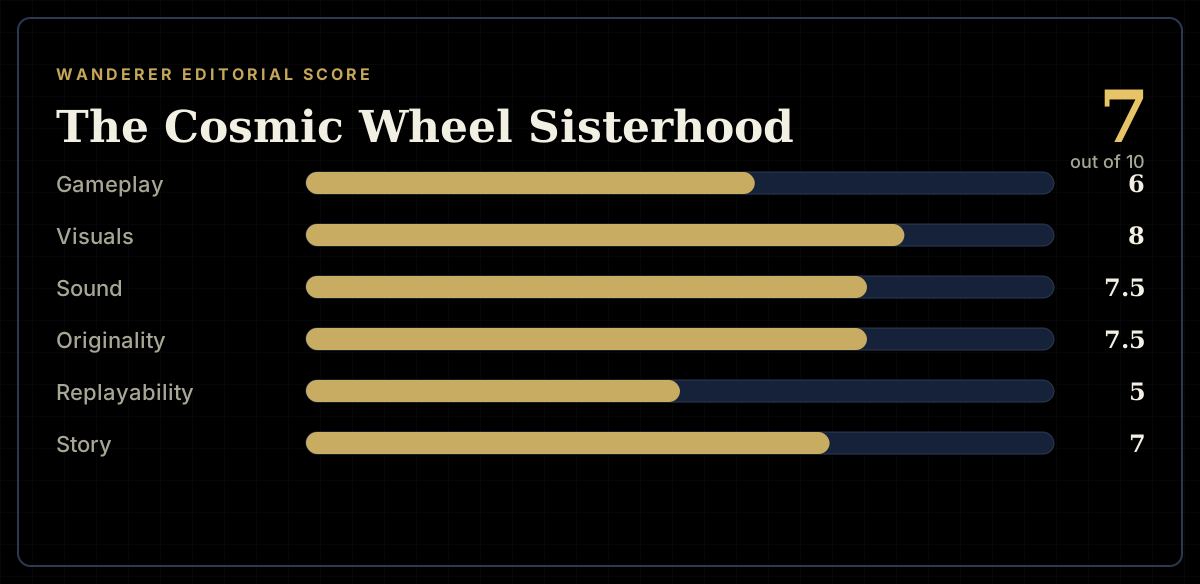
How the review scores each part of the gameWanderer Editorial -
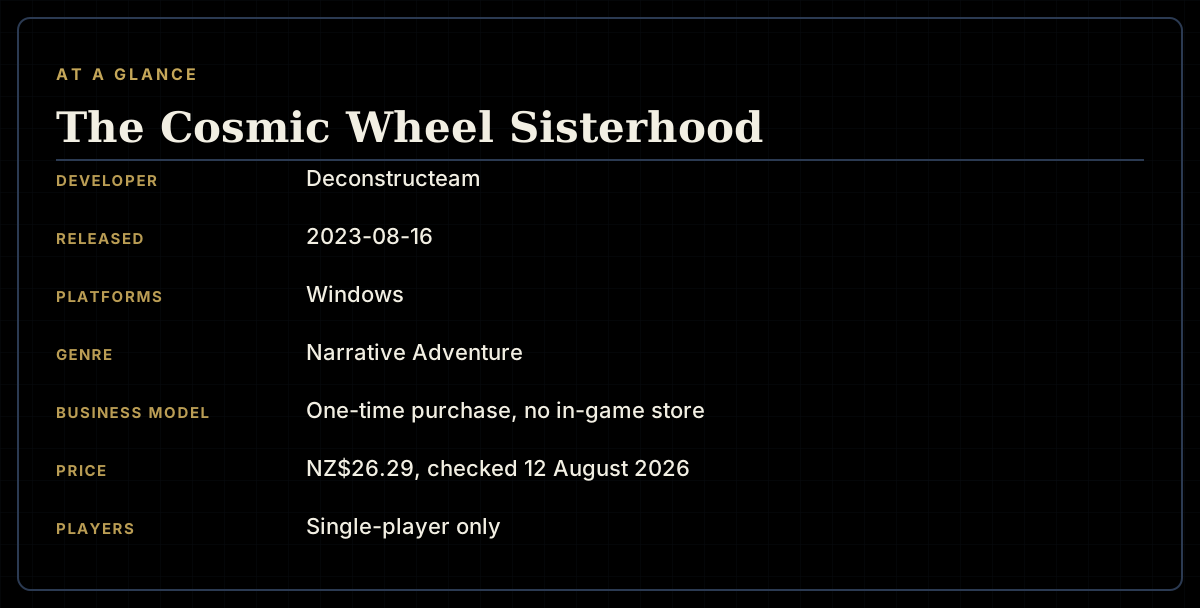
The essentials at a glanceWanderer Editorial -
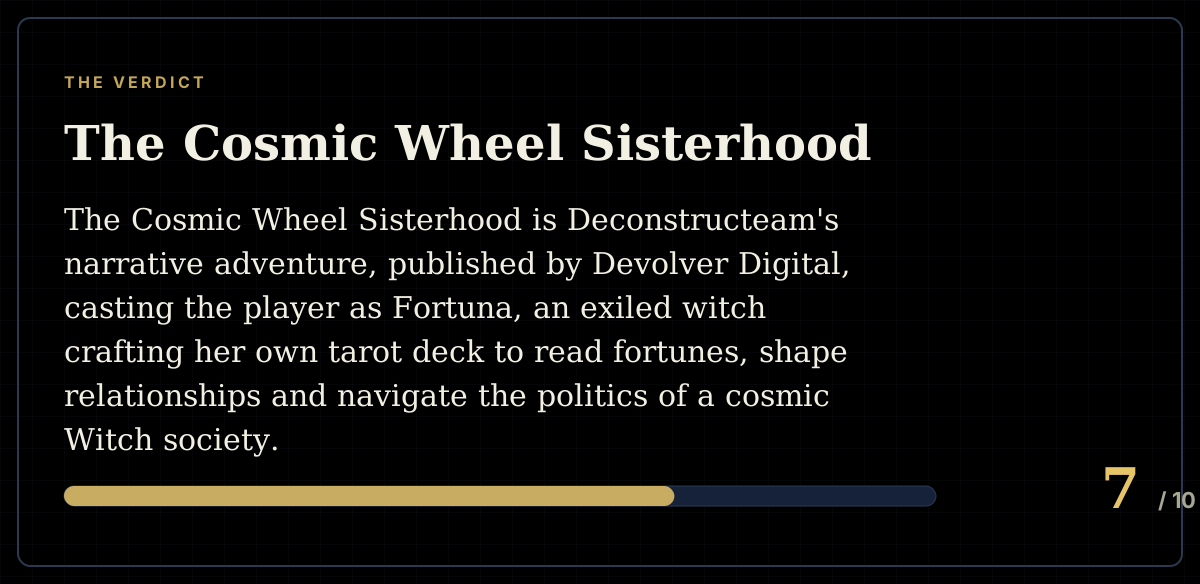
The short versionWanderer Editorial