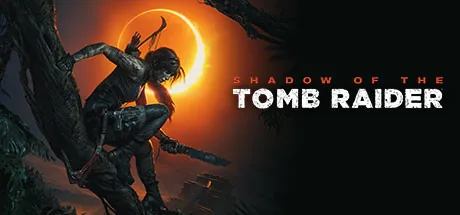
Game review
Shadow of the Tomb Raider
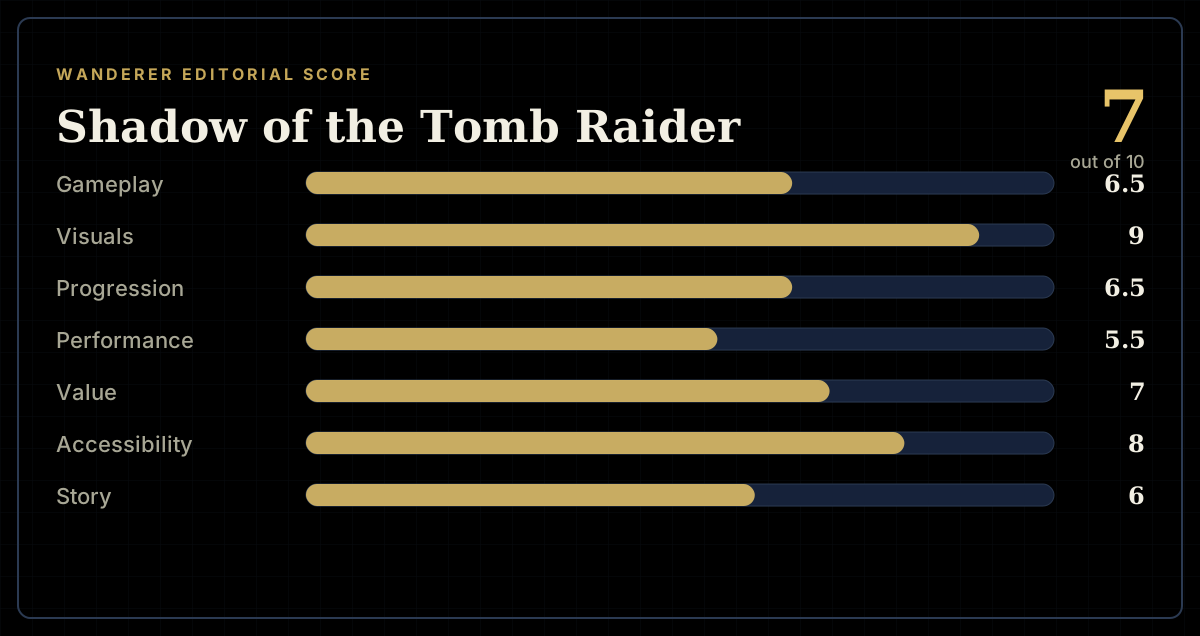
7 / 10
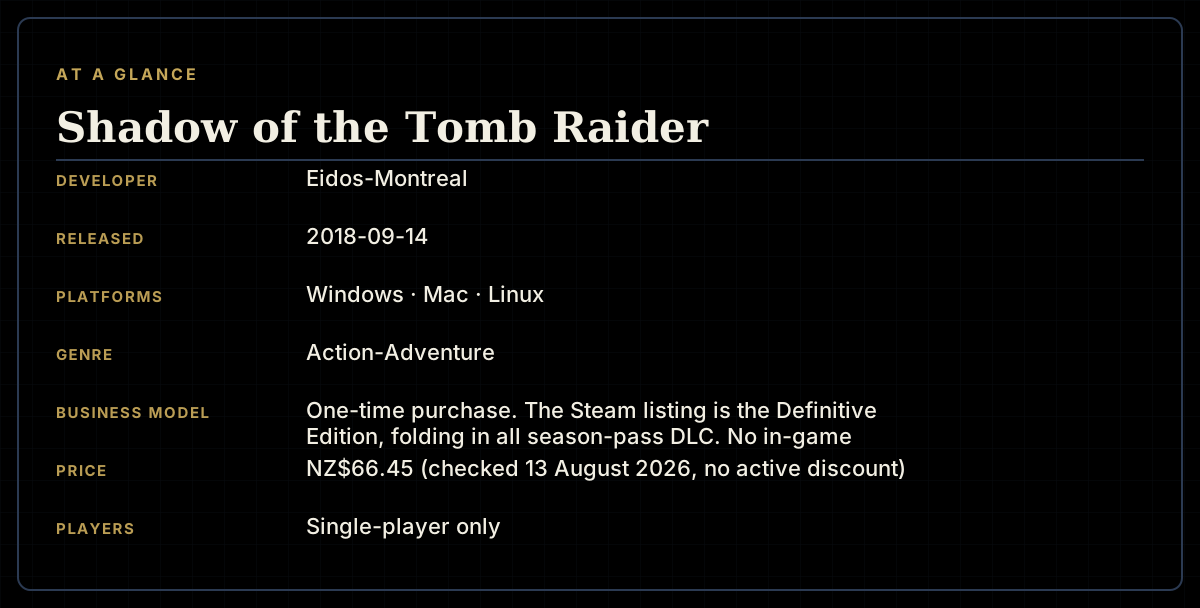
- Developer
- Eidos-Montreal
- Publisher
- Square Enix
- Released
- 14 September 2018
- Platforms
- Windows, Mac, Linux
- Genre
- Action-Adventure
- Monetisation
- One-time purchase. The Steam listing is the Definitive Edition, folding in all season-pass DLC. No in-game purchases.
- Players
- Single-player only
The short version
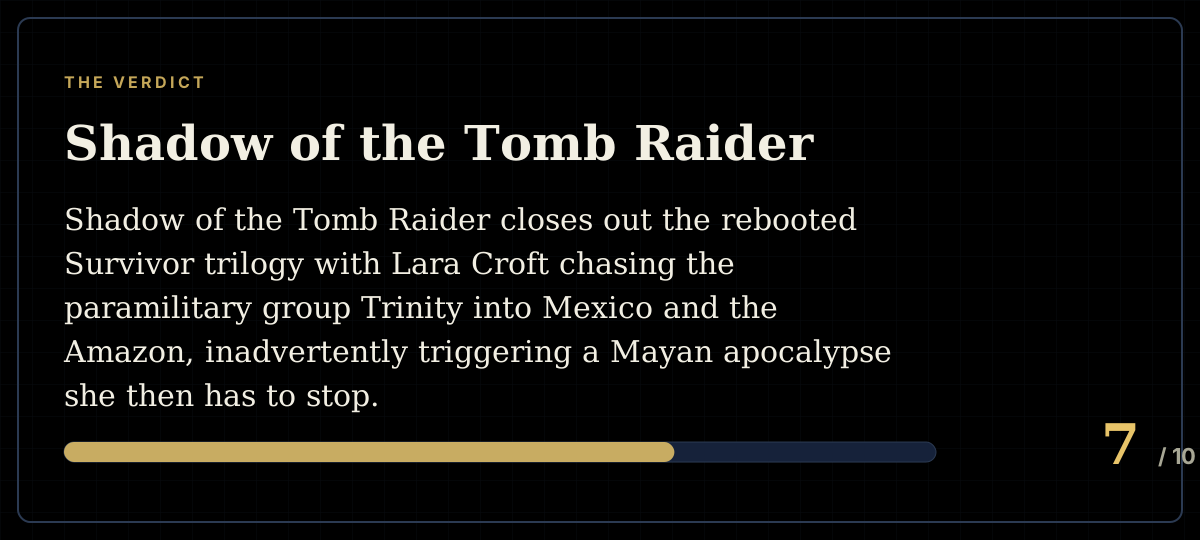
Shadow of the Tomb Raider closes out the rebooted Survivor trilogy with Lara Croft chasing the paramilitary group Trinity into Mexico and the Amazon, inadvertently triggering a Mayan apocalypse she then has to stop. Development passed from Crystal Dynamics, busy with Marvel's Avengers, to Eidos-Montreal, and the result deliberately dials back combat in favour of stealth, more sophisticated puzzles and denser traversal -- generally favourably reviewed at launch (Metacritic in the mid-70s to low-80s across platforms) but consistently rated the least acclaimed of the three reboot games, and first-week sales came in around 70% below 2013's Tomb Raider.
Reading a large, recent sample of English-language Steam reviews shows that gap has held rather than closed. "Worst of the trilogy" is the single most repeated verdict in the current negative sample, usually pointed at the story and at combat encounters that feel thinner than Rise of the Tomb Raider's. Running alongside it is a second, more concrete complaint: specific progression-blocking bugs -- the Kuwaq Yaku temple puzzle above all -- that reviewers report hitting as recently as this month, eight years after release.
Biggest strengths
- Genuinely striking Mesoamerican-inspired environments and level design, praised even by reviewers who dislike almost everything else about the game
- Three separate difficulty sliders for combat, exploration and puzzles -- a still relatively uncommon accessibility feature that reviewers consistently single out as well done
- More sophisticated, denser puzzle and tomb design than either earlier reboot game, widely credited as the series' best in this specific area
Biggest weaknesses
- Widely rated the weakest entry in the reboot trilogy by both critics at launch and Steam reviewers since, with the story specifically singled out as less coherent than Rise's
- A significant reduction in combat encounters compared to Rise of the Tomb Raider, which a large share of returning players say leaves the game feeling thinner in its core action loop
- A specific, well-documented progression-blocking bug in the Kuwaq Yaku temple puzzle that reviewers report hitting as recently as this month, eight years after launch
Who it's for: Fans of the rebooted trilogy who want to see Lara's arc through to its ending, and players who prioritise atmosphere, puzzle design and traversal over constant combat. Less good for players who came to the series for Rise of the Tomb Raider's larger firefights, or anyone who wants a bug-free experience straight out of the box.
Our recommendation: Worth playing for the environments, puzzle design and the accessibility-forward difficulty options, best picked up on sale given the Definitive Edition's list price and the real chance of running into an unpatched progression bug. Keep a walkthrough bookmarked for the Kuwaq Yaku temple specifically, and go in expecting a quieter, more stealth-and-puzzle-led game than its two predecessors.
7 / 10
Shadow of the Tomb Raider closes out the rebooted Survivor trilogy that began with 2013's Tomb Raider and continued through 2015's Rise of the Tomb Raider — a trilogy about Lara Croft's transformation from a shipwrecked archaeology graduate into the hardened tomb raider of the original games. Here she chases the paramilitary organisation Trinity into Mexico, accidentally sets off a chain of events that triggers a Mayan apocalypse, and has to race into the Amazon and the hidden city of Paititi to stop what she started. It's a fitting emotional bookend to the arc — Lara finally has to reckon with the cost of her own recklessness — and it's also, by most measures available eight years on, the least-loved of the three games that told that story.
A trilogy closer without its trilogy's studio
The most consequential fact about Shadow of the Tomb Raider's development barely shows up in the marketing: Crystal Dynamics, which led the first two reboot games, handed lead development to Eidos-Montreal partway through so it could focus on Marvel's Avengers. Eidos-Montreal wasn't a stranger to the franchise — it had co-produced on both earlier games — but the change is exactly the kind of thing that shows up in hindsight discussion far more than it did in day-one previews, and it's a real, documented factor rather than idle fan speculation. Whether or not it's the actual cause, it lines up with what players report experiencing: a game that looks and plays like it belongs to the same series, built by people who clearly understood the tools, but that makes different choices about pacing and combat frequency than the studio that made the first two.
Stealth and puzzles over gunfights
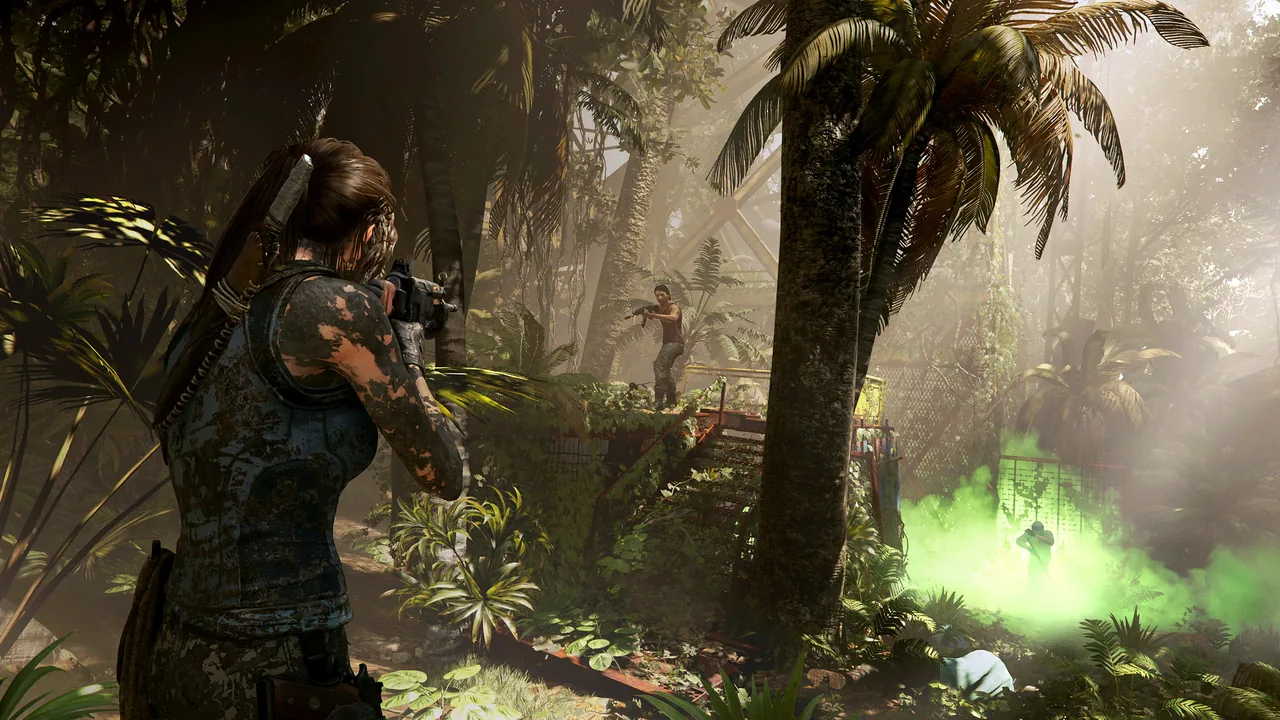
The design choice that generates by far the most discussion, in both 2018 critic reviews and the current Steam sample, is a deliberate pivot away from Rise of the Tomb Raider's larger, more frequent firefights and toward stealth, traversal and denser, more sophisticated puzzle design. Reviewers are split roughly along the lines you'd expect: some genuinely prefer it, praising the puzzle and tomb design as the best in the trilogy and the jungle and underground environments as a clear step up visually. Others, and this is the more common complaint in the current sample, miss the combat outright — "Trinity felt very incompetent," reads one recent review, and several others describe encounters as rare enough that the game's shooting mechanics barely get used across a full playthrough. It's not that the combat that remains is badly built; multiple reviewers who dislike the balance still describe individual encounters as competent. It's that there's markedly less of it, in a series whose second entry had leaned the other way, and that mismatch in expectations is doing a lot of the work behind "worst of the trilogy" being the single most repeated verdict in the negative sample.
The story problem, agreed on by critics and players alike
Unusually for a series entry this far along, the story is one of the few things 2018 critics and 2026 Steam reviewers agree on rather than split over. Contemporary reviews described the plot as occasionally incoherent, with Lara's characterisation sitting awkwardly against the amount of violence the game still asks her to commit even in a game framed around her learning restraint. The current review sample echoes this closely — "the story felt sorta rushed at the end," "boring story," "two dimensional and predictable" are all phrases that recur across otherwise very different reviews, including several from players who otherwise rate the game highly for its environments and puzzles. It's a rare point of real consensus in a review sample that disagrees about almost everything else, and it suggests the story genuinely is the weakest link across the whole game rather than a matter of taste.
A bug that outlived several rounds of patches
The most concrete, specific complaint in the current sample isn't a design opinion at all — it's a bug. A meaningful number of recent reviews report getting stuck on the Kuwaq Yaku temple puzzle specifically, unable to progress due to pieces or wheels that don't register input correctly, with several noting the issue has been known for years without a working fix, including on Linux via Proton where the usual save-migration workaround doesn't apply cleanly. Alongside it sits a cluster of complaints tied to modern hardware that wouldn't have existed at launch: physics, audio and even frame-pacing bugs reported specifically by players running high-refresh-rate monitors, the kind of engine-era problem that surfaces only once hardware moves well past what a 2018 game was built and tested against. Individually these are the sort of thing any eight-year-old game accumulates. Together, and specifically because one of them blocks story progress outright in a puzzle sequence, they're a real practical risk for anyone picking the game up today rather than a historical footnote.
Climbing that doesn't always cooperate
Sitting alongside the story and the combat-balance debate is a narrower but still frequently raised complaint about traversal itself — the climbing, swinging and rope-based rappelling that the whole reboot trilogy is built around. Several reviewers in the current sample describe specific frustration with wall-grabbing and rope connections failing to register, sending Lara falling or jumping in the wrong direction at exactly the moments — timed chase sequences, the Trial of the Spider climbing puzzle — where precision matters most. This isn't universal; plenty of reviewers report no such trouble and praise the traversal as fluid, which suggests either a platform-specific input issue for some players or simply that these sequences are tuned tightly enough that minor input lag reads as broken rather than merely difficult. Either way, it's a specific, recurring enough complaint that it's worth flagging alongside the Kuwaq Yaku bug as a second, smaller category of technical friction distinct from the combat-balance debate that dominates the rest of the negative sample. The game's hardest permadeath-adjacent mode, Deadly Obsession, compounds this: because it restricts saves to camps only, a badly timed traversal failure there can cost significantly more progress than the same failure would on a normal difficulty, and several reviewers specifically call out its checkpoint placement around puzzle and chase sequences as unreasonably punishing rather than tensely challenging.
What still clearly works
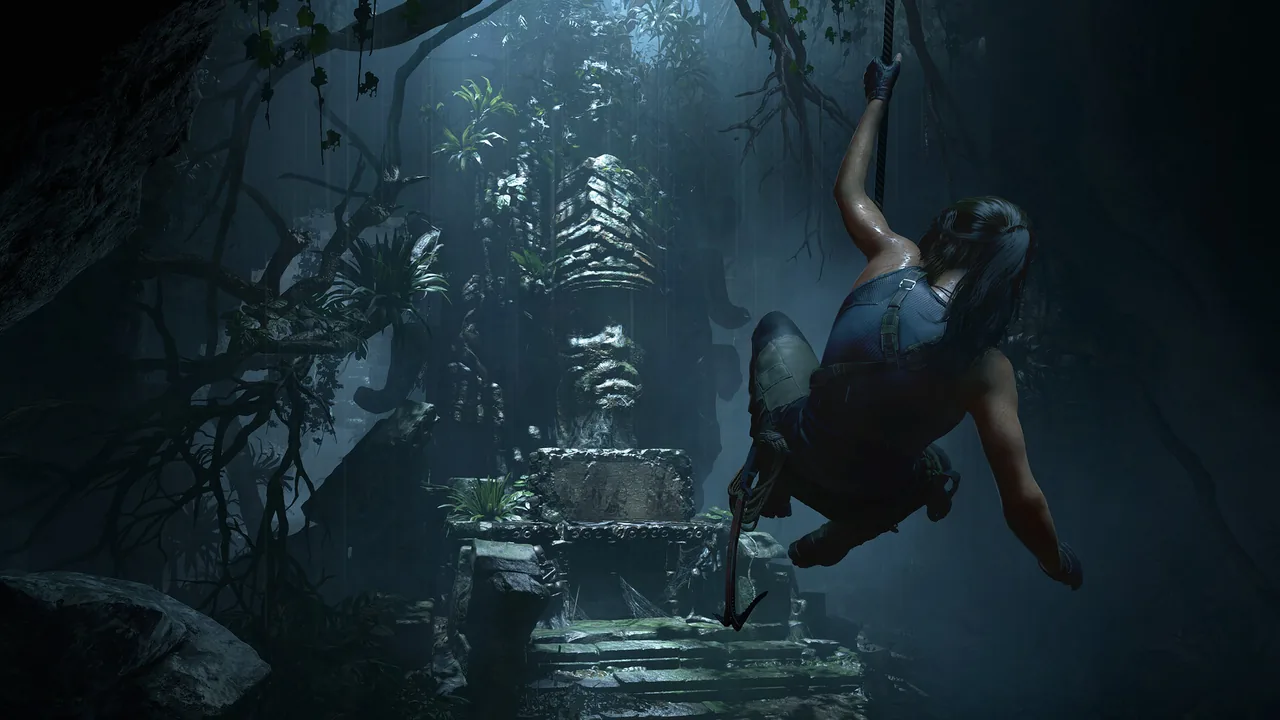
It would be a mistake to let the bugs and the combat debate crowd out what the current review sample agrees the game does well. The Mesoamerican-inspired environments — Mexican cenotes, Peruvian mountainsides, the hidden city of Paititi — draw consistent praise even from reviewers who are otherwise unimpressed, and the puzzle and optional-tomb design is widely credited as the best of the three reboot games specifically because Eidos-Montreal leaned into complexity rather than away from it. The game's three separate difficulty sliders — combat, exploration and puzzles, each adjustable independently — are a genuinely well-designed accessibility feature that let a player who wants a story-forward, low-combat-difficulty experience get exactly that without also being handed trivial puzzles, and it's a design idea that still isn't common eight years later.
Where this leaves the trilogy
Taken as the close of a three-game arc rather than a standalone release, Shadow of the Tomb Raider reads a little differently than the review sample's raw complaints suggest on their own. Tomb Raider (2013) was about survival and becoming capable of violence; Rise of the Tomb Raider (2015) was about proving that capability against a bigger, more overtly militarised threat; Shadow is explicitly about the cost of what the first two games trained Lara — and the player — to do without much hesitation. That's a genuinely interesting note to end a trilogy on, and it's part of why some of the current sample's harshest reviews still concede the ending "works" even while calling the journey to it dull. The problem is less that Eidos-Montreal picked the wrong theme and more that executing "a game about pulling back from violence" inside a franchise whose mechanical identity is still built around traversal-and-combat set pieces creates exactly the tension critics flagged at launch — the game keeps asking players to do the violent things it's simultaneously trying to say Lara should stop doing. Reviewers who found that tension thoughtful tend to be the ones rating the game highest in the current sample; reviewers who found it simply meant "less of the good stuff" tend to be the ones calling it the trilogy's weakest link.
A quiet commercial ending
Shadow of the Tomb Raider's first-week sales came in around 70% below 2013's Tomb Raider, a steep enough drop that it's part of why no further mainline entry followed directly — the franchise's next moves were a mobile spin-off and years of silence before eventual talk of a new game under different creative leadership. It did recover over time, passing 8.9 million units sold by the end of 2021, helped by the Definitive Edition and repeated deep discounts, and the current 84.6% positive Steam rating across nearly 88,000 reviews suggests a game that found its audience eventually even if it didn't repeat the reboot trilogy's opening momentum. That slower, quieter commercial arc is a reasonably fair mirror of the game's critical one: never quite matching its predecessors' impact, but landing well enough with the people who did play it to close the trilogy out on solid, if unspectacular, footing.
A last note on price and timing
At full NZ$66.45, Shadow of the Tomb Raider: Definitive Edition is priced like the AAA release it was in 2018-19, and buying it there is a harder sell than buying most eight-year-old third-person action-adventures at that price point, given the specific and still-live bug risk documented above. It's also, reliably, a game that goes on deep discount during Square Enix's regular Steam sales, and at a meaningfully lower price the calculation changes: the environments, puzzle design and accessibility options are worth the time even with an unpatched bug or two, in a way that's harder to justify at full price against newer, better-supported action-adventures competing for the same slot in a wishlist.
Verdict
7 out of 10. Shadow of the Tomb Raider is a competently made, visually striking close to a trilogy that peaked earlier, hobbled by a story its own fans agree is the weakest of the three and by a small number of specific, well-documented bugs that a game this old shouldn't still be shipping unpatched. Its puzzle design and its accessibility options are genuinely among the best in the series, and the environments hold up regardless of where you land on the combat debate. Go in for the atmosphere and the puzzles rather than expecting Rise of the Tomb Raider's action, keep a guide handy for Kuwaq Yaku specifically, and it's a reasonable, if imperfect, way to see Lara's arc through to the end.
Pros and cons
Pros
- Genuinely striking Mesoamerican-inspired environments and level design, praised even by reviewers who dislike almost everything else about the game
- Three separate difficulty sliders for combat, exploration and puzzles -- a still relatively uncommon accessibility feature that reviewers consistently single out as well done
- More sophisticated, denser puzzle and tomb design than either earlier reboot game, widely credited as the series' best in this specific area
- The Definitive Edition bundles all seven DLC packs -- extra outfits, weapons, skills and side missions -- into the base purchase at no extra cost
Cons
- Widely rated the weakest entry in the reboot trilogy by both critics at launch and Steam reviewers since, with the story specifically singled out as less coherent than Rise's
- A significant reduction in combat encounters compared to Rise of the Tomb Raider, which a large share of returning players say leaves the game feeling thinner in its core action loop
- A specific, well-documented progression-blocking bug in the Kuwaq Yaku temple puzzle that reviewers report hitting as recently as this month, eight years after launch
- A cluster of technical complaints tied to modern hardware, including physics and audio bugs reported specifically on high-refresh-rate displays, on an engine that shows its age
Screenshots
-
Shadow of the Tomb Raider: Definitive EditionImage: Crystal Dynamics via Steam -
Shadow of the Tomb Raider: Definitive EditionImage: Crystal Dynamics via Steam -
Shadow of the Tomb Raider: Definitive EditionImage: Crystal Dynamics via Steam -
How the review scores each part of the gameWanderer Editorial -
The essentialsWanderer Editorial -
The short versionWanderer Editorial