Game review
Left 4 Dead 2
8 / 10
- Developer
- Valve
- Publisher
- Valve
- Released
- 16 November 2009
- Platforms
- Windows, Linux
- Genre
- Co-op Survival Horror
- Monetisation
- One-time purchase, NZ$14.75. No microtransactions, no DLC.
- Players
- Online and local co-op for up to 4 players, plus competitive Versus mode
The short version
Left 4 Dead 2 is Overwhelmingly Positive at 97.5% across 317,346 reviews, and its reviewers praise it in a specific, recurring way: no loot boxes, no unlockables, no progress bar, just refined co-op zombie combat that's held up for 17 years without needing any of the systems modern games lean on. "This game has no unlockable items, no upgrades, no skins. Yet it has a higher replay value than Back 4 Blood," reads a representative comparison to a much newer, heavily systemized successor.
The complaint that has followed this game with remarkable consistency, appearing in nearly every year of its Steam review history from 2014 through 2026, concerns the Versus mode community specifically: reviewers describe excessive, often unjustified votekicking of newer or lower-skill players, sometimes escalating into harassment. A more recent, distinct concern involves unofficial modded servers, with a small number of 2024-2026 reviewers reporting these servers exposing players' approximate location via IP, alongside high-ping and heavily modified matches masquerading as vanilla play.
Biggest strengths
- Tight, endlessly replayable co-op zombie combat that reviewers consistently rank among the best in the genre, still holding up 17 years after release
- No microtransactions, loot boxes or unlockable progression systems — reviewers specifically credit this restraint as part of why the game has aged so well
- An enormous Steam Workshop library of community campaigns, mods and mutations extending the game's content far beyond the official release
Biggest weaknesses
- A remarkably persistent complaint spanning nearly every year from 2014 through 2026: the public Versus mode community is widely described as prone to excessive, often unjustified votekicking of newer or lower-skill players
- A smaller but more recent and specific concern: unofficial modded servers reported in 2024-2026 reviews exposing players' approximate location via IP address, alongside heavily altered gameplay presented as vanilla matches
- The Linux port is described by a recurring share of reviewers as technically inferior to the Windows version, with specific stability issues
Who it's for: Co-op zombie shooter fans who want one of the tightest, most replayable multiplayer classics ever made, especially for private lobbies with friends. Newer or casual players interested in public Versus matches specifically should be aware of this game's long, well- documented reputation for a harsh community toward less experienced players.
Our recommendation: Buy it without hesitation for co-op play with friends — this is where the game is consistently at its best, and its lack of any monetization or grind makes it exceptional value 17 years on. If you're planning to jump into public Versus matches solo, go in aware of this game's long-standing reputation for aggressive votekicking, and stick to official rather than unofficial modded servers.
8 / 10
Seventeen years is a long time for a multiplayer game to stay this beloved without leaning on any of the systems that usually keep modern games sticky. Left 4 Dead 2's reviewers know exactly why it's worked this long, and they're remarkably consistent about the one thing that's kept it from being flawless the entire time.
Refined co-op combat, deliberately without the grind
The pitch hasn't changed since 2009: four survivors, a horde of infected, and carefully coordinated teamwork against escalating pressure. What reviewers specifically credit, again and again across 17 years, is what the game doesn't have. "No loot boxes, progress bar, or unlocks. Just straight up fun gameplay and reliable game mechanics," reads a representative 2017 review — a sentiment echoed nearly verbatim by reviewers years apart, several explicitly contrasting it favorably against newer, heavily systemized successors in the genre. That restraint is treated as a real design virtue rather than a dated limitation.
A community complaint that's lasted as long as the game
Here's the thread that recurs with genuinely unusual consistency — appearing in nearly every single year of this game's Steam review history, from 2014 through 2026, without meaningfully fading. Public Versus mode draws sustained, specific criticism for excessive votekicking of newer or lower-performing players. "Kick simulator 2009," reads one representative 2016 review, listing examples like missing a single charge attack or having under 100 hours as sufficient grounds to be removed from a match. A 2018 review states it more directly: "Too often has Valve demonstrated its utter lack of respect towards this playerbase." This isn't an occasional gripe — reviewers a decade apart describe nearly identical experiences, suggesting a genuinely entrenched community dynamic rather than a passing phase, and it's worth knowing before diving into public matches solo.
A newer, more specific concern
Separate from community toxicity, a small number of 2024-2026 reviews raise a more technical and more serious concern: unofficial modded servers that reportedly expose a joining player's approximate location — state or province and city — via IP address, alongside heavily altered gameplay presented without clear labeling as a vanilla match. This is a narrower complaint than the Versus community issue, reported by fewer reviewers, but worth flagging directly given its nature; sticking to official servers avoids it entirely.
Reading the completion data
With 101 tracked achievements, the completion curve reflects broad, sustained engagement. Early combat and support-role milestones sit between 51% and 69%, showing most buyers genuinely engage with the core cooperative mechanics. The rarest achievements, tied to Expert-difficulty campaign completions and full medal collections, fall under 1%, reflecting how much of this game's deepest challenge is reserved for a smaller, highly dedicated core.
8 out of 10. Left 4 Dead 2 remains a genuine classic, and its reviewers' insistence that its lack of modern monetization and progression systems is a feature rather than a flaw has aged remarkably well. It's held below the very top by a real, unusually persistent community problem specific to public Versus play — reviewers a decade apart describe the same votekicking pattern almost word for word — alongside a smaller, more recent concern about unofficial modded servers. Play it with friends in private lobbies, where this game has always been, and remains, at its best.
Pros and cons
Pros
- Tight, endlessly replayable co-op zombie combat that reviewers consistently rank among the best in the genre, still holding up 17 years after release
- No microtransactions, loot boxes or unlockable progression systems — reviewers specifically credit this restraint as part of why the game has aged so well
- An enormous Steam Workshop library of community campaigns, mods and mutations extending the game's content far beyond the official release
- Exceptional value at NZ$14.75 for a game with this much sustained replayability
Cons
- A remarkably persistent complaint spanning nearly every year from 2014 through 2026: the public Versus mode community is widely described as prone to excessive, often unjustified votekicking of newer or lower-skill players
- A smaller but more recent and specific concern: unofficial modded servers reported in 2024-2026 reviews exposing players' approximate location via IP address, alongside heavily altered gameplay presented as vanilla matches
- The Linux port is described by a recurring share of reviewers as technically inferior to the Windows version, with specific stability issues
- Progression is essentially nonexistent by design, which some newer players unfamiliar with the genre's older conventions find initially unintuitive
Screenshots
-
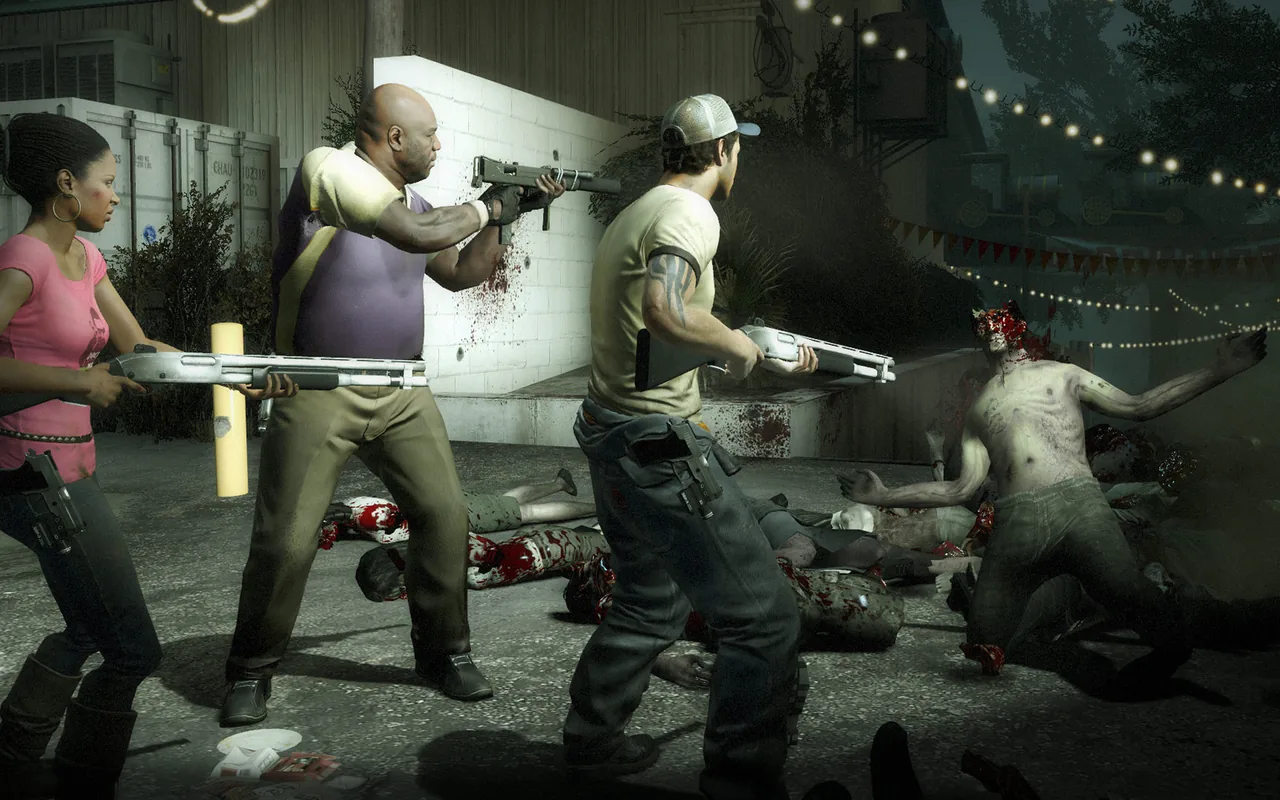
Left 4 Dead 2Image: Valve via Steam -

Left 4 Dead 2Image: Valve via Steam -

Left 4 Dead 2Image: Valve via Steam -
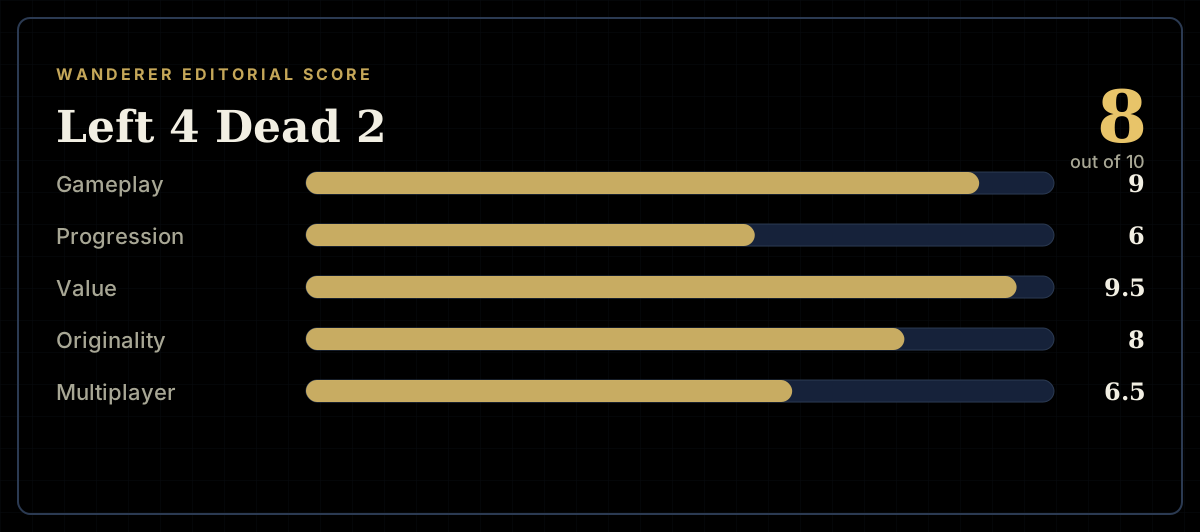
How the review scores each part of the gameWanderer Editorial -
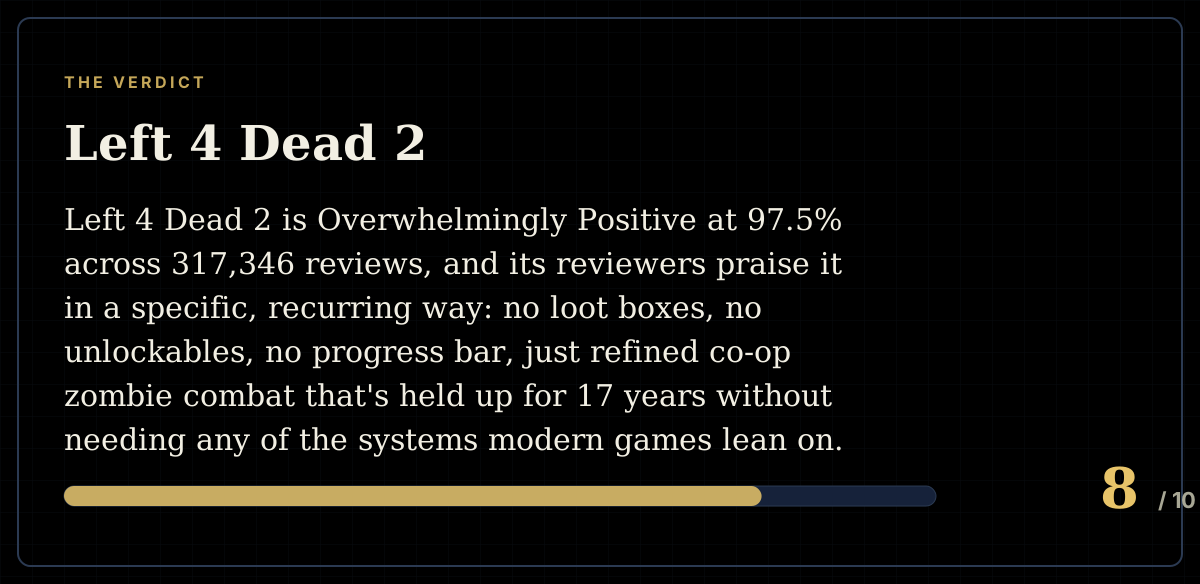
The short versionWanderer Editorial