Game review
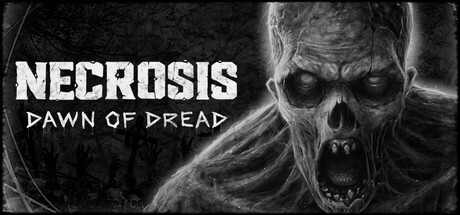
Necrosis: Dawn of Dread
6.5 / 10
- Developer
- Mike Schroder, Swole Software
- Publisher
- Mike Schroder
- Released
- 29 January 2026
- Platforms
- Windows
- Genre
- Action, Horror
- Monetisation
- One-time purchase
- Players
- Online co-op, up to 4 players, or solo with a dedicated character
The short version
Necrosis: Dawn of Dread is a first-person, up-to-four-player survival horror shooter built by a small team led by solo developer Mike Schroder, explicitly channelling Resident Evil Outbreak's scavenging, puzzle-solving, and zombie-dodging co-op formula. Its Very Positive Steam rating rests on two pillars the sample returns to again and again: genuinely enjoyable co-op tension across a large roster of missions and unlockable characters, and a developer reviewers repeatedly single out for shipping free updates and maps at a pace unusual even among responsive indies. Against that, a smaller but detailed and specific set of negative reviews describes disconnected-feeling combat, inventory and UI friction, bugs ranging from enemies clipping through walls to healing effects hitting the wrong player, and lighting so dark in places that some reviewers call the game unplayable without settings changes the game itself doesn't offer.
Biggest strengths
- A large roster of unlockable playable characters, each with distinct perks and abilities, reviewers say gives real build variety and replayability across the game's mission roster
- Genuine co-op tension reviewers describe repeatedly, from randomised item and passcode placement to zombie grab attacks that catch even experienced players off guard well into dozens of hours
- A developer praised across the sample, including by several critical reviewers, for shipping free content and bug-fix updates at a pace reviewers call unusual for a solo or small-team indie
Biggest weaknesses
- Combat repeatedly described as disconnected and unreliable, with reported bugs including zombies landing hits through closed doors, weapons refusing to reload, and healing items affecting the wrong player in a session
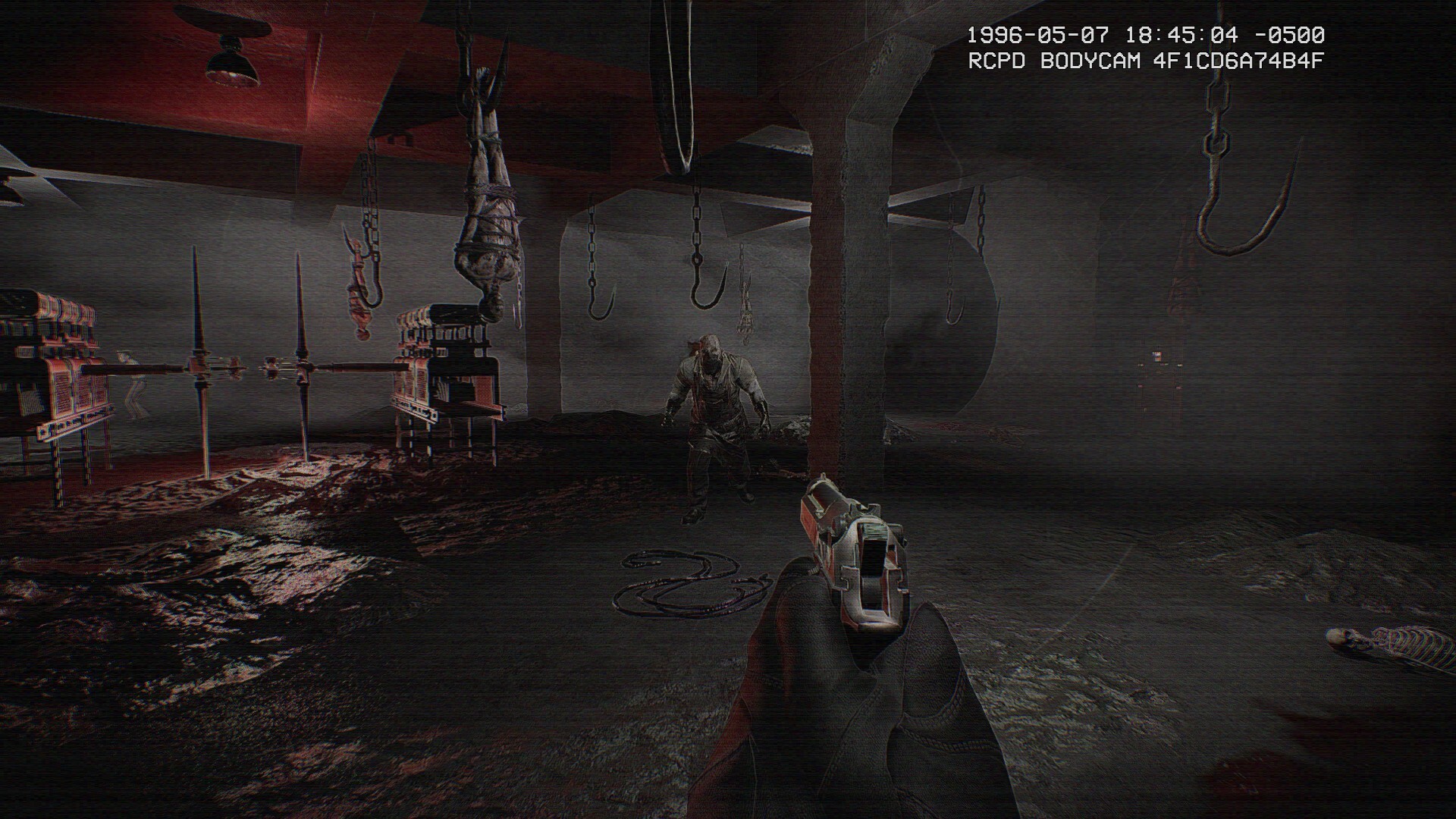
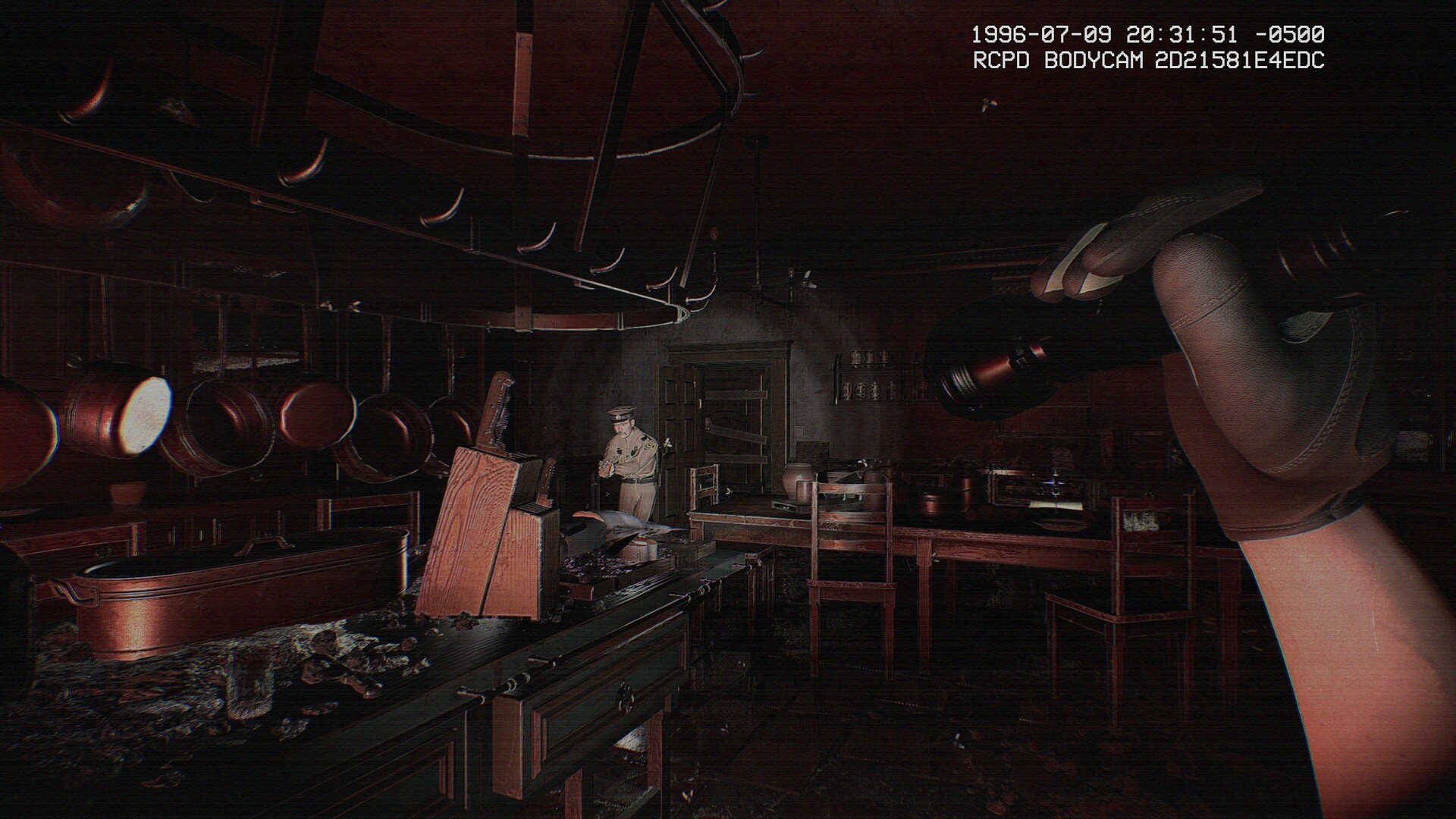
- Lighting reviewers call excessively dark even with a flashlight active, with no in-game gamma or brightness setting offered to compensate, leaving some reviewers unable to see enemies or exits
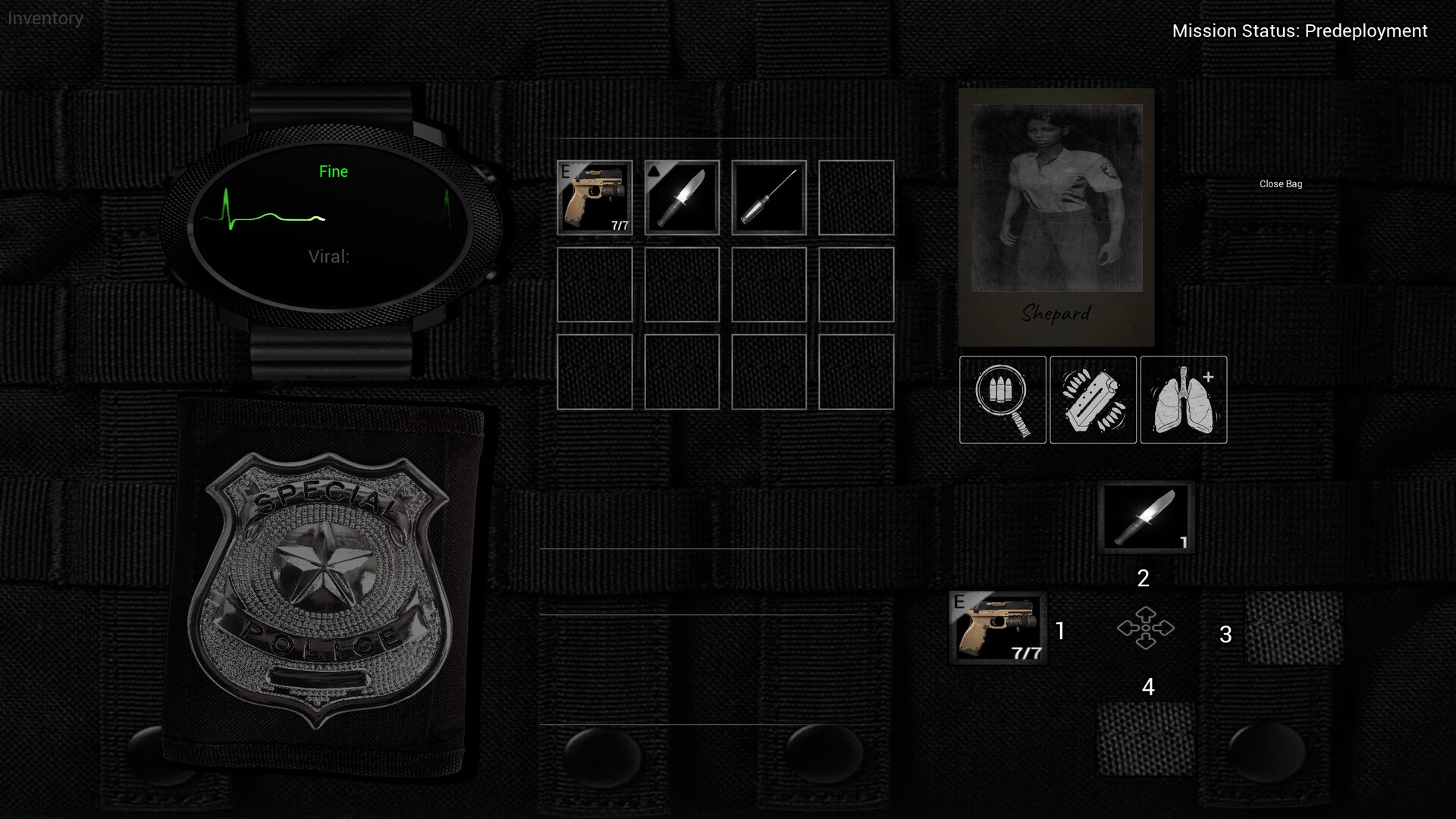
- An inventory and UI system multiple reviewers describe as confusing and unnecessarily cramped, made worse by character perks that consume inventory slots rather than existing separately
Who it's for: Survival horror fans nostalgic for Resident Evil Outbreak who have friends to play with and can tolerate real jank from a small, actively-updating team, rather than players expecting a polished solo experience or the specific balance and clarity of a big-budget release.
Our recommendation: Strong value for co-op survival horror fans at its asking price, especially with a regular group of friends, but solo players and anyone sensitive to unpolished UI, inconsistent lighting, or combat jank should wait for further updates or try it with a refund window in mind.
6.5 / 10
Necrosis: Dawn of Dread puts up to four players, or one player controlling a dedicated solo-capable character, into a first-person survival horror shooter built openly in the image of Resident Evil Outbreak: scavenge for ammo and healing items, solve environmental puzzles for door codes, and manage a shrinking supply line while zombies and stranger threats close in around claustrophobic, mission-based maps. It's the debut release from a small team led by solo developer Mike Schroder, and its Very Positive Steam rating reflects a launch that reviewers consistently describe in similar terms: rough in places, but built around a co-op formula few other current games are chasing, at a price and update cadence that reviewers say more than earns their forgiveness.
The Resident Evil Outbreak formula, revived
The sample's dominant, recurring reference point is Resident Evil Outbreak, Capcom's own online co-op survival horror spin-off, and reviewers frame Necrosis as the spiritual successor Capcom hasn't made. That comparison shapes almost everything reviewers praise: randomised item and passcode placement that keeps repeat missions from feeling identical, a roster of a dozen or more playable characters each carrying distinct perks and abilities, and zombie grab attacks that reviewers across dozens of hours still describe catching them off guard. Several reviewers explicitly frame the game as filling a gap other survival horror co-op titles like Contagion or No More Room in Hell left open, and more than one says the closest thing to it in production values and spirit rather than budget.
A developer the sample keeps crediting by name
An unusually large share of the sample, including several detailed and otherwise critical reviews, singles out the developer directly for responsiveness and update pace. Reviewers describe bugs reported directly on Discord being addressed within days, new free maps and characters shipping on close to a weekly cadence, and a developer reviewers say is personally engaging with player feedback rather than delegating it. One lengthy, mixed-leaning review documents changing its assessment mid-write after discovering upcoming balance changes were already being tested, ultimately landing on a positive verdict specifically because of that visible momentum. It's a pattern that shows up often enough across the sample to be treated as a genuine, distinguishing factor in the game's reception rather than a one-off nicety.
Where the jank actually lives
The negative side of the sample is smaller in volume but notably specific and consistent in its complaints. Combat draws the most repeated criticism: inputs that reviewers describe as disconnected from on-screen results, enemies landing hits through closed doors, weapons intermittently failing to reload, and healing items occasionally affecting the wrong player in a multiplayer session. Lighting is a close second, with multiple reviewers reporting areas too dark to navigate safely even with a flashlight equipped, and no gamma or brightness option in the settings menu to compensate, a gap made more pointed by store-page screenshots reviewers say show noticeably brighter environments than what actually ships. A cluster of reviewers also report technical instability tied specifically to graphics settings above the lowest preset, including crashes that in one case took down unrelated background applications.
Small, specific design choices that add friction
Beyond bugs, several design decisions draw consistent, pointed criticism rather than broad dismissal. Character perks occupying inventory slots rather than existing as a separate system is flagged repeatedly as needlessly restrictive, particularly in two-player sessions where the game is more clearly tuned for four. The restriction limiting flashlight-and-weapon use simultaneously to a single character class strikes multiple reviewers as an arbitrary design choice rather than a deliberate one. Visual presentation draws mixed but frequently critical commentary, with reviewers describing mismatched asset quality, placeholder-feeling text signage in place of proper level dressing, and, in a handful of detailed reviews, direct comparisons to asset-flip shovelware, even from reviewers who otherwise recommend the game.
Content, price, and where it lands for solo players
Reviewers are close to unanimous that the game delivers strong value for its roughly fifteen-dollar asking price, citing fifteen to twenty-plus missions running from 40 minutes to well over an hour each, a large character roster with meaningful unlock progression, and free content updates arriving regularly enough that several reviewers describe the game as still growing well past launch. That value proposition weakens noticeably for solo players, however: multiple reviewers explicitly note the game is tuned for four-player squads, with perks, inventory space, and enemy density feeling considerably less forgiving when playing duo, and normal difficulty in particular draws complaints about inconsistent enemy health pools that some reviewers say make solo or two-player runs feel punishing rather than tense.
A first game the sample judges accordingly
Several of the sample's more measured reviews explicitly frame their scoring around the game's origins as a small or solo-developer first release rather than judging it against genre benchmarks set by studios with far larger budgets. Reviewers who describe themselves as longtime Resident Evil fans repeatedly note that they'd normally hold a fifteen-dollar indie title to a lighter standard than a full-price release, and several say that context, combined with the pace of ongoing updates, is exactly why bugs and rough edges that would sink a bigger release read as forgivable here. That framing cuts both ways for a review written to reflect the documented Steam record rather than the game's day-to-day patch state: reported issues like the wrong-player healing bug or through-door hits may already be improving, but a meaningful share of the current Very Positive score reflects trust in that trajectory as much as satisfaction with the game exactly as it launched on 29 January 2026.
Final Verdict
Necrosis: Dawn of Dread is a small-team debut that succeeds largely on the strength of an idea reviewers have clearly been waiting for someone to revisit, and on a developer whose visible, rapid responsiveness has bought real goodwill even from players frustrated by the game's rougher edges. The bugs, UI friction, and lighting complaints in the sample aren't minor nitpicks, and solo or duo players in particular should expect a noticeably harder sell than the game's four-player-focused design intends. But for survival horror fans with a group of friends and a taste for Resident Evil Outbreak's specific brand of scavenging tension, the sample's verdict is consistent: rough, but honest, cheap, and getting better one update at a time.
Pros and cons
Pros
- A large roster of unlockable playable characters, each with distinct perks and abilities, reviewers say gives real build variety and replayability across the game's mission roster
- Genuine co-op tension reviewers describe repeatedly, from randomised item and passcode placement to zombie grab attacks that catch even experienced players off guard well into dozens of hours
- A developer praised across the sample, including by several critical reviewers, for shipping free content and bug-fix updates at a pace reviewers call unusual for a solo or small-team indie
- Strong value cited consistently at the asking price, with reviewers logging 20, 50, even 70-plus hours and describing it as more entertainment per dollar than many higher-budget alternatives
- Painless multiplayer session setup and a rejoin system reviewers specifically praise for restoring a disconnected player to their exact prior state, items and progress intact
Cons
- Combat repeatedly described as disconnected and unreliable, with reported bugs including zombies landing hits through closed doors, weapons refusing to reload, and healing items affecting the wrong player in a session
- Lighting reviewers call excessively dark even with a flashlight active, with no in-game gamma or brightness setting offered to compensate, leaving some reviewers unable to see enemies or exits
- An inventory and UI system multiple reviewers describe as confusing and unnecessarily cramped, made worse by character perks that consume inventory slots rather than existing separately
- A specific, repeated design complaint: only one playable class can hold a flashlight and weapon simultaneously, a restriction several reviewers say feels arbitrary rather than intentional
- Visual presentation multiple reviewers call dated and inconsistent, describing mismatched asset quality, placeholder-looking text signage, and performance problems including crashes tied to raising graphics settings above their lowest option
Screenshots
-
Necrosis: Dawn of DreadImage: Mike Schroder via Steam -
Necrosis: Dawn of DreadImage: Mike Schroder via Steam -
Necrosis: Dawn of DreadImage: Mike Schroder via Steam