
Game review
5omeday
6 / 10
- Developer
- Indigo Ingots, Starlit Chronicles Studio
- Publisher
- Waku Waku Games
- Released
- 28 January 2026
- Platforms
- Windows
- Genre
- Adventure, Indie
- Monetisation
- One-time purchase
- Players
- Single-player only
The short version
5omeday puts players in the role of an unnamed guard assigned to watch over Mari, a dragon girl sentenced to execution within five days, with a literal button on screen that can end her life at any point. It's a small, deliberately narrow visual novel, and its Very Positive Steam rating reflects genuine appreciation for that focus: reviewers repeatedly praise Mari's voice acting, the weight the branching endings give to small choices, and the emotional gut-punch several of the darker endings deliver. Set against that, the sample is unusually consistent on a single, specific complaint: most players reach every one of the game's thirteen endings within thirty to sixty minutes, dialogue barely varies between playthroughs, and a meaningful share of even the game's positive reviews explicitly recommend waiting for a discount rather than paying full price for what amounts to a single sitting's worth of content.
Biggest strengths
- Mira's voice acting draws consistent, specific praise across the sample, with multiple reviewers calling it the single element that most elevates the game's emotional impact
- Thirteen branching endings that reward replaying the roughly five-minute core loop, with several reviewers singling out specific dark endings as genuinely upsetting or memorable in a way that outlasts the short runtime
- A clean, focused art style and character presentation reviewers repeatedly call cute and well-crafted, with CGs and expression work praised even by otherwise critical reviews
Biggest weaknesses
- The sample's dominant, near-universal complaint: most players report reaching all or nearly all thirteen endings within thirty minutes to an hour, well under what many reviewers feel the asking price justifies
- Dialogue that barely changes between playthroughs outside of each ending's final moments, meaning repeat runs largely mean re-reading the same conversations rather than discovering new content
- Minimal worldbuilding and characterisation, with several detailed reviews describing Mira's innocence as obvious almost immediately, undercutting the moral ambiguity the premise is built around
Who it's for: Visual novel fans drawn to short, choice-driven emotional experiences who value replaying branching endings over lengthy worldbuilding, rather than players expecting several hours of content or deep characterisation for the asking price.
Our recommendation: Worth playing for the premise and voice acting if you can find it discounted or don't mind a very short runtime, but the sample's own recommendation, echoed even by many positive reviews, is to wait for a sale rather than buy at full price.
6 / 10
5omeday casts players as a nameless prison guard assigned to watch over Mari, a dragon girl condemned to execution at the end of a five-day sentence, with one unavoidable piece of interface always on screen: a button that can end her life the instant it's pressed. Developed by Indigo Ingots and Starlit Chronicles Studio and published by Waku Waku Games, it's a deliberately narrow visual novel built around a single relationship and a single, constant temptation, branching into thirteen distinct endings depending on how players choose to spend their five days. Steam's Very Positive rating on launch reflects real affection for that premise and its execution, but the sample backing that score is unusually candid, for a mostly positive debut, about exactly where the experience falls short of what its asking price implies.
A premise the sample says genuinely lands
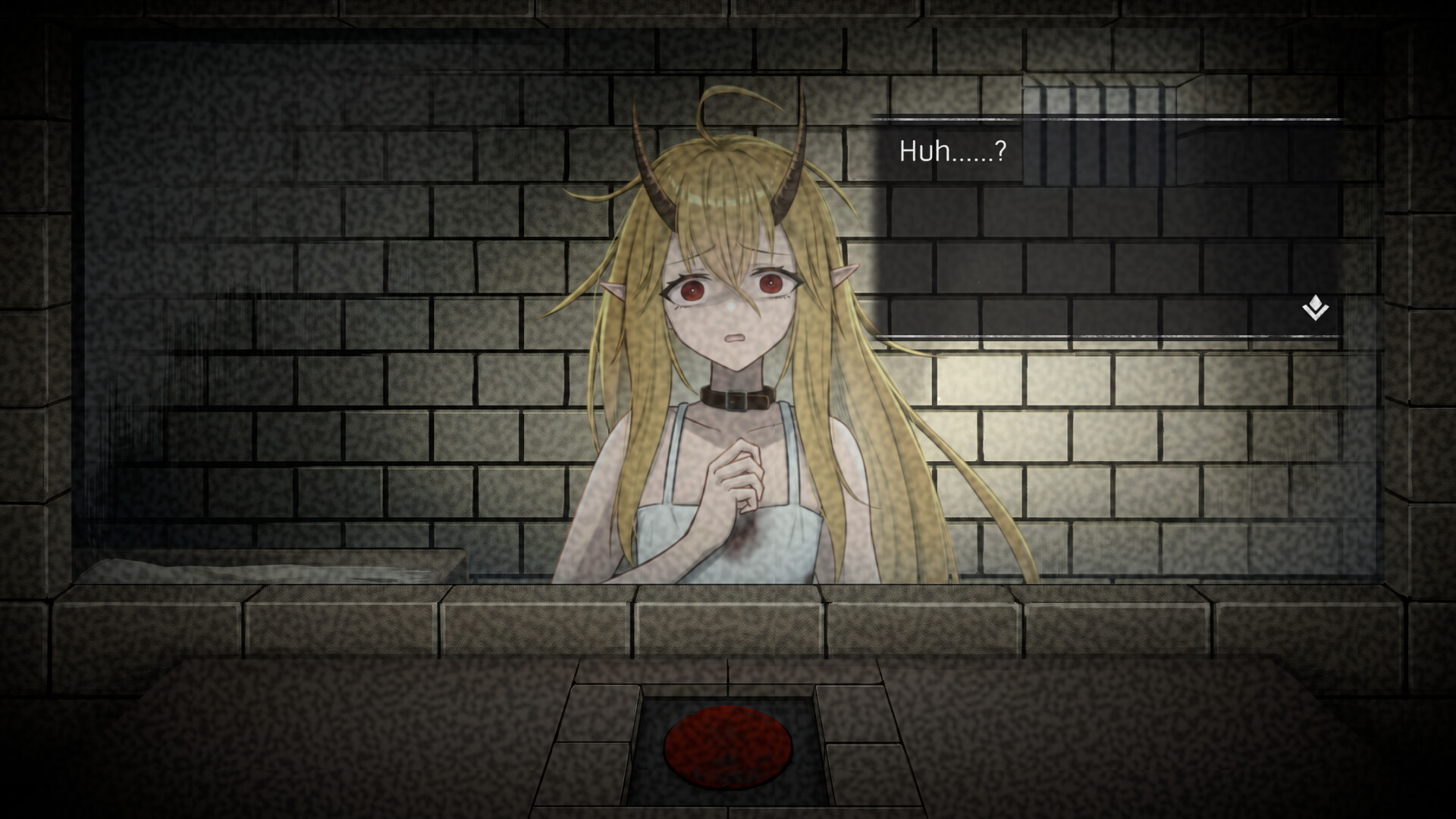
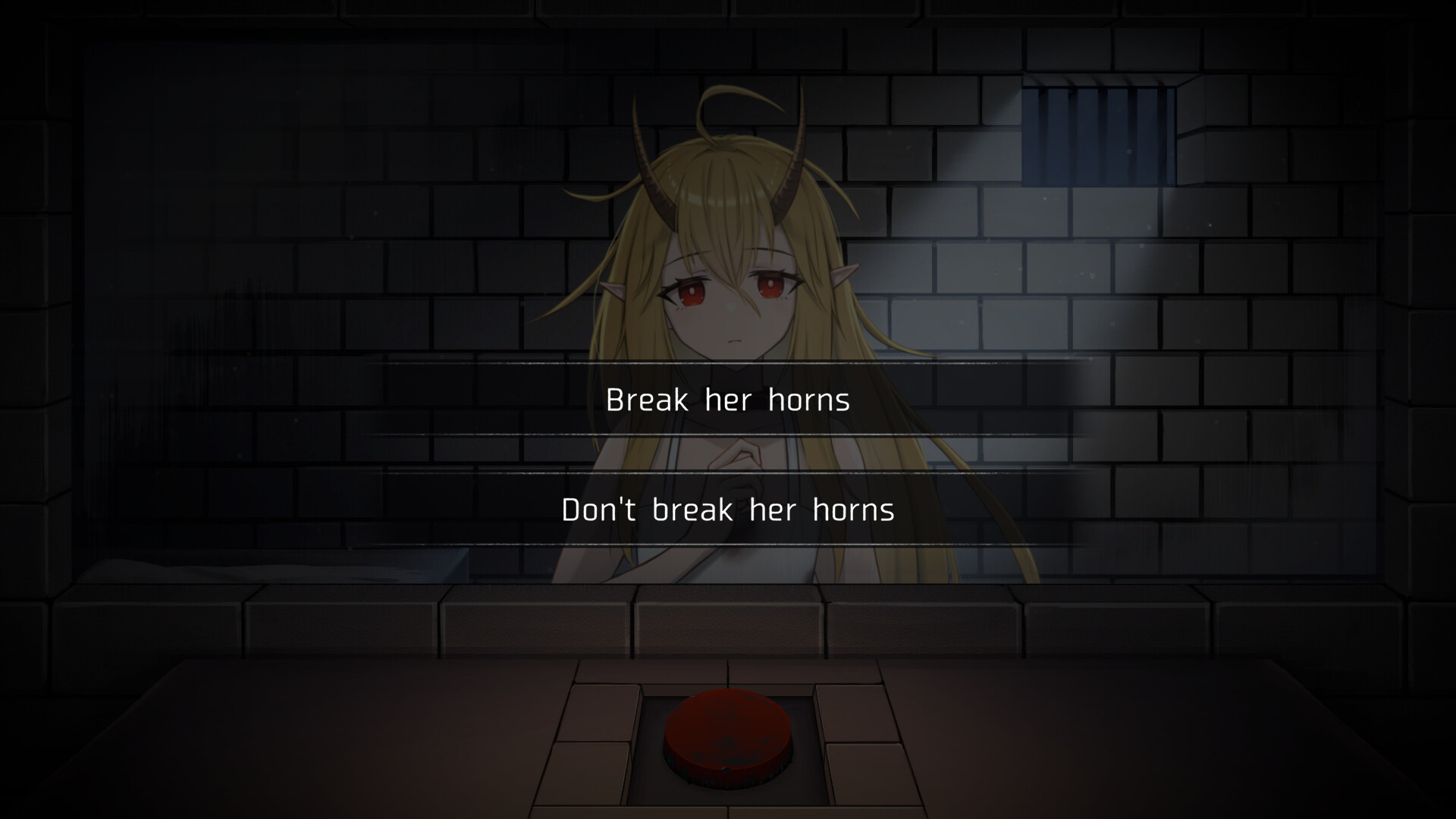
Where 5omeday succeeds, reviewers agree on why. Mari's voice acting draws specific, repeated praise as the game's strongest technical element, with several reviewers crediting it directly for making a story told mostly in brief exchanges feel immediate and personal rather than abstract. The always-visible execution button is repeatedly singled out as a smart piece of design, turning even mundane conversation into what one reviewer calls a constant moral standoff, and several of the game's darker endings draw specific praise for genuinely upsetting players in a way that outlasts the minutes it takes to reach them. The art direction and CG work receive consistent, if not effusive, praise, and more than one reviewer draws a direct comparison to Slay the Princess, framing 5omeday as a smaller, gentler take on a similar choice-driven confrontation.
The complaint that dominates the sample
Almost without exception, the sample's criticism centres on one issue: length. Reviewers repeatedly report reaching every one of the game's thirteen endings inside thirty minutes to an hour, and several note that dialogue barely changes between playthroughs outside each ending's final lines, meaning repeat runs largely mean re-reading familiar exchanges rather than discovering meaningfully new content. This isn't confined to the sample's negative reviews; a striking number of the positive reviews open with some version of "short but," and several explicitly recommend buying only on sale, treating the length-to-price ratio as the game's clear and specific weak point rather than a matter of taste.
Thin worldbuilding undercuts the moral premise
Beyond runtime, several of the sample's more detailed reviews raise a related structural concern: the game's central moral question, whether Mari deserves to live, is undercut by how quickly her innocence becomes apparent. Multiple reviewers describe working out the "correct" choice within the first minute or two of a first playthrough, which flattens what could have been a genuinely difficult dilemma into a binary of harmless mercy versus deliberate cruelty. Reviewers note there's little surrounding worldbuilding, political context, or explanation of why dragonkind is persecuted in the first place, leaving Mari's situation feeling more like a premise than a fully realised setting. A handful of reviewers frame this as a deliberate, successful choice of focus, arguing the narrow scope keeps the central relationship intense rather than diluted, but they're a minority against a sample that mostly wants more.
Small technical gaps add friction
A smaller cluster of complaints concerns interface and quality-of-life features reviewers expected but didn't find. There's no ability to save mid-playthrough or restart a run without closing and reopening the game entirely, which several reviewers say makes chasing all thirteen endings more tedious than it needs to be. A handful of reviewers report a bug preventing gallery images from displaying in fullscreen except for the first one, and multiple mention the lack of 4K resolution support as a small but noticeable oversight for a visually-driven game. None of these individually derail the experience, but they compound the sample's broader sense that the game shipped a touch underbaked around its genuinely strong central idea.
A more analytical reading, from the minority who sat with it longer
Not every reviewer treats the short runtime as a flaw. A handful of longer, more essay-like reviews in the sample, including one from a reviewer who logged well over ten hours across repeat playthroughs and analysis, frame the brevity as a deliberate strength rather than an oversight, describing 5omeday as building an unsettling amount of tension out of a single, brutally simple premise and using repetition itself as a narrative tool rather than a symptom of thin content. That reading treats the game less as a visual novel to be consumed once and more as a small psychological exercise meant to be revisited, and it's a useful counterweight to the sample's dominant complaint. It remains a minority position, though, and most reviewers, even ones who broadly liked what they played, land closer to the majority view that there simply isn't enough game here to fully develop that idea.
Is it worth the price?
Value is where the sample's reception converges most clearly, regardless of overall verdict. At roughly nine New Zealand dollars for a runtime most reviewers clear inside an hour, a large share of the sample, including many "recommended" reviews, explicitly suggests waiting for a discount rather than buying at launch price. A smaller number of reviewers push back, arguing the emotional impact and voice acting justify the cost even at full price for players specifically drawn to short, choice-driven visual novels. But the consensus leans clearly toward treating 5omeday as a good sale purchase rather than an easy full-price recommendation, a distinction the sample draws with unusual consistency for a Very Positive title.
Final Verdict
5omeday is a visual novel with a genuinely strong hook, a constantly visible execution button that turns small talk into moral pressure, and it largely delivers on that premise within the narrow space it gives itself. Mira's voice acting, the branching endings, and a handful of specifically upsetting outcomes are real, earned highlights that explain why the Steam sample skews so positive. But the sample is just as clear that the game's length, thin worldbuilding, and an asking price several reviewers feel doesn't match either, are real limitations rather than nitpicks. For visual novel fans specifically drawn to short, replayable, choice-driven stories, it's an easy recommendation on sale; for anyone hoping for a fuller, longer experience at full price, the sample's own reviewers suggest looking elsewhere or waiting.
Pros and cons
Pros
- Mira's voice acting draws consistent, specific praise across the sample, with multiple reviewers calling it the single element that most elevates the game's emotional impact
- Thirteen branching endings that reward replaying the roughly five-minute core loop, with several reviewers singling out specific dark endings as genuinely upsetting or memorable in a way that outlasts the short runtime
- A clean, focused art style and character presentation reviewers repeatedly call cute and well-crafted, with CGs and expression work praised even by otherwise critical reviews
- A distinctive, high-concept premise, an execution button that's always visible and always available, that reviewers say generates real tension out of proportion to the game's length
- A soundtrack multiple reviewers call a standout, reinforcing the tone of individual scenes despite the game's otherwise minimal presentation
Cons
- The sample's dominant, near-universal complaint: most players report reaching all or nearly all thirteen endings within thirty minutes to an hour, well under what many reviewers feel the asking price justifies
- Dialogue that barely changes between playthroughs outside of each ending's final moments, meaning repeat runs largely mean re-reading the same conversations rather than discovering new content
- Minimal worldbuilding and characterisation, with several detailed reviews describing Mira's innocence as obvious almost immediately, undercutting the moral ambiguity the premise is built around
- No ability to save mid-playthrough or restart without closing and reopening the game, alongside smaller technical complaints like a gallery fullscreen bug and no 4K resolution support
- Several reviewers explicitly say the game would work better as a longer experience or with an expansion, arguing the concept has more potential than the current runtime lets it explore
Screenshots
-
5omedayImage: Indigo Ingots via Steam -
5omedayImage: Indigo Ingots via Steam -

5omedayImage: Indigo Ingots via Steam