Game review
Annulus
3 / 10
- Developer
- NIRVANA
- Publisher
- NIRVANA
- Released
- 8 April 2026
- Platforms
- Windows
- Genre
- Adventure, RPG, Simulation, Strategy, Free to Play
- Monetisation
- Free-to-play with gacha microtransactions
- Players
- Online, live-service, server-dependent
The short version
Annulus casts players as the commander of a mercenary regiment in a dark-fantasy world, recruiting and merging duplicate units to unlock higher-tier classes in a turn-based tactics framework wrapped around free-to-play gacha systems. Developed and published by NIRVANA, it scrapes together a Mostly Positive Steam rating on 507 reviews, but the review sample itself tells a far more troubled story than that headline number suggests. Multiple, independent reviewers allege the positive score is inflated by bought or bot reviews, and the detailed, substantive reviews in the sample, as opposed to the many one-line "Recommended" entries, describe a game riddled with inconsistent multilingual localization, bugged class balance, and an aggressive pay-to-progress energy economy that gates advancement behind either months of grinding or real money. There's a genuinely interesting tactics game with distinctive dark-fantasy art buried somewhere in Annulus, but the sample makes clear it hasn't been allowed to surface yet.
Biggest strengths
- A distinctive dark-fantasy visual identity, orcs, wyvern riders, mages, and knights rather than the genre's more common hyper-stylised anime cast, that multiple reviewers call refreshing
- A merge-based class progression system, promoting low-tier duplicate units into higher, freely chosen class specialisations, that several reviewers compare favourably to older tactics RPGs like Disciples 2
- Turn-based combat with mechanical depth that a handful of detailed reviewers say has real promise if the systems around it were fixed
Biggest weaknesses
- Multiple independent reviewers directly allege the positive review score is inflated by bought or bot reviews, a serious and specific accusation raised repeatedly rather than a one-off complaint
- Localization is described as genuinely broken: English, Chinese, and Italian text mixed within single UI screens, missing icons and tooltips, and dialogue several reviewers say reads like unproofread machine translation
- Specific class-balance bugs are documented in detail, including a one-shot bugged weapon skill on one class and a healer archetype multiple reviewers call functionally useless
Who it's for: Gacha and turn-based tactics enthusiasts curious about a dark-fantasy alternative to the genre's usual anime aesthetic, who are prepared to tolerate serious localization and monetisation problems for a system they may still find engaging underneath.
Our recommendation: Approach with real caution; the free download costs nothing to try, but the sample suggests the actual experience is far rougher than the surface rating implies.
3 / 10
Annulus puts players in charge of a mercenary regiment in a dark-fantasy world under siege, recruiting orcs, mages, wyvern riders, and knights, then merging duplicate copies of low-tier units to promote them into higher, player-chosen class specialisations. It's a turn-based tactics game wrapped around free-to-play gacha systems, developed and published by NIRVANA. On the surface it holds a Mostly Positive rating across 507 Steam reviews, but the review sample underneath that number tells a considerably more troubled story, one the game's own reviewers seem eager to flag directly.
A rating the sample itself calls into question
Before getting to the game's actual systems, it's worth addressing something unusual: multiple independent reviewers in the sample explicitly allege the positive score is being propped up by bought or bot reviews. This isn't a single disgruntled post; it recurs across separate reviews posted on different days, with one reviewer warning other players to "be aware of fake reviews" and another stating plainly that the company is "suspect" for having what looks like a wave of low-effort five-star reviews shortly after launch. This review can't independently verify that allegation, but its repetition across unconnected reviewers, several of whom otherwise engage substantively and critically with the game's systems, is itself a notable data point worth surfacing rather than ignoring.
A genuinely interesting core idea
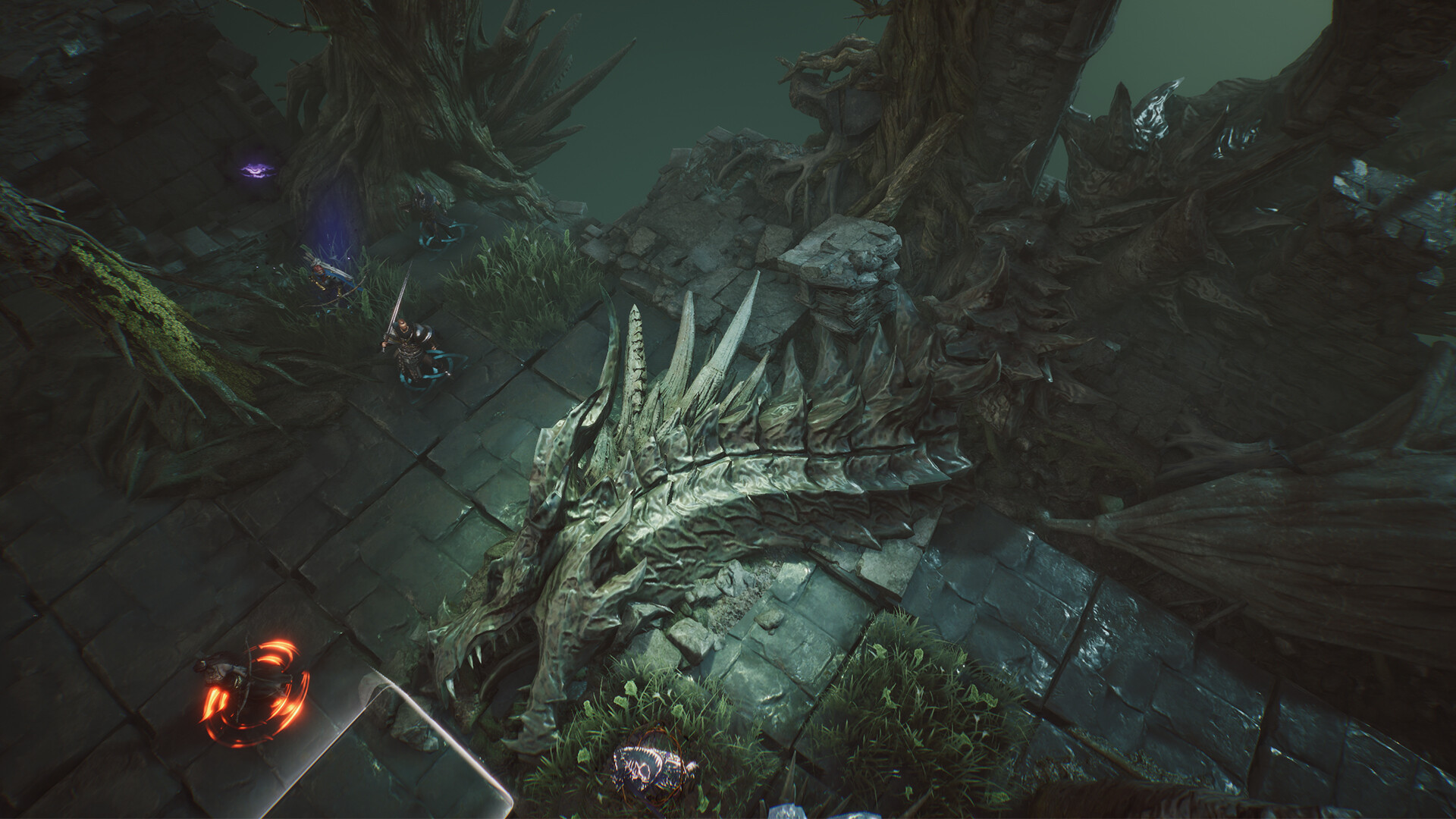
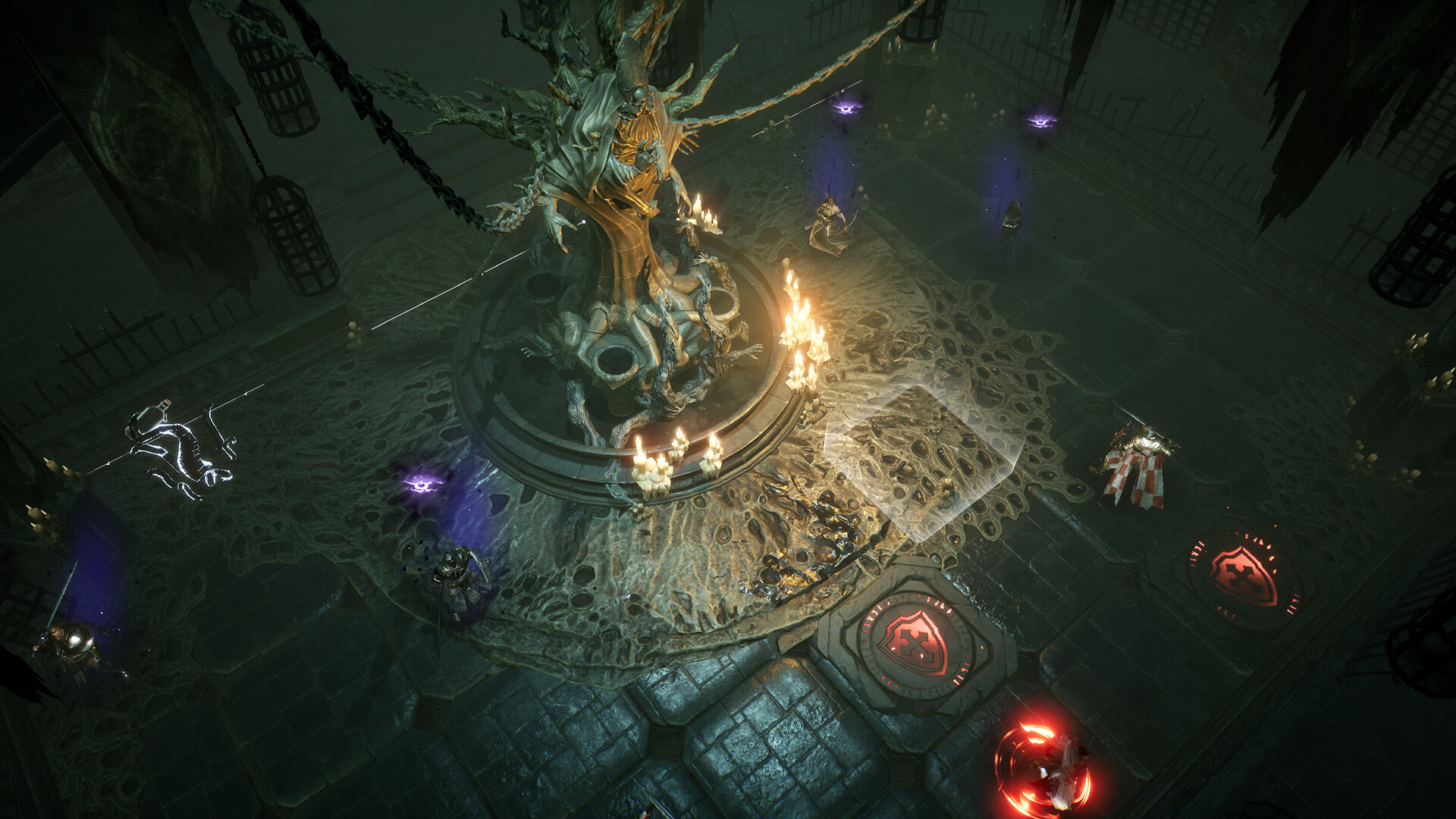
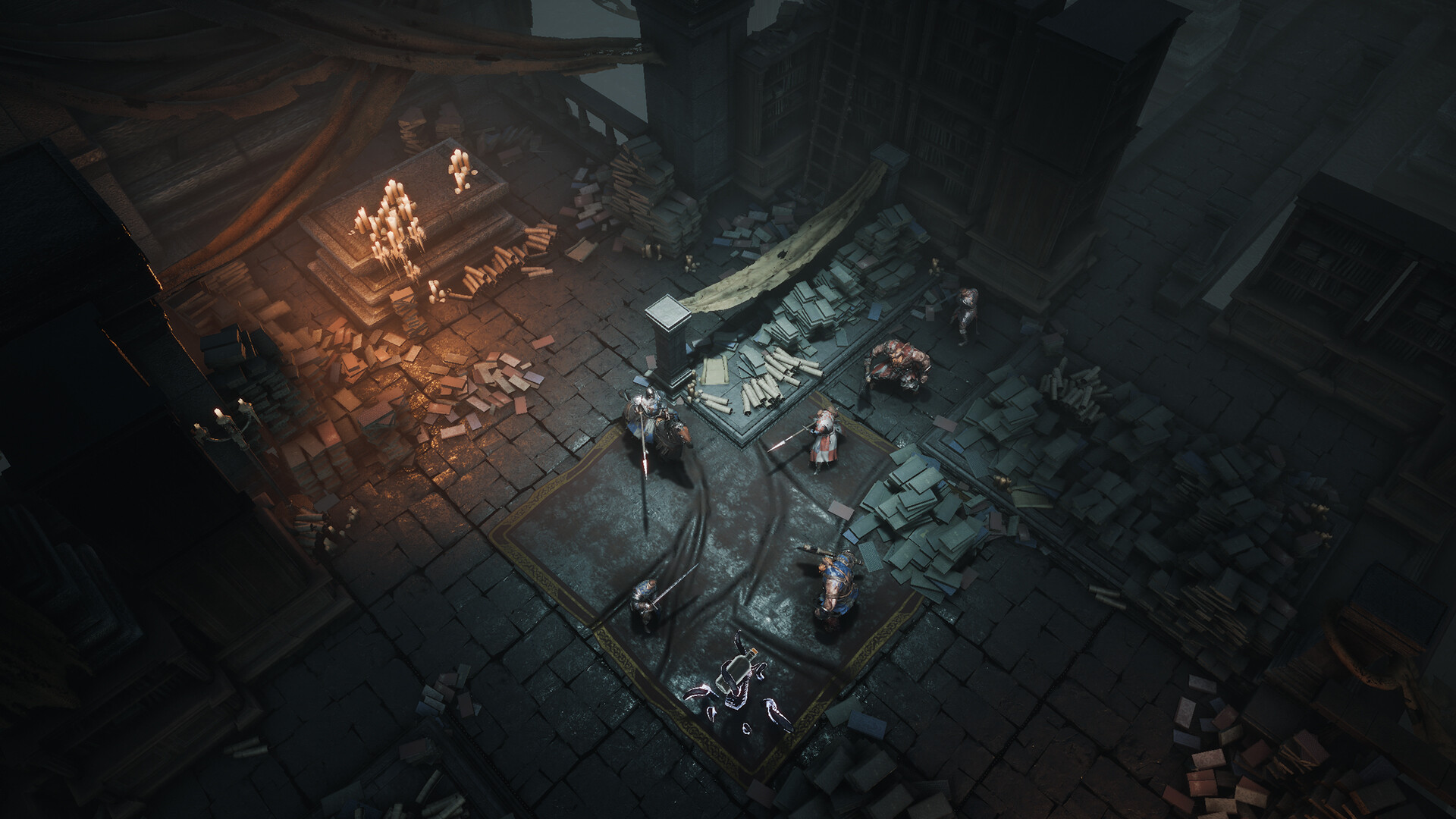
Strip away the surrounding noise, and there's a tactics game here that several detailed reviewers find legitimately compelling. The dark-fantasy art direction and unit roster draw specific praise for avoiding the hyper-stylised, fan-service-heavy aesthetic common to the gacha genre, with one reviewer calling it "refreshing" to see orcs and knights instead of the usual cast. The merge-based promotion system, where duplicate low-tier units combine into higher-tier classes with meaningful build choices, draws a direct and favourable comparison to Disciples 2 from at least one experienced reviewer. It's the kind of system that suggests real design thought went into the tactical layer, even as everything built around it undermines that work.
Localization that reviewers call broken, not just rough
The most consistently, specifically documented problem in the sample is localization. Reviewers describe English, Chinese, and Italian text appearing within the same UI screens, missing icons and tooltips, and dialogue that reads, in one reviewer's words, like it was run through a translation program without an English speaker ever proofreading the output. One long-term reviewer who played for over a month reports this didn't meaningfully improve across that period's patches, and that some content becomes borderline unplayable simply because the instructions and objectives are too incoherent to follow without trial and error. For a game built around turn-based tactical decision-making, unclear information isn't a cosmetic flaw, it's a functional one.
Specific, credible balance bugs
Beyond localization, the sample documents concrete gameplay bugs rather than vague complaints. One detailed review describes a bugged weapon skill on the swordsman class capable of one-shotting enemies, alongside a healer archetype so heavily nerfed multiple reviewers independently call it functionally useless outside of secondary buffs. Another reviewer reports a camera bug that gets stuck moving in a single direction during combat, interrupting play entirely. These are the kinds of specific, reproducible-sounding issues that read as more credible than generic "the game is buggy" complaints, and their recurrence across separate reviews suggests a launch that shipped before core systems were properly tested.
An economy reviewers call exploitative
The most serious substantive complaint concerns monetisation. Several reviewers describe an energy system with costs that scale to the point where meaningful daily progress requires either enormous grinding or direct cash spending, and materials needed for core upgrade systems reportedly available only in tiny weekly or monthly quantities, functionally gating progression behind real money for anyone unwilling to wait months. One reviewer, writing after over 120 hours of play, calls it among the worst pay-to-progress designs they've encountered in the genre, a genre not exactly short of aggressive monetisation to compare against. Combined with an already-announced PvP mode, several reviewers read this as a studio doubling down on extraction rather than addressing the game's more fundamental problems.
A live service already showing strain
The sample also raises concerns specific to Annulus's live-service structure. One reviewer cites a concurrent player count as low as 174 and reports frequent server problems, questioning why the game needs to be online-only at all, and predicts it will be shut down within six months without an offline mode as a fallback. That's one voice rather than a consensus, but it lines up with a broader pattern in the sample: several of the higher-playtime reviews, including one logged at over 1,271 hours and another at 445 hours, read as far more neutral or ambivalent in tone than their thumbs-up rating suggests, closer to sunk-cost loyalty than enthusiastic recommendation. A handful of very short, low-effort positive reviews sit alongside them, offering little beyond a single line of praise. Taken together, the sample suggests a player base that is genuinely divided, with the most detailed, considered reviews skewing critical and the briefest ones skewing positive, an uncomfortable split for a Mostly Positive rating to paper over.
Final Verdict
There's a tactics game with real ideas inside Annulus: a distinctive dark-fantasy roster, a merge-based class system with genuine strategic texture, and combat several experienced reviewers say has promise. But the review sample paints a picture of a launch that shipped broken, chaotic multilingual localization, documented class-balance bugs, and an aggressive, specifically-criticised monetisation economy, compounded by repeated, serious allegations that its positive review score doesn't reflect genuine player sentiment. It costs nothing to try, and the tactical bones might reward patience for the right player. But approached honestly, this is a game whose own audience is warning other players away from trusting the numbers on its store page.
Pros and cons
Pros
- A distinctive dark-fantasy visual identity, orcs, wyvern riders, mages, and knights rather than the genre's more common hyper-stylised anime cast, that multiple reviewers call refreshing
- A merge-based class progression system, promoting low-tier duplicate units into higher, freely chosen class specialisations, that several reviewers compare favourably to older tactics RPGs like Disciples 2
- Turn-based combat with mechanical depth that a handful of detailed reviewers say has real promise if the systems around it were fixed
- No upfront cost, making it a zero-risk way to sample the tactics system for players curious despite the well-documented problems
Cons
- Multiple independent reviewers directly allege the positive review score is inflated by bought or bot reviews, a serious and specific accusation raised repeatedly rather than a one-off complaint
- Localization is described as genuinely broken: English, Chinese, and Italian text mixed within single UI screens, missing icons and tooltips, and dialogue several reviewers say reads like unproofread machine translation
- Specific class-balance bugs are documented in detail, including a one-shot bugged weapon skill on one class and a healer archetype multiple reviewers call functionally useless
- An aggressive energy and currency system that reviewers describe as gating meaningful progress behind either months of grinding or direct cash purchases, with one detailed long-term review calling it among the worst pay-to-progress designs they've encountered
- As an online-only live-service title with a reportedly small concurrent player base, several reviewers question its long-term viability and ask for an offline mode as a hedge against shutdown
Screenshots
-
AnnulusImage: NIRVANA via Steam -
AnnulusImage: NIRVANA via Steam -
AnnulusImage: NIRVANA via Steam