Game review
AFK Journey
7 / 10
- Developer
- Lilith Games
- Publisher
- Farlight Games
- Released
- 27 March 2024
- Platforms
- Android, iOS, Windows
- Genre
- Gacha RPG
- Monetisation
- Free to play with a gacha hero-recruitment system; nearly every competitive mode rewards real-money spending, directly or through the ranking pressure it creates
- Players
- Guilds, co-op content and PvP ranking systems
The short version
AFK Journey's storybook art direction and formation-based combat set it apart from a genre that mostly recycles the same three visual templates, and its hundred-hero roster across seven factions gives teambuilding real depth rather than just more banners to pull on.
The catch is where its competitive systems point: daily ranked activities gate end-game progression behind performance against other spenders, which turns competitiveness itself into the monetisation engine. It's a well-made example of a business model that's inherently harder to recommend than the game underneath it.
Biggest strengths
- Storybook art direction is a genuine step up from the genre's usual visual language
- A hundred heroes across seven factions with real synergy considerations make formation building a meaningful, ongoing decision rather than a numbers-only exercise
- Shared equipment and leveling across heroes lowers the cost of trying new formations compared to gacha games that make every hero its own investment silo
Biggest weaknesses
- Daily ranked activities gate end-game progression resources behind performance against other players, which is the game's most consistently cited criticism
- Nearly every competitive mode carries real pay-to-win pressure once you're past the early story content
- Standard gacha economics still apply underneath the presentation — meaningful power requires meaningful spending for anyone chasing the top of the ladder
Who it's for: Gacha and hero-collector players who want genuine teambuilding depth and are prepared to either spend meaningfully or accept a progression ceiling below the leaderboard.
Our recommendation: Free to try and genuinely worth trying — the combat and art direction earn that much. Decide early whether you're playing for the story and casual progression or the competitive ladder, because only one of those is free.
7 / 10
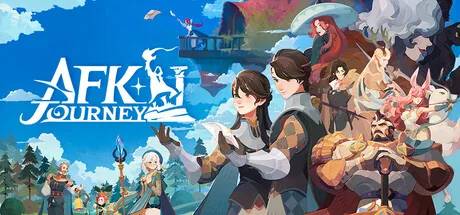
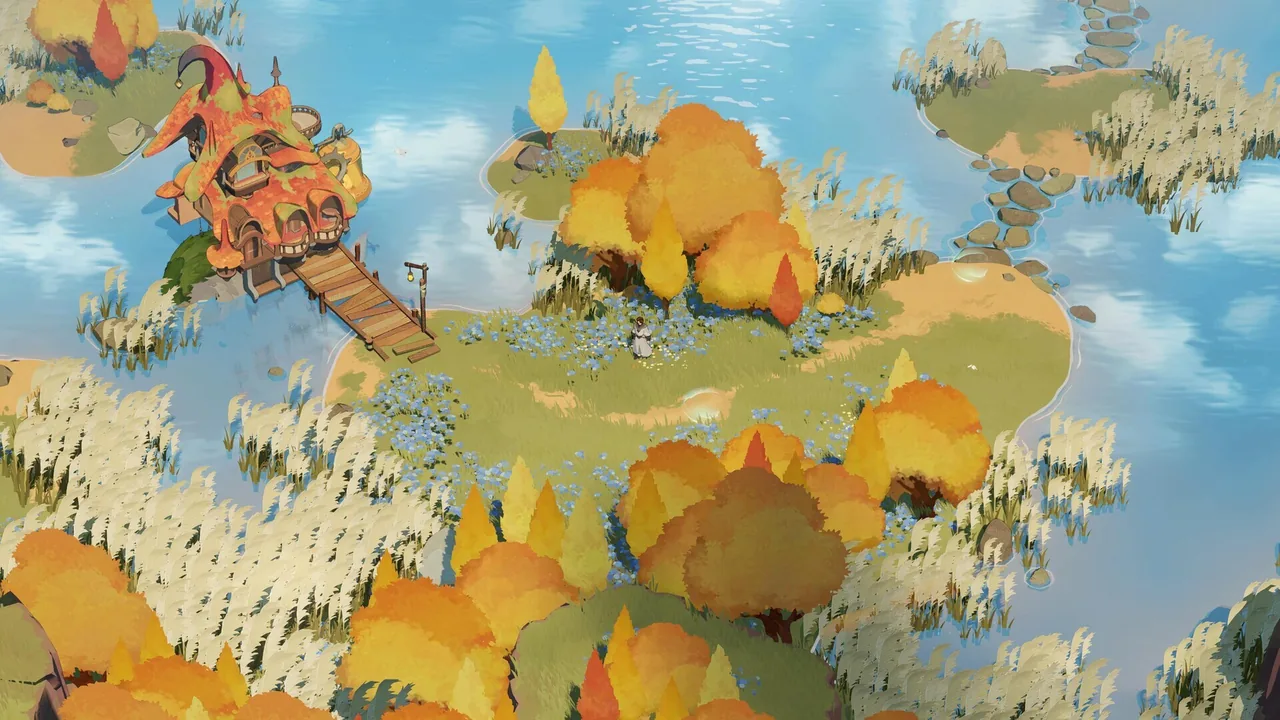
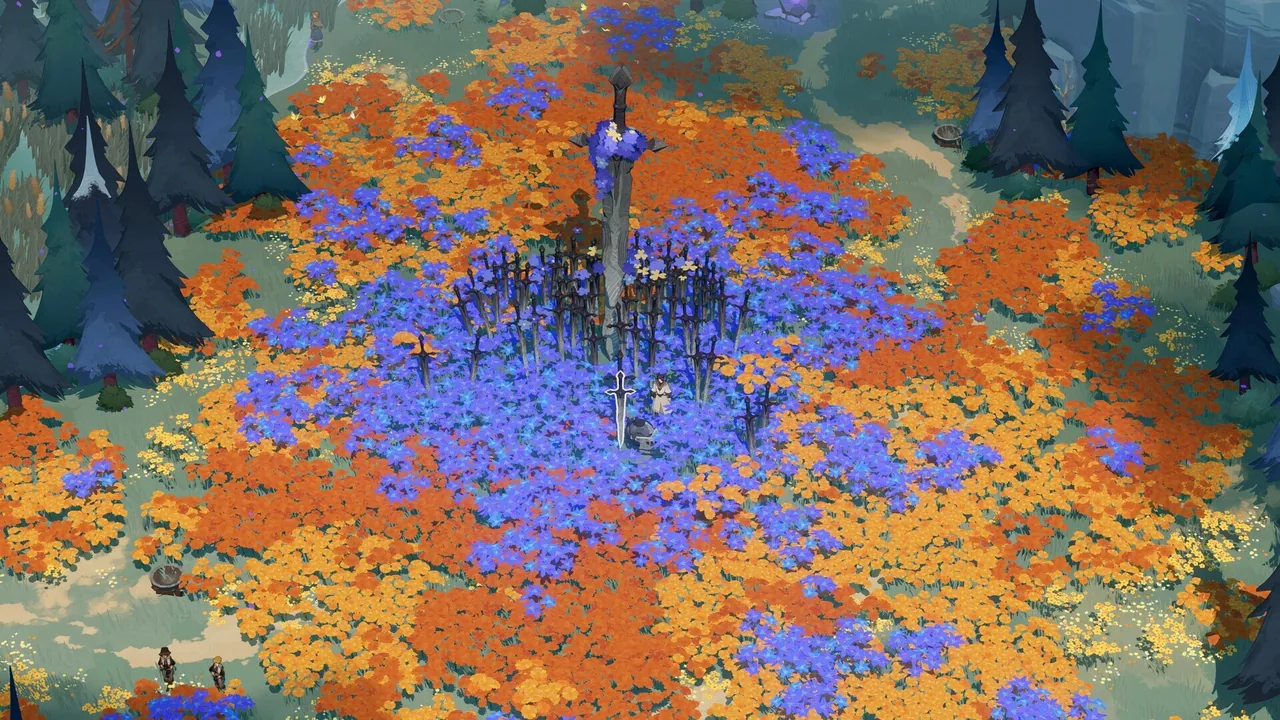
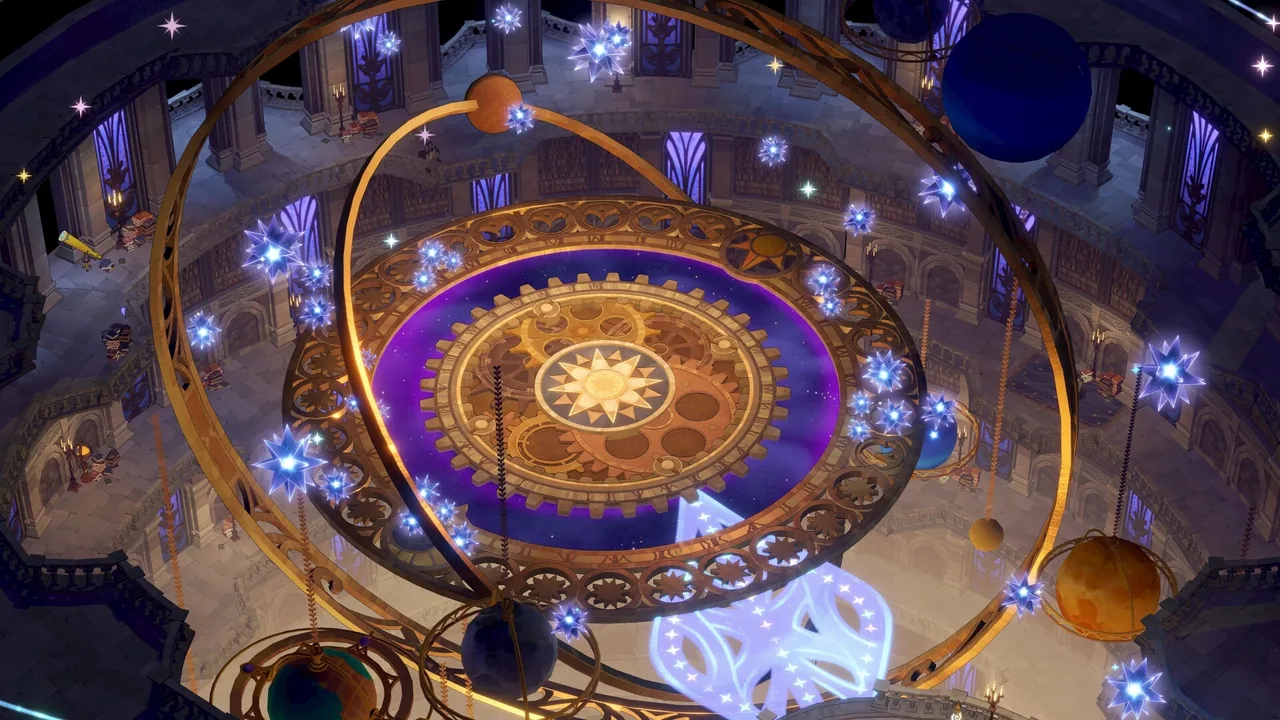
The hero-collector genre has a house style by now — cartoon portraits, a banner rotation, a combat screen you mostly watch rather than play. AFK Journey's storybook world of Esperia, painted rather than rendered, is the first thing that makes it look like it's trying to be something other than a template with new character names, and the combat underneath backs that first impression up more than most of its competitors manage.
A hundred heroes, real reasons to pick between them
Seven factions — Lightbearers, Wilders, Maulers, Graveborn, Celestials, Hypogeans and a Dimensional roster layered on top — split a hundred heroes into groups with genuinely different identities rather than reskinned stat blocks. Battles play out as a top-down, auto-chess-adjacent system: you place heroes on a grid, weigh terrain and formation against the enemy's likely composition, then watch automatically-triggered skills and manually-activated Ultimates decide the fight. It's a real hybrid of tactical planning and hands-off execution, and the planning half is where the game actually asks something of you.
Shared equipment and leveling across your roster is the detail that makes experimentation affordable. In gacha games where every hero is its own separate investment, trying an off-meta formation is expensive in a way that discourages it. Here, swapping a hero in and out of your lineup doesn't reset the resources you've already put into them, which is a small system-design choice that does a lot of work for how often you're willing to actually rebuild your team rather than defend the same six heroes forever.
Where the business model takes over
AFK Journey's pity system — a guaranteed S-Grade hero within 60 pulls on the general banner, a guaranteed rate-up hero within 40 on a featured one — is more transparent than plenty of the genre's worse-behaved entries, and worth crediting for that. The deeper problem sits elsewhere: daily ranked activities gate meaningful end-game progression resources behind performance against other players, which means the game's competitive structure and its revenue structure are the same structure. You're not just competing for bragging rights on a leaderboard; you're competing for the resources that let you keep progressing at all, against players who can spend to win that competition directly.
That's a sharper edge than "gacha games cost money to fully optimise," which is true of nearly every game in this genre and not, on its own, a real criticism. What's specific to AFK Journey is that its own competitive systems are engineered to convert competitiveness into spending, which makes "nearly every mode is pay-to-win" a more accurate description here than it would be for a gacha game that keeps its PvP cosmetic or its rewards flat regardless of rank.
What the numbers say
Reception at launch was genuinely strong — an 8/10 from MMORPG.com specifically calling out the teambuilding and guild systems as standouts, positive coverage from Pocket Gamer for the combat and presentation, and a healthy audience that's kept the game commercially significant well past its 2024 debut. The recent Steam release, which brought AFK Journey to PC in April 2026, sits at Mostly Positive with a still-small review sample; the mobile version's much larger, longer-running audience is the more meaningful signal of how this game has actually landed.
Final verdict
AFK Journey earns its reputation as one of the better-looking, better-built hero collectors on mobile — the art direction, the faction variety and the shared-progression system around formation building are all genuine strengths that separate it from a crowded genre's usual offering. Free players can get real value from the story and casual content without spending a cent.
It settles at seven because the moment you engage with the competitive systems that give the game its long-term structure, you're engaging with its monetisation engine directly, by design. That's a fair trade for players who go in with clear eyes about it, and a rougher one for anyone who expects "free to play" to mean the ceiling is skill rather than spend.
Price and monetisation checked 30 July 2026.
If you'd rather your progression stayed free at every tier rather than just the early ones, Wanderer doesn't gate anything behind a leaderboard.
Pros and cons
Pros
- Storybook art direction is a genuine step up from the genre's usual visual language
- A hundred heroes across seven factions with real synergy considerations make formation building a meaningful, ongoing decision rather than a numbers-only exercise
- Shared equipment and leveling across heroes lowers the cost of trying new formations compared to gacha games that make every hero its own investment silo
- A documented pity system (guaranteed S-Grade within 60 pulls, rate-up hero within 40 on its banner) is more transparent than many competitors
- Strong critical reception at launch, including an 8/10 from MMORPG.com specifically praising its teambuilding and guild systems
Cons
- Daily ranked activities gate end-game progression resources behind performance against other players, which is the game's most consistently cited criticism
- Nearly every competitive mode carries real pay-to-win pressure once you're past the early story content
- Standard gacha economics still apply underneath the presentation — meaningful power requires meaningful spending for anyone chasing the top of the ladder
- The recent Steam release is a young, small sample next to the mobile version's much larger and longer-running player base
Screenshots
-
AFK JourneyImage: Farlight Games via Steam -
AFK JourneyImage: Farlight Games via Steam -
AFK JourneyImage: Farlight Games via Steam -
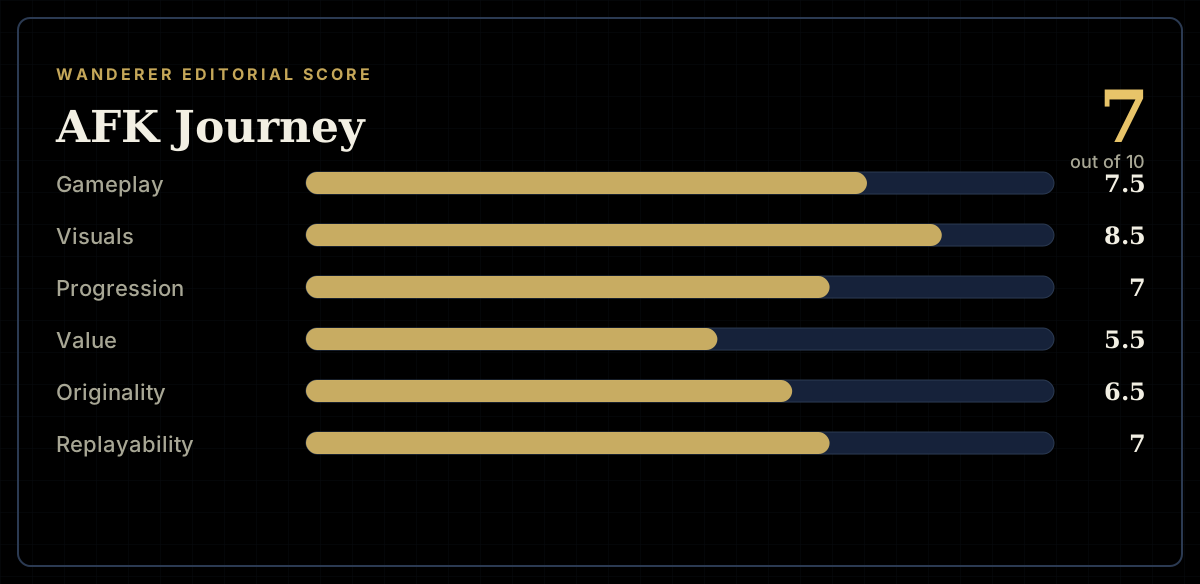
How the review scores each part of the gameWanderer Editorial -
The short versionWanderer Editorial