Game review
StarSavior
6.5 / 10
- Developer
- Studiobside
- Publisher
- Studiobside
- Released
- 10 December 2025
- Platforms
- Windows, Android, iOS
- Genre
- Gacha RPG
- Monetisation
- Free to play with a gacha character-recruitment system built around a premium currency, separate equipment-card pulls and several running battle passes; PvP ranking is where the pressure to spend actually shows up
- Players
- Online PvP and cross-platform ranking between PC and mobile
The short version
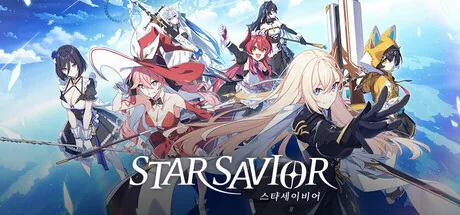
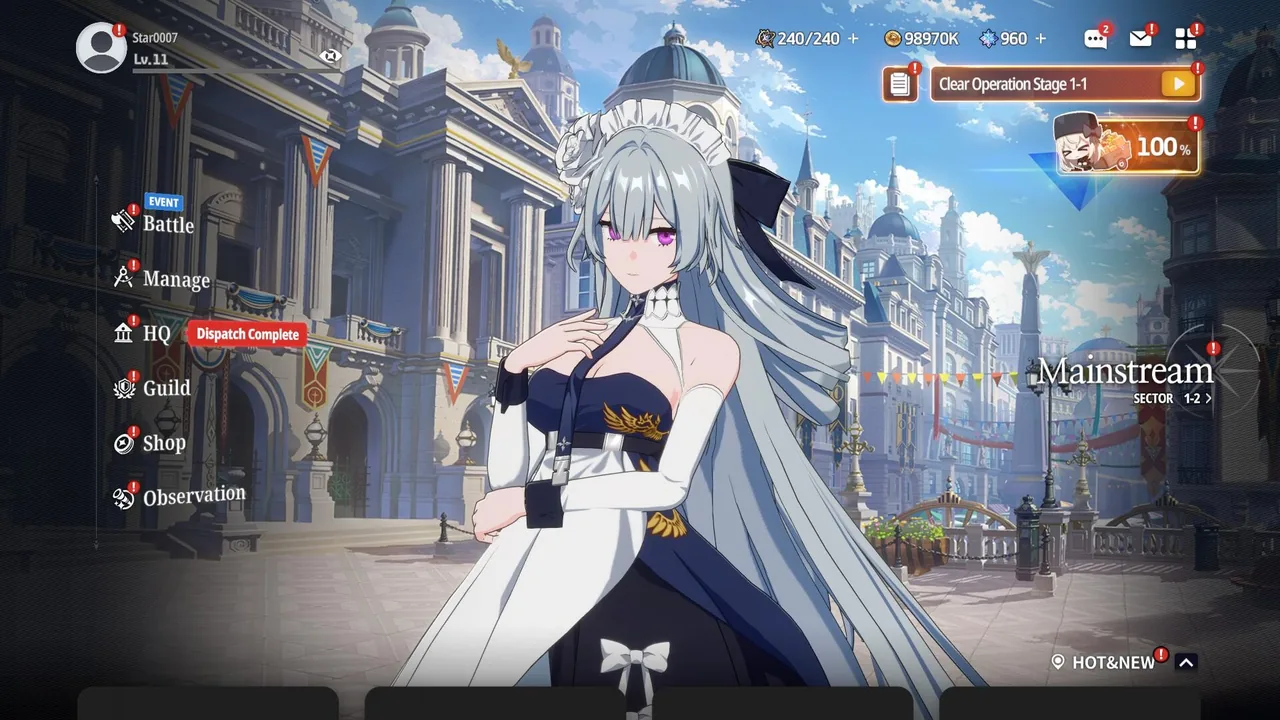
StarSavior's pitch is a genuinely unusual hybrid: raise a roster of star-powered "Saviors" through Uma Musume-style career runs, then send them into Honkai: Star Rail-flavoured turn-based battles once they're built. Studiobside's pedigree from Counter:Side shows in the presentation — the 3D models, animations and effects are a clear step above most of the genre.
What holds it back is everything around the combat rather than the combat itself. Optimisation problems were the single biggest driver of negative reviews at launch, and while a public apology and compensation pulled the Steam score back up from its opening slump, the PvP ladder still leans on spending in a way the game's unusually generous gacha terms don't fully offset.
Biggest strengths
- The Journey training mode is a proper career-sim loop, not a reskinned dungeon crawl, and stands on its own as a reason to play
- A 4% base SSR rate with no hard pity and no 50-50 coin flip is more transparent than most of the genre, and unspent Mileage carries across every future banner
- New accounts start with a large enough pull stockpile, plus a free SSR selector, to build a working roster before spending a cent
Biggest weaknesses
- Frame drops, stuttering and heavy battery drain were the primary driver of negative Steam reviews at launch, and remain a documented complaint on both PC and flagship phones
- Players outside Korea and Japan report high ping and packet loss connecting to the game's servers, a problem regional VPN use only partially works around
- PvP ranking creates a visible pay-to-win gap: idle resource generation and competitive rewards both scale with the same currencies that spending accelerates
Who it's for: Players who enjoyed Uma Musume's training loop and want a genre that takes stat-building seriously, plus anyone curious about a hero collector with an actual pity system worth reading.
Our recommendation: Worth trying for free, especially if the training-sim half of the pitch appeals more than the combat — but go in expecting real performance rough edges and a PvP ladder that rewards spenders more than it should.
6.5 / 10
Most hero collectors borrow one idea from somewhere else and dress it up as their own. StarSavior borrows two and puts them next to each other with barely a seam: half of it is a career-mode training sim in the mould of Uma Musume: Pretty Derby, and half of it is turn-based combat that plays like a direct answer to Honkai: Star Rail. Studiobside, the Korean studio behind Counter:Side, built the whole thing with a level of visual polish that's genuinely rare in this genre. It's an ambitious combination, and for long stretches it works. It's also a game whose launch problems and monetisation choices keep getting in the way of that ambition rather than supporting it.
Training first, fighting second
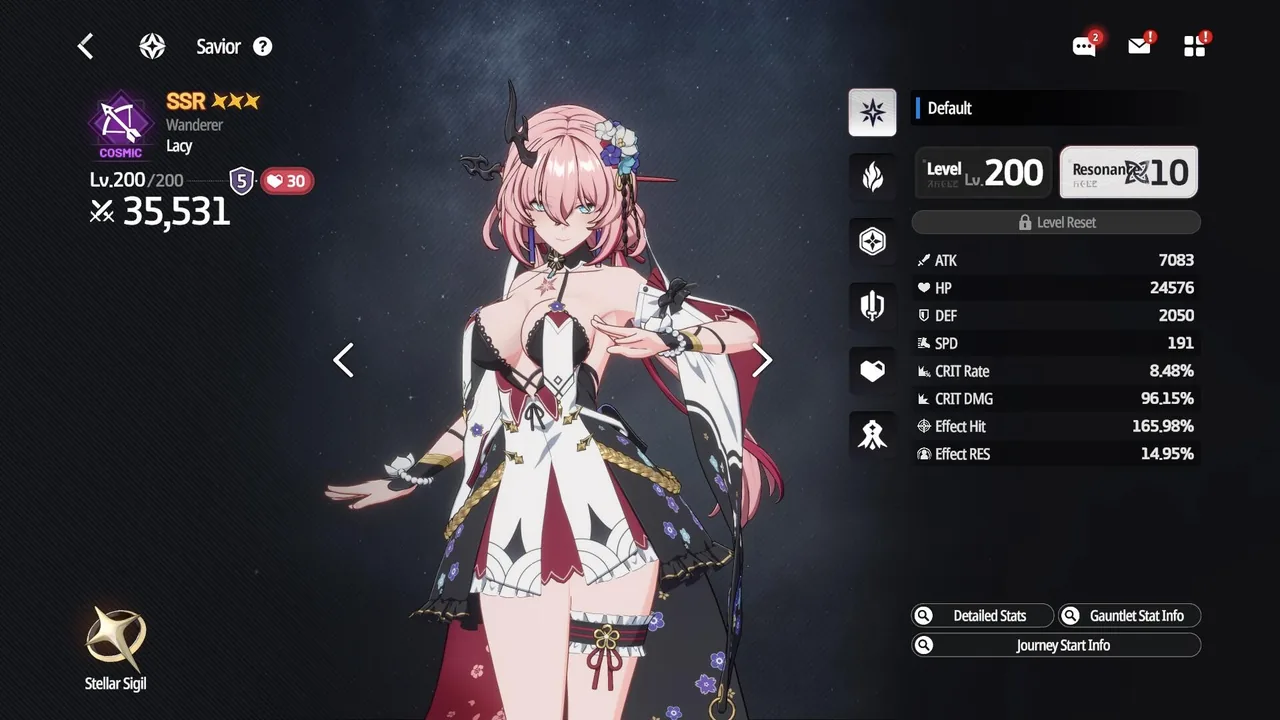
The Journey mode is the part of StarSavior that actually earns its comparison to Uma Musume. Rather than sending a Savior straight into combat, you put her through a structured career run — managing fatigue, spending currency on training options, and working through escalating difficulty tiers to build permanent stat gains and Archives, the game's answer to gear. It's a self-contained loop that asks for real attention rather than passive taps, and it's the strongest evidence that Studiobside wasn't just borrowing Uma Musume's premise for flavour text. The trade-off is that it runs out sooner than the format it's modelled on: three difficulty tiers give you a defined ceiling, and once a Savior is fully built there's less reason to run her back through Journey again compared to the near-endless career replayability of the game it's imitating.
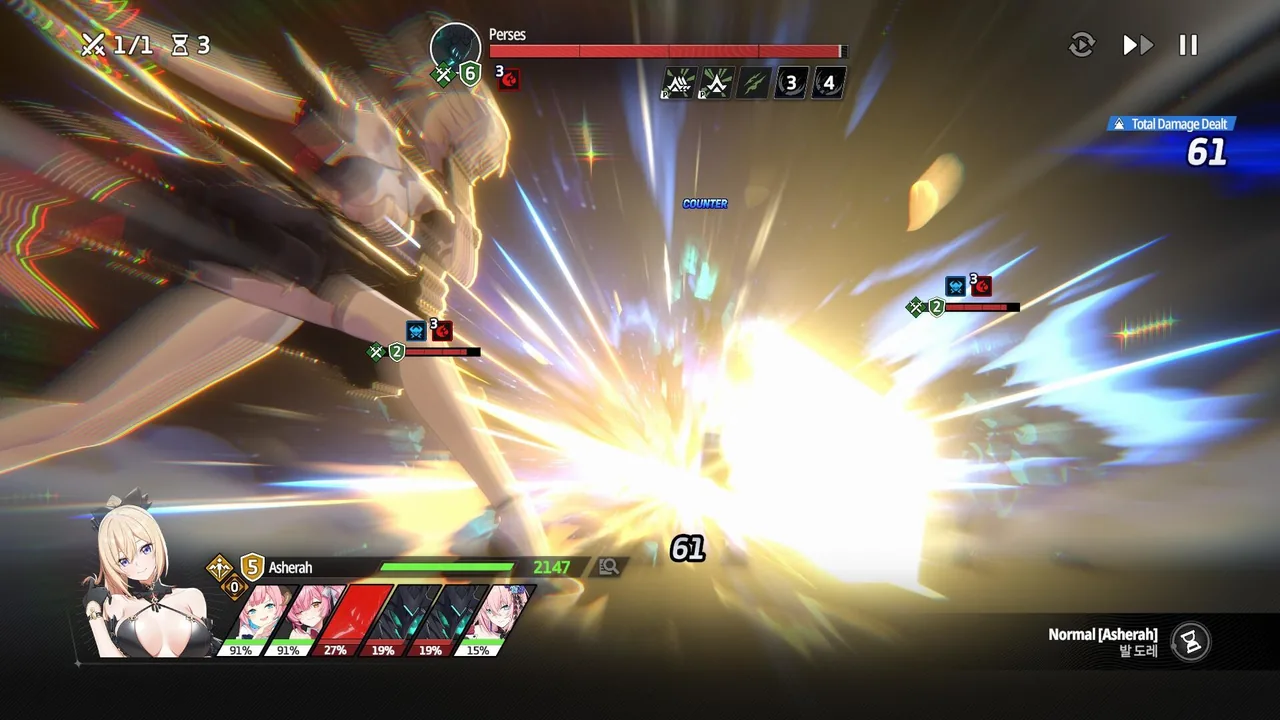
Combat, once your roster is actually built, is a competent turn-based system rather than a transformative one. Speed stats decide turn order, a Nova Burst gauge builds toward big cooldown abilities, and a Break system rewards staggering enemies with bonus damage — enough moving parts to make positioning and turn manipulation matter without demanding Star Rail's more elaborate weakness-toggling. It's solid, legible, and rarely the thing you'll remember about a session. The training half of the game is where StarSavior actually distinguishes itself; the fighting half is competent scaffolding around it.
Idle systems that don't punish you for logging off
Daily willpower caps gate active resource farming, and offline generation keeps ticking over in the background at a pace comparable to AFK Journey or Eversoul — you won't fall meaningfully behind by skipping a day, which is the right call for a game explicitly positioning itself as a side title rather than someone's main. The idle layer and the Journey training loop complement each other well: passive resources fund the currency-heavy training runs, so logging in with a backlog of materials to spend feels productive rather than like catching up on a chore list.
A gacha system that's more honest than most, sitting inside one that isn't
Credit where it's due: StarSavior's pull system is unusually transparent by genre standards. SSR characters land at a 4% base rate with no hard pity gate and no 50-50 coin flip deciding whether your pull actually goes to the featured unit. Every pull banks a point of Mileage instead, and 200 Mileage buys the featured Savior outright — Mileage never expires and carries forward across every future banner, so a bad-luck streak on one banner isn't wasted, it's just progress toward the next one. New accounts start with enough accumulated pulls and a free SSR selector to field a working team without spending anything. Held up against the coin-flip pity systems that dominate this genre, it's a genuinely player-friendly design.
The problem is that this generosity sits inside a wider economy that pulls in the opposite direction. Equipment-style Arcana cards are pulled on a separate currency from character banners, which is one more system to manage rather than fewer, and seven concurrent battle passes running at once is a heavier subscription-adjacent footprint than the headline gacha terms would suggest on their own. The sharpest edge is PvP: competitive ranking draws on the same idle-generated resources that spending accelerates, which means the ladder rewards the players putting in real money more than it rewards skill or patience. A generous pull system doesn't offset a ranked mode built to convert competitiveness into revenue — it just makes the contrast more visible.
Presentation carries it further than the technical foundation
Studiobside's background shows. Character models, cinematic combat animations and visual effects are a clear step above the genre average, and it's easy to see the studio's 2D work on Counter:Side translated into a fully 3D presentation without losing what made it distinctive. That polish is undercut by a launch that struggled technically: frame drops and stuttering were the single biggest driver of negative Steam reviews when the game arrived, and battery drain on flagship phones remained a documented complaint well after launch. Server placement compounds the problem for players outside Korea and Japan, with high ping and packet loss reported often enough that regional VPN routing became a common workaround rather than an edge case. Studiobside responded to the rocky start with a public apology and compensated players with an SSR selector ticket, which helped pull the Steam score up from an initial slump into its current Mixed standing — a real recovery, even if it started from a bad place.
Final verdict
StarSavior's central idea — take character training as seriously as combat, rather than treating it as a stat-screen afterthought — is a good one, and the Journey mode proves it can carry a game on its own. The presentation backs that ambition up more convincingly than almost anything else in the hero-collector space right now. What keeps this from scoring higher is that the systems around the good idea haven't caught up to it: performance problems that shouldn't still be a headline complaint months after launch, server issues that penalise players by geography, and a PvP ladder that undoes the goodwill its own gacha system earns. Free-to-play players who stick to Journey mode and casual content will get real value here. Anyone drawn in by the competitive ladder should know exactly what it's asking of them before they start climbing it.
Players who'd rather their progression kept moving without a battle pass counting down against them might also want to look at Wanderer.
Pros and cons
Pros
- The Journey training mode is a proper career-sim loop, not a reskinned dungeon crawl, and stands on its own as a reason to play
- A 4% base SSR rate with no hard pity and no 50-50 coin flip is more transparent than most of the genre, and unspent Mileage carries across every future banner
- New accounts start with a large enough pull stockpile, plus a free SSR selector, to build a working roster before spending a cent
- Combat's Break system, which punishes staggered enemies with bonus damage, gives turn order real tactical weight instead of just deciding who acts first
- Character models, animations and effects are well above the genre's usual bar, carrying over the visual polish Studiobside built with Counter:Side
Cons
- Frame drops, stuttering and heavy battery drain were the primary driver of negative Steam reviews at launch, and remain a documented complaint on both PC and flagship phones
- Players outside Korea and Japan report high ping and packet loss connecting to the game's servers, a problem regional VPN use only partially works around
- PvP ranking creates a visible pay-to-win gap: idle resource generation and competitive rewards both scale with the same currencies that spending accelerates
- Seven separate battle passes running at once is a heavier monetisation footprint than the base gacha economy alone would suggest
- The Journey mode's three difficulty tiers run out faster than the Umamusume career structure it's clearly modelled on, leaving less to chase once a Savior is built
Screenshots
-
StarSaviorImage: Studiobside via Steam -
StarSaviorImage: Studiobside via Steam -
StarSaviorImage: Studiobside via Steam -
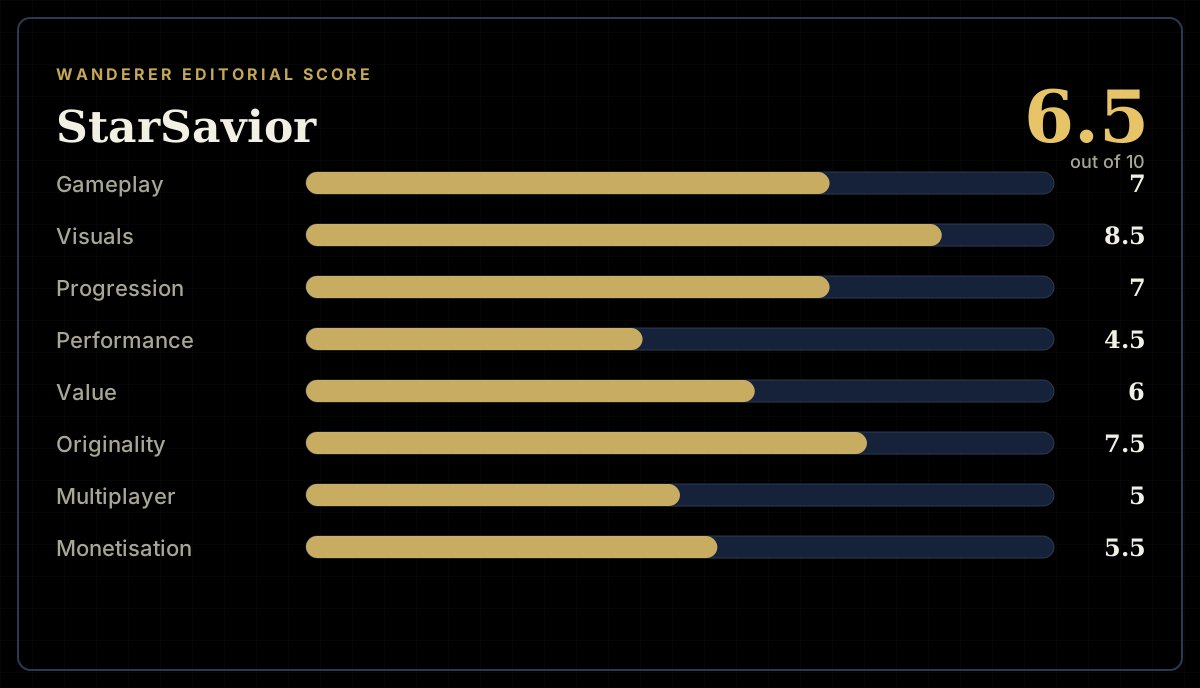
How the review scores each part of the gameWanderer Editorial -
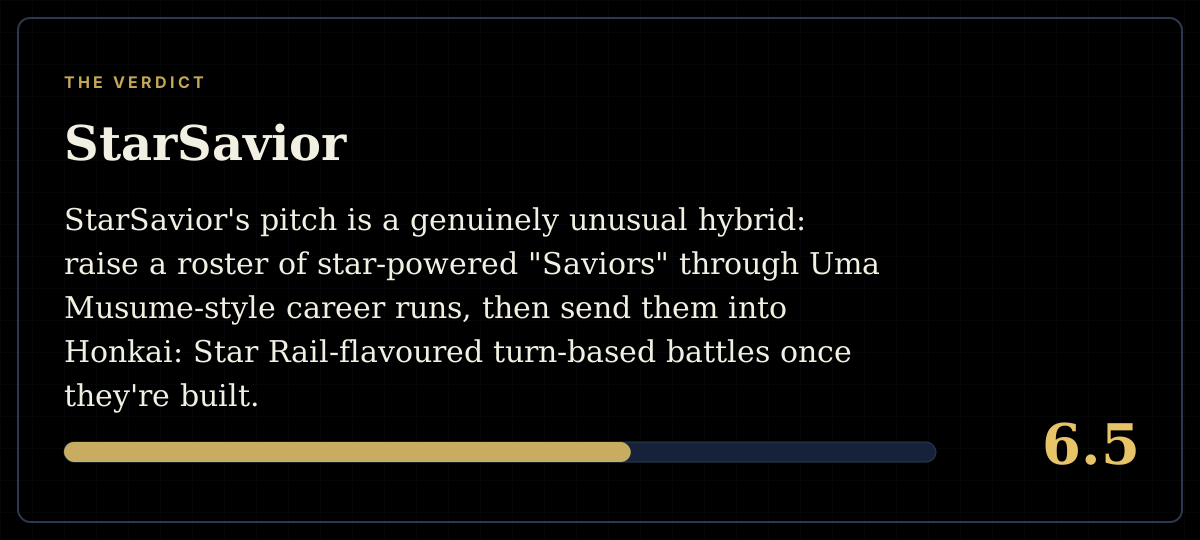
The short versionWanderer Editorial