Game review
The Age of Decadence
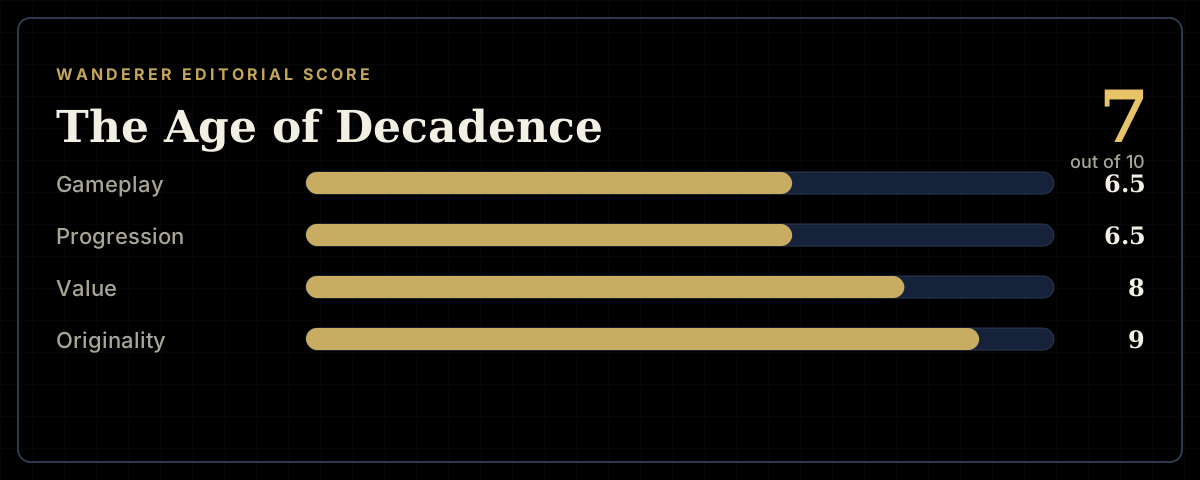
7 / 10
- Developer
- Iron Tower Studio
- Publisher
- Iron Tower Studio
- Released
- 14 October 2015
- Platforms
- Windows
- Genre
- Isometric RPG
- Monetisation
- Premium, one-off purchase — no in-game purchases
- Players
- Single-player
The short version
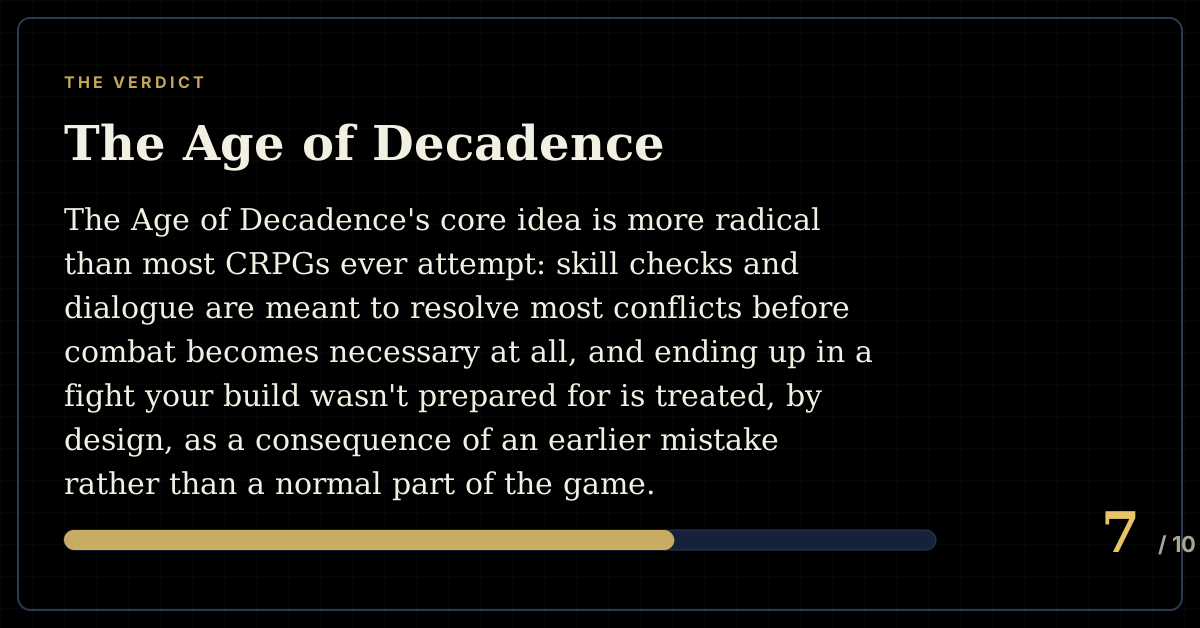
The Age of Decadence's core idea is more radical than most CRPGs ever attempt: skill checks and dialogue are meant to resolve most conflicts before combat becomes necessary at all, and ending up in a fight your build wasn't prepared for is treated, by design, as a consequence of an earlier mistake rather than a normal part of the game. A decade of development produced a genuinely singular roleplaying experience for the players willing to meet it on those terms.
The same design that makes it distinctive makes it punishing in ways a large share of its own reviewers describe as the game working against them rather than testing them fairly. A poorly planned build can force repeated, brutal combat encounters the game never intended you to face head-on, and without outside knowledge, discovering that too late is a common, frustrating experience even among reviewers who ultimately recommend the game.
Biggest strengths
- A genuinely radical design philosophy — skill checks resolving most conflicts before combat becomes necessary — executed with real conviction rather than half-measures
- Deep, consequential dialogue and multiple skill-based paths through nearly every quest, rewarding careful character planning with real narrative payoff
- A distinctive low-magic setting with believable characters and genuinely well-regarded world-building
Biggest weaknesses
- A poorly planned build can force brutal, unintended combat encounters, and without outside knowledge this often isn't apparent until well into a playthrough
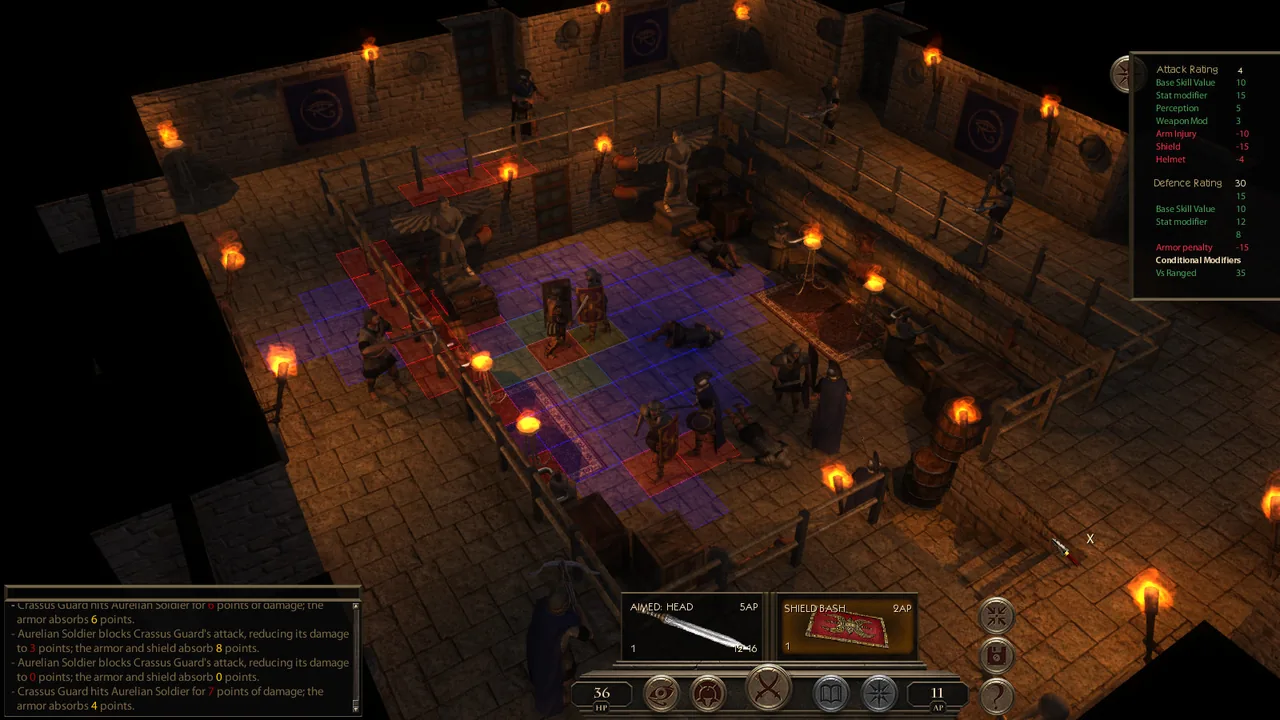
- Turn-based combat itself is frequently described as unforgiving in ways that feel punitive rather than fairly challenging, even by reviewers who otherwise recommend the game
- The game's skill-check-first structure means a genuinely large share of players describe needing a guide for their first character to avoid an unplayable build
Who it's for: Hardcore CRPG fans specifically drawn to consequence-driven, skill-check-first roleplaying, and players willing to plan a build carefully — or consult a guide — rather than learn entirely through trial and error.
Our recommendation: A genuinely essential experience for CRPG fans who want to see a design philosophy few other games have attempted taken to its logical extreme. Go in expecting real friction if you build carelessly, and consider a guide for your first character rather than discovering the game's punishing edges the hard way.
7 / 10
Most RPGs that offer a "talk your way past this fight" option treat it as a bonus path for players who invested in the right stat — an alternative, not the expectation. The Age of Decadence, roughly a decade in development before its 2015 release, builds its entire structure around the opposite assumption: combat is what happens when your skills, your dialogue choices or your planning have already failed. That's a genuinely rare design commitment for the genre, and it's the single most important thing to understand before deciding whether this game is for you.
A philosophy taken to its logical extreme
Nearly every quest in The Age of Decadence has multiple skill-based resolutions, and the game is built to reward the player who reads a situation correctly and talks, sneaks or manipulates their way through it rather than the player who simply fights whatever's in front of them. Reviewers who connect with this structure describe an unusually consequential, believable low-magic world where choices genuinely branch and character builds meaningfully change what's possible — not just in combat effectiveness, but in which conversations and paths through the story are even available to you. It's the kind of RPG design most studios only gesture toward; Iron Tower Studio built an entire decade-long project around actually committing to it.
What happens when you weren't supposed to fight, and do anyway
The cost of that commitment is exactly what a large share of the game's negative reviews describe. Because combat is treated as a consequence of earlier failure rather than a core, balanced pillar of the game, a character built without the specific combination of skills needed for the fights you end up in can find those encounters genuinely brutal — not "hard in a satisfying way," but punishing in a way several reviewers describe as the game working against them rather than testing them fairly. Without prior knowledge of what a viable build looks like, discovering this mid-playthrough, sometimes after many hours invested, is a common and understandably frustrating experience, and it's the reason a meaningful share of even sympathetic reviewers recommend consulting a guide for a first character rather than learning purely through play.
Not built to appeal broadly, and clear-eyed about it
Several of the game's own reviewers make a point of estimating how narrow its appeal actually is — one puts the figure at roughly 80% of players simply not enjoying it, offered as a genuine warning rather than false modesty. That's a useful frame for approaching The Age of Decadence: it isn't failing to be a mass-market RPG, it never intended to be one, and judging it by that standard misses what makes it worth playing for the audience it was actually built for.
Final verdict
The Age of Decadence remains one of the most genuinely distinctive RPGs made in the last decade, committing fully to a skill-check-first, consequence-driven philosophy that few other games in the genre have attempted with this much conviction. It settles at 7 rather than higher because that same commitment makes unprepared or poorly informed playthroughs genuinely punishing rather than merely challenging, and because the game asks real, upfront planning of players in a way that will frustrate anyone hoping to learn entirely through trial and error. For CRPG fans who want to see this specific philosophy taken all the way, it's essential; for everyone else, the game's own reviewers have already told you honestly that it probably isn't for you.
Price and review data checked 5 August 2026.
If you'd rather your choices carried consequence without the risk of an unrecoverable build, Wanderer keeps its own progression forgiving enough to experiment freely.
Pros and cons
Pros
- A genuinely radical design philosophy — skill checks resolving most conflicts before combat becomes necessary — executed with real conviction rather than half-measures
- Deep, consequential dialogue and multiple skill-based paths through nearly every quest, rewarding careful character planning with real narrative payoff
- A distinctive low-magic setting with believable characters and genuinely well-regarded world-building
- Extremely inexpensive for the amount of replayable content and distinct build paths on offer
Cons
- A poorly planned build can force brutal, unintended combat encounters, and without outside knowledge this often isn't apparent until well into a playthrough
- Turn-based combat itself is frequently described as unforgiving in ways that feel punitive rather than fairly challenging, even by reviewers who otherwise recommend the game
- The game's skill-check-first structure means a genuinely large share of players describe needing a guide for their first character to avoid an unplayable build
- Its uncompromising style is, by the developer's own evident intent, not built to appeal broadly — reviewers estimate a large majority of players simply won't enjoy it
Screenshots
-
The Age of DecadenceImage: Iron Tower Studio via Steam -
The Age of DecadenceImage: Iron Tower Studio via Steam -

The Age of DecadenceImage: Iron Tower Studio via Steam -
How the review scores each part of the gameWanderer Editorial -
The short versionWanderer Editorial