Game review
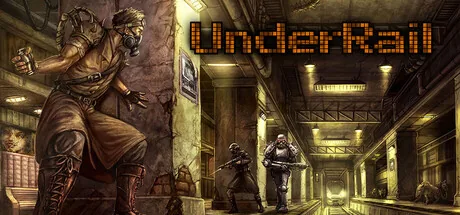
UnderRail
7.5 / 10
- Developer
- Stygian Software
- Publisher
- Stygian Software
- Released
- 10 December 2015
- Platforms
- Windows
- Genre
- Isometric RPG
- Monetisation
- Premium, one-off purchase — paid expansion DLC available separately
- Players
- Single-player
The short version
UnderRail is a deliberately old-school isometric RPG that recreates a very specific feeling: the disorienting, occasionally punishing first playthrough of Fallout 1, before you knew which stats and skills actually mattered. Built almost entirely by a single developer, it offers deep build customisation, genuinely challenging turn-based combat and an intricate underground world worth exploring — for the specific audience that wants exactly this kind of difficulty.
The honest caveats are just as specific: builds are not all viable the way Fallout's forgiving systems allowed, the difficulty curve leans hard on trial, error and outside knowledge, and mod support remains limited by the game's own technical architecture rather than being a solved problem. This is a deep, rewarding game for the player it's built for, and a genuinely frustrating one for anyone expecting a gentler on-ramp.
Biggest strengths
- Genuinely deep character-building systems with real skill and perk trees that support wildly different playstyles, from stealth to psionics to heavy weapons
- Turn-based combat is tactically demanding and rewards careful planning over reflexes
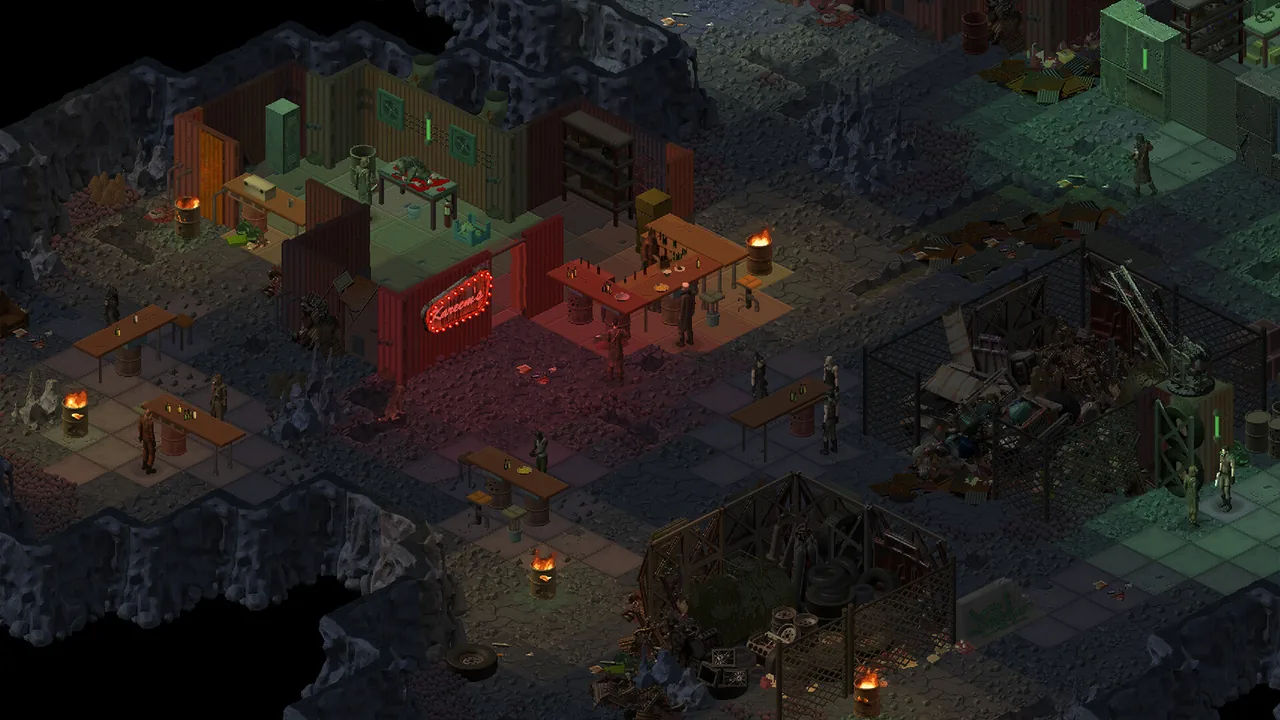
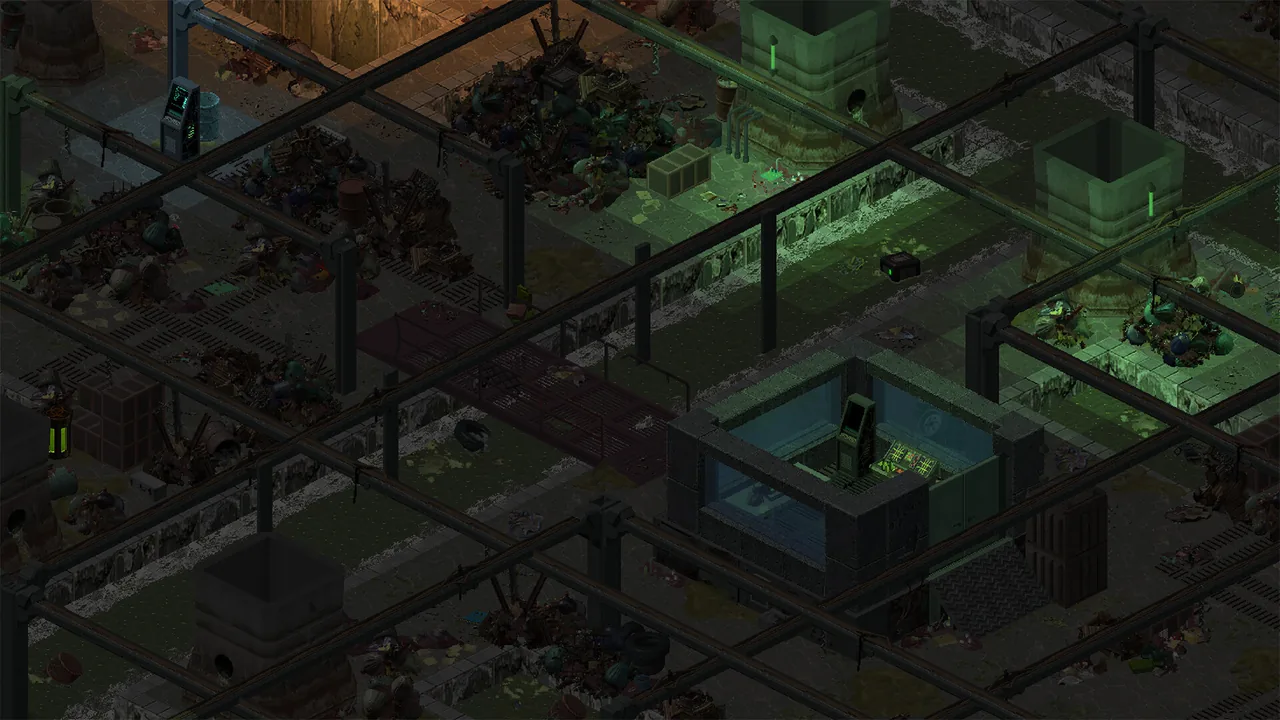
- An intricate, atmospheric underground post-apocalyptic setting with real world-building depth
Biggest weaknesses
- Not every build is viable, and choosing poorly early can make the game considerably harder than the developer likely intends — a real echo of Fallout 1's own infamous build traps
- The difficulty curve leans heavily on trial, error and external knowledge, with many reviewers describing a wiki as close to essential rather than optional
- Mod support remains limited, a real disappointment for a game this systems-driven, and the game's own technical architecture makes building broader tooling difficult
Who it's for: Hardcore CRPG fans who specifically want the disorienting, build-punishing difficulty of an old-school Fallout playthrough, and who don't mind consulting a wiki or accepting some build-planning failure along the way.
Our recommendation: A genuinely excellent buy for players who know what they're signing up for — deep, skill-based turn-based combat and real consequences for build choices. Newcomers to the genre, or anyone who wants every build to be viable, should temper expectations or start with a more forgiving CRPG first.
7.5 / 10
Some players' fondest memory of Fallout 1 isn't a clean, well-planned playthrough — it's the first attempt, where they tagged the wrong skills, dumped points into stats that didn't matter, and spent the rest of the game paying for it. UnderRail is built almost entirely around recreating that exact feeling on purpose, in a fresh isometric world of underground post-apocalyptic tunnels, and its reviews split cleanly along a line that has nothing to do with whether the game is well made: whether that feeling sounds appealing or miserable to you.
Deep systems for players who want to plan carefully
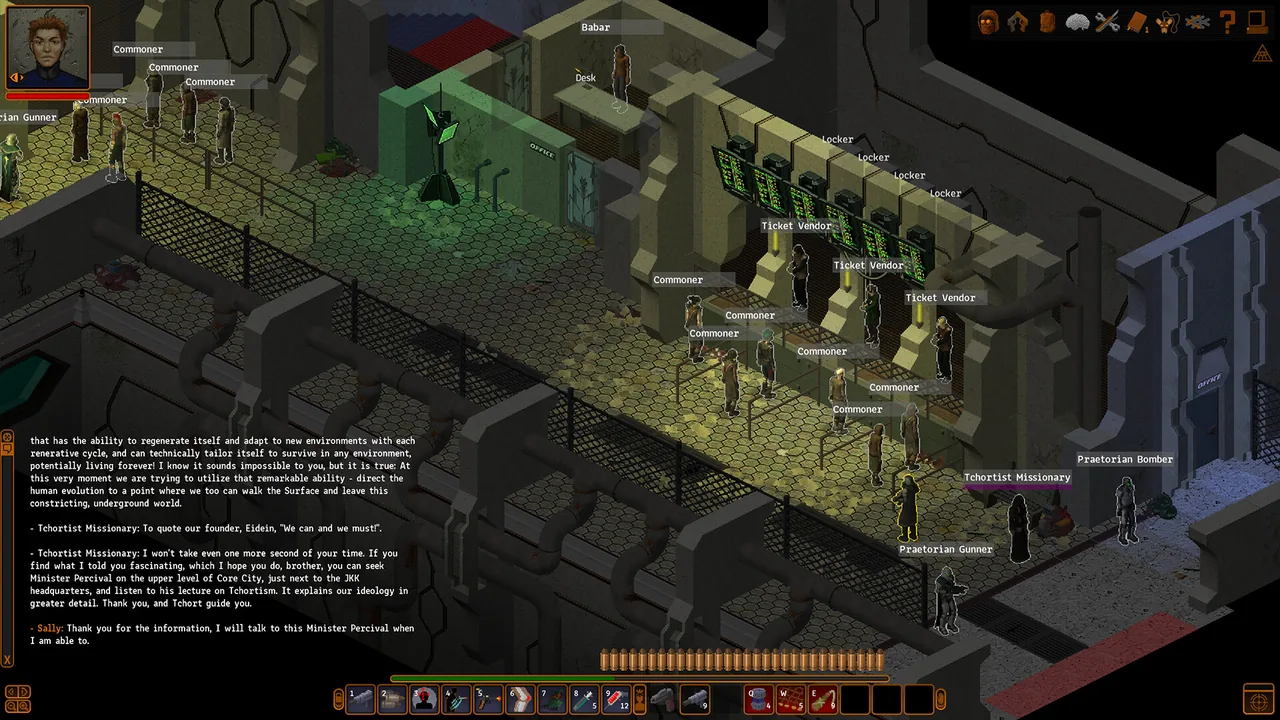
The character-building systems here are genuinely deep. Skill trees, perks and equipment support wildly different approaches — stealth specialists, psionic casters, heavy-weapons tanks, and combinations in between — and turn-based combat demands real tactical planning rather than reflexes. Reviewers who commit to learning the systems describe a genuinely rewarding sense of mastery, and the underground world itself is atmospheric and detailed enough to reward the kind of patient exploration the genre's best entries are built around. For a game made almost entirely by one developer, the sheer scope of systems and content on offer is a real achievement.
The build traps are real, and intentional
The specific criticism that shows up consistently, though, is about how forgiving — or rather, unforgiving — those systems are. Not every build is viable the way Fallout's more generous design allowed most reasonable choices to eventually work; several reviewers describe genuinely struggling builds that made large stretches of the game considerably harder than intended, and recommend consulting a wiki or community build guide before committing to a character rather than learning entirely through play. That's a deliberate design choice consistent with the game's whole pitch, but it's worth knowing clearly before you start: this is not a game where experimentation is cheap.
Modding remains limited, for real technical reasons
A separate, genuine disappointment for a game this systems-driven is limited mod support. Rather than a simple story of a developer refusing outside contributions, the more complete picture from community discussion is that UnderRail's own technical architecture makes building broader modding tools difficult and time-consuming, with more substantial mod support reportedly being considered for a future sequel rather than retrofitted here. Whatever the underlying reason, players hoping to extend or rebalance the game themselves currently have limited options to do so.
Final verdict
UnderRail is a genuinely deep, atmospheric throwback CRPG that earns its devoted following by committing fully to a very specific kind of difficulty — the kind that punishes poor planning and rewards patient system mastery, wiki open or not. It settles at 7.5 rather than higher because that commitment has real costs: builds that can quietly fail, a difficulty curve that leans hard on external knowledge, and limited modding options for a game whose systems clearly invite tinkering. For the specific audience that wants exactly this, it's an excellent, inexpensive buy; for anyone hoping for a gentler on-ramp, look elsewhere first.
Price and review data checked 5 August 2026.
If you'd rather your build choices carried consequences without the risk of quietly ruining a playthrough, Wanderer keeps its progression forgiving enough to experiment freely.
Pros and cons
Pros
- Genuinely deep character-building systems with real skill and perk trees that support wildly different playstyles, from stealth to psionics to heavy weapons
- Turn-based combat is tactically demanding and rewards careful planning over reflexes
- An intricate, atmospheric underground post-apocalyptic setting with real world-building depth
- Built almost entirely by one developer, and the amount of content and systems on offer is genuinely impressive for that scale of team
Cons
- Not every build is viable, and choosing poorly early can make the game considerably harder than the developer likely intends — a real echo of Fallout 1's own infamous build traps
- The difficulty curve leans heavily on trial, error and external knowledge, with many reviewers describing a wiki as close to essential rather than optional
- Mod support remains limited, a real disappointment for a game this systems-driven, and the game's own technical architecture makes building broader tooling difficult
- Pacing in the game's later acts is described by several long-time players as a step down from the stronger early and middle sections
Screenshots
-
UnderRailImage: Stygian Software via Steam -
UnderRailImage: Stygian Software via Steam -
UnderRailImage: Stygian Software via Steam -
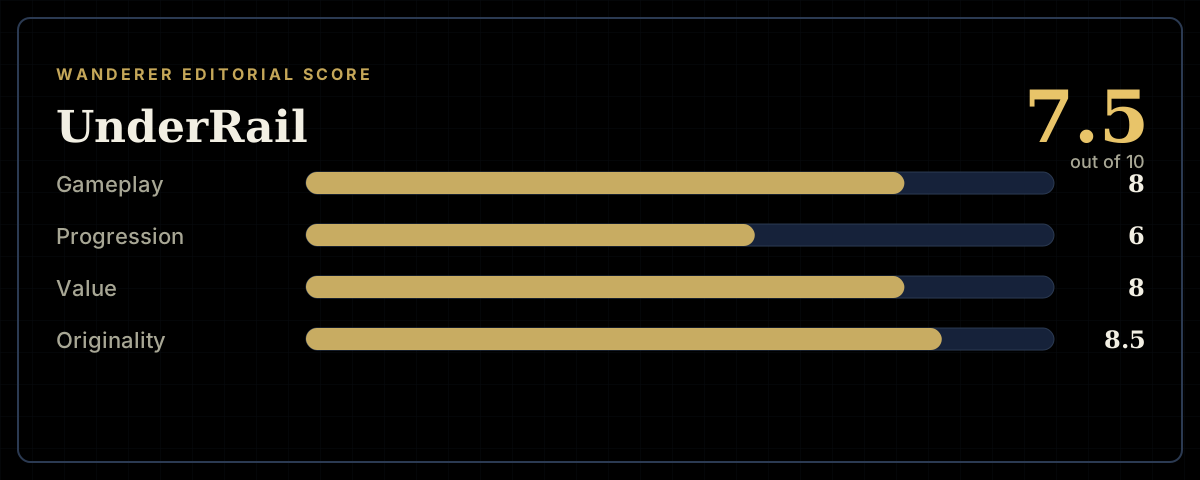
How the review scores each part of the gameWanderer Editorial -
The short versionWanderer Editorial