Game review
Ghostlords
6 / 10
- Developer
- Kyle Rodgers
- Publisher
- Kyle Rodgers
- Released
- 18 November 2016
- Platforms
- Windows
- Genre
- Monster-Catching RPG
- Monetisation
- One-time premium purchase; no DLC, no in-app purchases
- Players
- Single-player only; no online, co-op or PvP modes
The short version
Ghostlords sets a Pokemon-style monster-catching formula in an unusual place: a Great Britain overrun by ghosts after some unexplained apocalypse, where players capture wild spirits and build a team around type-based strengths and weaknesses. Reviewers who like the genre praise a genuinely well-balanced, addictive combat system with real creature personality behind it.
A real, specific complaint recurs, though: of the game's five campaigns, only the first is widely described as feeling complete, with the remaining four reported as thin and under-developed. That account is independently corroborated by the developer's own public update history, which shows a short burst of launch-week patches and one follow-up update before going quiet entirely, consistent with a solo project that ran out of steam before finishing what it set out to build.
Biggest strengths
- A genuinely well-balanced monster-catching combat system, with creature types carrying real strengths and weaknesses that reviewers say never lets any one creature dominate
- A distinctive, memorable setting — a ghost-haunted, post-apocalyptic Great Britain — that sets it apart from more conventional monster-collector premises
- Real personality given to individual creatures, praised specifically by reviewers who otherwise default to comparing the game to Pokemon
Biggest weaknesses
- A real, specific, independently corroborated complaint: of the game's five campaigns, only the first is widely described as complete, with the remaining four reported as thin and under-developed
- The developer's own public update history shows a short burst of patches in the weeks after launch and one follow-up update roughly three months later, then no further public activity — consistent with reviewers' account of an unfinished scope rather than an ongoing work in progress
- A detailed reviewer describes an inconsistent tone, mixing goofy and genuinely dark elements in a way that undercuts what could otherwise have been "something special"
Who it's for: Monster-catching RPG fans, especially Pokemon fans, who want a short, distinctive setting and don't mind an incomplete-feeling scope beyond the first campaign. Less suited to players wanting a fully realized, finished multi-campaign experience.
Our recommendation: Worth trying for the core combat and creature variety, especially discounted — just know going in that most of its advertised campaign content reads as unfinished.
6 / 10
Solo-developed monster-catching RPGs live or die on whether a single person can deliver enough content to fill out a format built around collection and long-term investment. Ghostlords takes the Pokemon-style monster-catching formula somewhere genre peers rarely go: a Great Britain overrun by ghosts following an unexplained apocalypse, where the player captures wild spirits and assembles a team based on typing and strategy rather than raw stats alone. It's a distinctive enough premise that one reviewer describes stumbling onto it entirely by accident under Steam's new-release listings and being immediately won over. What holds up under closer scrutiny, according to this game's own review base, is the combat system underneath that premise — and what doesn't is how much of the advertised game actually got finished.
A genuinely well-balanced core loop
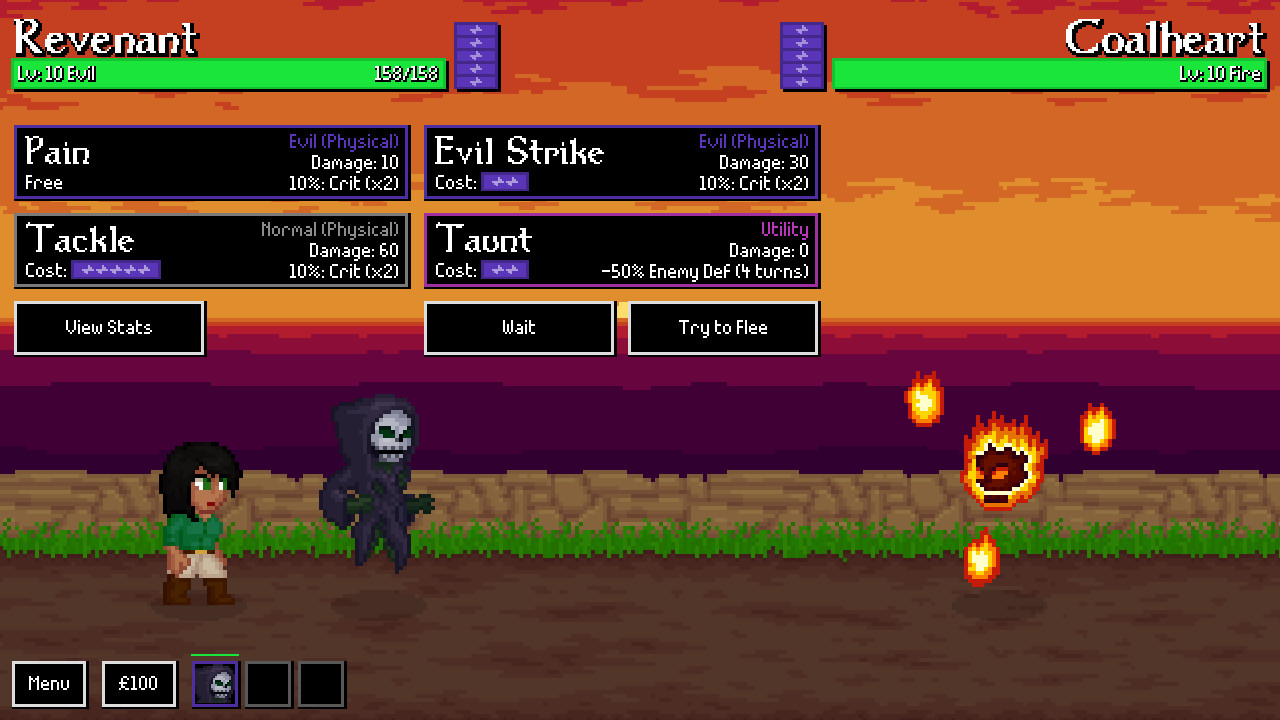
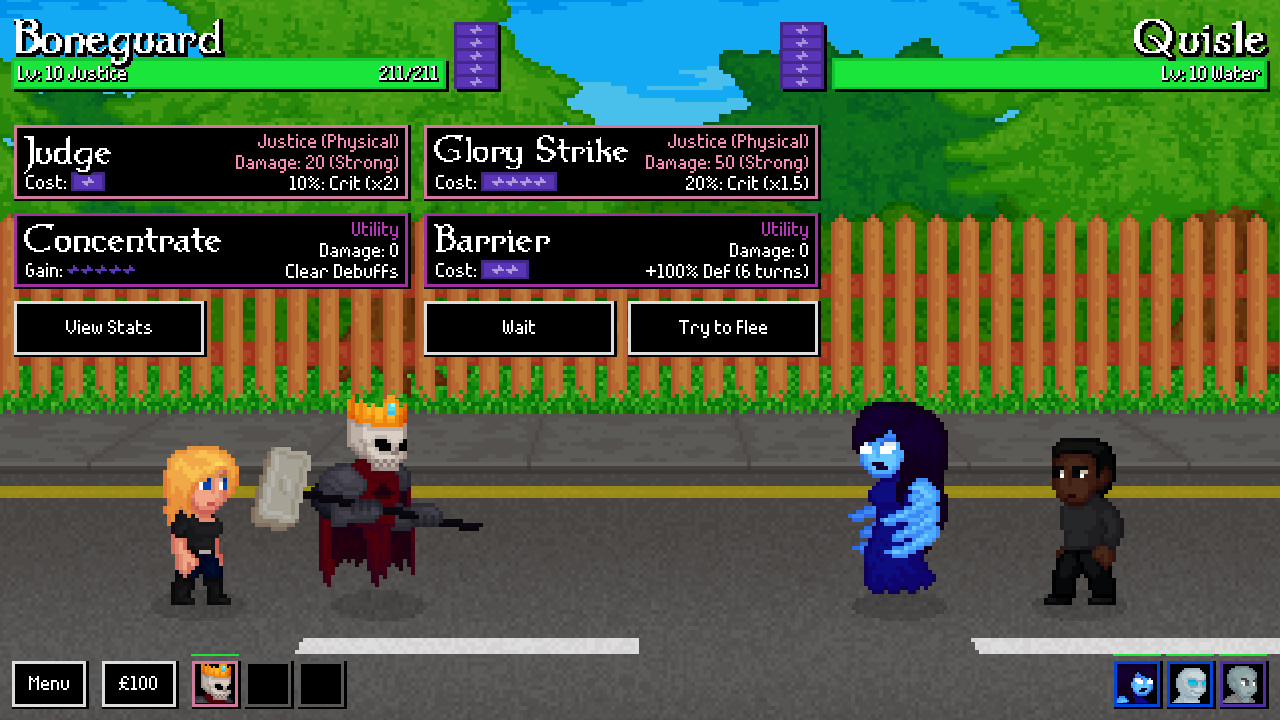
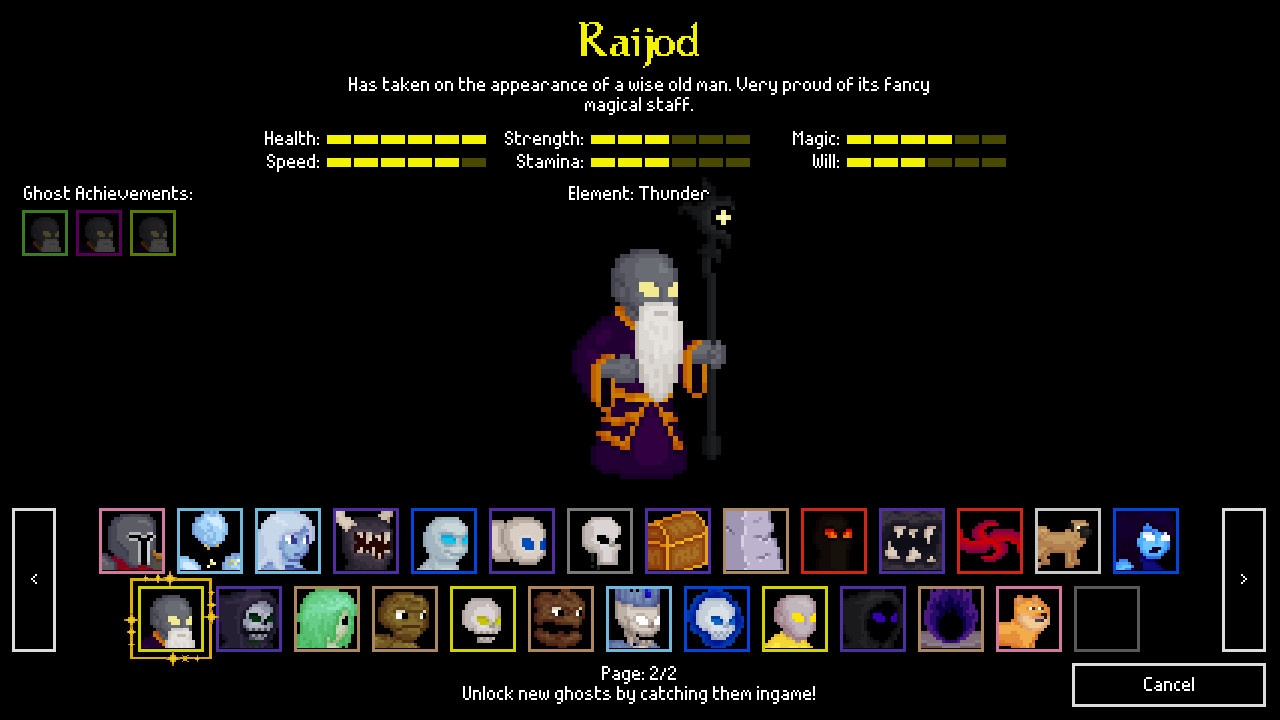
Reviewers who engage seriously with the combat describe real design care behind it. One detailed review calls it "a scenario-based variant of the usual monster-catching RPG formula," praising a "pretty nice variety of creatures, each with their own personality," and noting that while some creatures are clearly stronger than others, a type system with genuine strengths and weaknesses keeps any single creature from dominating every fight. Multiple reviewers reach for Pokemon as the obvious comparison point, and mean it as real praise rather than a lazy shorthand — the type-based strategy and creature variety are specifically credited as working the way that comparison implies they should.
A real, corroborated content gap
Set against that praise is a specific, detailed complaint worth taking seriously rather than treating as one dissatisfied player's outlier view: of the game's five campaigns, only the first is widely described as complete. One detailed reviewer states it plainly: "out of the five campaigns only the first feels complete," arguing the game "has a lot of potential" it doesn't fully use, and that it's "not worth its current" price as a result. A separate, independently written review corroborates the same account, describing "five semi-interlocking 1-hour 'campaigns'" and stating the central story "feels profoundly unfinished." Two independent reviewers converging on the same specific structural description — a five-part campaign where only the opening section is finished — is a stronger signal than either account would be alone.
This isn't just reviewer impression — it lines up with the developer's own public activity. Kyle Rodgers, working solo, shipped a short burst of patches in the days immediately after the November 2016 launch, one further update roughly three months later in February 2017, and then no further public activity on the game's Steam page since. That's consistent with a solo project that had real momentum at launch but never returned to finish the remaining four campaigns' worth of content the game's own structure implies, rather than an actively expanding work in progress.
Tone and presentation, a mixed picture
A related complaint from the same detailed critical review concerns tone: the game mixes goofy and genuinely dark elements in a way this reviewer argues undercuts what could have been "something special" with a more consistent approach. Visual presentation draws a similarly mixed reaction — one reviewer specifically describes it as retro in an "garish, MS-DOS, unpleasant" way rather than charmingly old-school, a distinction worth drawing since not all retro-styled presentation lands the same way with every player.
A pathfinding mechanic reviewers had to figure out for themselves
One reviewer's account is worth including as a small but telling data point about the game's onboarding: they spent real time uncertain whether the colored flags marking the path through each campaign actually meant anything, eventually updating their own review after discovering that color does matter — red flags specifically indicating a chance encounter along the route. That the system works as designed isn't really in question; what's notable is that a reviewer engaged enough to update their own post after figuring it out still had to learn this through trial and error rather than any in-game explanation, consistent with the broader picture of a game whose systems work well but whose finishing polish, tutorialization included, didn't get the same attention as its core combat loop.
What genre fans specifically value here
Even reviewers who love the comparison to Pokemon are honest about the ceiling that comparison implies. One reviewer frames it plainly: "if you like or love playing Pokémon you need to play this game," while immediately cautioning that, "just like Pokémon, Ghostlords may get repetitive after a few replays" once every creature type and campaign has been fully explored. That's a fair, proportionate expectation to set — this is a genre entry built for players who specifically enjoy that particular loop of collection, typing strategy and team-building, not a game trying to expand what the format can do beyond its established boundaries.
Where it lands
Ghostlords built something genuinely worth praising in its core monster-catching combat — balanced, strategic, and populated with creatures that have real personality rather than being interchangeable stat blocks. But the specific, corroborated account that four of its five campaigns never reached completion, backed up by a development history that stopped just months after launch, is a real and serious limitation on what the full price actually buys. Worth a look for the combat system alone, especially at a discount, but go in with realistic expectations about how much of the advertised scope is actually there to explore. Genre fans who accept those limits going in, rather than buying under the impression this is a fully realized five-campaign epic, are the players most likely to walk away satisfied.
Pros and cons
Pros
- A genuinely well-balanced monster-catching combat system, with creature types carrying real strengths and weaknesses that reviewers say never lets any one creature dominate
- A distinctive, memorable setting — a ghost-haunted, post-apocalyptic Great Britain — that sets it apart from more conventional monster-collector premises
- Real personality given to individual creatures, praised specifically by reviewers who otherwise default to comparing the game to Pokemon
- Addictive, fun core combat that reviewers say holds up even when they're critical of the game's broader scope
- Cheap, especially on sale, for the amount of core-loop enjoyment on offer even in its unfinished state
Cons
- A real, specific, independently corroborated complaint: of the game's five campaigns, only the first is widely described as complete, with the remaining four reported as thin and under-developed
- The developer's own public update history shows a short burst of patches in the weeks after launch and one follow-up update roughly three months later, then no further public activity — consistent with reviewers' account of an unfinished scope rather than an ongoing work in progress
- A detailed reviewer describes an inconsistent tone, mixing goofy and genuinely dark elements in a way that undercuts what could otherwise have been "something special"
- Visual presentation is described by at least one detailed reviewer as retro in an unpleasant, "garish, MS-DOS" way rather than charmingly old-school
- Reviewers who complete the available content describe the game as repetitive on further replay, similar to the genre's other entries, once its systems have been fully explored
Screenshots
-
GhostlordsImage: Kyle Rodgers via Steam -
GhostlordsImage: Kyle Rodgers via Steam -
GhostlordsImage: Kyle Rodgers via Steam -
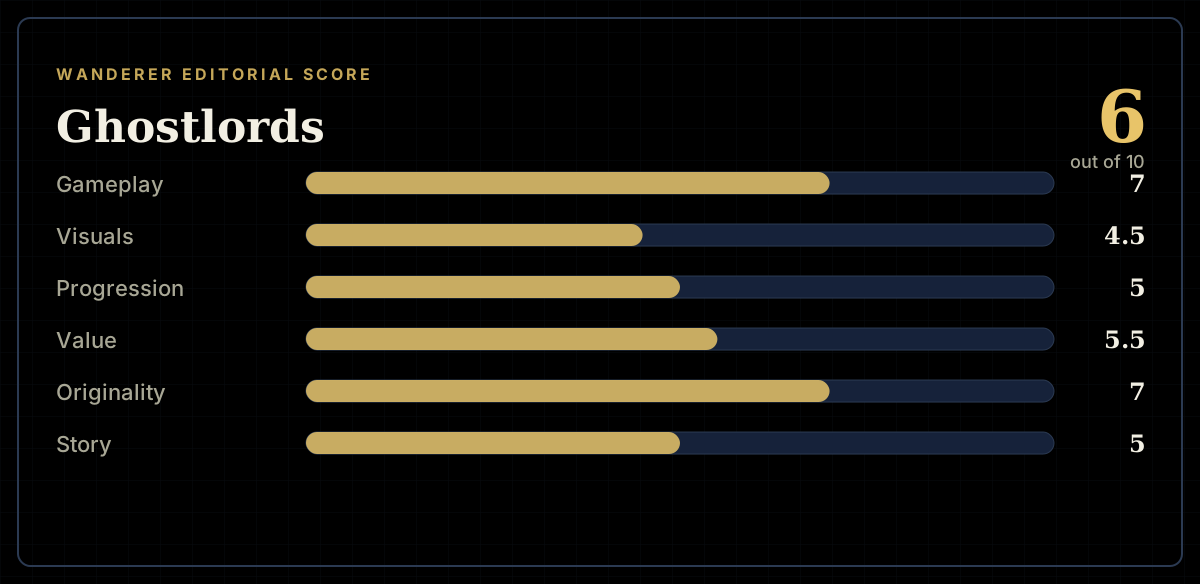
How the review scores each part of the gameWanderer Editorial -
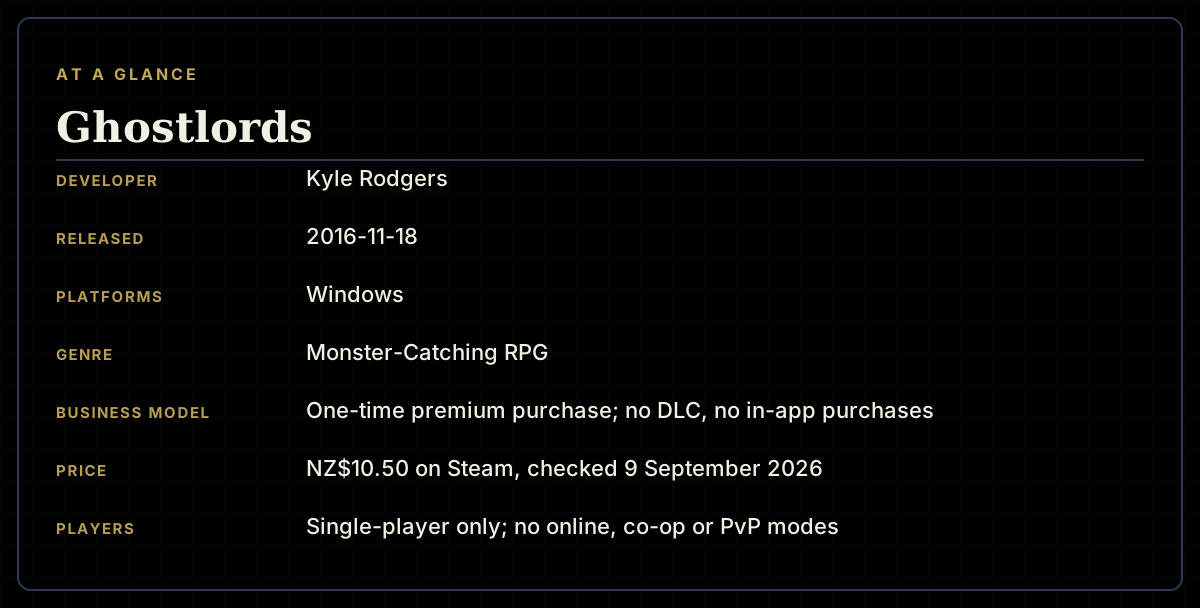
The specsWanderer Editorial -
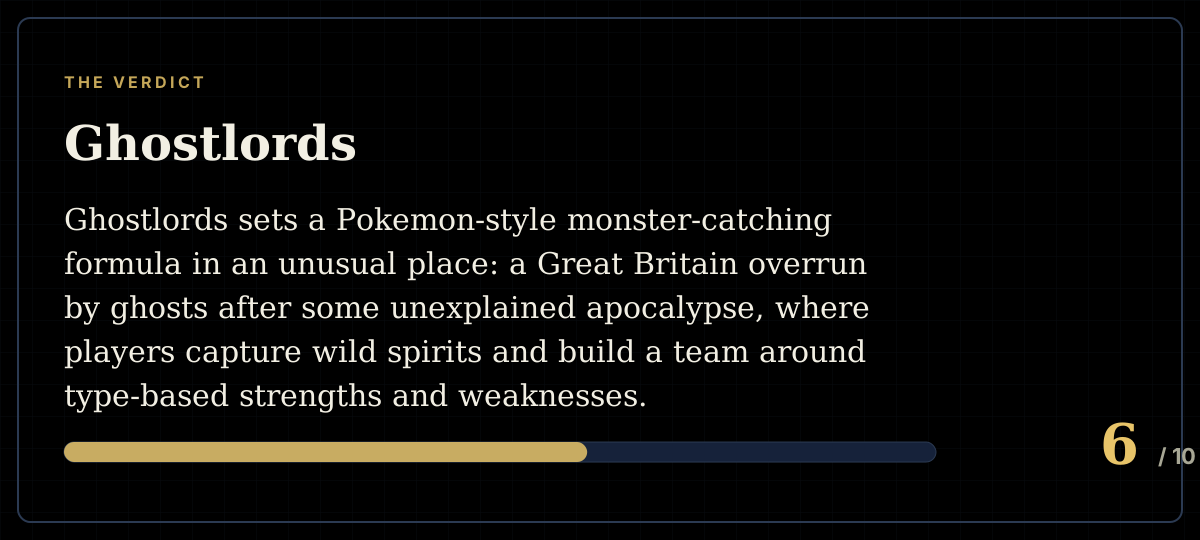
The short versionWanderer Editorial