Game review
TASMON: Taskbar Monsters
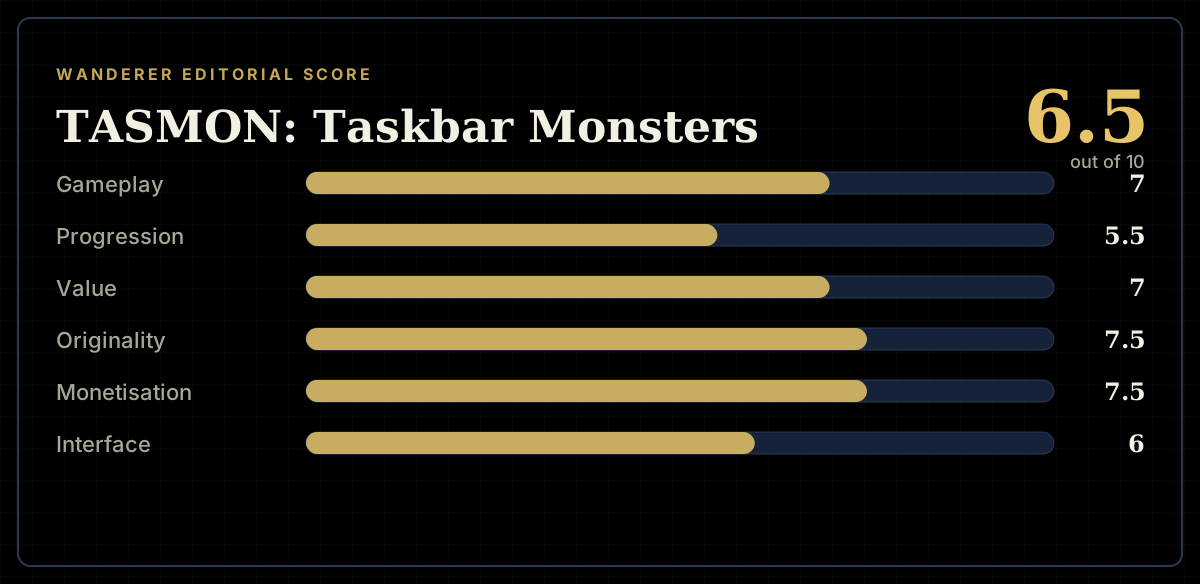
6.5 / 10
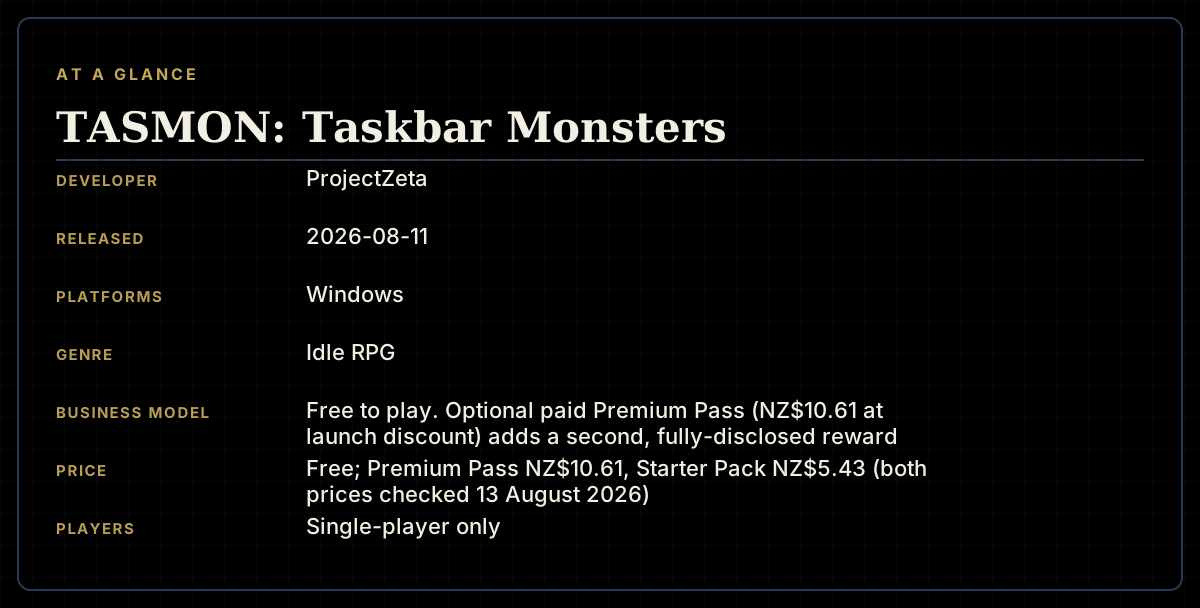
- Developer
- ProjectZeta
- Publisher
- ProjectZeta
- Released
- 11 August 2026
- Platforms
- Windows
- Genre
- Idle RPG
- Monetisation
- Free to play. Optional paid Premium Pass (NZ$10.61 at launch discount) adds a second, fully-disclosed reward track and a modest 1.1x idle-time multiplier the developer states does not raise the achievable power ceiling. Optional cosmetic Starter Packs (NZ$5.43 each) reskin the UI and include fixed, non-randomised starting resources. No loot-box or randomised real-money purchases are listed on the store page.
- Players
- Single-player only
The short version
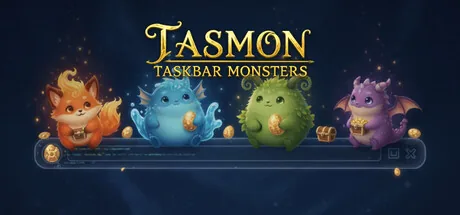
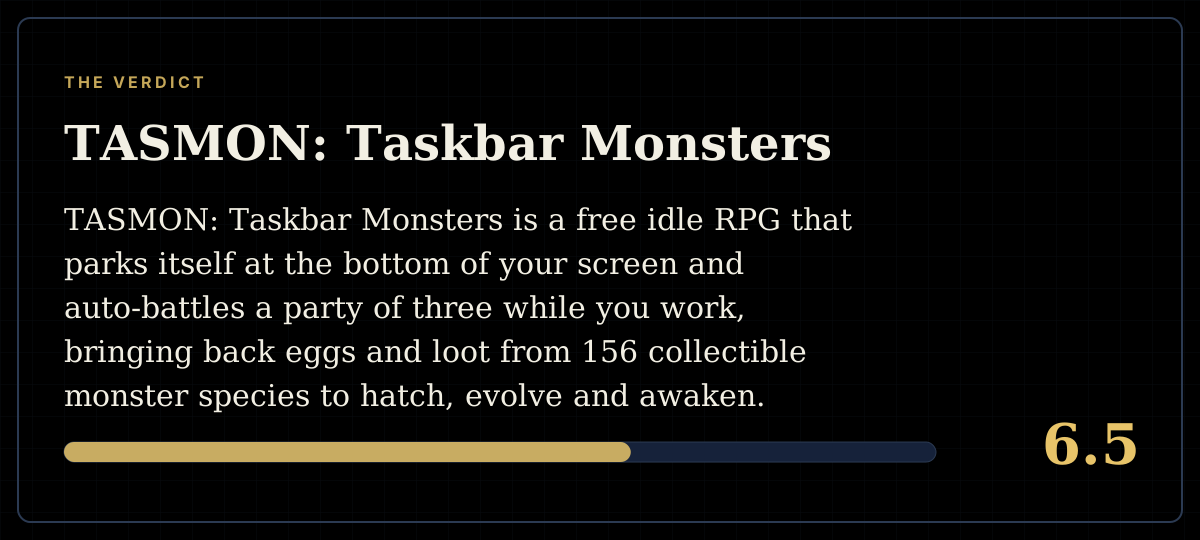
TASMON: Taskbar Monsters is a free idle RPG that parks itself at the bottom of your screen and auto-battles a party of three while you work, bringing back eggs and loot from 156 collectible monster species to hatch, evolve and awaken. It launched 11 August 2026 from solo developer ProjectZeta to a Mixed reception -- 66.7% of 27 reviews -- a real dip from most idle-RPG launches in this genre this year.
What stands out is the monetisation, which is unusually restrained for a free desktop idle game: a fixed-content Premium Pass with every reward listed up front, no randomised real-money purchases, and a developer who states outright that the paid pass "never raises your power ceiling." Set against that, the one substantive English review objects specifically to the game's disclosed use of generative AI in some of its artwork, and several longer-playtime negative reviews (in Japanese, unread here beyond their length and score) suggest problems beyond the opening hours that this review cannot fully characterise.
Biggest strengths
- A genuinely restrained monetisation model for a free idle game -- fully disclosed drop rates, a fixed-content Premium Pass with every reward shown before purchase, and an explicit developer statement that paying doesn't raise the achievable power ceiling
- A distinctive presentation hook: a real idle RPG that runs in the Windows taskbar rather than demanding a maximised window or a phone, matching its own "check in occasionally" design
- 156 collectible species across ten rarity tiers plus a six-stage awakening ladder that turns a maxed monster into a unique, serial-stamped weapon -- a real long-term collection hook
Biggest weaknesses
- Launched to a Mixed reception (66.7% positive of 27 reviews), well below most of this year's idle-RPG launches, and several of the lower-scored reviews come from players with ten to over twenty hours logged rather than a quick bounce
- The one substantive English-language negative review objects specifically to disclosed generative-AI use in some character art, icons and store key art -- a live and unresolved friction point for part of its audience rather than a settled non-issue
- Multiple negative reviews, mostly in Japanese and not independently translated for this review, report substantial playtime before turning negative, suggesting problems that surface only after the opening hours this review's available evidence can characterise
Who it's for: Idle-RPG fans who want something genuinely free to try that sits unobtrusively in the taskbar rather than demanding a phone screen, and who care enough about monetisation ethics to notice when a free game gets it right. Not for players sensitive to generative AI use in game art, or anyone wanting a fully realised, deep monster-collecting system on day one.
Our recommendation: Worth trying since it costs nothing and the monetisation is about as fair as free idle games get -- but go in aware of the Mixed launch reception, the untranslated concerns from a chunk of its Japanese-speaking players who logged well over ten hours before leaving negative reviews, and the disclosed AI-art use if that's a dealbreaker for you specifically.
6.5 / 10
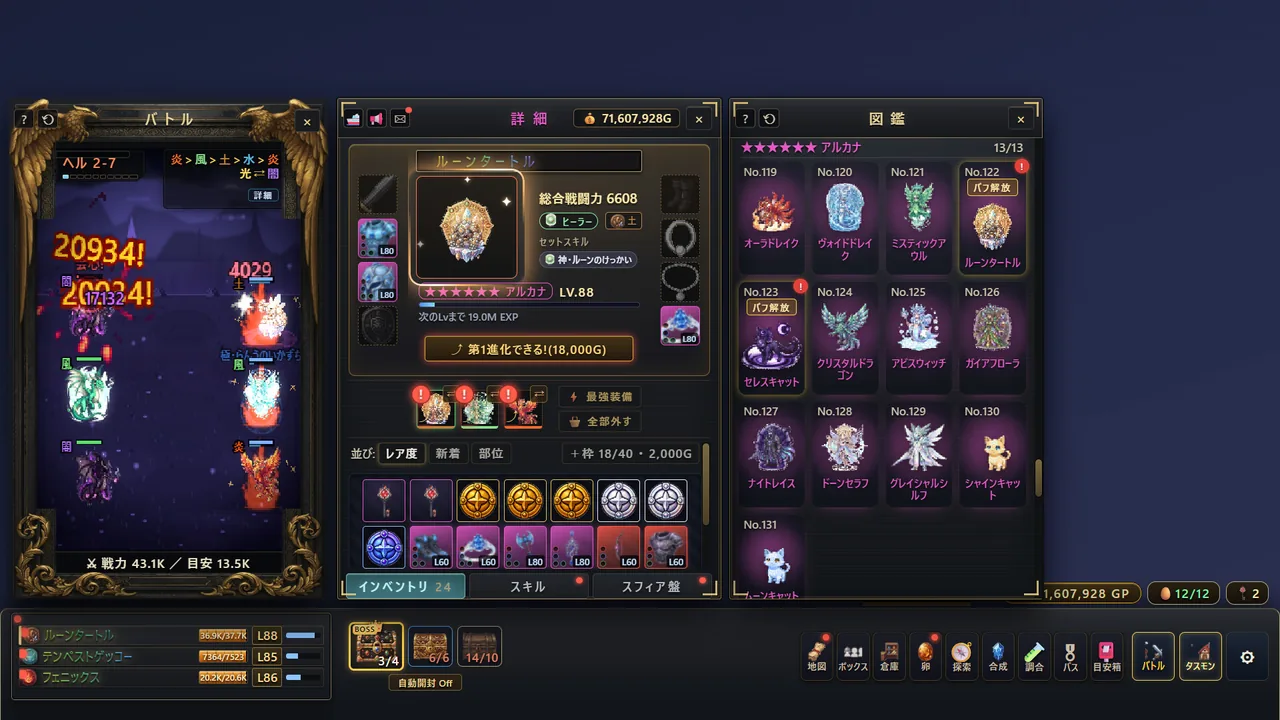
Most idle games ask you to open an app or a browser tab and glance at it now and then. TASMON: Taskbar Monsters takes that logic one step further and just lives there permanently: a small window sitting at the bottom of your screen, next to your clock and system tray, where a party of three monsters auto-battles on its own while you work, sleep or do literally anything else. Pop in occasionally to retune your team, hatch an egg or hunt for a better roll, and that's the entire pitch. It launched free-to-play on 11 August 2026 from solo developer ProjectZeta, and two days later sits at a Mixed 66.7% across 27 reviews -- a real, worth-noting dip against most of this year's other idle-RPG launches, most of which have opened Positive or better.
Free, and actually behaving like it
The most immediately interesting thing about TASMON isn't the taskbar gimmick, appealing as that is -- it's the monetisation, which is unusually honest for a free game in this genre. The optional Premium Pass adds a second reward track alongside the free one rather than replacing or gating it, every tier of both tracks is listed up front with nothing randomised, and its one gameplay effect is a stated 1.1x idle-battle-time multiplier that the developer explicitly says "does not change which enemies you can beat" and "never raises your power ceiling." The optional cosmetic Starter Packs are even more clearly cosmetic: four UI reskins, all confirmed to contain "rewards of the same value," with the store page stating flatly that "nothing in this pack affects combat strength." Core gear drop rates are disclosed in-game rather than hidden behind opaque odds. None of that is flashy, but it's a genuinely different posture from the loot-box-adjacent monetisation this readership is usually warning people about in free idle and mobile RPGs, and it's worth crediting on its own terms -- a free game that can be enjoyed and even fully engaged with the Premium track without spending a cent, by the developer's own explicit design.
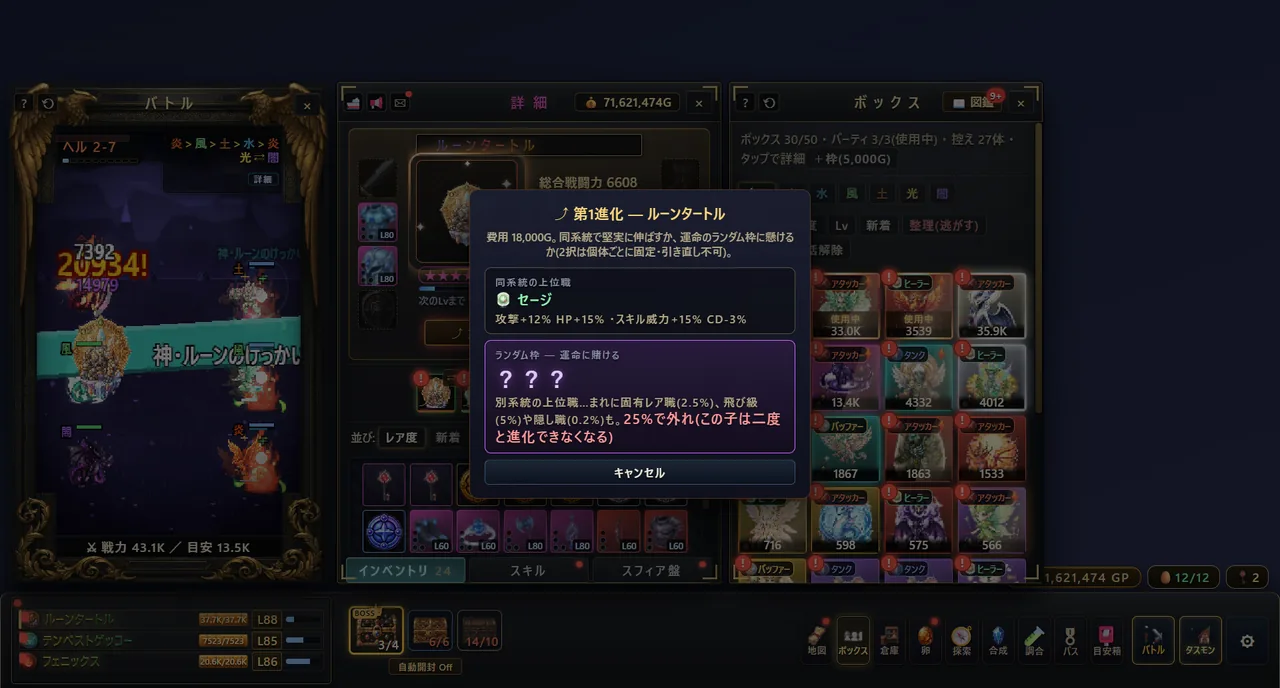
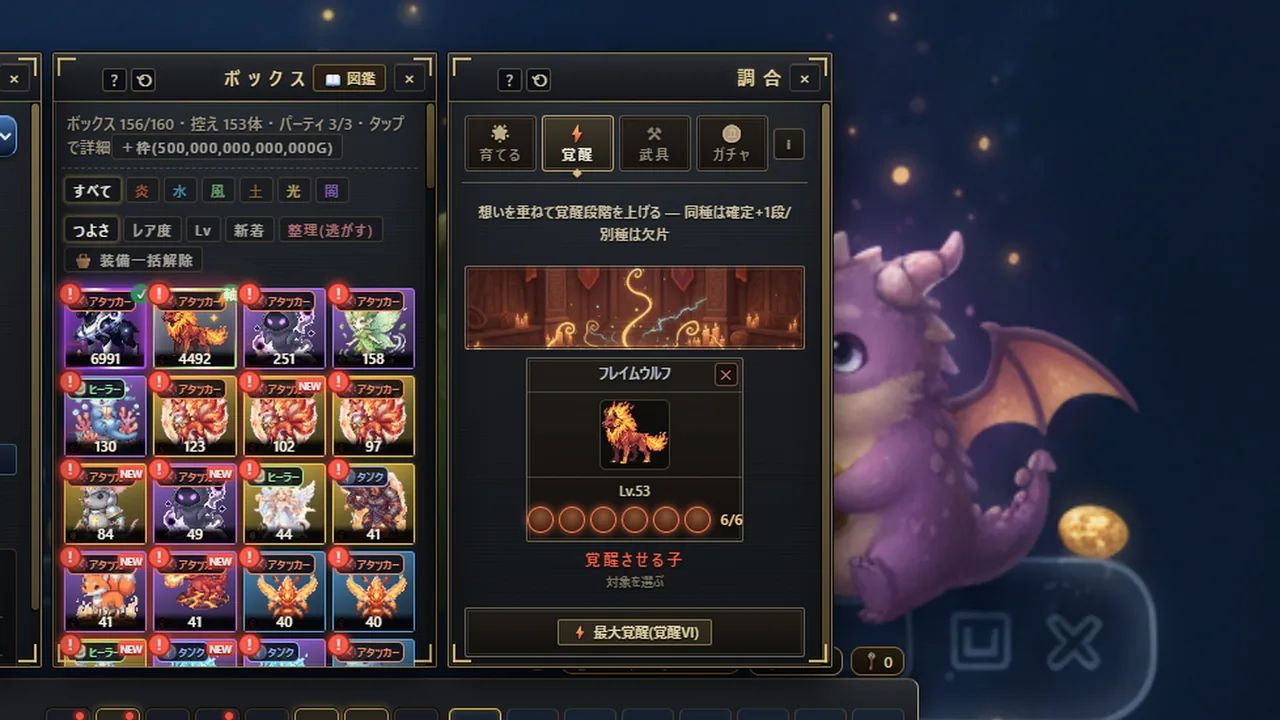
The collection layer underneath is reasonably substantial for a free release: 156 species across ten rarity tiers, deliberately weighted so fewer species sit at the top and chasing a specific rare one keeps its value, plus a six-stage awakening ladder where a maxed monster of the right species can ascend into a unique, serial-numbered weapon that "exists nowhere else in the world." An elemental type cycle -- fire, water, wind, earth, plus light and dark -- adds a light strategy layer on top of the auto-battling, with four escalating difficulty tiers (Normal through Torment) for players who want more than pure idling to chew on.
A Mixed launch, and not just from a quiet minority
Set against that genuinely considered monetisation, the reception so far is more mixed than the design deserves credit for, and it's worth being straightforward about why this review can only partly explain it. Of TASMON's 27 total reviews, the large majority are in Japanese, and several of the negative ones among them come from players with substantial playtime logged -- multiple in the 800-to-1,300-minute range, meaning 13 to over 20 hours invested before landing on a negative verdict. That pattern -- long playtime followed by a negative review -- is usually a stronger signal than a quick bounce, but this review does not have independently translated text for those reviews and can't respond to specifics because of it; flagged here plainly rather than guessed at.
What can be reported directly is the one substantive English-language complaint, and it's a real one: "Don't support AI slop... Gen AI was used in multiple artworks and character designs," reads the review, which matches the store page's own disclosure that "some character art, icons, and store capsule/key-art images in this game were created with the help of generative AI tools (Google Gemini)," reviewed and edited by the developer. That disclosure is Steam-mandated and honestly made -- ProjectZeta isn't hiding it -- but it's clearly landing as a dealbreaker for at least part of the audience, and it's a live, unresolved friction point rather than a settled non-issue for a genre whose art-asset density (156 species, ten rarity tiers) makes AI-assisted production an obvious temptation for a small team. A second, smaller complaint -- one reviewer flagging "several translation issues that need to be fixed" -- is a more mundane but still real polish gap for a game explicitly designed to be glanced at throughout every working day.
The English-language positive reviews, for what it's worth, are genuinely positive rather than grudging: "the devs are trying to communicate with their playerbase and make the changes that their gamers want to see," reads one 15-hour review, while flagging egg drop rates as needing a rework -- a specific, constructive complaint rather than a broad dismissal. "A simple, cute idle game you can keep an eye on while working," reads another. Steam does not currently list any achievements for TASMON, which is unusual for a 2026 release and limits this review's ability to independently cross-check reported progression against a completion curve, the way most other reviews in this lane can.
6.5 out of 10. TASMON: Taskbar Monsters gets something genuinely right that most free idle games don't bother with -- fully disclosed odds, a fixed-content pass, and a developer stating plainly that paying doesn't buy power -- and the taskbar-native format is a real, distinctive hook worth trying since it costs nothing. But it launched into a Mixed reception rather than the warm welcome its monetisation model arguably earned, with a disclosed AI-art complaint that will matter to some players more than others, and enough longer-playtime negative reviews in an untranslated language that this review can only flag the pattern rather than fully explain it. A fair free download for idle fans who want to see the format for themselves, with eyes open about where the friction is coming from.
Pros and cons
Pros
- A genuinely restrained monetisation model for a free idle game -- fully disclosed drop rates, a fixed-content Premium Pass with every reward shown before purchase, and an explicit developer statement that paying doesn't raise the achievable power ceiling
- A distinctive presentation hook: a real idle RPG that runs in the Windows taskbar rather than demanding a maximised window or a phone, matching its own "check in occasionally" design
- 156 collectible species across ten rarity tiers plus a six-stage awakening ladder that turns a maxed monster into a unique, serial-stamped weapon -- a real long-term collection hook
- An active weekly-update cadence built around an in-game suggestion box, with at least one reviewer confirming the developer is visibly responsive to player feedback
Cons
- Launched to a Mixed reception (66.7% positive of 27 reviews), well below most of this year's idle-RPG launches, and several of the lower-scored reviews come from players with ten to over twenty hours logged rather than a quick bounce
- The one substantive English-language negative review objects specifically to disclosed generative-AI use in some character art, icons and store key art -- a live and unresolved friction point for part of its audience rather than a settled non-issue
- Multiple negative reviews, mostly in Japanese and not independently translated for this review, report substantial playtime before turning negative, suggesting problems that surface only after the opening hours this review's available evidence can characterise
- At least one reviewer flags translation issues in the English-language text, undercutting the polish of a game explicitly built to be glanced at throughout the day
Screenshots
-
TASMON: Taskbar MonstersImage: ProjectZeta via Steam -
TASMON: Taskbar MonstersImage: ProjectZeta via Steam -
TASMON: Taskbar MonstersImage: ProjectZeta via Steam -
How the review scores each part of the gameWanderer Editorial -
The essentialsWanderer Editorial -
The short versionWanderer Editorial