Game review
Siralim 2
7.5 / 10
- Developer
- Thylacine Studios
- Publisher
- Thylacine Studios LLC
- Released
- 12 August 2016
- Platforms
- Windows, macOS, Linux
- Genre
- Monster-Collecting RPG
- Monetisation
- One-time premium purchase; no DLC, no in-app purchases
- Players
- Single-player only; no online, co-op or PvP modes
The short version
Siralim 2 asks players to summon, customize and breed hundreds of creatures while descending procedurally generated dungeons that genuinely never end. Reviewers reach for beloved genre touchstones — Dragon Quest Monsters, Pokemon, Dragon Warrior Monsters — and consistently argue this indie entry matches or exceeds them on sheer systemic depth, backed by over 600 tracked Steam achievements confirming just how much content is actually here.
A detailed, specific critique from a reviewer clearly devoted to the original Siralim complicates that picture: three concrete complaints argue this sequel's breeding system, progression currency and creature balance all took real steps backward from what made the first game work, rather than simply iterating on it. It's a sequel-specific critique worth taking seriously alongside the otherwise glowing reception, not a generic "harder than expected" complaint.
Biggest strengths
- Extraordinary systemic depth for a genre often criticized for shallow endgames — hundreds of creatures to collect, breed and customize, with reviewers consistently comparing the complexity favorably to established genre giants like Dragon Quest Monsters and Pokemon
- A genuinely "endless" structure by design, with procedurally generated dungeons and over 600 tracked Steam achievements confirming a massive amount of real, non-padded content
- Reviewers specifically praise active, responsive development, citing it as a reason to trust continued investment in the game
Biggest weaknesses
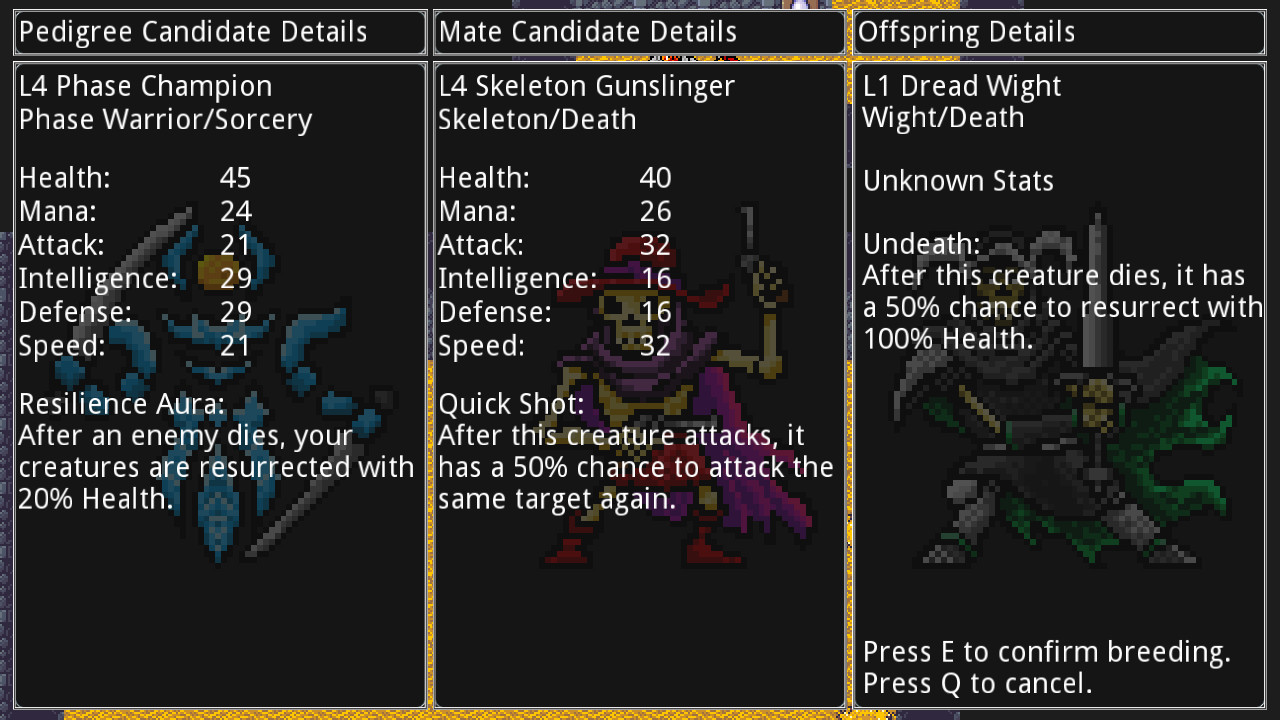
- A detailed, specific critique from a reviewer with deep history in the original Siralim argues the sequel's breeding system requires resource-costly grinding to experiment with creature combinations, unlike the free-to-experiment fusing systems of comparable genre entries
- The same review argues the reworked progression currency (Deity points, tied to lengthy per-god quest chains) feels more like a grind than the original game's more immediately rewarding Royalty point system
- A related complaint argues ability rebalancing across creatures left many feeling functionally similar to each other, reducing the sense of meaningfully distinct builds some players came to the sequel expecting
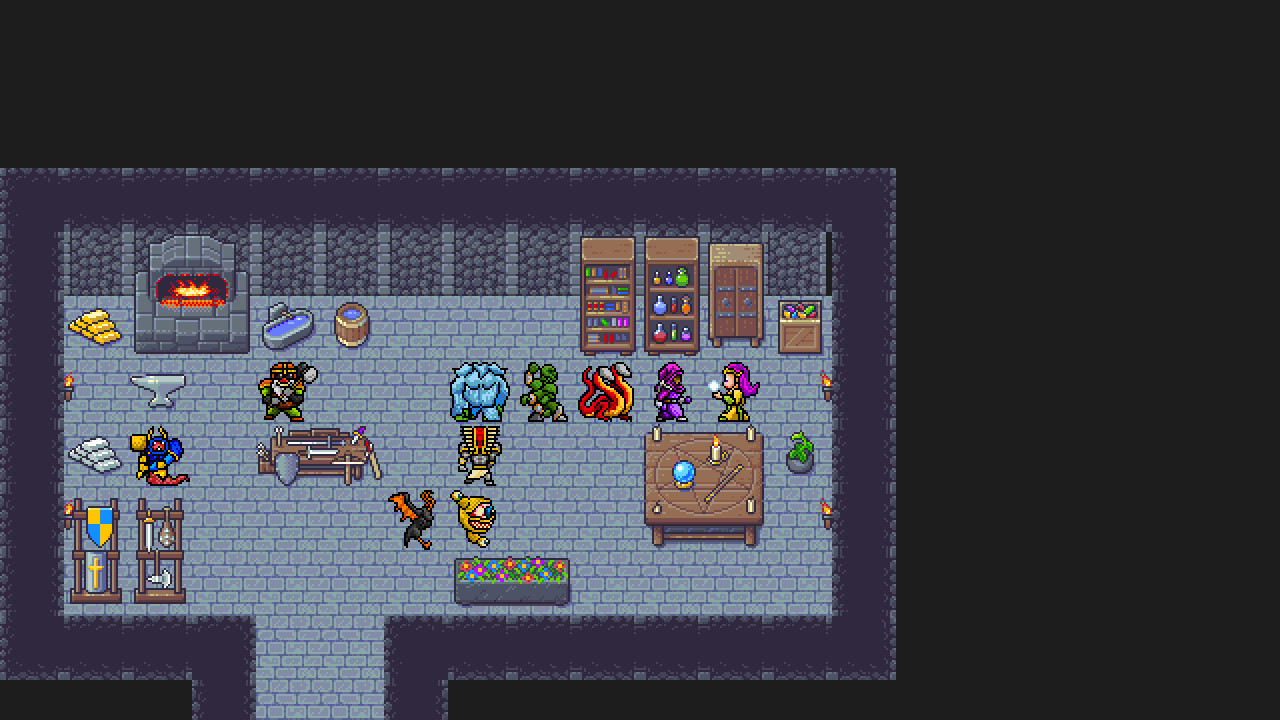
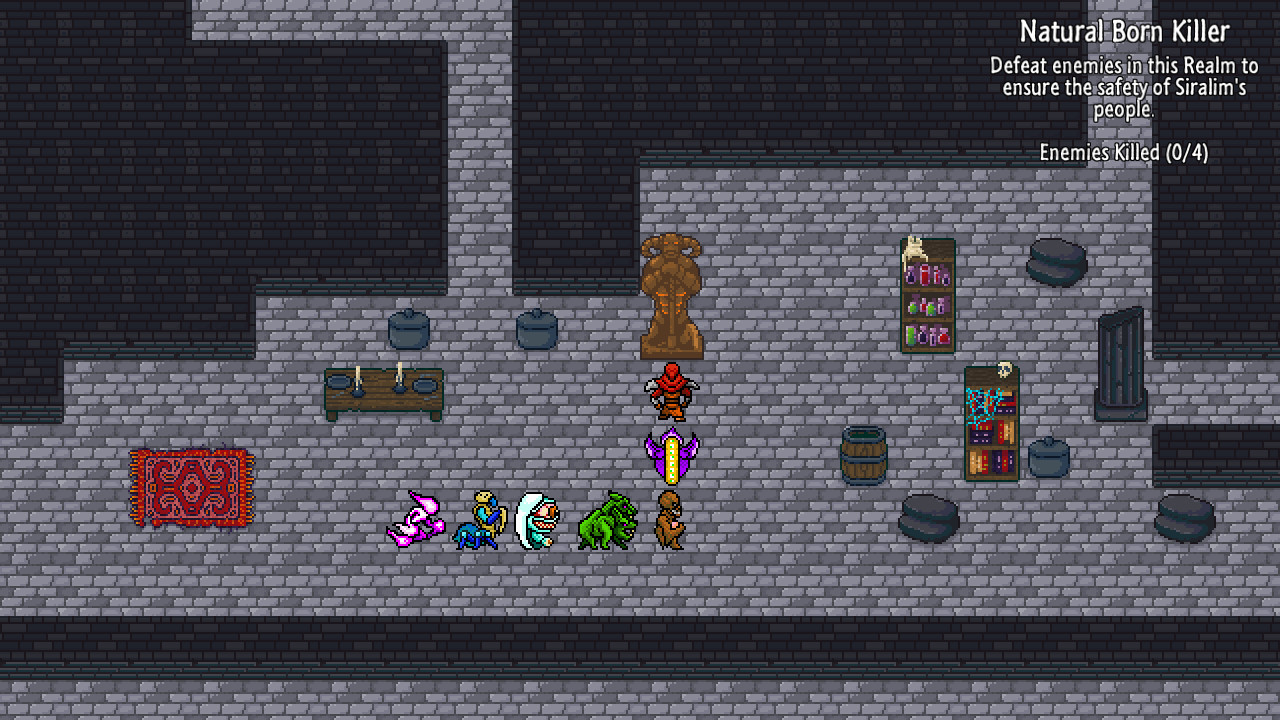
Who it's for: Monster-collecting RPG fans who want genuinely deep, long-term systems and don't mind a dated, self-consciously niche visual style. Less suited to players who want a short experience or who specifically loved the original Siralim's economy and are sensitive to what changed.
Our recommendation: A genuinely excellent pickup for monster-collector RPG fans looking for real depth over flashy presentation — Siralim 1 veterans specifically should read up on what changed before assuming this sequel is a straightforward improvement.
7.5 / 10
Monster-collecting RPGs live or die on how deep their systems go once the novelty of a first creature capture wears off. Siralim 2 doesn't hide what it's chasing: reviewers reach for beloved monster-collecting touchstones constantly, comparing it to Dragon Quest Monsters, Pokemon and Dragon Warrior Monsters, and consistently arguing it earns those comparisons through sheer systemic depth rather than surface-level resemblance. One reviewer describes it as Dragon Warrior Monsters "if it was left to evolve for an eternity in another dimension" — a monster battler with a JRPG's structure and a roguelike's depth, built around genuinely endless procedurally generated dungeons rather than a fixed campaign with a defined end.
A genuinely endless game, and reviewers mean that literally
The praise here isn't vague enthusiasm — it's specific and systems-focused. Reviewers list "befriend, equip, level, and breed" hundreds of creatures, deep customization across a kingdom management layer, and party-composition strategy with real variation between builds. Steam's own achievement data backs up the scale of what's being described: over 600 tracked achievements, with early milestones sitting comfortably above 70-85% of the playerbase and a long, gradual tail declining to the deepest completion goals sitting under 1% — evidence of a game built for genuine long-term investment rather than padded with achievements for their own sake. One reviewer specifically credits "active devs" as a reason for confidence in the game's continued life, a note that recurs across the sample.
A specific, sequel-focused critique worth taking seriously
Set against that praise is one of the most detailed, comparison-driven reviews in the sample, written by someone who states plainly they're "very passionate about Siralim 1." Rather than a generic complaint, the review lays out three specific, concrete arguments for why this sequel feels like a step back from its predecessor. First, breeding (the sequel's version of "fusing" creatures together) costs real, grindable resources, unlike free-to-experiment fusing systems in comparable games — meaning testing a new creature combination costs time rather than being immediate and playful. Second, the reworked progression currency (Deity points, earned through lengthy per-god quest chains) is argued to feel like a slower grind than the original's more immediately rewarding Royalty point system. Third, ability rebalancing across the creature roster is described as leaving many creatures feeling functionally similar to each other, reducing the sense of build diversity a veteran player expected from the sequel specifically. This is a fundamentally different kind of critique than "the game is too grindy" — it's a direct, informed comparison arguing specific systems regressed between two versions of the same game, from someone who clearly has the history to make that comparison meaningfully.
Honest about where the tactical depth actually lives
One of the more even-handed reviews in the sample draws a useful distinction worth passing along directly: the game's real strategic depth lives in party-building and creature-trait synergy outside of combat, not necessarily in the combat itself. As that reviewer puts it, most non-boss fights devolve into finding a party composition safe enough to "hold down the attack button and just have all of your creatures cycle through" — acknowledged plainly as "pretty lame because it is." The tactical decision-making the genre promises shows up more reliably in boss fights and in the upfront work of building a team than in the bulk of routine combat, which is a fair expectation to set rather than assume every encounter demands full attention.
A niche the fanbase embraces on its own terms
Worth noting plainly: this is not a game selling itself on presentation, and its own most devoted fans say so directly. "Outdated graphics but, on those games, nobody give a [care] about graphics," one reviewer states, framing the visual style as simply beside the point for the audience this game is actually for. The grind that defines the genre gets the same honest treatment — reviewers describe it as "rewarding" and "challenging" as often as they acknowledge it "may find the grind exhausting" for players not already sold on the genre's core loop. That kind of unvarnished self-awareness from the fanbase is itself a useful signal: this is a game whose reception isn't built on hype outpacing the actual experience.
A franchise still growing around the same core idea
Siralim 2 is the second entry in a series Thylacine Studios has continued to build on well past this release, extending the same "endless dungeon, endless collection" formula into later numbered sequels. That ongoing commitment lines up with reviewers' repeated praise for active, responsive development, and it's a useful reminder that this specific entry sits partway through a studio's long-term investment in the same core idea rather than as an isolated, one-off release — context worth having before deciding whether to start here or with whichever entry the developer currently considers most refined.
Where it lands
Siralim 2 earns its Very Positive reputation on the strength of genuinely rare systemic depth for its price point, backed by achievement data that confirms the scale reviewers describe rather than just asserting it. The detailed, comparison-driven critique from a Siralim 1 veteran is specific enough to weigh seriously, particularly for anyone coming to this sequel with strong memories of the original's economy — but for players new to the series, none of that changes what's actually on offer here: one of the deepest, most genuinely endless monster-collecting RPGs available for the price, dated visuals and grind included as part of the deal rather than despite it.
Pros and cons
Pros
- Extraordinary systemic depth for a genre often criticized for shallow endgames — hundreds of creatures to collect, breed and customize, with reviewers consistently comparing the complexity favorably to established genre giants like Dragon Quest Monsters and Pokemon
- A genuinely "endless" structure by design, with procedurally generated dungeons and over 600 tracked Steam achievements confirming a massive amount of real, non-padded content
- Reviewers specifically praise active, responsive development, citing it as a reason to trust continued investment in the game
- Extremely strong value for the price given the sheer scope of systems and hours of content on offer
- A real niche identity fans embrace explicitly rather than apologize for — several reviewers note the dated graphics don't matter to the genre's core audience
Cons
- A detailed, specific critique from a reviewer with deep history in the original Siralim argues the sequel's breeding system requires resource-costly grinding to experiment with creature combinations, unlike the free-to-experiment fusing systems of comparable genre entries
- The same review argues the reworked progression currency (Deity points, tied to lengthy per-god quest chains) feels more like a grind than the original game's more immediately rewarding Royalty point system
- A related complaint argues ability rebalancing across creatures left many feeling functionally similar to each other, reducing the sense of meaningfully distinct builds some players came to the sequel expecting
- The grind that defines the genre is acknowledged by fans themselves as a genuine double-edged sword — rewarding for the audience that wants it, potentially exhausting for anyone who doesn't
- Visual presentation is openly, repeatedly described as dated even by the game's own fans, which may be a barrier for players who weigh production values heavily
Screenshots
-
Siralim 2Image: Thylacine Studios LLC via Steam -
Siralim 2Image: Thylacine Studios LLC via Steam -
Siralim 2Image: Thylacine Studios LLC via Steam -
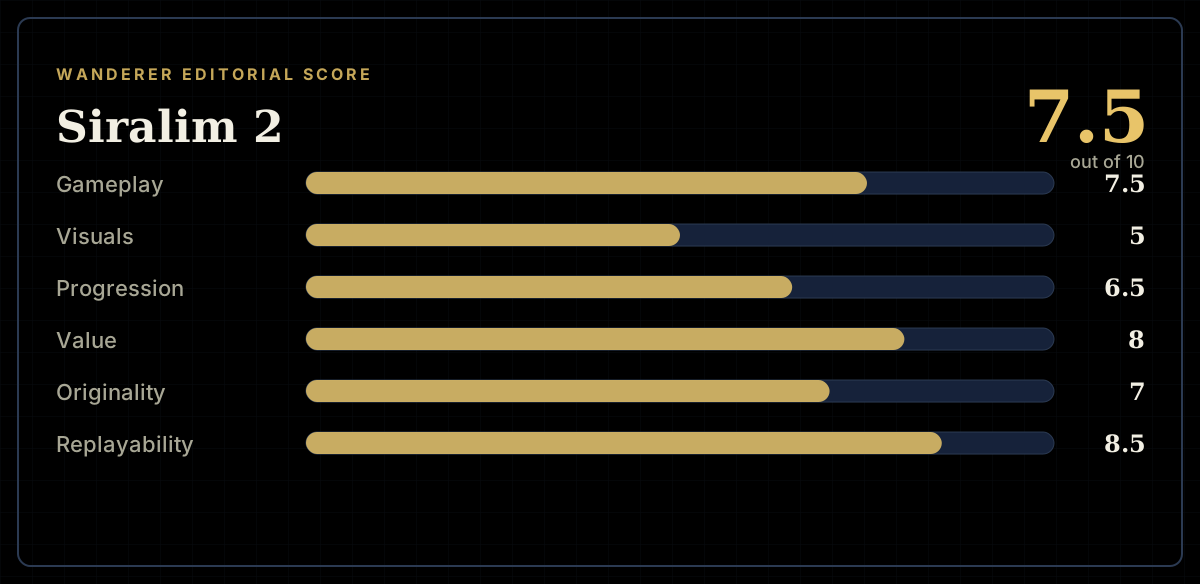
How the review scores each part of the gameWanderer Editorial -
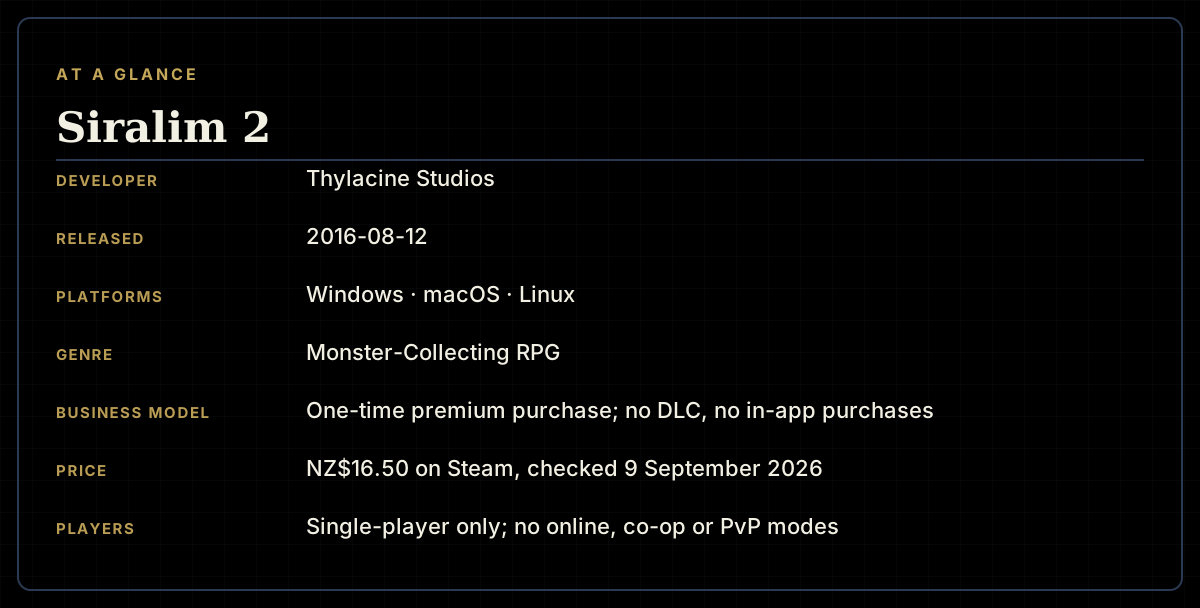
The specsWanderer Editorial -
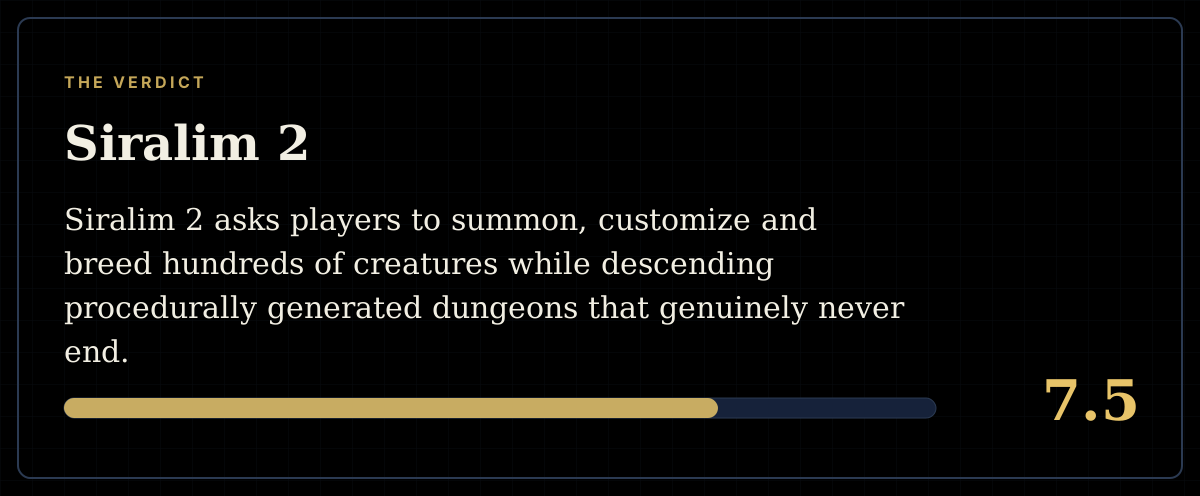
The short versionWanderer Editorial