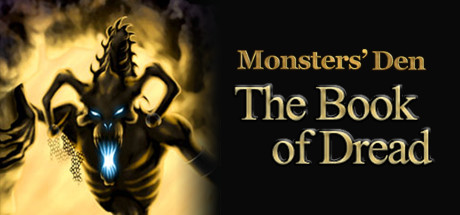
Game review
Monsters' Den: Book of Dread
6.5 / 10
- Developer
- Dan Stradwick (Monstrum)
- Publisher
- Monstrum
- Released
- 11 May 2008
- Platforms
- Windows, macOS, Linux
- Genre
- Turn-Based Dungeon Crawler
- Monetisation
- One-time premium purchase; the free browser original remains available on multiple Flash-game sites
- Players
- Single-player only; no online, co-op or PvP modes
The short version
Monsters' Den: Book of Dread began as a free Flash browser game in 2008, and its Steam "remaster" changes remarkably little — reviewers who grew up playing it on Kongregate and Armor Games describe genuine, specific nostalgia, and several favorably compare its randomized loot and boss variety to Darkest Dungeon, specifically without that game's grind and harsher RNG.
A detailed, differently positioned reviewer offers a useful counterweight worth taking seriously: coming to the game with no memory of the free original, they argue it comes up short as a standalone modern RPG — simple, functional, but lacking the style, atmosphere and storytelling depth of genre peers, and observe that most of the glowing reviews trace directly back to nostalgia rather than judging the game purely on its current-day merits. A related, more concrete complaint notes the Steam version barely differs from the still-freely-available browser original.
Biggest strengths
- A well-loved core loop of randomized dungeon runs, boss variety, and loot hunting that reviewers who grew up with the free browser version describe with real, specific nostalgic affection
- Multiple reviewers favorably compare it to Darkest Dungeon specifically for lacking that game's more punishing grind and RNG frustration, while keeping a similar tactical core
- Genuine replayability through randomized dungeon layouts and enough build variety to make repeated runs feel different
Biggest weaknesses
- A detailed, non-nostalgic reviewer argues the game is simple and functional but lacking in style, atmosphere and storytelling depth relative to genre peers, and specifically observes that most of the glowing reception traces back to nostalgia for the free original rather than the game's standalone current-day merits
- Multiple reviewers confirm the Steam version is nearly identical to the still-freely-available browser original, down to leftover UI text that wasn't updated for the new release
- Achievement data shows a notably steep completion curve — even the easiest tracked milestone sits under 40%, and full campaign completion sits under 3% — a sharper drop-off than the "short, simple coffee-break game" framing might suggest
Who it's for: Fans of the free browser original wanting to support the developer and preserve progress, and dungeon-crawler fans who want a short, loot-focused "coffee break" RPG without Darkest Dungeon's harsher grind. Less suited to players seeking real atmosphere, story or standalone-modern production values.
Our recommendation: A fair, cheap purchase to support the developer if you already love the browser original — but newcomers judging it purely on today's genre standards should know it's an essentially unmodified 2008 web game, not a modernized remaster.
6.5 / 10
This is now the second former-Flash-game entry this lane has covered where reviewers openly, unprompted, point buyers toward a still-available free version before recommending the paid one — worth reading as a sign of genuine reviewer honesty rather than a reason to skip the purchase. Monsters' Den: Book of Dread has an unusually simple history for a Steam listing: it's a Flash browser game from 2008, sold here in what's billed as a remastered form but described by multiple reviewers as barely different from the version still freely playable on Kongregate and Armor Games. That framing matters for how to read this game's Very Positive reception, because the reasons reviewers give for loving it are specific, and specifically nostalgic.
A genuinely beloved classic, mostly unchanged
Reviewers who encountered this as students describe it in personal, vivid terms — one recalls signing up for computer classes specifically to play it "secretly in a corner." What they praise holds up in description: randomized dungeon runs, a real variety of boss encounters, and loot hunting deep enough to keep repeated playthroughs interesting. Several reviewers make a specific, favorable comparison to Darkest Dungeon, praising this game for delivering a similar tactical dungeon-crawling core "without all the mindnumbing grind... or the [frustrating] RNG" that game is sometimes criticized for. The Steam version does add real, if modest, quality-of-life improvements over the free original — selling unwanted gear without a vendor trip, and persistent saves that don't depend on browser cookies.
A detailed case for judging it without nostalgia
The most valuable review in this sample comes from someone explicitly without that nostalgic attachment, and their argument is worth engaging directly rather than dismissing as an outlier. They state plainly that most of the glowing reviews come from people who remember the free browser version as children, and that evaluated purely as "a standard RPG/dungeon crawler relative to all of the similar games I have played," it "comes up short" — simple and functional, but lacking the style, atmosphere and storytelling that would make it compelling on its own terms today. That's a meaningfully different critique than "this game is bad" — it's a specific claim about how much of this game's reception is actually about the game itself versus the memory of playing it for free as a kid, and it's corroborated by a separate, more concrete observation from another reviewer that the Steam release is "pretty much identical to the website version," down to leftover interface text that wasn't updated for the paid release.
What the completion data adds
Steam's own achievement data offers a useful, if ambiguous, data point on how the "short, coffee-break" framing holds up in practice. Even the single easiest tracked milestone sits under 40% of the playerbase, and full campaign completion sits under 3% — a notably steep curve for a game several reviewers describe as short and simple. That could reflect genuine difficulty, or it could support the skeptical reviewer's account of losing motivation after a few hours once "I have seen everything it has to offer" — this review can't fully distinguish between those readings from the data alone, but the steepness itself is worth noting rather than assuming the game is as quickly conquered as its "coffee break" framing implies.
Part of a small, dedicated franchise's continued life
This remaster began, per one reviewer, as a Kickstarter backer reward before its wider Steam release — a franchise-continuation detail worth noting, since the same reviewer mentions looking forward to a planned follow-up entry in the same series. That's a smaller-scale version of the "still-active small studio" pattern seen elsewhere in this lane: a solo or small-team developer who built a genuine following around a specific browser-game franchise years ago and has kept building on it in small, sustainable ways rather than either abandoning it or scaling it into something unrecognizable.
An honest recommendation, same as its Flash-era peers
Like crystal-story-ii earlier in this lane, reviewers here are explicit and unprompted about the free alternative: "You can find the full game for free on a number of different websites," one top-voted review states plainly, immediately followed by the reviewer's own choice to pay anyway specifically to support the developer and get fullscreen play. That's a second confirmed instance of this session's "reviewers proactively point buyers to the free original, then explain why they personally paid anyway" pattern — a genuinely consistent, honest thread running through how this particular corner of former-Flash-game reviews frames a purchase decision.
Where it lands
Monsters' Den: Book of Dread earns real, specific affection from players who grew up with it, and that affection isn't manufactured — the underlying loot-and-boss loop genuinely holds up well enough to justify the comparisons to more modern genre entries. But the detailed case for judging it without that nostalgic lens is fair and worth taking seriously: this is, by multiple reviewers' own account, an essentially unmodified 2008 browser game rather than a meaningfully modernized remaster, and a newcomer with no history with the original should calibrate expectations accordingly rather than assume "remastered" implies more changed than it actually is. The skeptical reviewer's own suggested alternatives — Darkest Dungeon for atmosphere, Lords of Xulima for a deeper version of a similar combat system — are worth taking as genuine, considered recommendations rather than dismissal, coming from someone who clearly engaged seriously with this game before setting it aside for something with more to offer.
Pros and cons
Pros
- A well-loved core loop of randomized dungeon runs, boss variety, and loot hunting that reviewers who grew up with the free browser version describe with real, specific nostalgic affection
- Multiple reviewers favorably compare it to Darkest Dungeon specifically for lacking that game's more punishing grind and RNG frustration, while keeping a similar tactical core
- Genuine replayability through randomized dungeon layouts and enough build variety to make repeated runs feel different
- Quality-of-life additions over the free version, including selling unwanted gear without returning to a vendor and persistent save progress without relying on browser cookies
- Extremely cheap, positioned by several reviewers explicitly as a way to directly support the original developer rather than as a must-have standalone purchase
Cons
- A detailed, non-nostalgic reviewer argues the game is simple and functional but lacking in style, atmosphere and storytelling depth relative to genre peers, and specifically observes that most of the glowing reception traces back to nostalgia for the free original rather than the game's standalone current-day merits
- Multiple reviewers confirm the Steam version is nearly identical to the still-freely-available browser original, down to leftover UI text that wasn't updated for the new release
- Achievement data shows a notably steep completion curve — even the easiest tracked milestone sits under 40%, and full campaign completion sits under 3% — a sharper drop-off than the "short, simple coffee-break game" framing might suggest
- The maps and visual presentation are described as drab, a fair criticism given how much of the game is spent navigating them
- As an essentially unmodified 2008 browser game, players expecting real modernization beyond minor UI and save-system changes will be disappointed
Screenshots
-
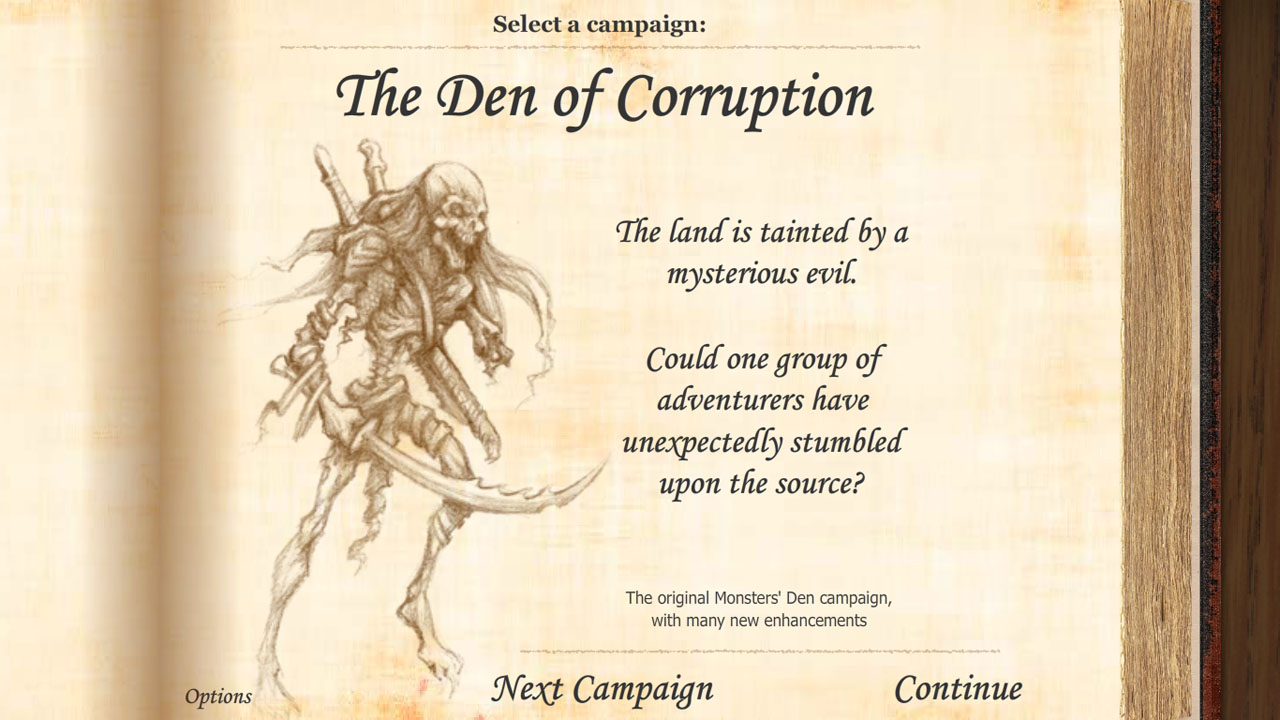
Monsters' Den Book of DreadImage: Monstrum via Steam -
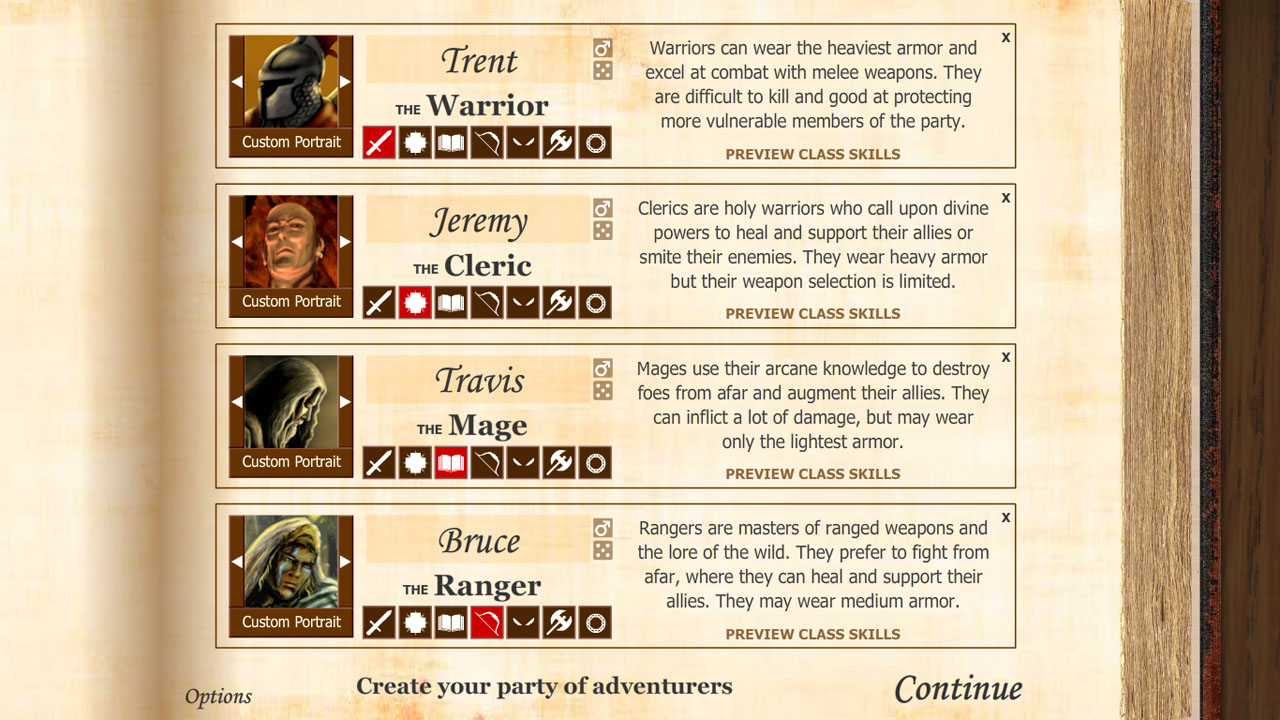
Monsters' Den Book of DreadImage: Monstrum via Steam -
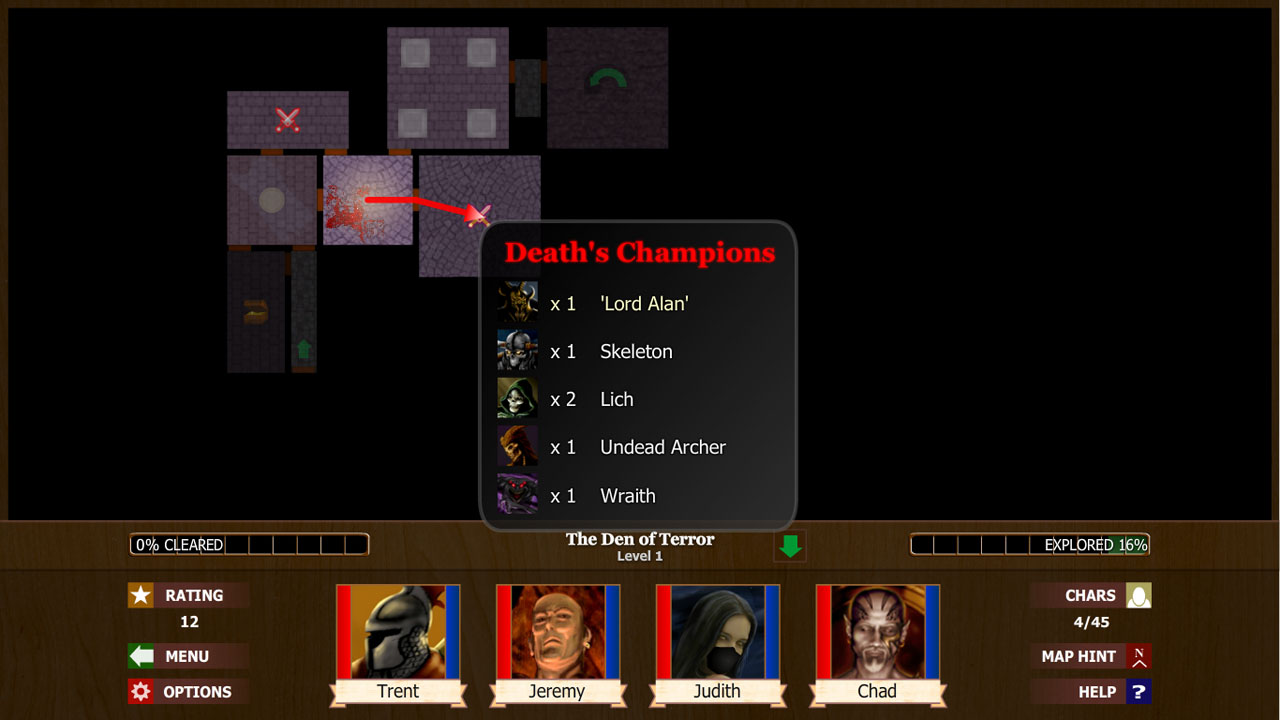
Monsters' Den Book of DreadImage: Monstrum via Steam -
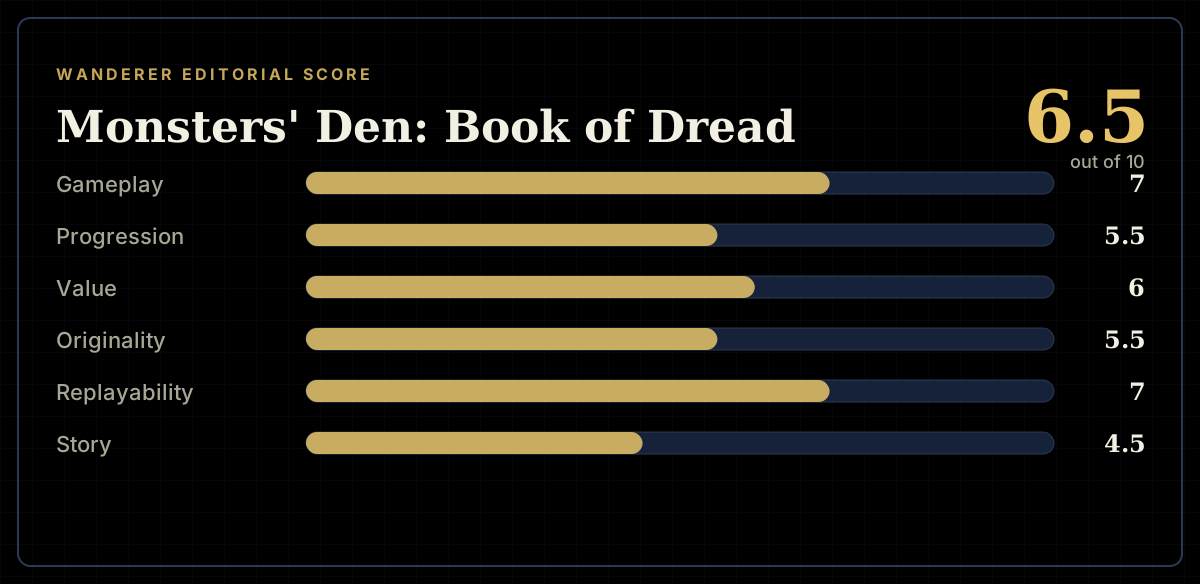
How the review scores each part of the gameWanderer Editorial -
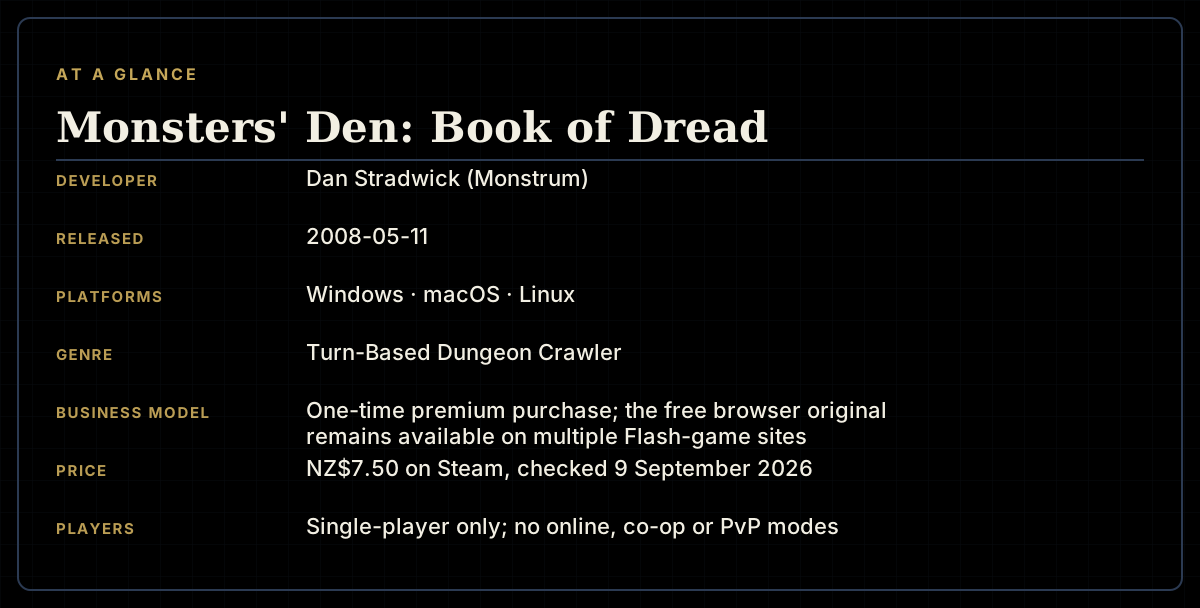
The specsWanderer Editorial -
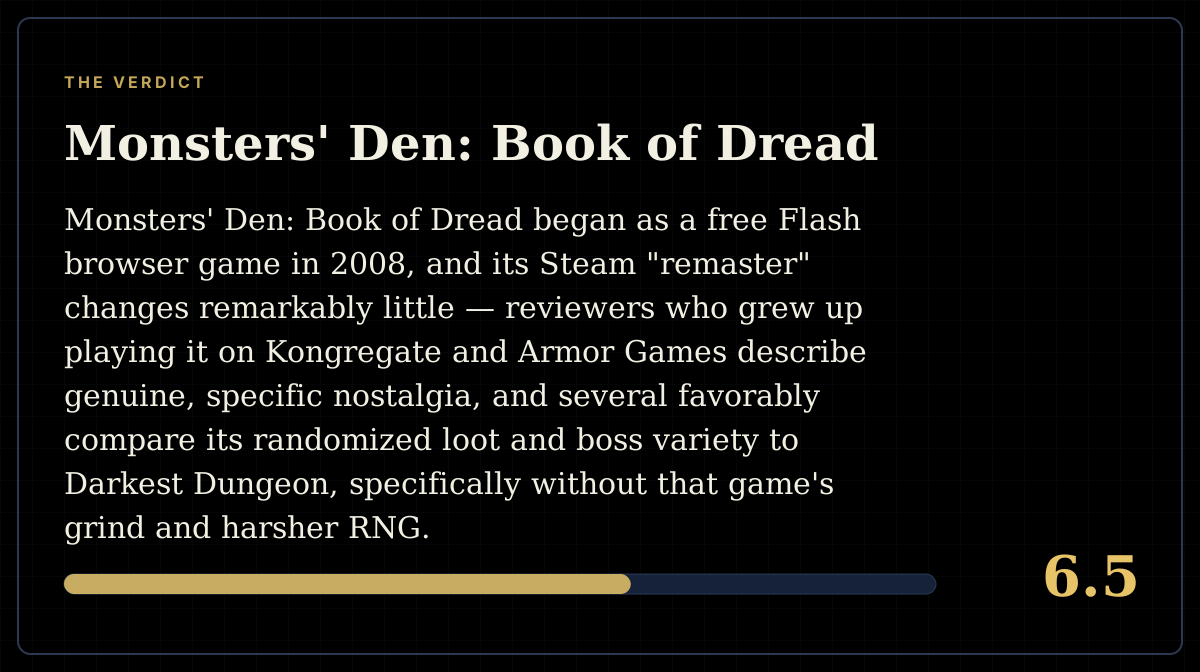
The short versionWanderer Editorial