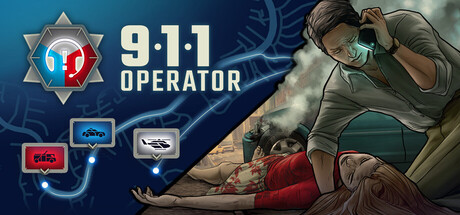
Game review
911 Operator
6.5 / 10
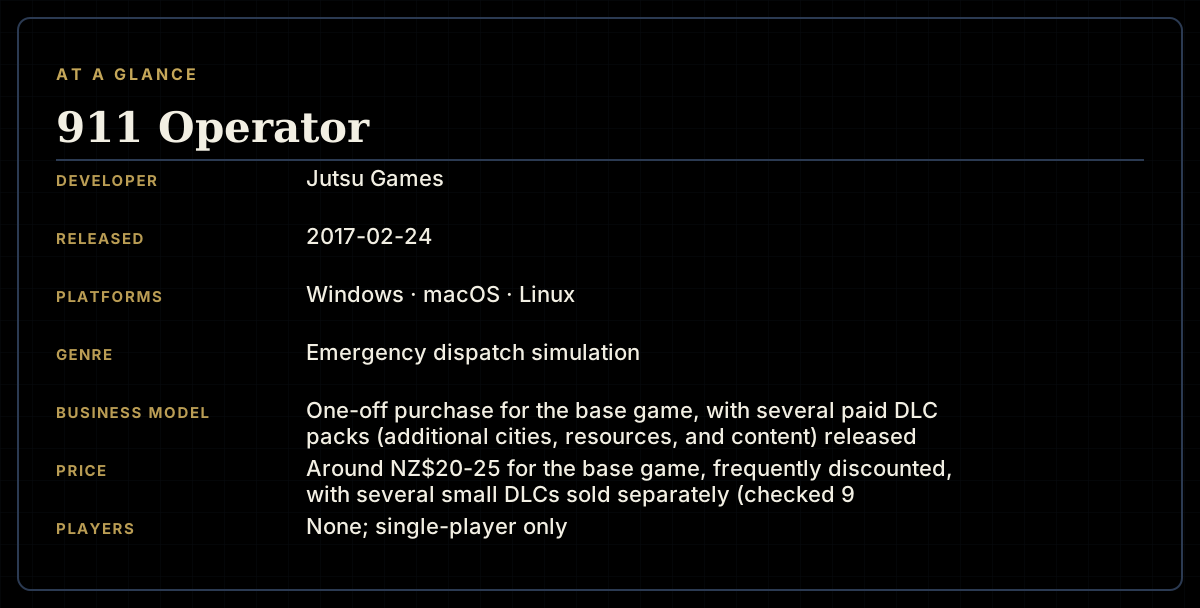
- Developer
- Jutsu Games
- Publisher
- Games Operators
- Released
- 24 February 2017
- Platforms
- Windows, macOS, Linux
- Genre
- Emergency dispatch simulation
- Monetisation
- One-off purchase for the base game, with several paid DLC packs (additional cities, resources, and content) released over its active support period; free content updates and a free-to-keep promotional giveaway have also been part of its history
- Players
- None; single-player only
The short version
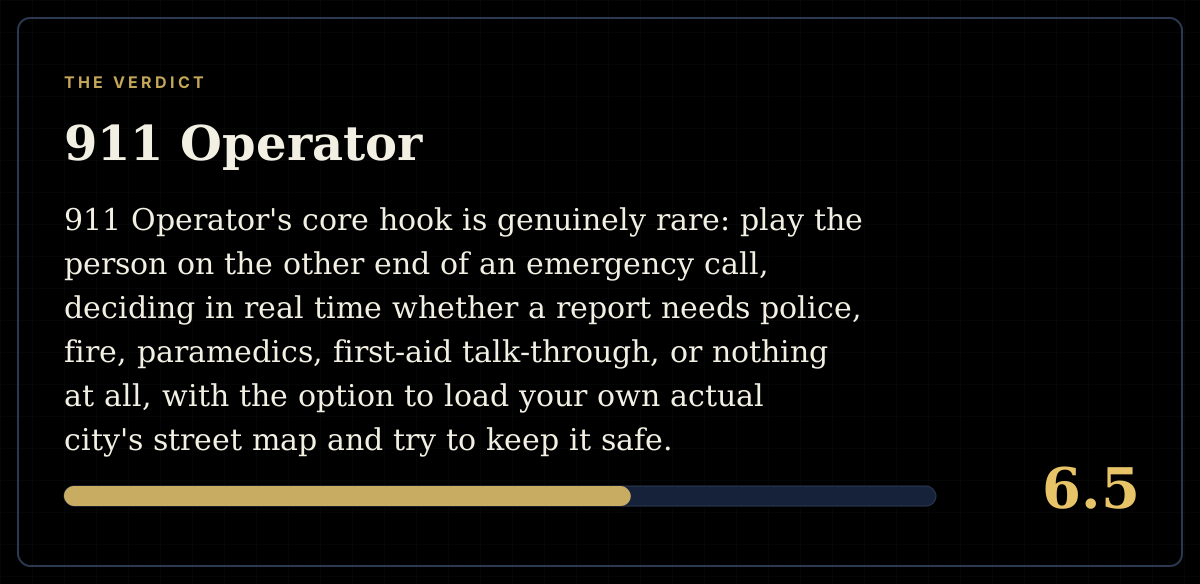
911 Operator's core hook is genuinely rare: play the person on the other end of an emergency call, deciding in real time whether a report needs police, fire, paramedics, first-aid talk-through, or nothing at all, with the option to load your own actual city's street map and try to keep it safe. Reviewers who click with that premise describe real tension and even educational value — several say they picked up genuine first-aid knowledge along the way — and the developer's own partner-events history shows the concept had enough of an audience to spawn an entire small franchise of spin-offs (a European 112 Operator version, Riot Operator, Counter Terrorist Agency, and more) over the following years. Set against that is a specific, recurring complaint that the novelty of picking up calls and routing units wears off within the first one to two hours for a meaningful share of players, and at least one detailed, politically pointed review argues the game's handling of a protest-related scenario is simplistic enough to undermine its claim to realism. Both threads are worth taking at face value: a genuinely distinctive simulation with real reach, and a shallower core loop than its premise initially promises for players who want more than a few sessions out of it.
Biggest strengths
- A genuinely rare, distinctive premise — playing an emergency dispatcher deciding in real time how to respond to incoming calls — that several reviewers say they've never seen attempted elsewhere
- Real first-aid instructions integrated into gameplay give it legitimate, reviewer-confirmed educational value beyond pure entertainment
- The Free Play mode's ability to download and play on the real street map of any city in the world is a distinctive, well-liked feature specific to this game
Biggest weaknesses
- A specific, repeated complaint that the core gameplay loop reveals its full depth within the first one to two hours, after which sessions become a repetitive cycle of clicking incident icons and routing units
- A detailed, pointed review argues the game's depiction of a protest-related scenario is "insultingly simplistic," calling the overall game "copaganda" — a specific, politically framed critique this review reports as one reviewer's interpretation rather than a settled judgment
- Multiple reviewers describe the UI as awkward and dated, with one comparing the experience unfavorably to "a cheap mobile game"
Who it's for: Players curious about a genuinely uncommon simulation premise, true-crime and emergency- services enthusiasts, and anyone who wants to try loading their own city's real street map into a game. Less suited to players wanting deep, evolving long-term systems, or anyone sensitive to a simplified, apolitical treatment of real-world emergency-services controversies.
Our recommendation: Worth trying at a discount for the novelty and the real-world-map feature specifically; go in expecting a strong first few sessions rather than a deep long-term simulation, and budget separately for DLC if the base content runs out too fast.
6.5 / 10
911 Operator puts players behind the emergency dispatch desk: calls come in, and the job is to figure out fast whether the person on the other end needs police, firefighters, paramedics, calm first-aid instructions, or nothing at all — sometimes from a genuinely dying situation, sometimes from a prankster wasting your limited resources. Released in February 2017 by a small Polish studio following a successful Kickstarter, it built its identity around a premise few other games have attempted, and by the reception standards visible in its nearly 5,500 English reviews (86% positive, Very Positive), it clearly worked. The more useful question almost a decade later is whether the specific thing that made it novel has enough underneath it to reward more than a handful of sessions, and its own review sample gives a genuinely mixed, specific answer.
A premise few other games have tried, and it mostly lands
The strongest praise in the sample centers on how distinctive the core idea is. One reviewer calls it "a simple idea executed really well," describing the actual decision-making — "which incidents are urgent and where your limited resources should go" — as the best part of the experience. Another goes further, describing real educational value: "I love the storylines and I admit I learned quite a few things that I didn't know before. So this game is even, dare I say, educational." The Free Play mode's headline feature — downloading and playing on the actual street map of any real city in the world — draws specific praise as something genuinely unique to this game rather than a common genre convention. Voice acting across the more than 50 recorded call scenarios is singled out positively even by reviewers who dislike the game overall, a rare point of near-universal agreement in an otherwise divided sample.
A hook that several reviewers say doesn't sustain itself
Set against that is a specific, recurring complaint about longevity. One detailed review describes the experience precisely: "the initial novelty wears off in under two hours, turning the experience into a repetitive, dry stress test where you just click red icons on a flat map while listening to the same recycled caller voice clips." Another reviewer frames the same complaint more concisely: "It's interesting for 20 minutes and nothing more," adding a specific structural gripe that no money or resources appear to carry over between challenges, undercutting any sense of building toward something across sessions. A separate reviewer sums up their post-purchase decision plainly: returned the game within Steam's refund window, describing it as exactly the kind of thing "I would have found online when I was a teenager and would have played for two hours and then stopped and never thought about it again." These are specific, structural complaints about pacing and progression rather than complaints about the core concept itself, and worth taking as an accurate account of what happens once the initial novelty of the premise wears off.
A pointed critique worth reporting plainly
One detailed, politically framed review raises a specific concern distinct from the ordinary repetition complaints: calling the overall experience "boring copaganda," the reviewer argues the game's depiction of a protest-related in-game scenario is "insultingly simplistic," undermining the realism the premise otherwise claims to offer. This review can't independently verify the specific in-game scenario referenced, and reports the critique as exactly what it is — one detailed reviewer's specific, argued interpretation of how the game handles a real-world-adjacent political topic — rather than adjudicating the underlying question of whether that handling is fair. It's worth surfacing directly rather than omitting, since it's a substantive content critique distinct from the game's more common repetition and UI complaints.
An idea that grew into a small franchise
Whatever the mixed verdict on long-term depth, the developer's own partner-events history confirms the concept had real, lasting commercial appeal. Beyond a steady stream of DLC and content updates through a formally declared "Final Update" in 2021, the studio built out an entire "911 Operator universe" of related titles over the following years — a European-numbering companion, 112 Operator, released in 2020; Riot Operator; Counter Terrorist Agency; and further Kickstarter-funded projects including Radio Commander and a physical board game adaptation. A recent community vote push for a "Real Maps" Steam tag, posted as recently as 2026, shows the developer and its audience are still actively engaged with the game's identity years after its original release. That's a genuinely successful outcome for a small studio's original, unusual pitch, even if this specific entry's own gameplay loop draws real, specific fatigue complaints from a meaningful share of its players.
Verdict
911 Operator earns real credit for a premise that's still rare in games nearly a decade later — deciding, call by call, how to triage a city's worst moments, backed by genuine first-aid content and the novelty of loading your own hometown's real map. It's held back by a specific, repeated complaint that the loop's depth runs out well before most players are done wanting more, a pointed critique of how it handles at least one politically sensitive scenario, and a UI several reviewers call dated. Worth a discounted purchase for the concept and the first few hours; the long-term case is weaker than the premise alone suggests.
Sources: Steam store page and appdetails API (release date, pricing, platform data); Steam's aggregate review data (query_summary totals, English-language sample); individually read user reviews, both positive and negative, sorted by helpfulness and recency; Steam's global achievement statistics API; Jutsu Games/Games Operators' own partner-events history, spanning Kickstarter alpha access in 2016 through a 2026 community tag-vote campaign, including announcements for the wider franchise of spin-off titles built on the same concept.
Pros and cons
Pros
- A genuinely rare, distinctive premise — playing an emergency dispatcher deciding in real time how to respond to incoming calls — that several reviewers say they've never seen attempted elsewhere
- Real first-aid instructions integrated into gameplay give it legitimate, reviewer-confirmed educational value beyond pure entertainment
- The Free Play mode's ability to download and play on the real street map of any city in the world is a distinctive, well-liked feature specific to this game
- Over 50 recorded call dialogues, described by multiple reviewers as ranging from dramatic to darkly funny, with voice acting singled out as a genuine highlight even by critical reviewers
- The concept proved commercially successful enough to spawn a real, ongoing small franchise of spin-off titles over the following years, evidence the core idea had lasting appeal beyond this one game
Cons
- A specific, repeated complaint that the core gameplay loop reveals its full depth within the first one to two hours, after which sessions become a repetitive cycle of clicking incident icons and routing units
- A detailed, pointed review argues the game's depiction of a protest-related scenario is "insultingly simplistic," calling the overall game "copaganda" — a specific, politically framed critique this review reports as one reviewer's interpretation rather than a settled judgment
- Multiple reviewers describe the UI as awkward and dated, with one comparing the experience unfavorably to "a cheap mobile game"
- At least one detailed reviewer reports no persistent progression (money, unlocked resources) carrying between challenges, undercutting a sense of long-term advancement
- The base game's content is stretched across several separate paid DLC packs, and more than one reviewer explicitly warns the core experience alone may not justify full list price
Screenshots
-
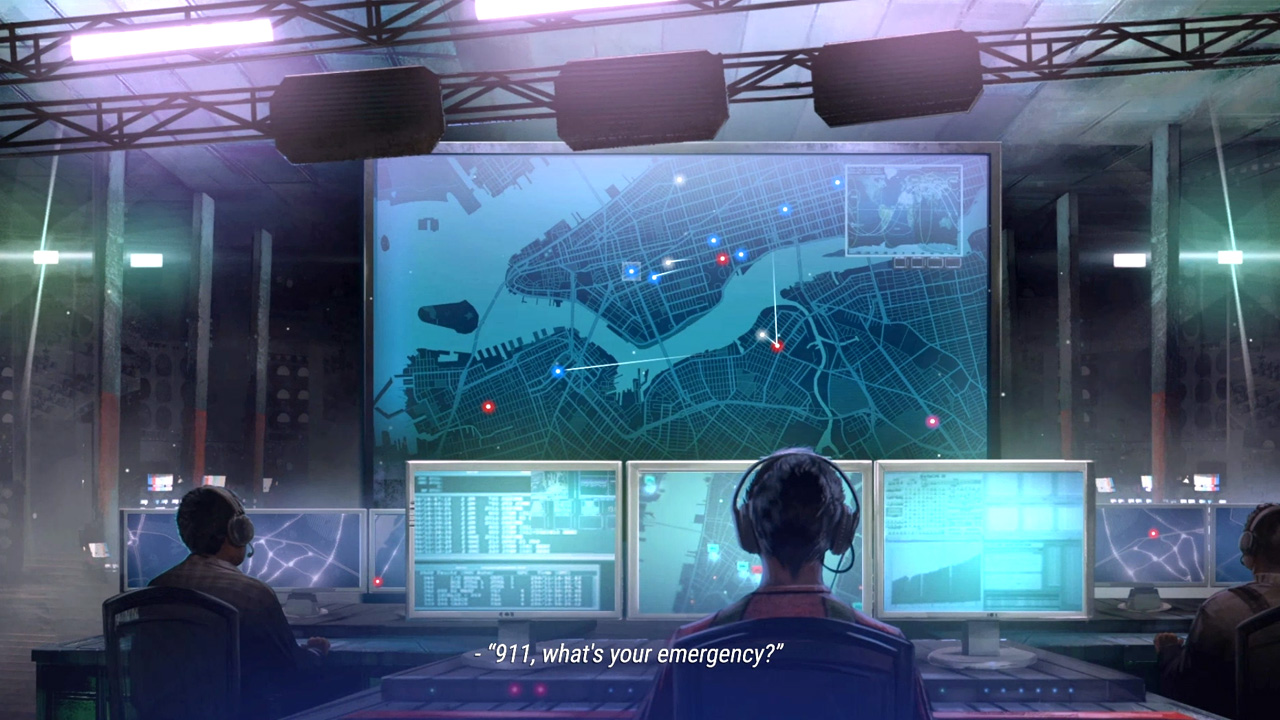
911 OperatorImage: Games Operators via Steam -
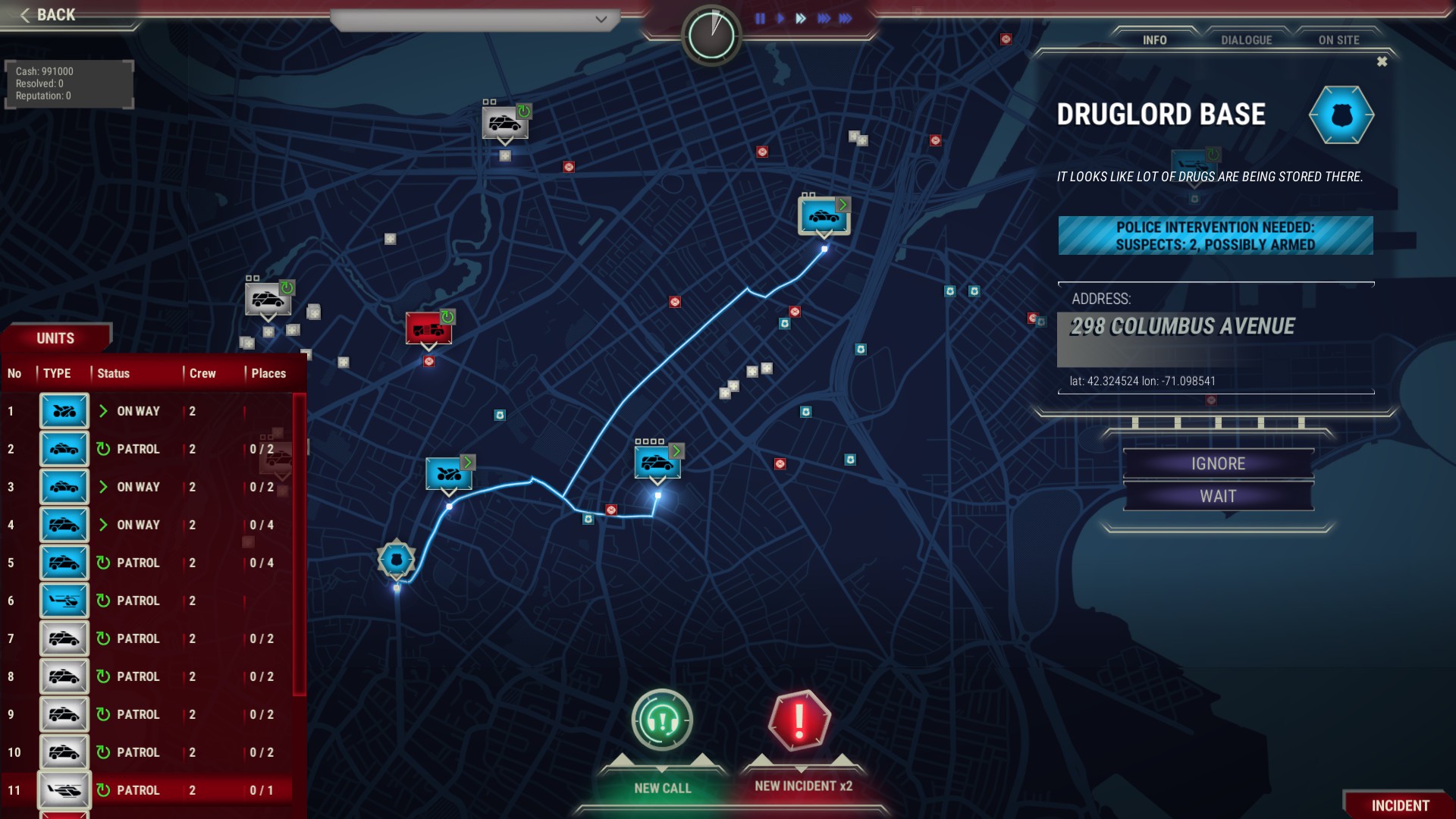
911 OperatorImage: Games Operators via Steam -
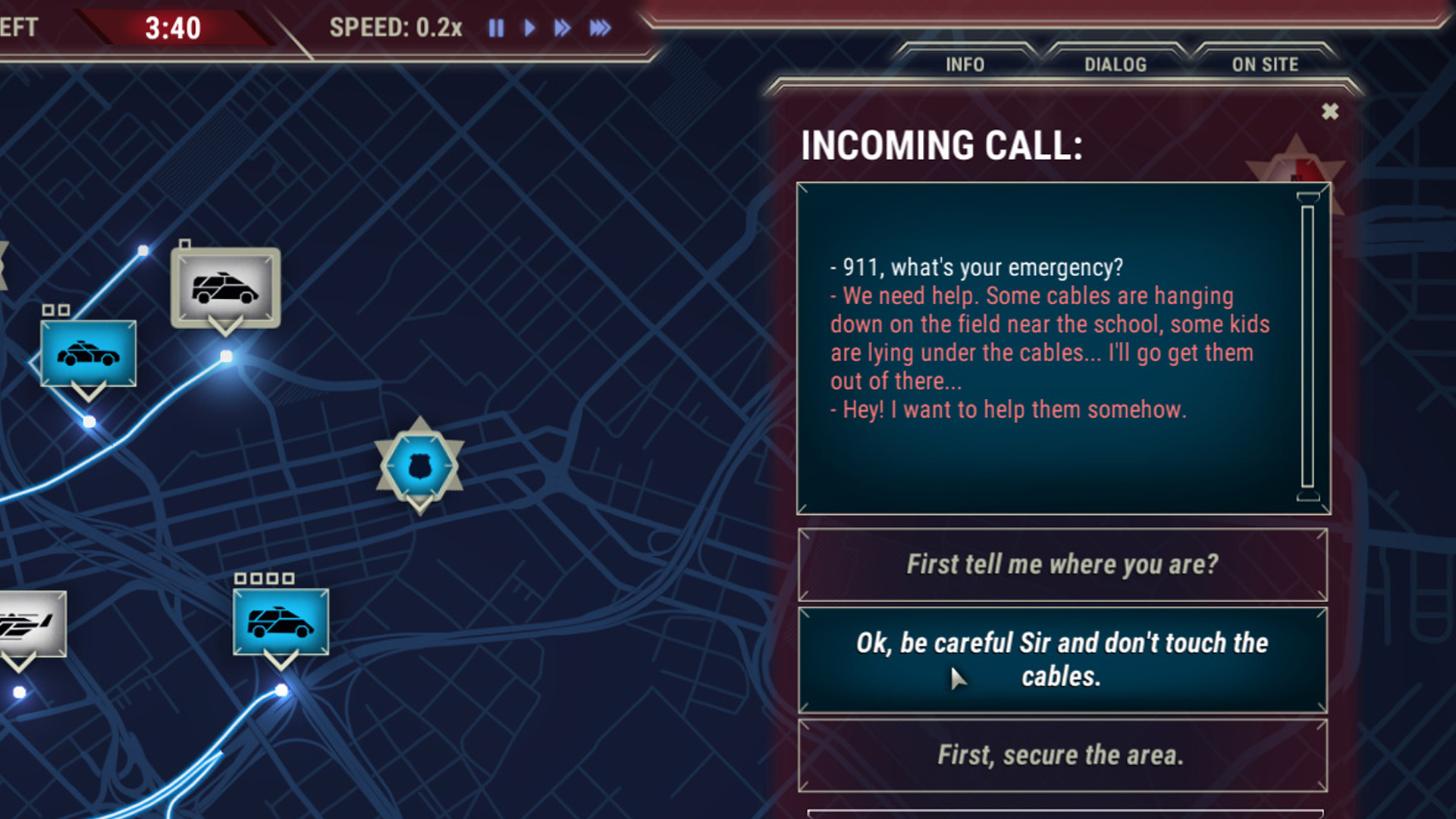
911 OperatorImage: Games Operators via Steam -
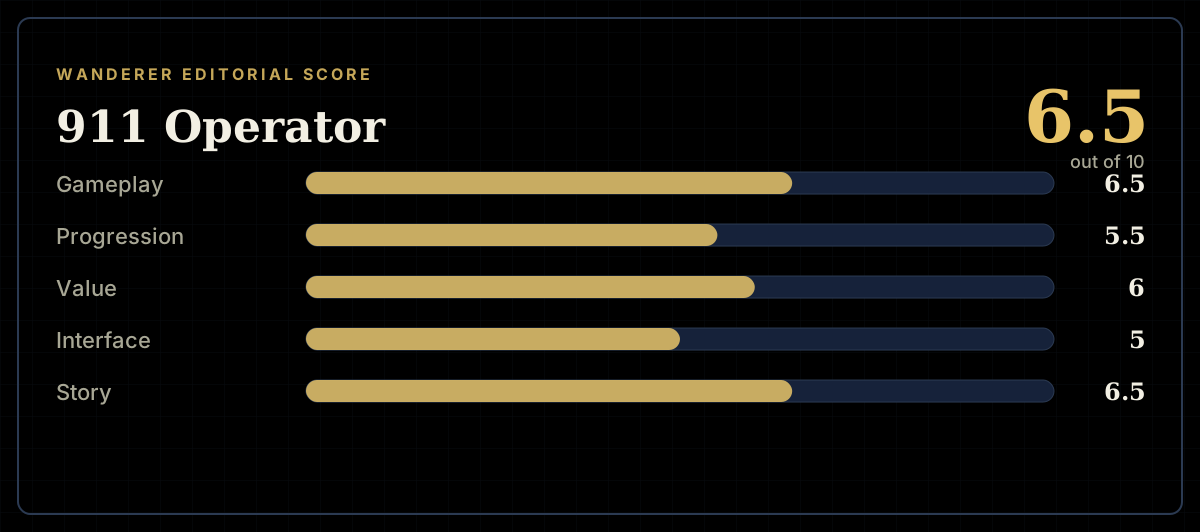
How the review scores each part of the gameWanderer Editorial -
The specsWanderer Editorial -
The short versionWanderer Editorial