Game review
Ludus Magnatus: Gladiator Manager Simulator
5.5 / 10
- Developer
- Contec Games
- Publisher
- Contec Games
- Released
- 21 July 2026
- Platforms
- Windows
- Genre
- Management Sim, Sports, Strategy
- Monetisation
- One-time purchase, no DLC, no in-app purchases
- Players
- Multiplayer mode added post-launch; the core experience is single-player club management
The short version
Ludus Magnatus casts the player as the owner of a gladiator club in an alternate Ancient Rome, recruiting fighters, equipping them from the market, and climbing from Division VII toward the top through fully simulated seasons. Entering Early Access 21 July 2026 from the small studio Contec Games, it sits Very Positive across a large 533-review sample, of which this review reads the full 176-review English-language subset in depth, including all 35 negative reviews. The concept draws near-universal praise as genuinely fresh for the genre. The execution is a harder story: the auto-resolved combat's AI is described repeatedly, by name, as the game's worst element, and difficulty swings wildly between divisions. Set against both is a development pace almost without precedent in this library — eighteen posted patches in the first three weeks alone.
Biggest strengths
- The core concept — building a gladiator club from the bottom division and climbing through a fully simulated season structure — draws consistent praise as a genuinely fresh idea, without an obvious direct competitor beyond one specific rival named repeatedly
- Reviewers on both sides of the recommendation credit the developer's engagement directly, describing a "one man developer" actively responding to community discussions
- The patch cadence is exceptional even by Early Access standards: eighteen updates posted in the first three weeks, including a targeted regional price decrease in direct response to value complaints
Biggest weaknesses
- Combat AI is the single most repeated complaint: gladiators are described as attacking empty space, ignoring set tactics, and behaving with no apparent coordination, with one reviewer naming a specific rival title as handling the same combat concept far better
- Difficulty is reported as wildly inconsistent — some reviewers describe being crushed by absurdly overpowered early opponents, while others report the game becoming a trivial "face roll" once the first season is cleared
- At NZ$38.49, several reviewers argue the price doesn't match the current content depth, citing flat, unmodified item stats and a lack of meaningful build choices as evidence the systems aren't there yet
Who it's for: Fans of sports-management sims and Ancient Rome settings who can tolerate genuine Early Access roughness in exchange for a fresh concept and a fast-moving developer; a poor fit for anyone who wants a finished, balanced combat system today.
Our recommendation: A genuinely original management-sim idea with real problems in its core combat and balance, backed by a developer patching faster than almost anything else covered in this library — worth watching closely, and worth buying now only if Early Access roughness doesn't bother you.
5.5 / 10
Introduction
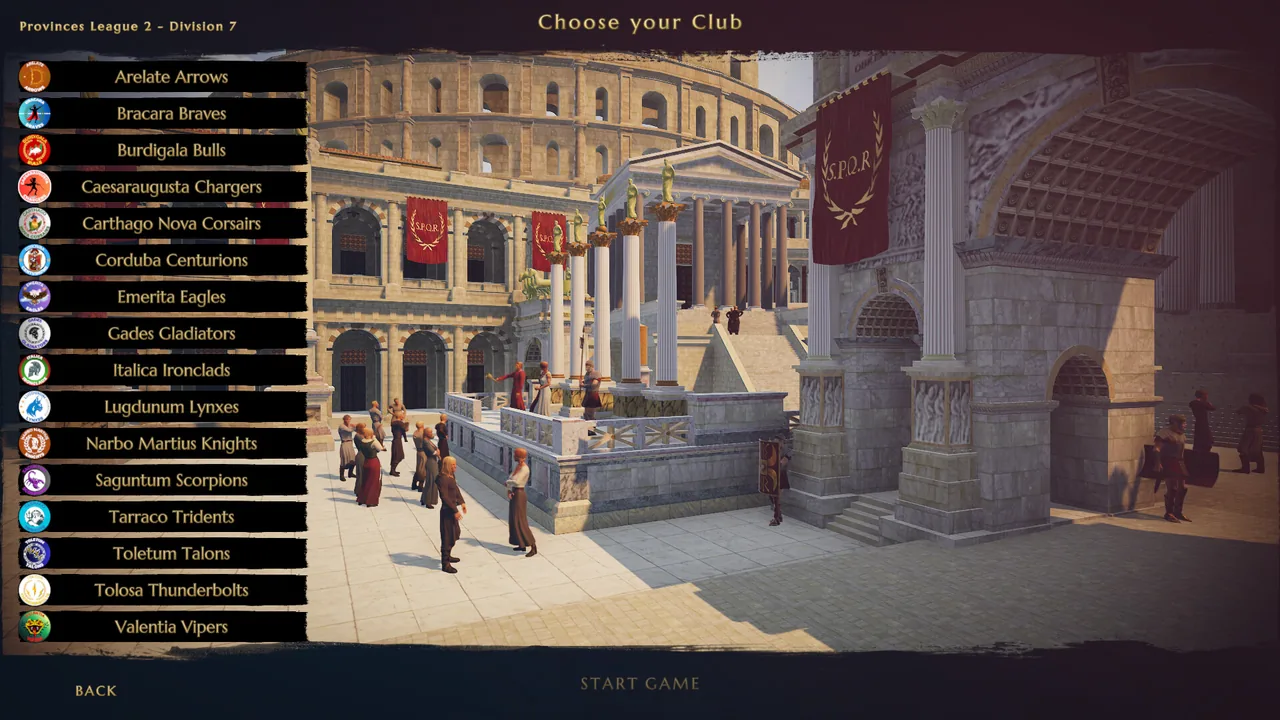
Ludus Magnatus puts the player in charge of a gladiator club in an alternate Ancient Rome, starting in the bottom-tier Division VII with one of sixteen clubs, recruiting fighters, kitting them out from the market, and working up through fully simulated seasons and matches. It entered Early Access on 21 July 2026 from the small studio Contec Games, and it's a large release for this library — 533 reviews across all languages, of which this review reads the full 176-review English subset, including every one of its 35 negative reviews. The concept lands almost universally well: this is a genre without an obvious crowded field of direct rivals, and reviewers consistently describe the pitch — build a club from nothing, gamble on gladiators whose deaths actually cost you something — as genuinely original.
An idea reviewers keep calling brilliant, undercut by how it plays
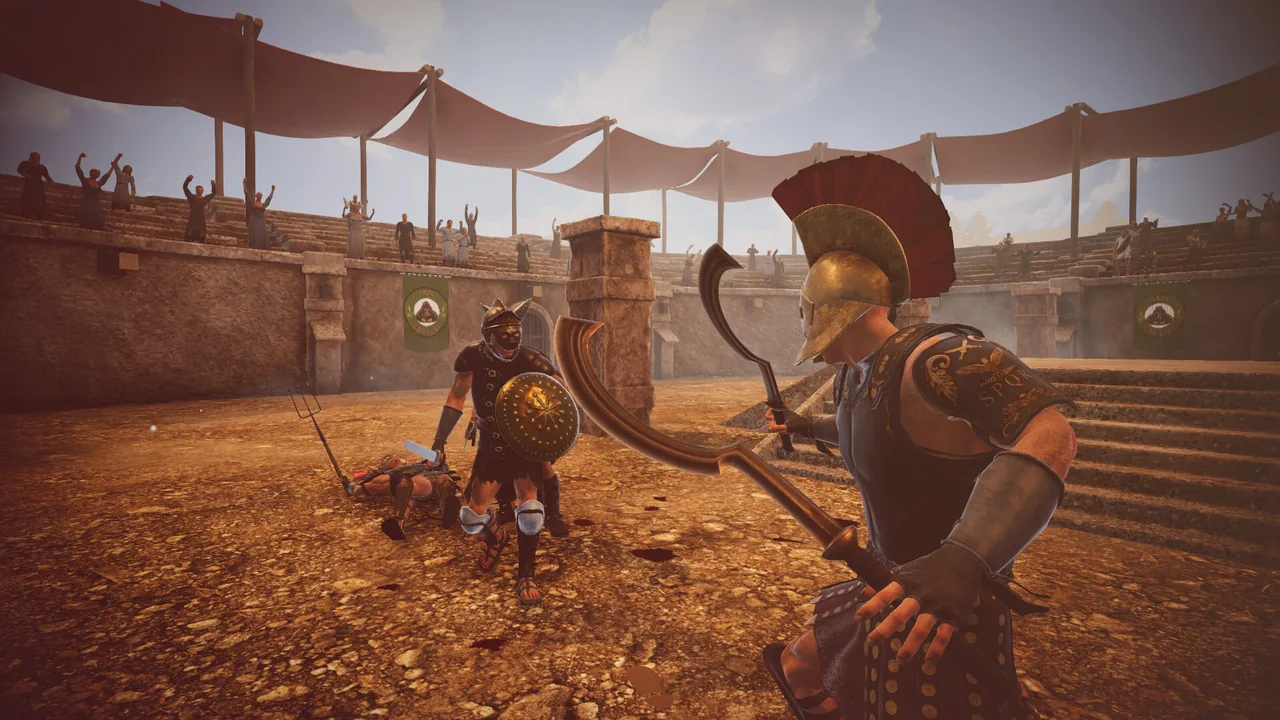
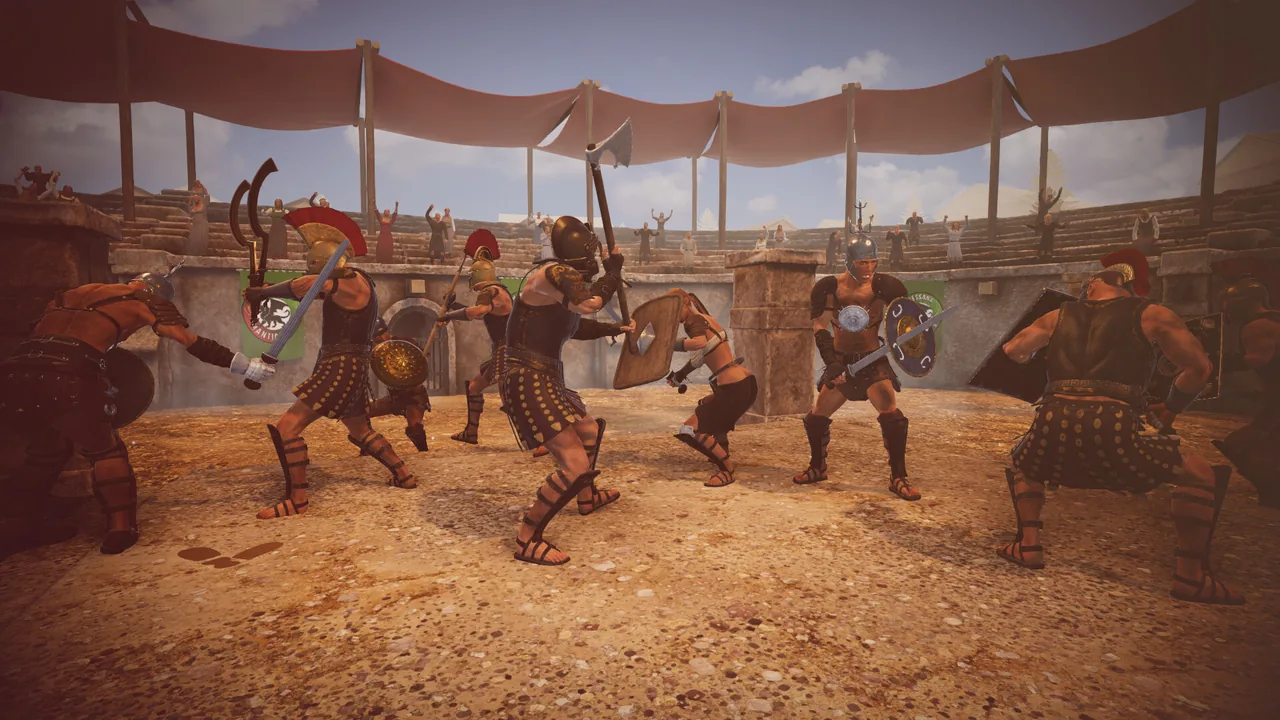
Set the concept aside, and the execution tells a rougher story, with one specific problem named over and over: combat AI. Reviewers describe gladiators "attacking empty space," missing jump attacks against opponents who aren't there, and ignoring the tactics the player sets before a fight entirely — one reviewer asks plainly "why there are even tactics in this game" if changing them "still results in the exact same combat every time." A detailed, more measured review that had clearly spent real time with a genre rival makes the sharpest version of the point directly: "Domina is a very similar game, and it's better in most ways... nothing in this game triggers my dopamine receptors." That's a useful comparison for readers who know the genre — it names the bar this game is currently falling short of, rather than just describing dissatisfaction in the abstract.
Balance that swings both ways
The second recurring complaint is difficulty, and unusually, it runs in both directions depending on who's reporting it. Several reviewers describe being crushed by absurdly overpowered early opponents — one reports facing a "full pack of duo wielders" every fight from the third division onward with no viable counter-strategy — while a separate reviewer with 16.5 hours logged describes the opposite experience, winning "about 60 matches in a row" after the first season and finding most upgrades pointless because nothing challenges them anymore. Read together, that's not a game that's simply "too hard" or "too easy" — it's one whose difficulty curve hasn't settled into something predictable yet, which is arguably a harder problem to fix than either extreme on its own.
A price tag under real scrutiny, and a fast response
At NZ$38.49, value complaints are common and specific rather than vague. Reviewers point to flat, unmodified item stats — a single "DEF" number per piece of armour, damage that scales linearly with cost, no build-defining modifiers — as evidence the systems underneath the price tag aren't deep enough yet. Contec Games responded directly: a 26 July patch note is titled, in part, "Price decrease for certain regions," a concrete response to exactly this complaint rather than a vague promise. That kind of specific, dated action is worth crediting on its own merits.
The developer's pace is the standout fact here
What separates this review from a straightforward "promising but rough" verdict is the sheer volume of visible work since launch. Contec Games posted eighteen updates in the first three weeks of Early Access — not counting the pre-launch news covering a training system overhaul and a multiplayer mode added in June — and reviewers on both sides of the recommendation line credit this directly. One recent review thanks the developer by name for "frequent updates" and for "listening to the community," having reached day 176 in-game. Multiple reviewers independently describe the studio as effectively a one-person operation, which makes that patch cadence more remarkable rather than less. If there's a reason to have real confidence in where this game is headed, it's this.
Final Verdict
Ludus Magnatus has the rare thing that's hardest to manufacture in a management sim: a genuinely fresh premise that reviewers keep independently calling brilliant. What it doesn't have yet is combat and balance systems that live up to that premise — the AI complaints are too consistent and too specific to read as impatience, and the difficulty swings suggest the numbers underneath still need real tuning. The exceptional patch cadence is a real, dated reason for optimism rather than a hopeful assumption, but this review has to score the game as it stands today, not the game its update history suggests it might become. Buy it now if Early Access roughness genuinely doesn't bother you and the concept excites you as much as it excited its reviewers; otherwise, this is one worth revisiting once the combat AI complaints stop being the top of every negative review.
Pros and cons
Pros
- The core concept — building a gladiator club from the bottom division and climbing through a fully simulated season structure — draws consistent praise as a genuinely fresh idea, without an obvious direct competitor beyond one specific rival named repeatedly
- Reviewers on both sides of the recommendation credit the developer's engagement directly, describing a "one man developer" actively responding to community discussions
- The patch cadence is exceptional even by Early Access standards: eighteen updates posted in the first three weeks, including a targeted regional price decrease in direct response to value complaints
- Multiple long-session reviewers, including one at over 100 hours, describe the core loop as genuinely addictive despite acknowledging its rough edges
Cons
- Combat AI is the single most repeated complaint: gladiators are described as attacking empty space, ignoring set tactics, and behaving with no apparent coordination, with one reviewer naming a specific rival title as handling the same combat concept far better
- Difficulty is reported as wildly inconsistent — some reviewers describe being crushed by absurdly overpowered early opponents, while others report the game becoming a trivial "face roll" once the first season is cleared
- At NZ$38.49, several reviewers argue the price doesn't match the current content depth, citing flat, unmodified item stats and a lack of meaningful build choices as evidence the systems aren't there yet
- Concrete usability problems recur across the sample: a roster interface some call "tortuous," loading times described as "atrocious," and a text-entry bug where typing a space in a name field skips the game forward a day
Screenshots
-
Ludus Magnatus: Gladiator Manager SimulatorImage: Contec Games via Steam -
Ludus Magnatus: Gladiator Manager SimulatorImage: Contec Games via Steam -
Ludus Magnatus: Gladiator Manager SimulatorImage: Contec Games via Steam -
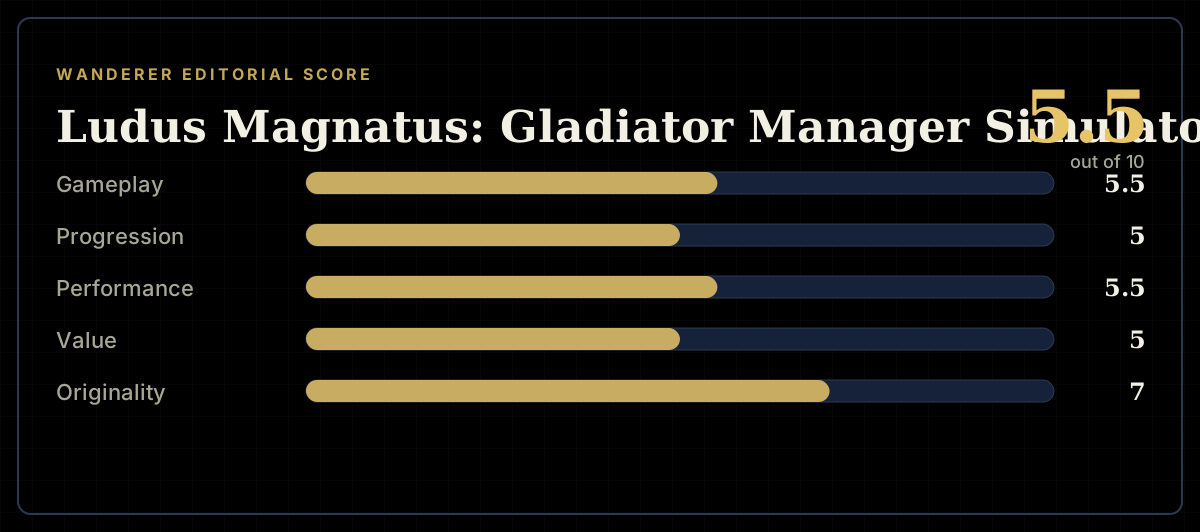
How the review scores each part of the gameWanderer Editorial -
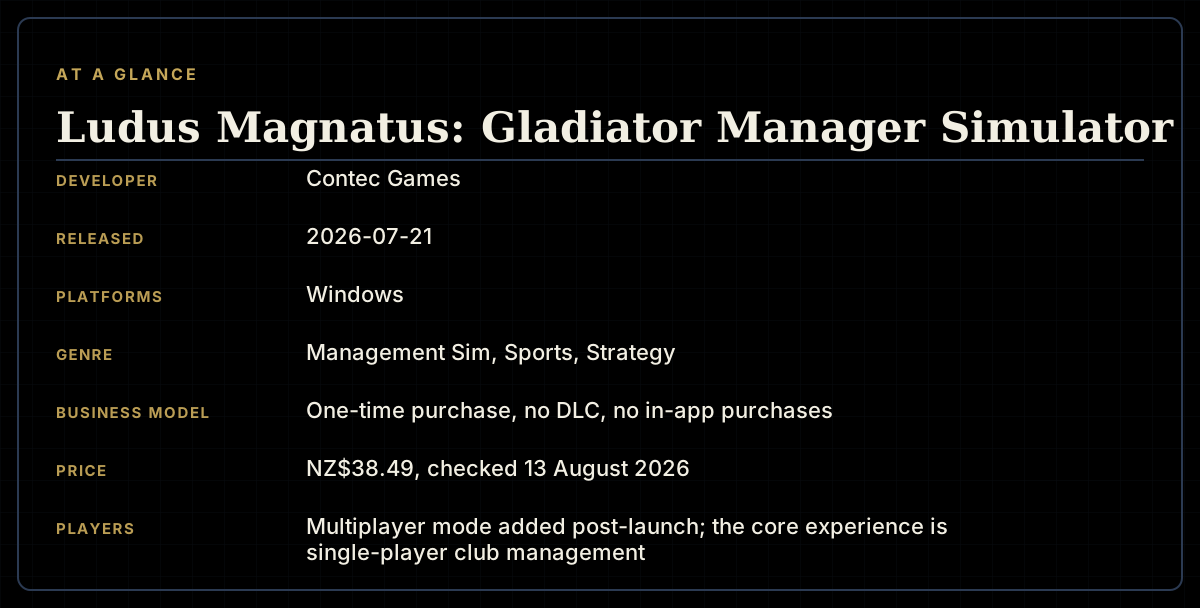
The essentials at a glanceWanderer Editorial -
The short versionWanderer Editorial