Game review
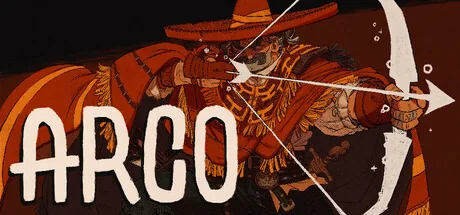
Arco
8 / 10
- Developer
- Franek, Max Cahill, Bibiki, Fáyer
- Publisher
- Panic
- Released
- 15 August 2024
- Platforms
- Windows, macOS
- Genre
- Tactical RPG
- Monetisation
- One-time purchase, no in-game store
- Players
- Single-player only
The short version
Arco is a Mesoamerican fantasy RPG from a small team credited as Franek, Max Cahill, Bibiki and Fáyer, published by Panic, that fuses turn-based planning with real-time execution — plan your move, then watch everything, including the enemy, unfold simultaneously the instant you commit. Released 15 August 2024, it has become one of the more critically adored indie tactics releases of its era: 1,681 English-language Steam reviews, Overwhelmingly Positive at roughly 96%. Three interlocking, handcrafted stories of revenge unfold across a colonial-era Mesoamerican setting, bound together by a signature guilt mechanic — player choices generate literal ghosts that hound the party in later combat, a mechanical embodiment of consequence rarely attempted this directly. This review's read of the negative sample, small as it is against the overwhelming positive score, finds real, specific disagreement rather than noise: some players find the writing among the best they've encountered in the genre, others call it dull and clichéd outright, and the hybrid combat that most reviewers love is exactly what a smaller group bounces off entirely. Running through much of the sample is something else worth noting: reviewers repeatedly express disappointment that a game this acclaimed didn't find a commercial audience to match.
Biggest strengths
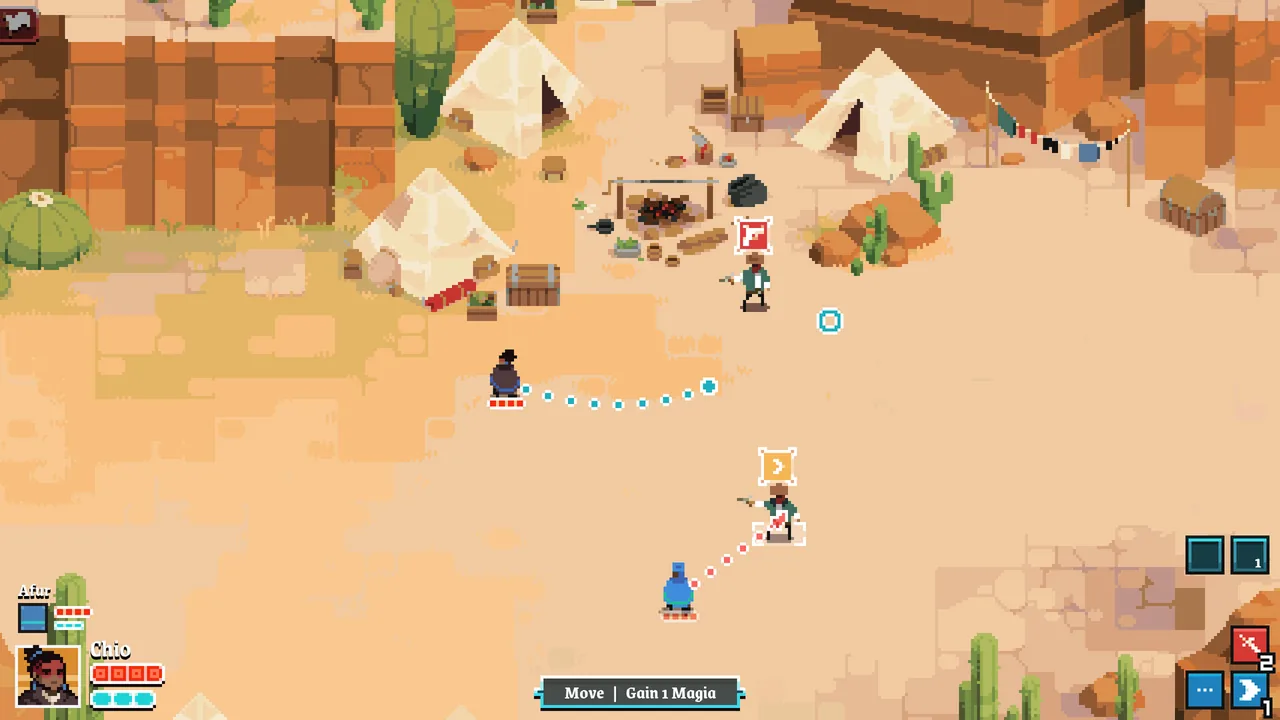
- The hybrid turn-based/real-time combat system draws consistent, specific praise for making planning feel dynamic rather than static — commit to a move and the whole battlefield reacts simultaneously rather than waiting its turn
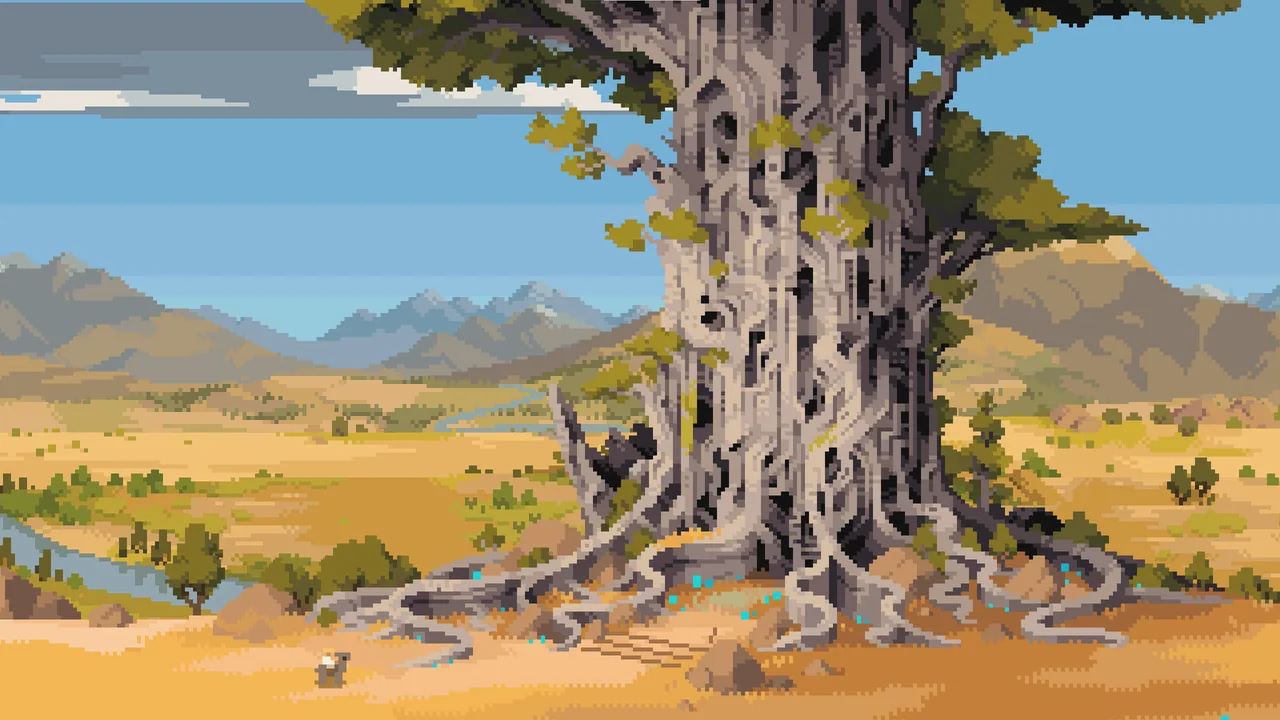
- Pixel art and an atmospheric soundtrack draw some of the widest, most enthusiastic praise in this review's sample, both singled out repeatedly rather than folded into generic compliments
- The guilt-manifests-as-ghosts mechanic is praised as a genuinely rare example of a game mechanically embodying its narrative theme rather than just narrating consequence after the fact
Biggest weaknesses
- Combat feedback and timing draw real, specific frustration — several reviewers describe unclear attack-interrupt windows and a degree of trial-and-error that undercuts the tactical planning the system is built around
- Melee combat is widely described as underpowered relative to ranged options, with multiple reviewers reporting that ranged play becomes close to the only viable approach past the early game
- Story quality is a genuinely contested point within this review's own sample — some reviewers call the writing among the best they've encountered, others call the dialogue dull and the plot clichéd, a real disagreement rather than a settled complaint
Who it's for: Tactics fans open to a genuinely different execution model than the genre's usual turn-based standard, and players drawn to serious, culturally specific storytelling; less suited to anyone who wants clean, fully-legible combat feedback without some trial and error.
Our recommendation: One of the more genuinely original tactics releases of its generation, critically adored for good reason — worth playing even for players who bounce off its rougher combat edges, for the setting and the guilt mechanic alone.
8 / 10
Introduction
Arco takes a Mesoamerican fantasy world reshaped by colonial violence and tells three interlocking stories of revenge across it, using a combat system that refuses to sit comfortably in either the turn-based or real-time camp. Credited to the small team of Franek, Max Cahill, Bibiki and Fáyer and published by Panic, it released 15 August 2024 for NZ$27.99 (currently NZ$11.19 at 60% off). Over a year on, it holds Overwhelmingly Positive status across 1,681 English-language Steam reviews — a substantial, mature corpus, and one this review draws on heavily, reading a large share of the small negative sample alongside a representative slice of the much larger positive one.
Combat that commits, then lets go
The mechanical hook is this: rather than resolving actions one at a time in strict turn order, Arco lets players plan their next move on a beat, then commits everything — player and enemies alike — to happen simultaneously the instant that beat lands. One reviewer described it as reminiscent of Superhot's time-moves-when-you-move structure, but folded into a genuinely tactical planning layer rather than a pure action game. That combination draws this review's most consistent and most enthusiastic praise: reviewers describe the tension of planning carefully and then watching a battle unfold dynamically, rather than the more static back-and-forth most turn-based tactics games settle into. It's a legitimately uncommon design, and the positive sample treats it as the game's central achievement rather than a novelty.
Guilt made literal
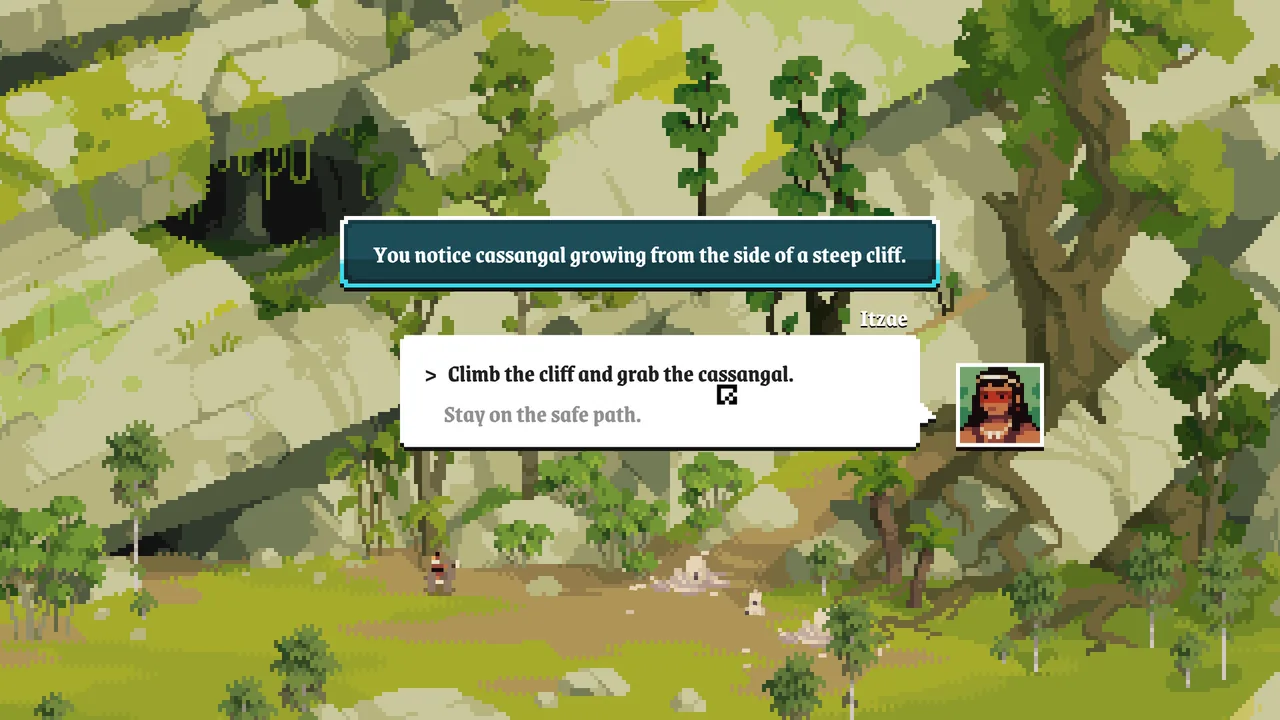
The mechanic reviewers single out as most distinctive, though, isn't combat structure — it's how the game handles consequence. Story choices generate guilt, and guilt doesn't stay abstract: it manifests directly in combat as malevolent ghosts that hound the party, an unusually direct mechanical translation of narrative weight into gameplay pressure. One reviewer described it precisely: rather than guilt being "solely a character-informing feature," it becomes something the player has to survive, fight through, and account for tactically in later encounters. That's a rare enough design choice that reviewers across both the positive and negative samples engage with it specifically — even critics of the mechanic in practice generally credit the idea as a genuinely interesting attempt rather than dismissing it outright.
A story reviewers genuinely disagree about
Here's where this review's sample gets most interesting, because the disagreement is sharp and comes from reviewers who are clearly engaged rather than dismissive. On one side, reviewers praise the writing as something rarer than competent — one specifically credited the story with "deconstructing most Western genre clichés" while treating its indigenous framing as "genuine," calling it a reclamation of a genre that usually casts indigenous peoples as background or villains rather than protagonists with their own destinies. On the other side, a reviewer with 566 hours logged — unmistakably someone who engaged deeply with the game — called the prose flavourless and the dialogue "extremely dull." A third, more sharply, called the writing "deplorable" and described characters as reading like "extremely ornery teenagers." That's not a small handful of casual bouncers dismissing the game; these are reviewers who put real hours in and came away with a specific, considered negative verdict on the exact thing others praise most. Worth taking both readings seriously rather than treating either as the obviously correct one — this is genuinely a matter of taste in prose style and tone, not a factual dispute about content.
Where the mechanics show their rough edges
Set against the celebrated combat concept, this review's negative sample raises real, specific mechanical friction. Multiple reviewers describe unclear timing around attack interrupts and turn resolution — one wrote that despite knowing exactly what each enemy intends to do, there's still "a lot of ambiguity" in how it actually plays out, which undercuts the planning-forward design the system is built around. A separate, widely repeated complaint concerns weapon balance: melee combat is described as consistently underpowered relative to ranged options, to the point that one reviewer with nearly 500 hours logged put it bluntly — melee play means "perpetually bringing a fist to a gunfight." A handful of reviewers also flag the game feeling shorter than its price point implies, and the guilt/ghost mechanic itself draws a secondary complaint distinct from the story disagreement above: some reviewers who like the concept in principle describe the actual experience of real-time ghosts intruding on turn-based combat as more stressful than engaging moment to moment.
A critical darling that didn't find its audience
One more theme threads through this review's sample worth naming directly: reviewers repeatedly express genuine disappointment that a game this well-regarded didn't reach a wider commercial audience. That's not a complaint about the game itself — it's a note about its reception in the market, and it recurs often enough across otherwise glowing reviews that it reads as real fan frustration on the game's behalf rather than incidental commentary. For a release now sitting at 96% positive across a substantial, mature review base, that gap between critical adoration and commercial reach is itself part of the story worth flagging to readers who might not have encountered Arco the first time around.
Final Verdict
Arco earns its Overwhelmingly Positive standing through genuine ambition executed with real craft: a combat system that makes tactical planning feel dynamic rather than static, a guilt mechanic that translates narrative consequence into gameplay pressure more directly than almost anything else in the genre, and pixel art and sound design that draw some of the widest praise in the entire sample. Its rougher edges — unclear combat feedback, underpowered melee, and a story some engaged, thoughtful players genuinely dislike even as others call it among the genre's best — are real rather than dismissible, but they sit inside a release this review considers a clear standout for the Mesoamerican setting and mechanical originality alone. If it slipped past you on release, the current discount and the size of the corpus behind that Overwhelmingly Positive score make this an easy one to go back and catch up on.
Pros and cons
Pros
- The hybrid turn-based/real-time combat system draws consistent, specific praise for making planning feel dynamic rather than static — commit to a move and the whole battlefield reacts simultaneously rather than waiting its turn
- Pixel art and an atmospheric soundtrack draw some of the widest, most enthusiastic praise in this review's sample, both singled out repeatedly rather than folded into generic compliments
- The guilt-manifests-as-ghosts mechanic is praised as a genuinely rare example of a game mechanically embodying its narrative theme rather than just narrating consequence after the fact
- Reviewers specifically credit the game's Mesoamerican and indigenous framing as reclaiming a Western-adjacent genre for perspectives it usually casts as background or villain
Cons
- Combat feedback and timing draw real, specific frustration — several reviewers describe unclear attack-interrupt windows and a degree of trial-and-error that undercuts the tactical planning the system is built around
- Melee combat is widely described as underpowered relative to ranged options, with multiple reviewers reporting that ranged play becomes close to the only viable approach past the early game
- Story quality is a genuinely contested point within this review's own sample — some reviewers call the writing among the best they've encountered, others call the dialogue dull and the plot clichéd, a real disagreement rather than a settled complaint
- The guilt/ghost combat mechanic itself divides opinion beyond its concept: some reviewers who love the idea in principle find the real-time ghosts colliding with turn-based combat more stressful than engaging in practice
Screenshots
-
ArcoImage: Panic via Steam -
ArcoImage: Panic via Steam -
ArcoImage: Panic via Steam -
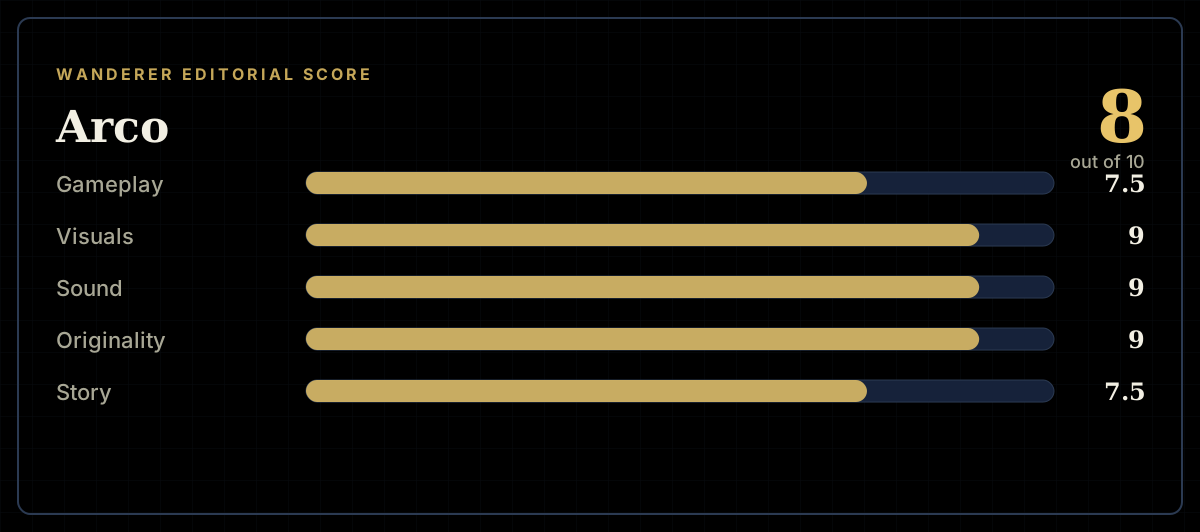
How the review scores each part of the gameWanderer Editorial -
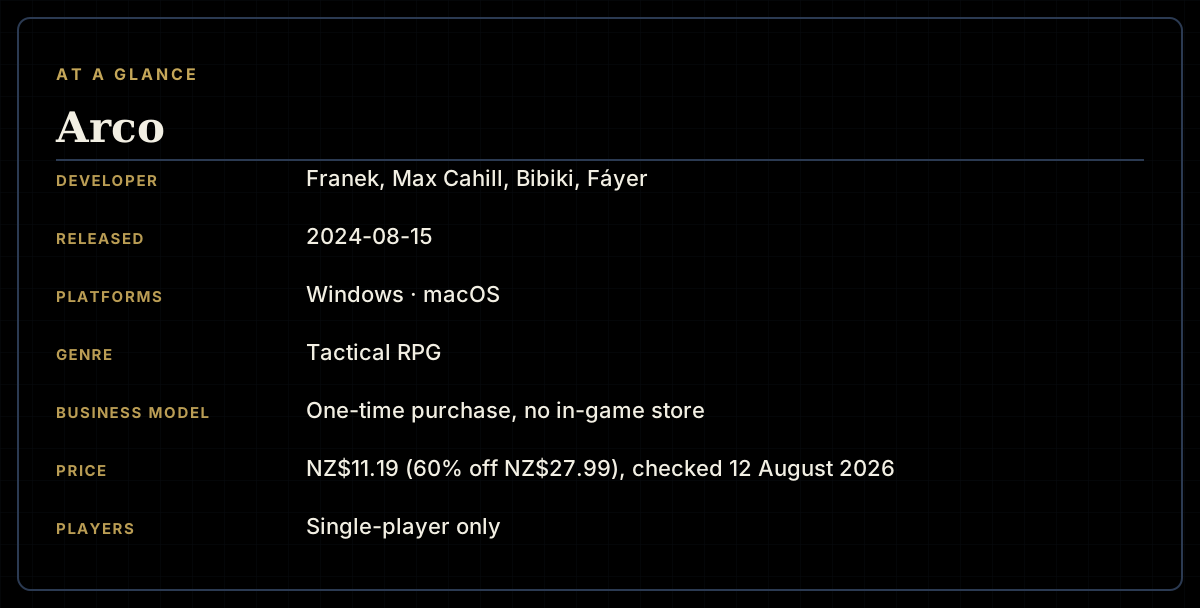
The essentials at a glanceWanderer Editorial -
The short versionWanderer Editorial