
Game review
Fuga: Melodies of Steel 2
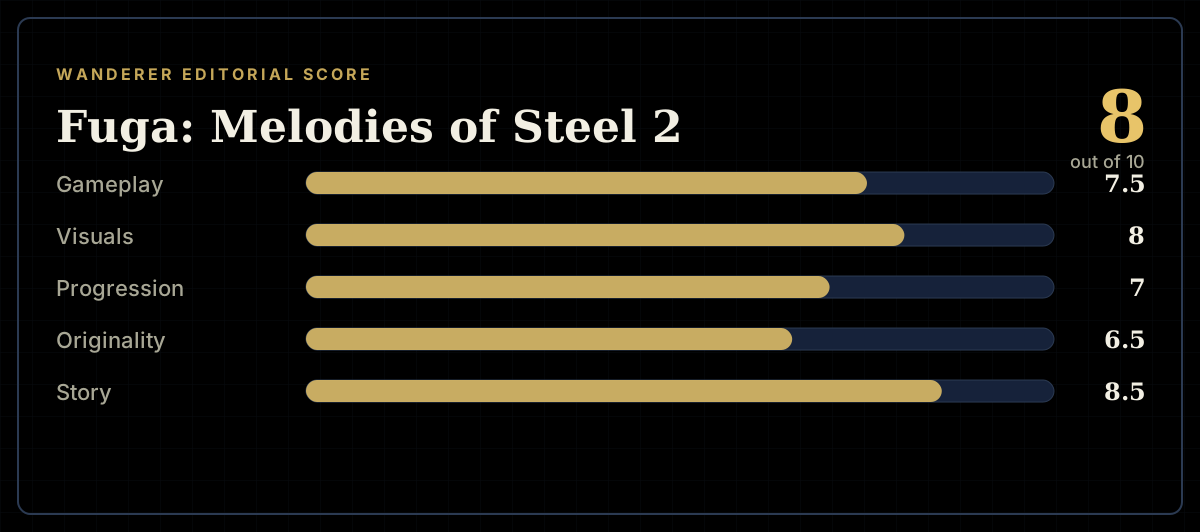
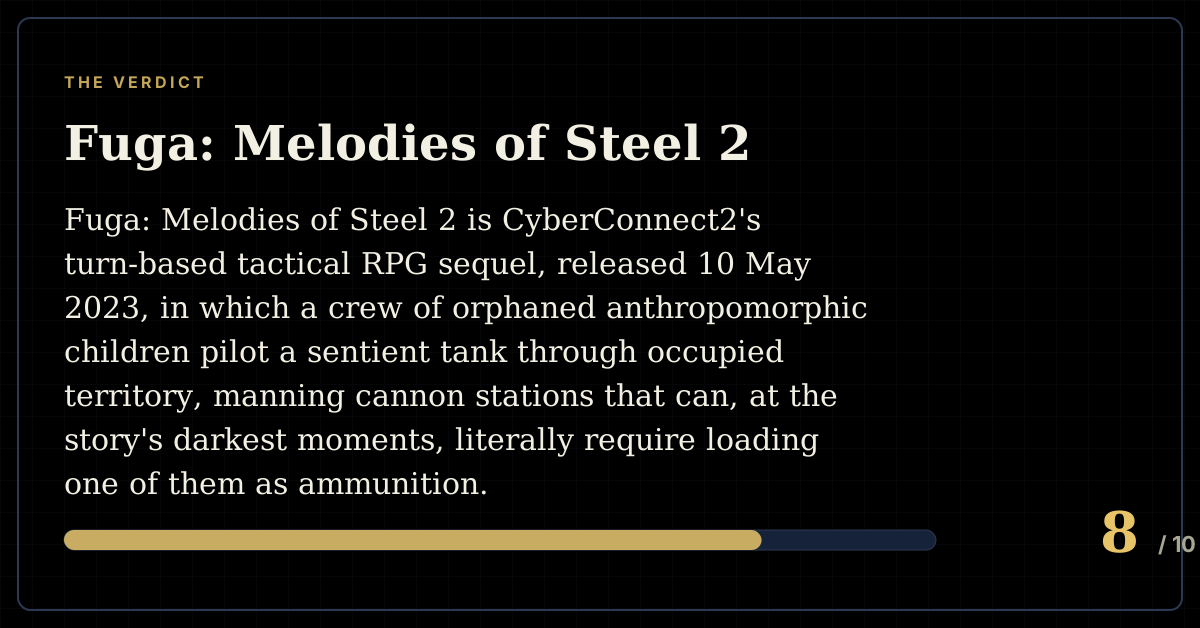
8 / 10
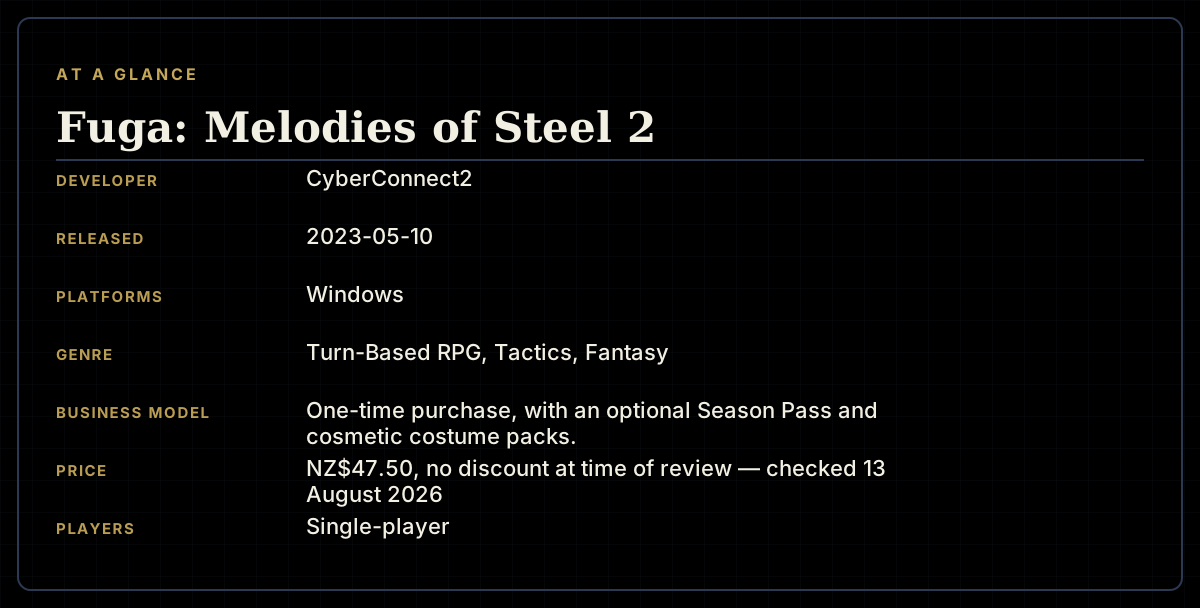
- Developer
- CyberConnect2
- Publisher
- CyberConnect2
- Released
- 10 May 2023
- Platforms
- Windows
- Genre
- Turn-Based RPG, Tactics, Fantasy
- Monetisation
- One-time purchase, with an optional Season Pass and cosmetic costume packs.
- Players
- Single-player
The short version
Fuga: Melodies of Steel 2 is CyberConnect2's turn-based tactical RPG sequel, released 10 May 2023, in which a crew of orphaned anthropomorphic children pilot a sentient tank through occupied territory, manning cannon stations that can, at the story's darkest moments, literally require loading one of them as ammunition. It sits at a lifetime Very Positive 97.1% across 384 reviews — a rare case in this library where the negative sample is thin enough to read in full: five English-language negatives total. Even those are largely measured rather than damning, centring on a specific, legitimate complaint that the sequel plays very close to its predecessor rather than any failure of craft. What dominates instead, across both the positive sample and this review's own reading, is a genuinely distinctive tonal achievement: a "war is hell" narrative that earns its weight through mechanical stakes rather than cutscenes alone, wrapped in an art style reviewers repeatedly call cute specifically because of how it sharpens the horror underneath.
Biggest strengths
- A genuinely distinctive, well-executed "war is hell" narrative that multiple reviewers say lands harder than most games attempting the same theme, precisely because its central mechanical stakes — crew members as living ordnance — are never softened for comfort
- A cute, expressive art style reviewers consistently describe as heightening rather than undercutting the story's darker turns
- Meaningful new systems and enemy variety layered onto the first game's turn-based combat, according to several reviewers who played both, without discarding what worked
Biggest weaknesses
- The most consistent critical note, even among positive reviews, is that the sequel hews very close to the first game's structure, progression and leveling systems, with one reviewer describing it as feeling like restarting a save file rather than playing something new
- A small number of reviewers find the manual loadout-switching and puzzle elements repetitive by the midgame, with one citing chapter 8 as the point the pattern wore thin
- The game's core moral mechanic — permanently losing a child crew member if a boss fight goes badly, with no option to reload around it — is by design rather than a flaw, but is worth stating plainly for any reader sensitive to that kind of narrative weight
Who it's for: Turn-based tactics fans who want genuine narrative stakes and are prepared for a game that treats its child cast as real mechanical and emotional weight, not just cover art; a strong fit for anyone who enjoyed the first Fuga or CyberConnect2's wider Little Tail Bronx series.
Our recommendation: One of the more quietly distinctive tactical RPGs of 2023 — buy it if the premise doesn't put you off, and play the first game first if you haven't, since this is deliberately more of the same rather than a reinvention.
8 / 10
Introduction
Fuga: Melodies of Steel 2 continues CyberConnect2's turn-based tactical RPG about a crew of orphaned animal children piloting a sentient tank called the Taranis across occupied territory, manning cannon stations to fight off an invading empire. Released 10 May 2023 as a direct sequel to 2021's Fuga: Melodies of Steel, it sits at a lifetime Very Positive 97.1% across 384 reviews. What makes this review's job unusually straightforward is the size of the disagreement: only 11 of those 384 reviews are negative at all, and this review reads every English-language one — five in total — alongside a substantial share of the overwhelming positive majority.
War played as a real mechanical cost
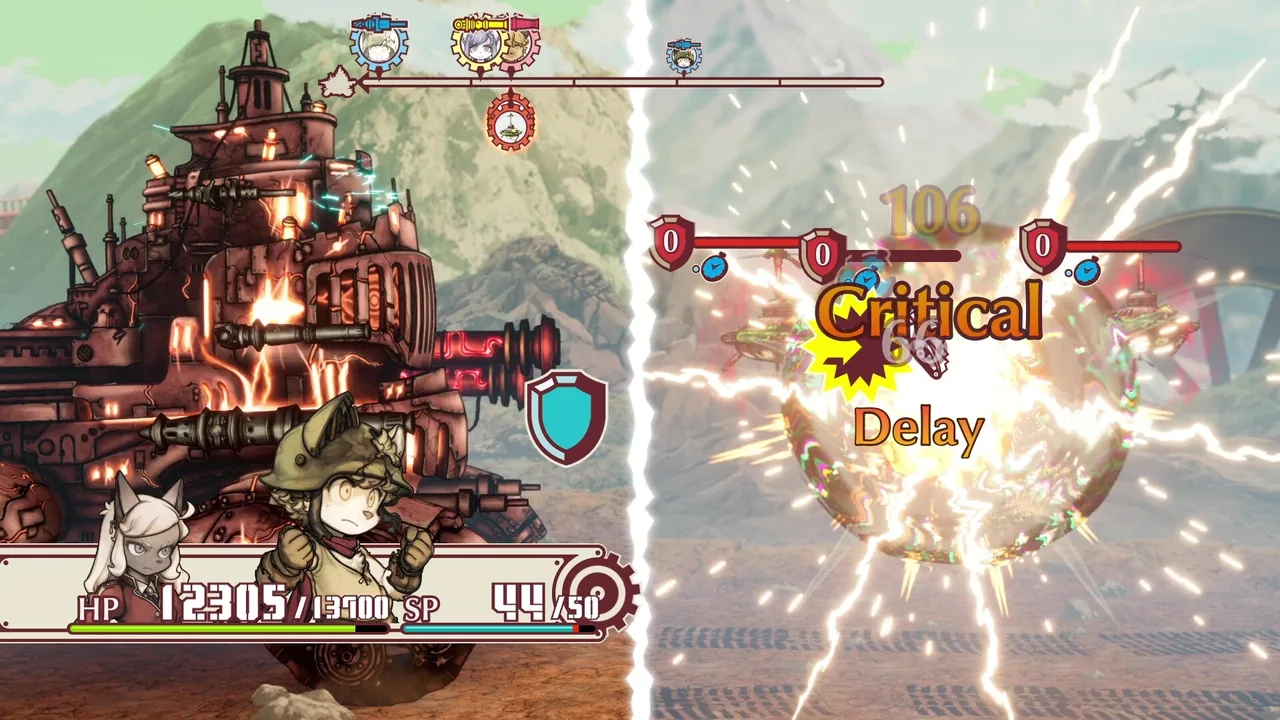
The premise here is genuinely uncomfortable in a way this review's sample repeatedly credits rather than shies from. Crew members level up, gain abilities and can be assigned to the Taranis's cannon, where a specific late-game mechanic — losing a difficult boss fight can force loading a crew member directly into the weapon as ammunition, with no option to reload around the outcome — turns the story's "war is hell" framing into an actual, permanent stake rather than a cutscene assertion. One reviewer's summary of the tonal whiplash captures why it lands: describing the sequel's kindergarten-aged cast being "launched" at enemy forces "while the opposing general asks what in the name of Mr. Rogers is wrong with you." That's not a game using its cute art style ironically — it's using it deliberately, so the moments the story turns dark actually register as a turn rather than a baseline. Reviewers across the sample, positive and negative, agree this mechanic is the game's defining feature; the only real dispute in this review's sample is whether a specific reader wants that in their tactics RPG at all, which is a fair, personal line rather than a design failure.
A very close sequel, by design
The clearest critical thread — present in a share of the small negative sample and echoed as a mild caveat by several positive reviewers — is that this sequel changes remarkably little about the original's structure. One negative reviewer states plainly that despite expecting normal sequel differences, "even the progression systems and leveling systems were the same," describing the experience as closer to restarting a save file than playing something new. A more positive framing of the identical observation, from a reviewer who played both games back to back, calls it "Fuga 1, but more" and says so approvingly, crediting new enemy types and revamped encounters for keeping combat from feeling stale despite the familiar shell. Both readings are describing the same design choice; which one a given player lands on likely depends on how recently, and how thoroughly, they played the original.
A smaller number of reviewers report the midgame growing repetitive on its own terms — one, on chapter 8, describes manually switching crew loadouts between similar encounters as a persistent friction point, alongside puzzle sections they found too simple to hold interest. That's a legitimate pacing critique worth flagging for anyone planning a long, uninterrupted playthrough, even though it represents a minority view within this review's sample.
Presentation and franchise continuity
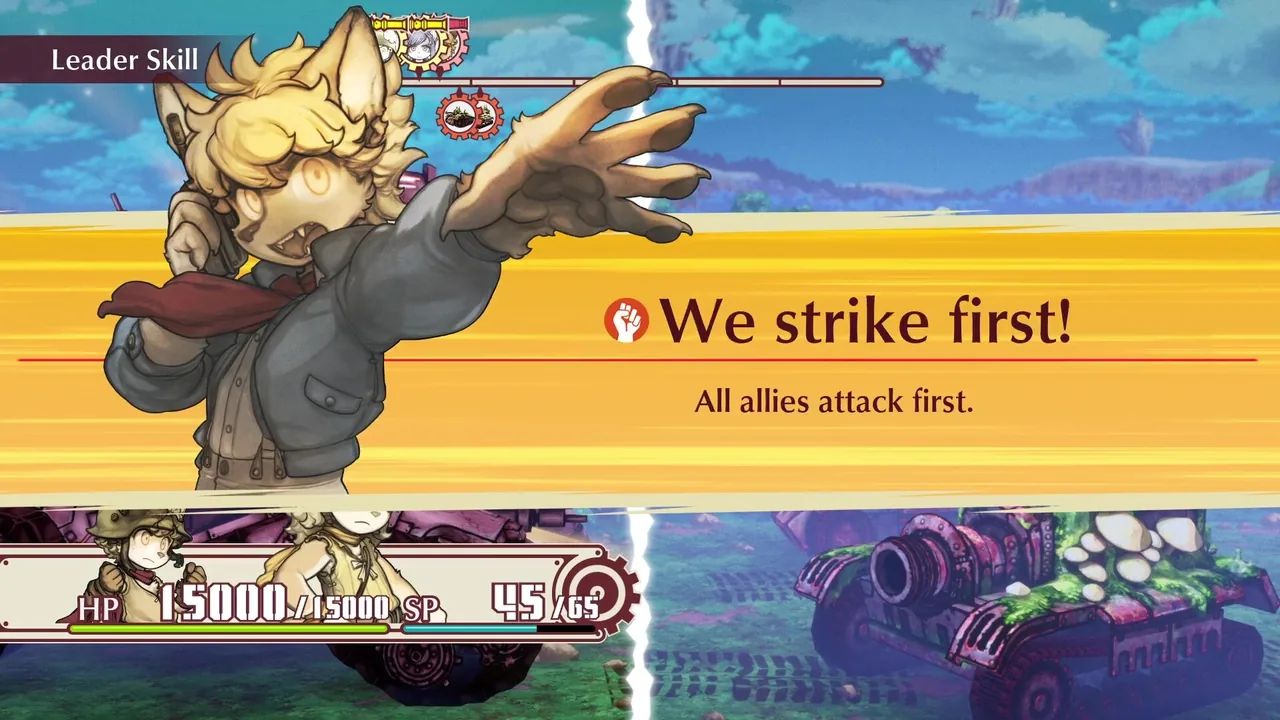
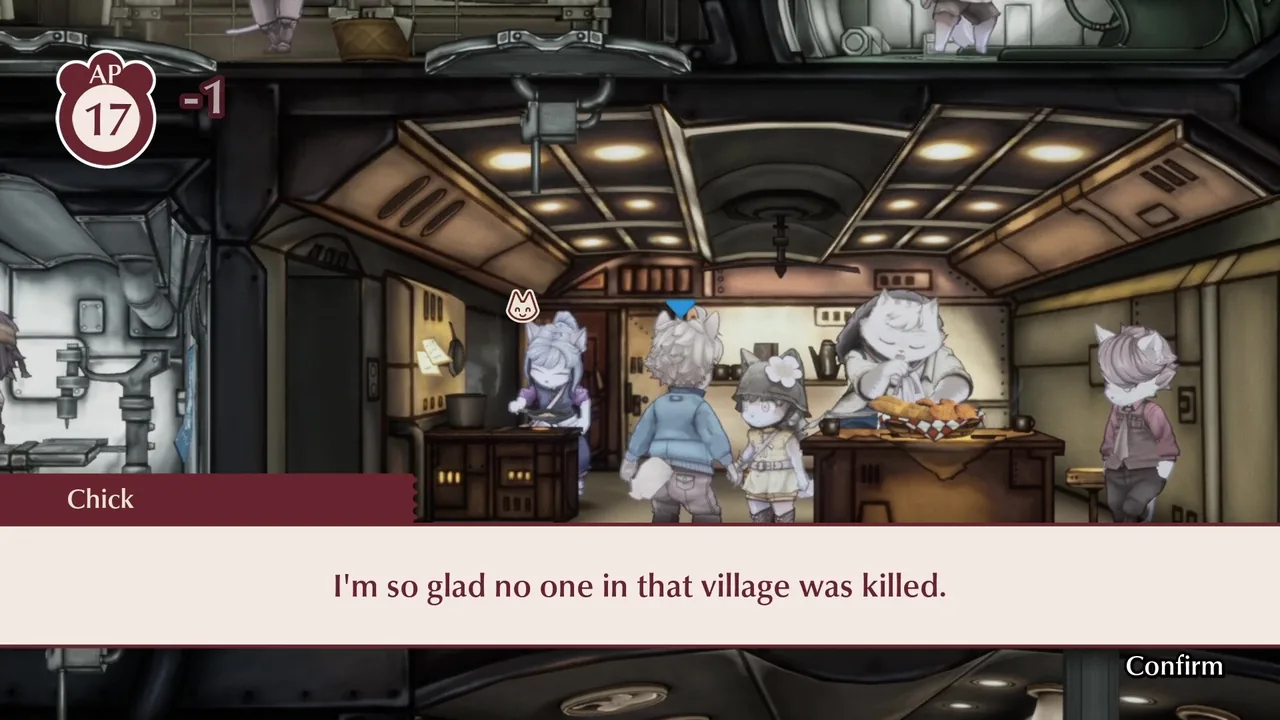
The art direction draws consistent, specific praise across nearly every review this covers, and not merely as a pleasant backdrop — reviewers repeatedly connect the cute character designs directly to why the story's darker turns work as well as they do. Several long-time fans of CyberConnect2's wider Little Tail Bronx series (the studio's older Tail Concerto and Solatorobo titles) express genuine gratitude that a niche franchise got a sequel at all, with one reviewer explicitly hoping the game's reception might convince the studio to revisit those older properties too. That context matters for calibrating expectations: this is a smaller-scale, narratively-driven tactical RPG made with evident affection for its own universe, not a blockbuster aiming for the widest possible audience.
Final Verdict
Fuga: Melodies of Steel 2 succeeds at something genuinely difficult — building a "war is hell" narrative whose weight comes from real, permanent mechanical stakes rather than dialogue alone, and wrapping it in an art style that sharpens the effect instead of undercutting it. The honest criticism in this review's small negative sample isn't about execution; it's that the sequel plays it safe structurally, staying close enough to its predecessor that returning players may feel less surprised than newcomers will. For a tactics RPG fan prepared for what the premise actually asks of them, this is one of 2023's more quietly distinctive releases, and the numbers back that reading up: a corpus this size producing only five dissenting English reviews is a rare thing to find anywhere in this library.
Pros and cons
Pros
- A genuinely distinctive, well-executed "war is hell" narrative that multiple reviewers say lands harder than most games attempting the same theme, precisely because its central mechanical stakes — crew members as living ordnance — are never softened for comfort
- A cute, expressive art style reviewers consistently describe as heightening rather than undercutting the story's darker turns
- Meaningful new systems and enemy variety layered onto the first game's turn-based combat, according to several reviewers who played both, without discarding what worked
- A developer clearly working from genuine affection for its niche Little Tail Bronx universe, continuing a franchise several long-time fans are visibly grateful still exists
Cons
- The most consistent critical note, even among positive reviews, is that the sequel hews very close to the first game's structure, progression and leveling systems, with one reviewer describing it as feeling like restarting a save file rather than playing something new
- A small number of reviewers find the manual loadout-switching and puzzle elements repetitive by the midgame, with one citing chapter 8 as the point the pattern wore thin
- The game's core moral mechanic — permanently losing a child crew member if a boss fight goes badly, with no option to reload around it — is by design rather than a flaw, but is worth stating plainly for any reader sensitive to that kind of narrative weight
Screenshots
-
Fuga: Melodies of Steel 2Image: CyberConnect2 via Steam -
Fuga: Melodies of Steel 2Image: CyberConnect2 via Steam -
Fuga: Melodies of Steel 2Image: CyberConnect2 via Steam -
How the review scores each part of the gameWanderer Editorial -
The essentials at a glanceWanderer Editorial -
The short versionWanderer Editorial