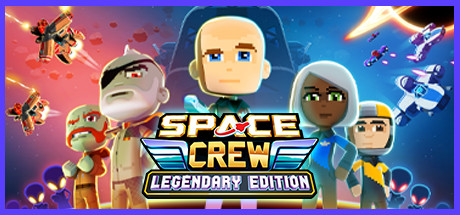
Game review
Space Crew: Legendary Edition
5.5 / 10
- Developer
- Runner Duck
- Publisher
- Curve Games
- Released
- 15 October 2020
- Platforms
- Windows, macOS, Linux
- Genre
- Real-Time Crew Management Simulation
- Monetisation
- Premium one-time purchase; the "Legendary Edition" content update is free to existing owners rather than sold as separate DLC
- Players
- Single-player only
The short version
Space Crew takes Bomber Crew's frantic, multi-station juggling act — assigning crew to guns, repairs and life support faster than the ship can fall apart — and moves it into a 3D spaceship setting with a real Star Trek homage running through its tone. What a large share of the beloved original's own fans report is that the move sideways cost the formula real depth: fewer meaningful upgrades, more repetitive mission structure, and a punishing failure state that Steam's own data shows fewer than one in ten owners ever push through to the end.
Biggest strengths
- The core juggling-act gameplay, assigning a small crew across guns, repairs, medical bay and life support under mounting pressure, is praised by both newcomers and series veterans as tense and genuinely engaging when it clicks
- Difficulty customization options added after launch, including adjustable slow-time limits, resolved a real chunk of early balance complaints, with at least one detailed review explicitly updated to reflect the improvement
- The Star Trek-inspired tone and presentation give the game real personality, distinct from simply reskinning Bomber Crew's World War II setting
Biggest weaknesses
- A large, detailed body of reviews from people who loved Bomber Crew specifically say Space Crew feels like a step down in depth, citing fewer meaningful upgrades per station and less strategic decision-making across a typical mission
- Mission structure is repeatedly described as repetitive — launch, hyper-jump, clear enemies, repeat — with reviewers citing FTL by name as a genre peer offering the variety and tension this game is compared against and found lacking
- Boarding combat, chasing enemies through corridors, is specifically called out as poorly implemented and a weak fit with the otherwise systems-driven crew management at the game's core
Who it's for: Newcomers to the Bomber Crew formula who want a real-time crew-management sim with a sci-fi coat of paint, more than returning fans expecting Bomber Crew's depth simply relocated to space.
Our recommendation: Try the free demo or watch gameplay footage before buying if you loved Bomber Crew specifically — several longtime fans of that game say this sequel doesn't deliver the same depth, and it's worth confirming that for yourself rather than assuming the formula transferred intact.
5.5 / 10
Runner Duck's Bomber Crew asked a simple question: what happens when you give players a small World War II bomber crew, too few hands for too many emergencies, and let the plane fall apart around them in real time? It became a genuine hit precisely because that juggling act was so well-tuned. Space Crew takes the same premise into orbit — a small spaceship crew defending Earth from alien and android threats, wrapped in a tone that borrows liberally and openly from Star Trek. The review sample's verdict on that transition is more divided than most games on this list, and the division runs almost entirely along one line: whether you played Bomber Crew first.
The juggling act still works, on its own terms
Taken without the comparison, Space Crew's core loop holds up. Assigning crew members across gunnery, repairs, medical response and life support as a mission escalates remains a genuinely tense, satisfying puzzle of attention and prioritization, and reviewers new to the format consistently describe it as engaging on exactly those terms. Post-launch difficulty customization — including the ability to make the game's slow-time assist mode effectively unlimited — resolved a meaningful chunk of the harshest early balance complaints, and at least one detailed review was explicitly edited afterward to reflect that improvement, a rare case of a documented, verifiable fix changing a reviewer's mind in the review itself.
Where the comparison to Bomber Crew turns critical
The trouble starts the moment reviewers who loved the original weigh in, and their complaints are specific rather than nostalgic. Multiple detailed reviews report fewer meaningful upgrades per station than Bomber Crew offered, translating into less strategic depth across a typical run. Mission variety draws the same treatment: reviewers describe a repeating shape — launch, jump, clear enemies, repeat — and several explicitly invoke FTL by name as the genre benchmark Space Crew is measured against and found wanting in comparison. Boarding combat, a new addition meant to expand on Bomber Crew's formula, is singled out as a poor fit: chasing enemies through corridors doesn't mesh well with the otherwise systems-driven management gameplay surrounding it.
Failure is reported as unusually costly too — losing a mission can erase hours of accumulated progress, and multiple reviewers describe resorting to force-quitting the game rather than accepting that loss, an informal workaround that itself signals a design problem rather than a clever trick. Steam's own achievement data backs the cumulative weight of these complaints: fewer than one in ten owners ever complete the full game, a notably steep drop-off even among the more difficult titles this review has covered.
A studio that moved on, but didn't disappear
At least one detailed review describes Space Crew as effectively abandoned after roughly seven months of silence following its last patches. That specific claim about this title checks out against the visible gap in Runner Duck's own announcement history. What it doesn't capture is the fuller picture: the studio didn't fold or vanish, it went on to build a third entry in the same "Crew" franchise, released years later, and the developers' own retrospective messaging frames Space Crew as a real, if imperfect, stepping stone in that longer arc rather than a project quietly written off. That's meaningful context for anyone weighing whether a small studio's specific game was abandoned versus whether the studio itself moved on to its next attempt at the same idea.
A tutorial that hides more than it teaches
A more specific and fixable complaint concerns onboarding. Multiple reviewers describe the tutorial as poorly choreographed, with most of the game's unlockable systems and upgrades kept hidden from new players until well past the opening missions rather than introduced gradually. One detailed review calls this out directly, noting the first mission amounts to little more than moving crew members back and forth, giving newcomers no real sense of the systems they'll eventually need to master under pressure. Combined with the absence of any pause button — a deliberate design choice consistent with the genre's real-time tension, but one that punishes players still learning the interface — the early hours are reported as considerably harder to parse than they should be, independent of the mission-design complaints discussed above.
Weighing the achievement gap against Bomber Crew's own numbers
The under-10%-completion figure is worth putting in context rather than treating as self-evidently damning: real-time crew-management sims in this specific niche tend to run harder completion curves than most genres, since a single unrecovered emergency can end a run regardless of accumulated skill. Still, reviewers who played both games in the series consistently describe Space Crew's punishment for failure as harsher than Bomber Crew's, not just harsh in the abstract — the specific complaint is about proportionality, losing hours of progress to a single bad jump, rather than about difficulty existing at all. That distinction matters for calibrating how much weight to put on the completion numbers: they're evidence of a genuinely punishing design, read alongside reviewer testimony about why, not proof on their own that something is broken.
Verdict
Space Crew succeeds as a tense, real-time crew-management sim on its own terms, and reviewers meeting it without Bomber Crew baggage generally find real value in that core loop. Where it falls short is against its own predecessor's shadow: a large, specific, well-documented body of longtime fans reports real losses in depth, mission variety and fairness, backed by achievement data showing very few players see the game through to the end. Go in with those specific comparisons in mind rather than assuming the formula simply relocated intact.
Pros and cons
Pros
- The core juggling-act gameplay, assigning a small crew across guns, repairs, medical bay and life support under mounting pressure, is praised by both newcomers and series veterans as tense and genuinely engaging when it clicks
- Difficulty customization options added after launch, including adjustable slow-time limits, resolved a real chunk of early balance complaints, with at least one detailed review explicitly updated to reflect the improvement
- The Star Trek-inspired tone and presentation give the game real personality, distinct from simply reskinning Bomber Crew's World War II setting
- The "Legendary Edition" content update was delivered free to existing owners rather than sold as paid DLC, a detail several long-time players specifically credit the small studio for
- Runner Duck's continued investment in the wider "Crew" franchise, including a further entry years later, shows the studio's commitment to the format even after this specific game's active support wound down
Cons
- A large, detailed body of reviews from people who loved Bomber Crew specifically say Space Crew feels like a step down in depth, citing fewer meaningful upgrades per station and less strategic decision-making across a typical mission
- Mission structure is repeatedly described as repetitive — launch, hyper-jump, clear enemies, repeat — with reviewers citing FTL by name as a genre peer offering the variety and tension this game is compared against and found lacking
- Boarding combat, chasing enemies through corridors, is specifically called out as poorly implemented and a weak fit with the otherwise systems-driven crew management at the game's core
- Losing a mission is reported as disproportionately punishing, costing hours of accumulated progress, which several reviewers say pushed them toward workarounds like force-quitting rather than accepting the loss as part of the design
- Global achievement data shows under 10% of owners ever complete the full game, one of the steeper completion drop-offs on this list, consistent with reviewers' accounts of repetition and punishing failure states wearing players down before the ending
Screenshots
-
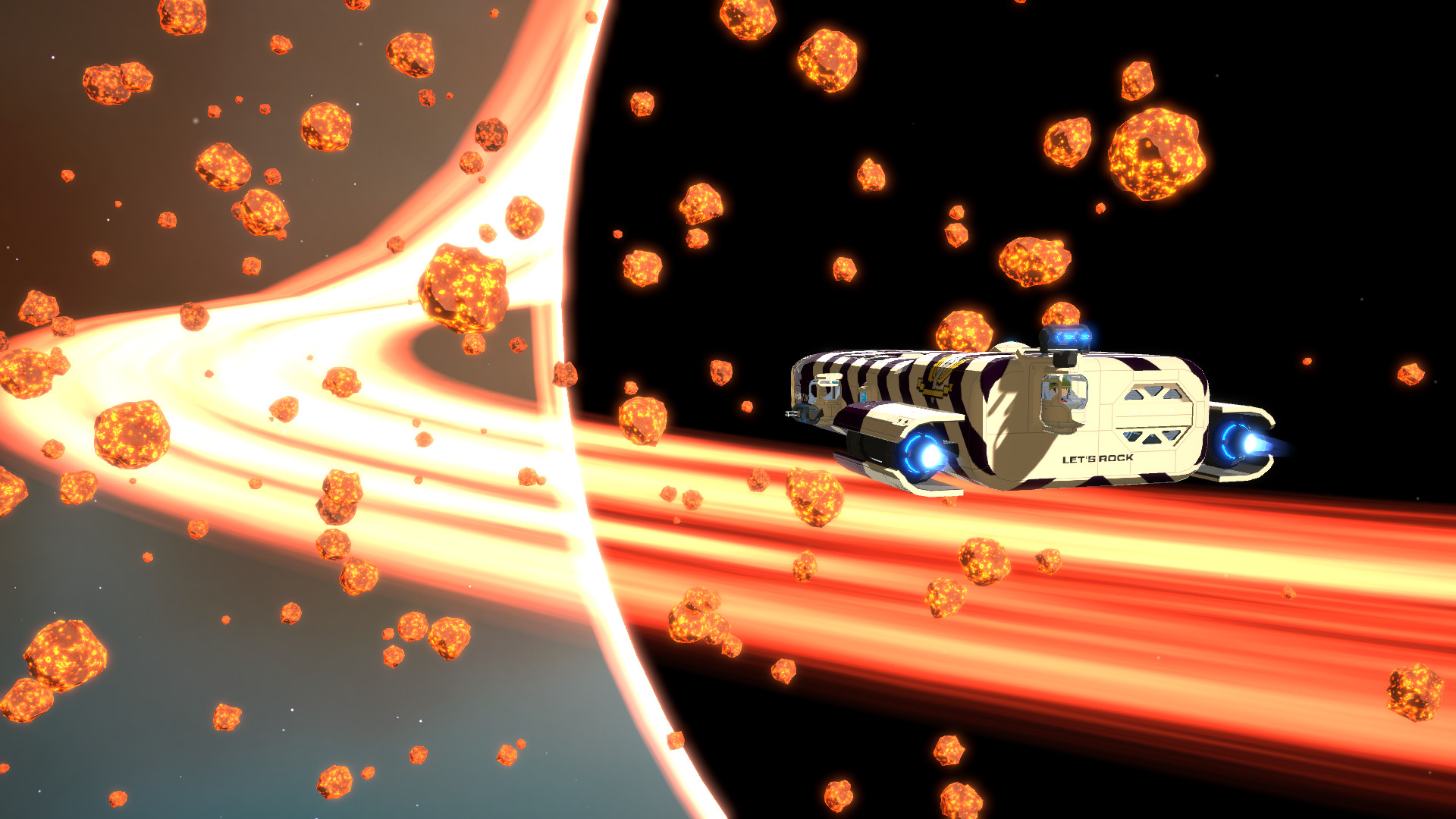
Space Crew, Legendary EditionImage: Curve Games via Steam -
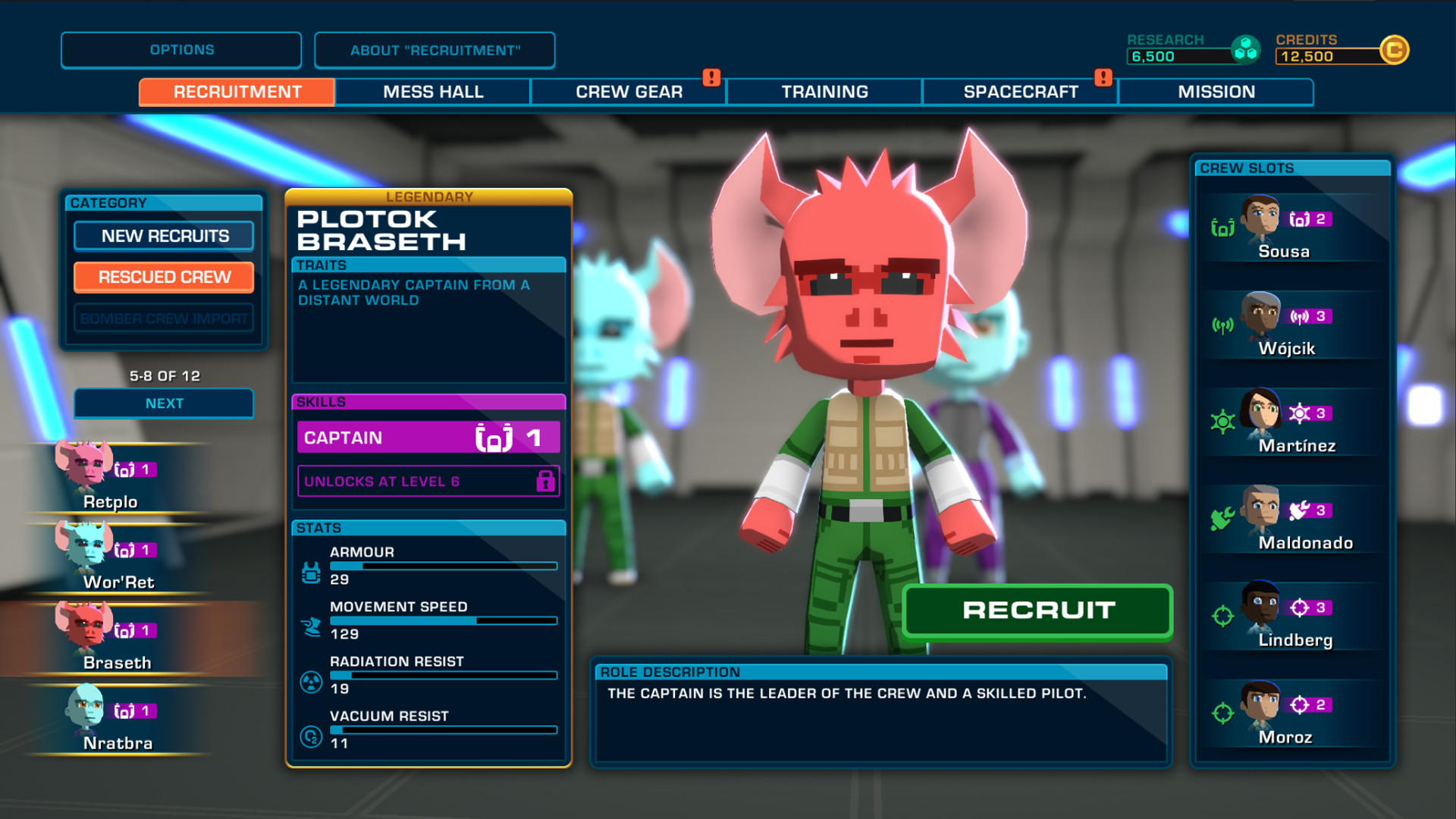
Space Crew, Legendary EditionImage: Curve Games via Steam -
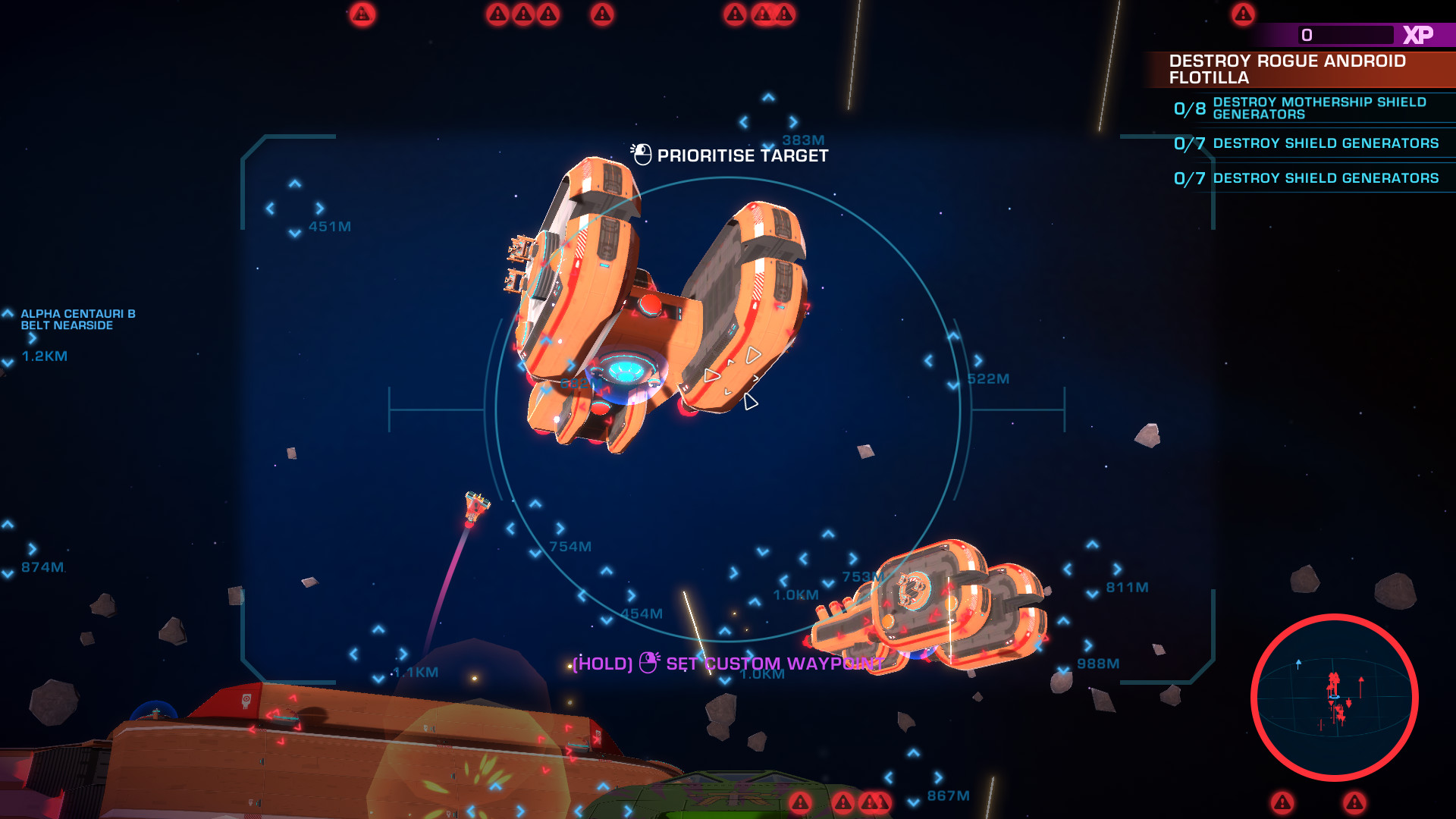
Space Crew, Legendary EditionImage: Curve Games via Steam -
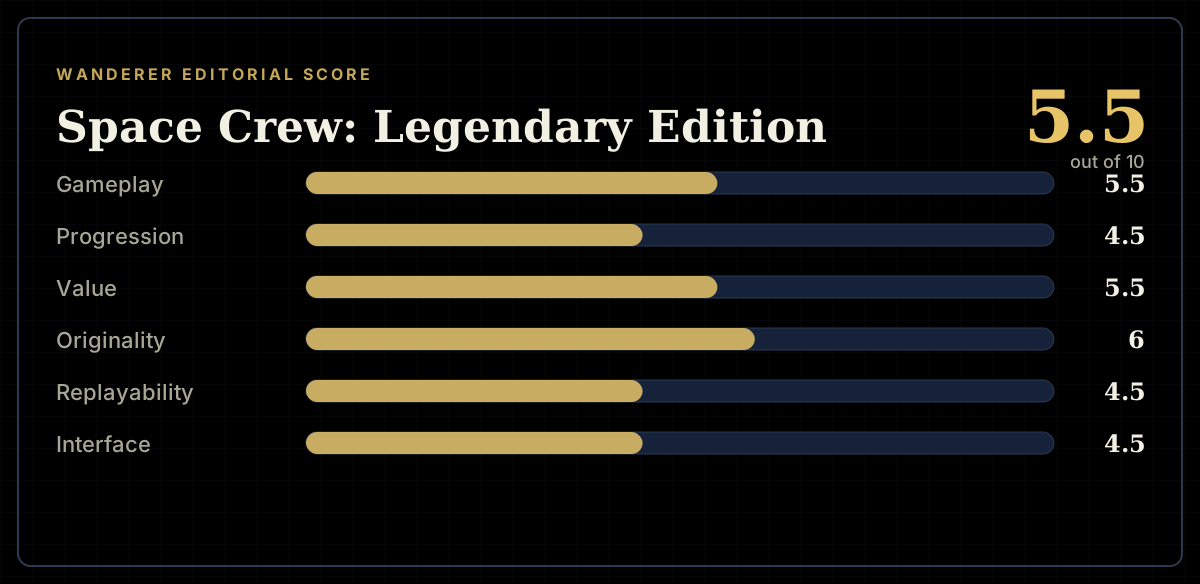
How the review scores each part of the gameWanderer Editorial -
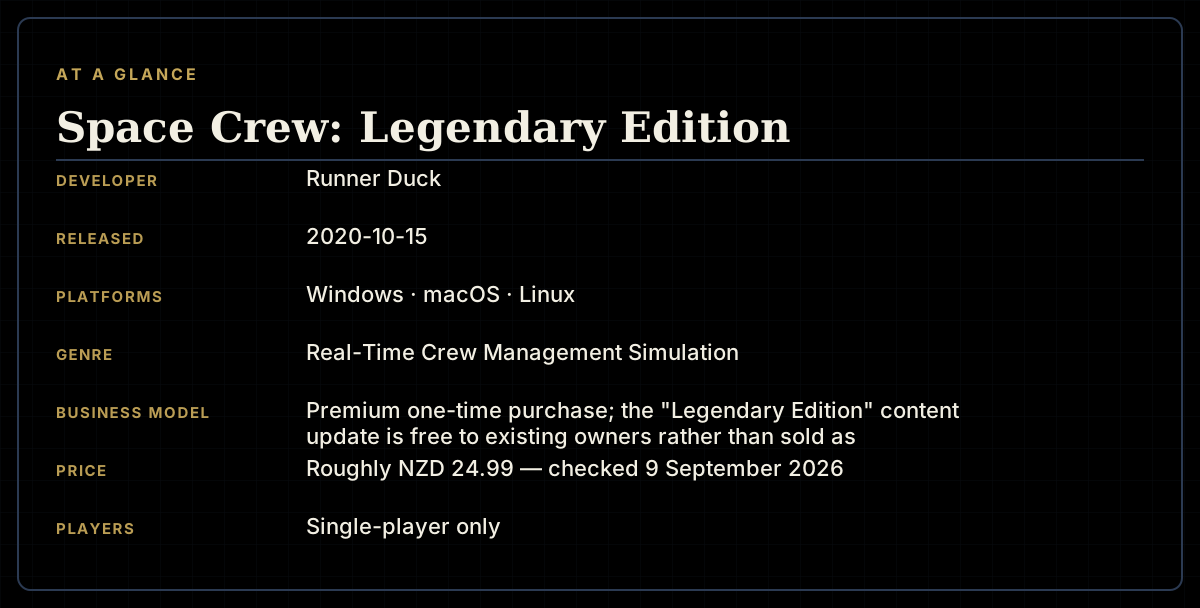
At a glanceWanderer Editorial -
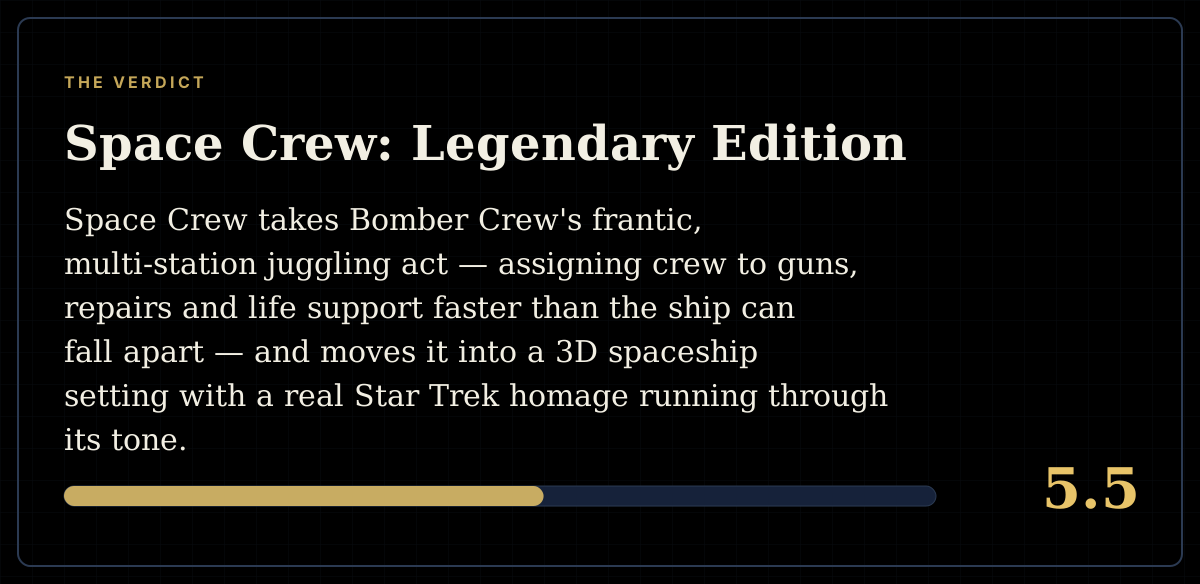
The short versionWanderer Editorial