Kopla Games' minimalist auto-run dungeon crawler grew a sequel's worth of heroes, guilds and elemental gear over seven years of live support, and the one thing that didn't survive the expansion is the thing its name promised.
A post-apocalyptic caravan roguelike deckbuilder with genuine style and positional combat depth, at the center of a real, detailed disagreement over whether its card design actually rewards strategy or just punishes bad luck.
A minimalist, tile-based post-apocalyptic road-trip survival game that splits its review corpus almost perfectly in half over one question: is its unforgiving difficulty fair and tightly balanced, or genuinely broken?
A surreal, deliberately punishing survival-horror narrative following a doctor's twelve days fighting a mysterious plague, Very Positive across more than 4,600 reviews for genuinely singular atmosphere and storytelling — undercut by widely reported severe performance problems, and by a specific, verifiable fact that two of the three originally planned character routes were spun off into a separate, later-released paid game rather than delivered as part of this one.
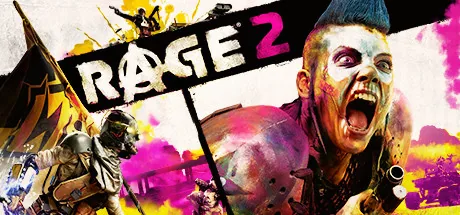
id Software's gunplay is close to universally praised even by critical reviewers, but a launch-era complaint about mandatory Rage Coin virtual currency gating DLC purchases has since largely faded, leaving a more durable, unresolved complaint about a short campaign and an open world reviewers across every year describe as colourful but empty.
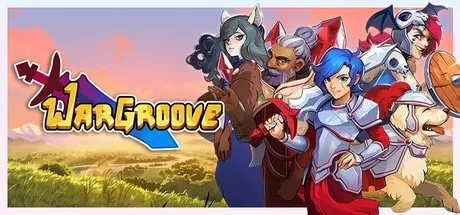
WayForward's gorgeous beat-em-up RPG hybrid delivers career-best pixel art and a genuinely funny script, undercut by the same studio's own decision — pointedly noted by reviewers — not to ship the online co-op their earlier Double Dragon Neon had seven years before it.
Edmund McMillen's cardboard-diorama prequel to The Binding of Isaac launched in November 2019 missing a volume slider, controller support and the ability to save mid-run — and its Steam history is an unusually clean before-and-after case study in what a genuinely substantial free update, delivered a year late with a public apology attached, can do to a game's reputation.
Deck13's sci-fi souls-like sequel fixes the first game's biggest complaints — bigger city, better combat, a real parry system — and its own review corpus is unusually consistent that it succeeded, even as a wave of much more recent reviews complain the PC build has since rotted into crashes and broken textures on modern hardware.
A genuinely one-of-a-kind fusion of bullet-hell shmup and typing game that even fast typists call brutally difficult — beloved for its novelty and style, but marred by real technical bugs and a genuine, unresolved debate over whether dodging and typing at once is fun or just exhausting.
Justin Roiland's improvised, Rick and Morty-flavoured comedic platformer, playable in VR or on a flat screen — beloved by fans of his specific brand of rambling absurdist humour, and a genuine slog for anyone who isn't.
A well-loved anime-styled incremental RPG about training an escaped fighting-machine hero across the galaxy — genuinely deep for its niche, since delisted by mutual agreement between its developer and publisher.
A gorgeous, comic-book-styled scavenger shooter whose default difficulty setting undersells its own best qualities — reviewers who stuck with easy mode call it shallow, while at least one who switched to Hard found a completely different, much better game underneath.
A charming, adorable-looking spiritual successor to Advance Wars whose dominant, stable complaint across every year since launch is a direct, unfavourable comparison to that very franchise — reviewers who came looking for Advance Wars' tactical depth consistently describe Wargroove's combat and unit variety as shallow by comparison.
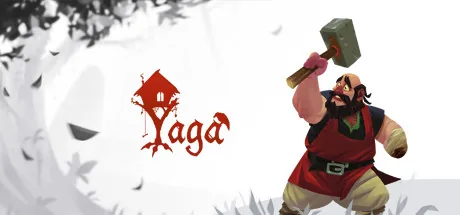
A hand-drawn Slavic-folklore action RPG about a one-handed, cursed blacksmith, still Very Positive on Steam seven years on -- but critics and players have agreed, with striking consistency since launch week, that the art, story and Romanian folk soundtrack are carrying a combat and crafting system that never got fixed.
A stylish, rocket-boot-powered vertical rogue-lite FPS with a genuinely compulsive climb-and-shoot loop, held back by steep, under-explained difficulty and a small studio that moved on to other projects before fully finishing it.
The game that put "idle" in front of a whole generation of mobile RPGs is still being patched weekly seven years on, folded this year into a "Companions" relaunch that reunites its oldest servers — underneath the fresh coat of paint, its gacha economy is still one of the harsher ones in the genre it helped invent.
A charming Reigns-style swipe-card fantasy adventure with real RPG character building underneath, undercut by an unexplained time limit, a farmable balance flaw, and content that eventually starts repeating.
Bloober Team's psychological horror sequel to the found-footage classic nails atmosphere and a genuinely beloved companion dog, then loses its nerve in a repetitive, padded back stretch that most reviewers say undercuts everything that came before.
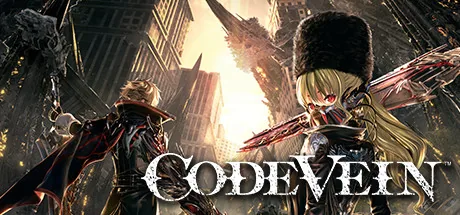
\"Anime Dark Souls\" with one of the genre's best character creators — and a co-op mode reviewers say quietly withholds story progression from the non-host player, a specific complaint distinct from the usual difficulty grumbling.
A visually stunning pinball-inspired dungeon crawler whose striking geometric art and atmosphere draw near-unanimous praise, while a large, detailed share of its own reviewers argue the core ball-launching combat loop underneath is simple, repetitive and frustrating rather than the deep puzzle-action hybrid it promises.
A technically excellent, punishing rally simulator that improves on its acclaimed predecessor's driving feel — undercut by an always-online career mode that has repeatedly wiped players' progress, and a post-launch DLC structure several reviewers call a bait-and-switch.
A solo-developer fantasy deckbuilder with an enormous amount of races, classes and customization options — beloved by players who sink hundreds of hours into it, and picked apart in detail by a substantial minority who find the complexity dressing up a shallow, repetitive card game.
A hand-drawn Valkyrie Profile-inspired action-RPG platformer with genuinely gorgeous art and inventive combat, permanently marked by Lab Zero Games' studio collapse — a well-documented incompleteness reviewers treat as central to the game's identity, not a footnote.
Bloober Team's psychological horror sequel trades its predecessor's slow-burn dread for an 'absurd amount of chase sequences,' in the words of one top review — a deliberate overcorrection to feedback on the first game that splits this corpus almost exactly down the middle.