Game review
Yaga
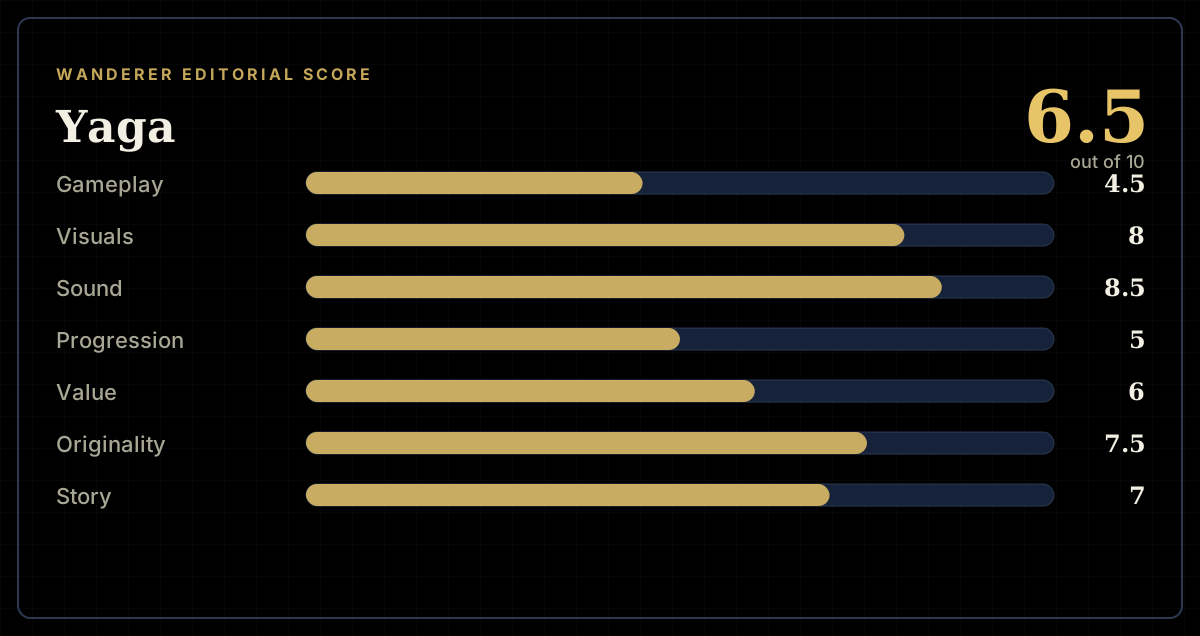
6.5 / 10
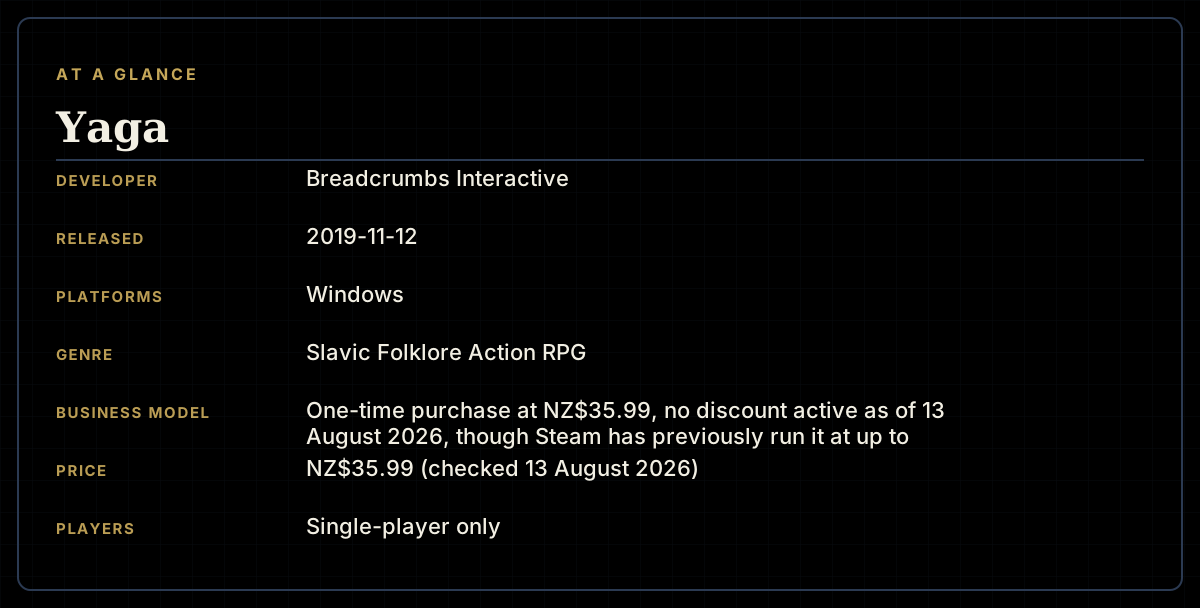
- Developer
- Breadcrumbs Interactive
- Publisher
- Versus Evil
- Released
- 12 November 2019
- Platforms
- Windows
- Genre
- Slavic Folklore Action RPG
- Monetisation
- One-time purchase at NZ$35.99, no discount active as of 13 August 2026, though Steam has previously run it at up to 80% off. No microtransactions or DLC beyond an optional soundtrack.
- Players
- Single-player only
The short version
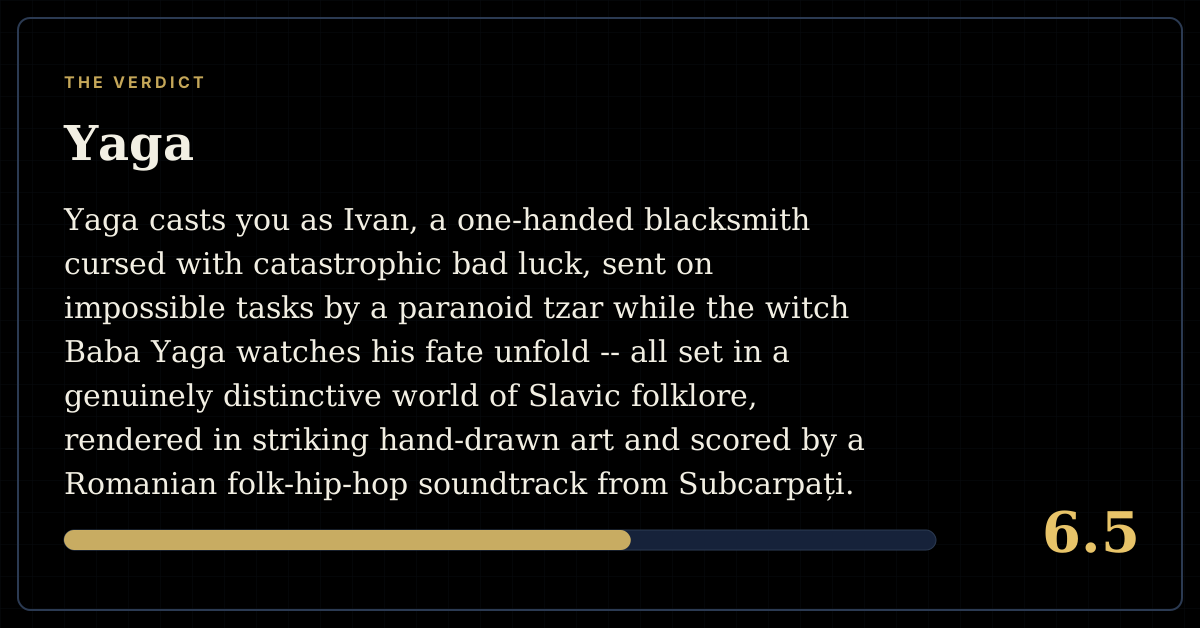
Yaga casts you as Ivan, a one-handed blacksmith cursed with catastrophic bad luck, sent on impossible tasks by a paranoid tzar while the witch Baba Yaga watches his fate unfold -- all set in a genuinely distinctive world of Slavic folklore, rendered in striking hand-drawn art and scored by a Romanian folk-hip-hop soundtrack from Subcarpați. Launch critics were mixed (a 65 average across 17 outlets, recommended by only 24%), praising the atmosphere and personality while consistently flagging "average combat" and "pedestrian level design" as the drag on an otherwise distinctive game.
Seven years on, Steam's audience makes almost exactly the same argument: Very Positive at 81.5% of 660 reviews, with a 26-review negative sample dominated by one specific, recurring complaint -- repetitive, stamina-starved combat built around a shield-and-grapple system and a weapon- durability mechanic that several reviewers call the single thing holding an otherwise charming game back. "I could write an essay about how poor the system of combat and crafting is in Yaga," reads one representative review, "but it's a problem of the very core of the game and it's not fixable." That the same specific complaint appears in near-identical language in November 2019 and September 2025 is a strong signal it was never a bug -- it's a design choice players have never warmed to.
Biggest strengths
- A genuinely distinctive setting -- Slavic folklore and Pagan mythology rendered in striking hand-drawn 2D art, rare territory for the genre
- A head-bobbing Romanian folk-hip-hop soundtrack from Subcarpați that reviewers single out as a highlight even inside otherwise negative reviews
- Reputation and personality systems that let choices shape Ivan's story and available upgrades, with genuine narrative personality and dark comic voice acting throughout
Biggest weaknesses
- Combat is the single most consistent complaint across the entire seven-year review history -- repetitive, stamina-limited, and built around a shield-and-grapple loop several reviewers call a "slog" rather than a challenge
- A weapon-durability system draws specific, pointed dislike for adding inconvenience without meaningfully deepening the crafting loop around it
- Launch critics were genuinely mixed rather than warm -- a 65 average across 17 outlets and just 24% recommending it, with "average combat" and "pedestrian level design" as the recurring specific criticisms
Who it's for: Players drawn in by Slavic folklore, striking 2D art and a genuinely different musical identity, who can tolerate combat that critics and players alike describe as a slog rather than a highlight. A poor fit if combat depth or responsiveness is your priority in an action RPG.
Our recommendation: Worth playing for the atmosphere, story and soundtrack specifically -- best picked up on a sale given how consistently both critics and players single out the same core-gameplay weakness across the entire seven years since launch.
6.5 / 10
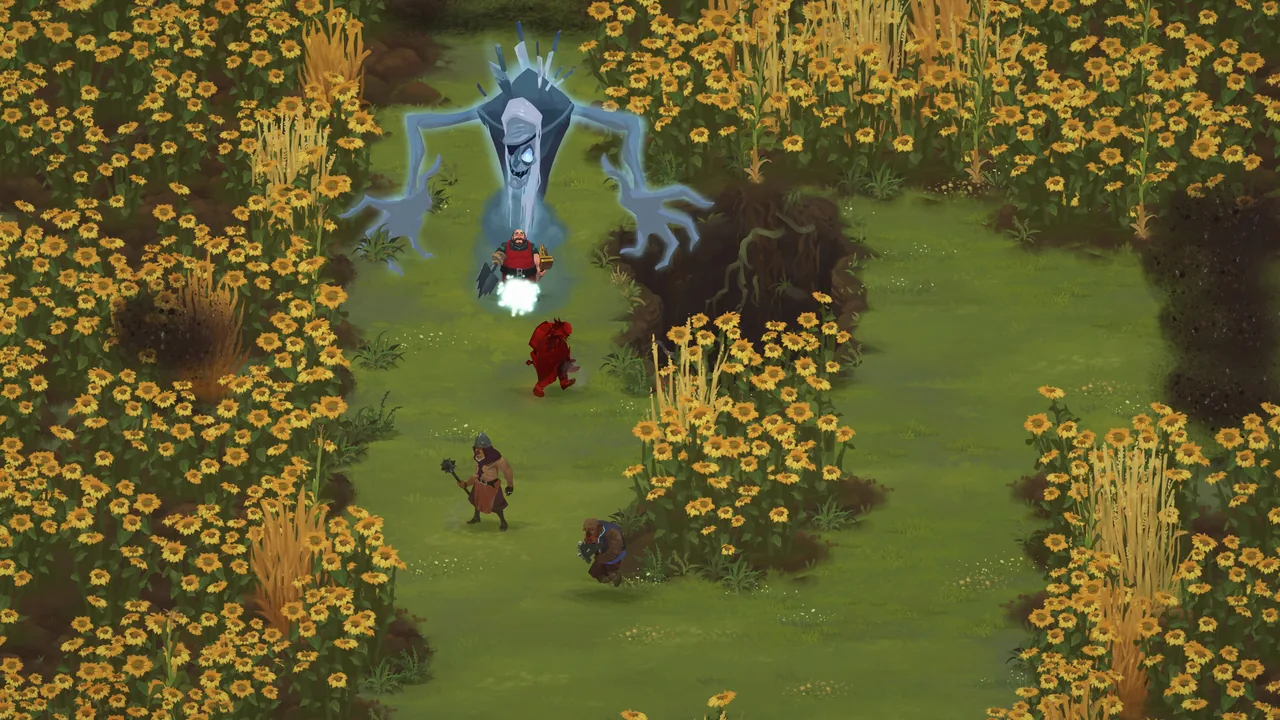
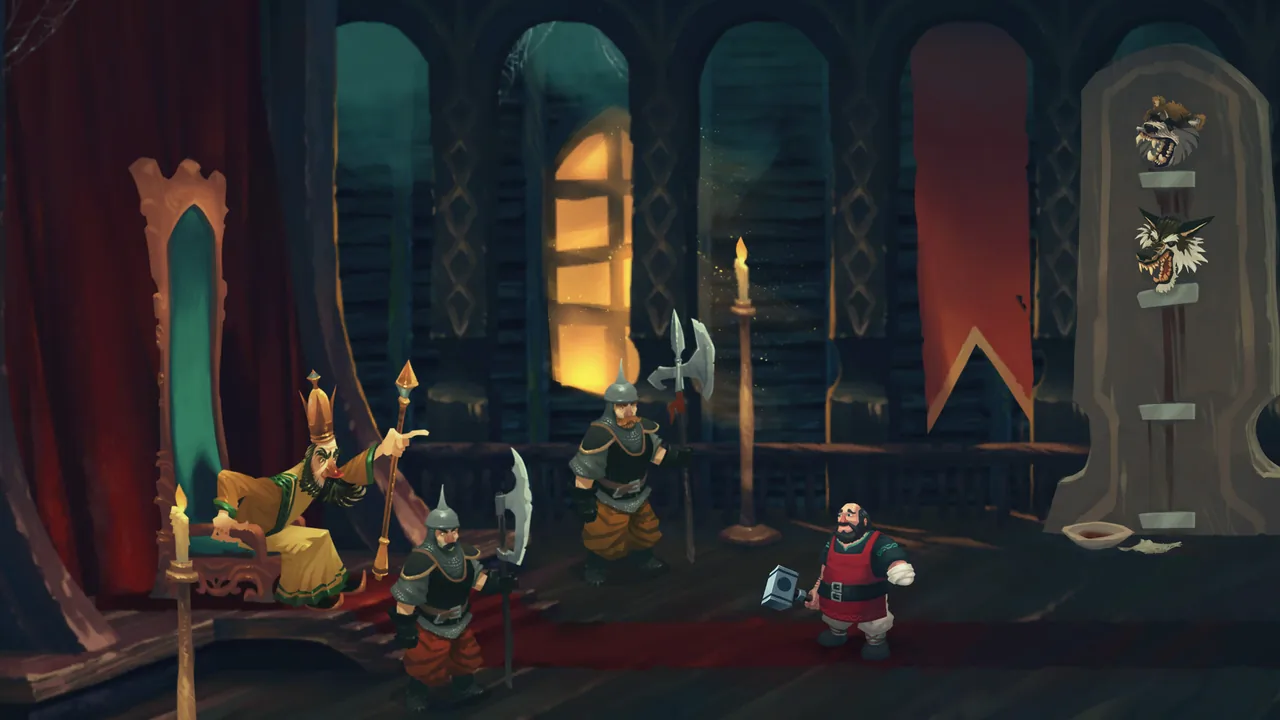
Ivan is a blacksmith with one hand and no luck at all. Cursed to fail at everything he attempts, he's nonetheless conscripted by a paranoid tzar to complete a string of impossible tasks, all while the witch Baba Yaga watches his fate play out from the margins with what reads, in the game's dialogue, as genuine amusement. It's a distinctive premise for an action RPG, rendered by Romanian studio Breadcrumbs Interactive in striking hand-drawn 2D art and scored by a Romanian folk-hip-hop soundtrack from the band Subcarpați — genuinely unusual territory for the genre, and the specific thing that's kept Yaga on people's radar seven years after it first released for iOS on 25 October 2019, followed by PC, PS4, Xbox One and Switch versions on 12 November that year. (Steam's own store page lists a January 2021 date — that's the game's arrival on that specific storefront after an earlier stint exclusive to the Epic Games Store, not the original release, which happened over a year earlier.)
What critics said at launch, and what players still say now
What makes Yaga an unusually clean case study, seven years out, is how little the conversation around it has moved. Launch critics were genuinely mixed rather than warm — an aggregate 65 across 17 outlets, with only 24% recommending it — and the specific shape of that reception has held remarkably steady. Reviewers at the time praised the atmosphere and personality unreservedly: "Yaga has bags of personality and benefits greatly from being steeped in superbly atmospheric Slavic folklore," read one contemporary review, before adding that "the amazing theme and artwork just can't carry the lackluster gameplay." Another described "some pretty average combat, pedestrian level design" dragging against an otherwise distinctive game.
Pull a negative-review sample from Steam today, spanning January 2021 through September 2025, and the same two-part argument reappears with striking consistency. "I really wanted to like this game," reads one representative review. "I loved the artstyle, music and dialog. However, the combat and crafting is not very good." Another, from a player who spent 405 minutes with the game before giving up on it, is blunter: "I could write an essay about how poor the system of combat and crafting is in Yaga, but it's a problem of the very core of the game and it's not fixable." That specific framing — a genuine, detailed appreciation for everything around the fighting, paired with a conviction that the fighting itself is a structural rather than a superficial problem — shows up again and again, in reviews written years apart by players who've clearly never seen each other's.
Where the combat specifically breaks down
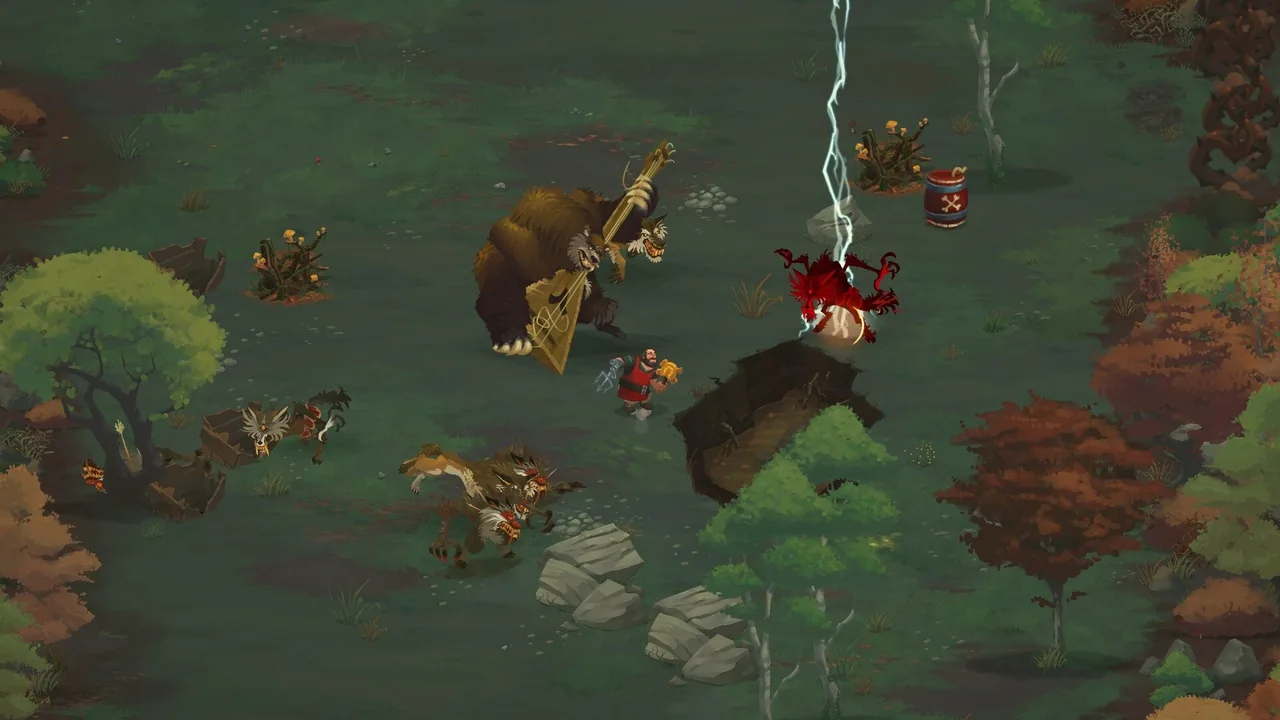
The complaints aren't vague. One especially detailed review lays out the mechanical chain precisely: Ivan's stamina bar drains with every dodge roll, which is manageable in isolated fights, but most human enemies carry shields that block frontal attacks and can only be stripped using a grappling hook — which also costs stamina. Group encounters against multiple shielded enemies turn stamina management into what the reviewer calls "kind of a nightmare," made worse by enemies dealing roughly a third of Ivan's health per hit and a healing system that punishes overuse by building toward its own failure state. It's a genuinely specific, mechanically literate complaint rather than a vague "combat bad" dismissal, and it maps cleanly onto the broader, repeated pattern across the review sample: not that the fighting is too hard, but that it's repetitive and imbalanced in ways that make encounters feel like a chore rather than a test.
Sitting alongside combat, a weapon-durability system — tools break with use and must be replaced or repaired — draws its own specific dislike. "I hate the idea of a weapon being able to break," reads one 2025 review, "it doesn't bring anything to the game except bringing inconvenience." It's a mechanic that, on paper, should deepen the game's crafting systems by creating ongoing demand for materials; in practice, reviewers consistently describe it as friction without payoff, adding busywork to combat that many already found tiring rather than giving crafting a meaningful reason to exist.
The reputation system, and what the achievement data shows
Yaga's more genuinely interesting systemic idea — a reputation and personality mechanic that shapes Ivan's story and available skills based on player choices across the run — gets a more mixed reception. Several reviewers credit it with real narrative texture, but one detailed review notes that "tying progression to your character's attitude seems cool but doesn't seem to" fully follow through, without elaborating much further — a sense that the idea is more interesting in concept than in the moment-to-moment result. The global achievement data offers a useful, concrete window into how far that system's payoff actually reaches: the starting achievement, appropriately named for Ivan's one-handed blacksmith trade, sits at 90.3% completion, but the game's multiple distinct endings — including specific tzar and death outcomes — sit at just 1.0-1.3% each. That's a steep enough drop to suggest most players who finish the game see it once and move on, rather than replaying to explore how differently the story can resolve, which is presumably the entire point of building a reputation-driven branching narrative in the first place.
Verdict
Yaga is a genuinely distinctive, well-realised piece of world-building — Slavic folklore is rare territory for an action RPG, the hand-drawn art and Subcarpați soundtrack give it a personality few other games in the genre have, and the writing and voice acting carry real dark-comic charm. What's kept it from climbing higher than Very Positive, consistently, across seven years and two separate audiences (professional critics at launch, and the players who've bought it since), is a combat and crafting loop that both groups independently arrived at nearly identical complaints about: too repetitive, too stamina-starved, and undercut rather than deepened by a weapon-durability system that adds friction without adding depth. That consistency across time and audience is itself the most useful piece of evidence here — this was never a launch-week rough patch that got smoothed out later. It's a fixed part of what the game is.
6.5 out of 10. A beautifully realised, distinctively voiced world let down by a combat system that critics flagged in November 2019 and players are still flagging today — worth playing for the folklore, the art and the soundtrack, best bought on a sale given how little the core complaint has moved in seven years.
Pros and cons
Pros
- A genuinely distinctive setting -- Slavic folklore and Pagan mythology rendered in striking hand-drawn 2D art, rare territory for the genre
- A head-bobbing Romanian folk-hip-hop soundtrack from Subcarpați that reviewers single out as a highlight even inside otherwise negative reviews
- Reputation and personality systems that let choices shape Ivan's story and available upgrades, with genuine narrative personality and dark comic voice acting throughout
- A distinctive, charming protagonist premise -- a one-handed blacksmith cursed with catastrophic bad luck -- that critics and players agree gives the game real character
Cons
- Combat is the single most consistent complaint across the entire seven-year review history -- repetitive, stamina-limited, and built around a shield-and-grapple loop several reviewers call a "slog" rather than a challenge
- A weapon-durability system draws specific, pointed dislike for adding inconvenience without meaningfully deepening the crafting loop around it
- Launch critics were genuinely mixed rather than warm -- a 65 average across 17 outlets and just 24% recommending it, with "average combat" and "pedestrian level design" as the recurring specific criticisms
- Multiple story endings exist but the achievement data shows only 0.9-1.3% of players reach the less common ones, suggesting most players don't finish enough playthroughs to see them
Screenshots
-
YagaImage: Versus Evil via Steam -
YagaImage: Versus Evil via Steam -
YagaImage: Versus Evil via Steam -
How the review scores each part of the gameWanderer Editorial -
The essentialsWanderer Editorial -
The short versionWanderer Editorial