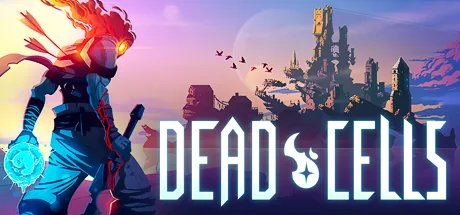
Motion Twin's roguelite metroidvania turned a simple pitch — permadeath runs through a procedurally reassembled castle — into one of the best-supported action games on Steam, and it mostly still holds up now that the studio behind its five years of updates has closed the book.
The former Telltale team proved the choice-driven narrative game was never dead, just badly run — four million copies, a BAFTA and 97.5% across 181,617 reviews, most of whose complaints are about a release schedule that has since ended.
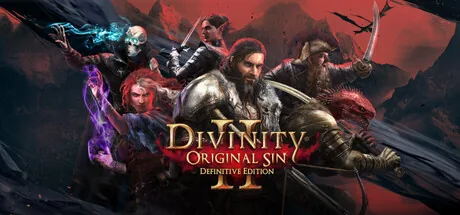
Nine years on, the game that taught Larian how to build Baldur's Gate 3 is still the sharper tactical puzzle of the two — a combat system built from fire, water and armour that rewards a party that thinks in physics, and a brutal opening act that punishes one that doesn't.
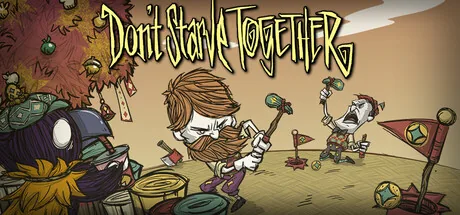
Klei's co-op survival sandbox turns Wilson's original nightmare into a shared one, where the real threat isn't the Deerclops so much as what happens when nobody on the team remembers it's coming. A decade of free content updates against 49 mostly-cosmetic DLC entries makes it a genuinely useful case study in how to monetise a survival game politely.
The Definitive Edition of Dragon Quest XI doesn't reinvent the turn-based JRPG, and that's the point — an orchestral score, a full second 2D presentation of the same 100-hour campaign, and combat that trusts the format instead of subverting it.
FromSoftware's expansion to Elden Ring set a Metacritic record as the highest-rated DLC ever released, and its Land of Shadow, art direction and soundtrack are close to undisputed among even its harshest critics — but a genuinely serious, well-argued minority of veteran Souls players, and Steam's own more tempered review score, describe specific late-game boss design and launch-week performance problems severe enough that FromSoftware issued a dedicated balance patch in direct response within two weeks.
A subscription MMORPG where one character can learn every job in the game, and where the story you're required to sit through before reaching the current patch has grown into a decade-plus commitment. Reviewed with Dawntrail current and patch 7.55 freshly out.
The 2018 society-survival strategy game that made keeping a city's generator running feel like a moral crisis. Eight years and 136,000-plus Steam reviews later, Frostpunk still holds a Very Positive rating — earned by a first playthrough nothing else quite replicates, and complicated by a second and third playthrough that keep finding the same optimal path.
Supergiant's first-ever sequel splits its roguelite loop into two directions instead of one, hands Melinoë a mana bar to manage on top of her dash, and asks you to keep three separate meta-progression tracks fed at once — an ambitious redesign that mostly earns its scope. It also shipped a 1.0 ending that triggered a real backlash, one Supergiant is still visibly patching a response to nine months later.
Warhorse Studios' medieval simulation grows up without losing its stubbornness — a sequel that fixes the first game's roughest edges while doubling down on the idea that realism should cost you something. The result is one of the most complete RPGs of the last few years, provided you're willing to let a swordfight or a bowl of stew go badly.
A fantasy JRPG from the Persona 5 team that turns an election campaign into a turn-based RPG's core loop, built around a class system deep enough to carry the whole eighty-hour runtime and a calendar that never lets you forget the clock is running.
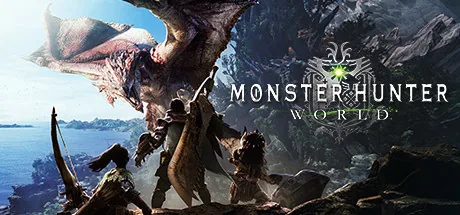
Capcom's breakout entry turned a niche Japanese series into a global phenomenon by making its hardest lesson — learn the monster, not the menu — finally worth teaching. Eight years on, the hunt loop still holds up better than almost anything that copied it, even if the gear ladder's endgame RNG and a genuinely obtuse multiplayer system haven't gone anywhere.
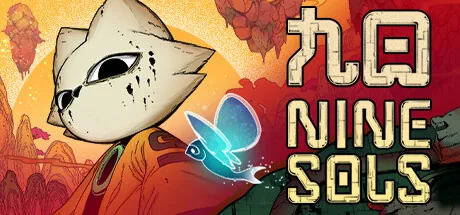
A hand-drawn Taopunk action-platformer that translates Sekiro's deflection combat into 2D with remarkable precision — and asks you to accept that parrying is the only real answer it has.
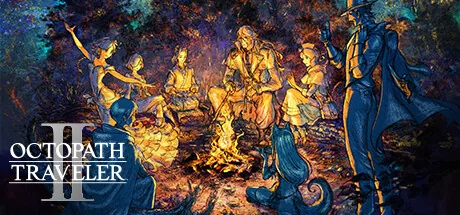
The sequel that actually lets its eight travelers meet each other, wrapped around the same Break and Boost combat that made the original worth playing and a day/night toggle that changes what every town has to offer.
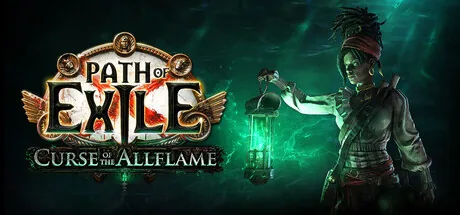
Grinding Gear Games' original 2013 action RPG is still running, still free, and still adding a full seasonal league every few months — a genre-defining build sandbox that never bothered making itself easy to learn, now sharing a studio and a wallet with its own sequel.
ATLUS rebuilds its genre-defining 2006 JRPG from the ground up with modern combat, full voice acting and a gorgeous new engine — a near-unanimous critical success undercut by a well-documented, still-discussed bait-and-switch over what the premium edition's DLC actually included.
Sabotage Studio's turn-based RPG borrows Chrono Trigger's parts openly and reassembles them well — timed hits, a lock-breaking combat layer and a day/night mechanic that actually changes puzzles — but the writing never catches up to the systems around it.
Four years on, 97.2% positive across 176,389 reviews — and its critics are still arguing that the only reason it scores that well is that you play as a cat.
A standalone sequel to one of the sharpest deduction games in years, trading its predecessor's ancient-world mystery for a 1970s conspiracy -- slightly less airtight than the original by its own fans' admission, but still one of the best pure puzzle-narrative games released in 2024.
A game about a small fox that hands you an instruction manual in a language you can't read and lets that single idea carry an entire adventure — and a soulslike hiding inside a Zelda costume, which is where most of its arguments start.
A Viking survival sandbox that gates its whole progression behind biomes, each one resetting your sense of safety from zero. Five and a half years into Early Access, with a firm 1.0 date finally on the calendar, it's worth asking how much of that reputation still holds.
A sequel to the cult favourite Demon's Tilt that hands the ball a gun. The turret system, a nine-perk build layer and a three-story derelict-ship table make this one of the most inventive pinball games in years — provided your eyes can keep up with it.
A roguelite beat 'em up from the Streets of Rage 4 team that critics and players both rate as one of 2025's genre highlights -- hand-drawn combat and worldbuilding that land almost universally, undercut by real multiplayer stability issues and a vocal minority who find its Hades-shaped meta-progression more familiar than fresh.
Timberline Studio's cozy chef sim ties its farming-and-cooking loop directly into a trick-taking deckbuilder — a review of whether feeding your adventurers is a real tactical decision or just a chore standing between you and the next card fight.