Bomb Rush Cyberfunk
A gorgeous, funky Jet Set Radio successor that 97.8% of players love — and whose critics land the same blow every time: it understood that the original was cool without understanding why.
8 / 10
Browse by platform
233 games we have reviewed that run on PlayStation, best first.
233 reviews
A gorgeous, funky Jet Set Radio successor that 97.8% of players love — and whose critics land the same blow every time: it understood that the original was cool without understanding why.
8 / 10
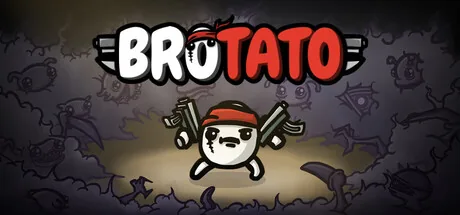
Blobfish's one-person arena shooter hands a potato six weapon slots and lets stat stacking do the rest — a review of how far chips-in-the-shop decision-making carries a twenty-wave run, and where the plain presentation and a few solved builds hold it back.
8 / 10
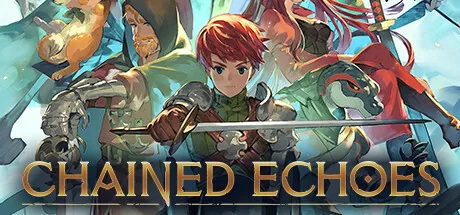
A 16-bit-style JRPG built almost entirely by one developer over seven years, whose real achievement isn't the pixel art but a heat-gauge combat system that replaces MP attrition with active turn-by-turn risk management.
8 / 10
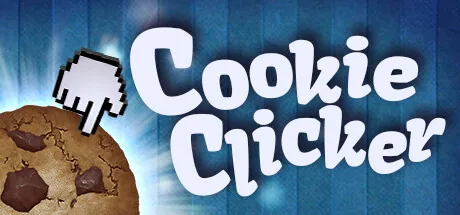
The game that accidentally invented the incremental genre in an evening, still actively updated thirteen years later — and still the yardstick every idle game gets measured against, for better and for worse.
8 / 10
SFB Games rebuilds PS1-era survival horror with real craft and a genuinely unsettling abandoned theme park, and both critics and its own huge Steam audience agree it's one of the best tributes the genre has had in years — though a real, specific minority argues the tribute keeps the atmosphere and drops the actual survival tension that made the originals tense.
8 / 10
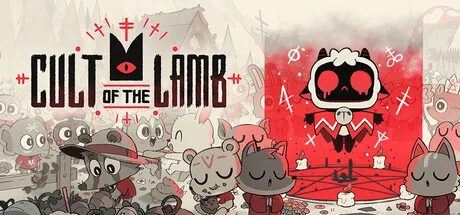
A roguelite dungeon crawler and a cult-management sim share one save file, and the question that actually matters almost four years on is whether they're still lending each other strength or just taking turns.
8 / 10
A spearfishing roguelite and a sushi restaurant manager share one save file, and the join is the best thing about it — what you catch by day is what you sell by night. The game just won't stop adding new systems on top of that, long after the core two have proven they didn't need the help.
8 / 10
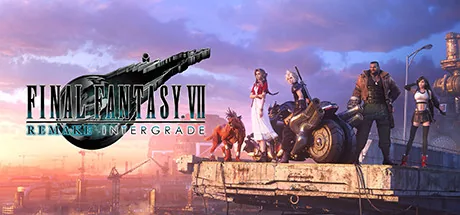
The second act of the Remake trilogy trades Midgar's corridors for open regions, a deep Synergy-and-Folio combat system and a genuinely excellent card game — then buries a chunk of it under checklist busywork and a PC port that still stutters a year on.
8 / 10
A spectacular retelling of the first five hours of a 1997 classic, stretched to forty — and a PC port whose launch grievances have quietly been fixed while the argument about the story hasn't gone anywhere.
8 / 10
The free open world is good enough to carry a full-price game on its own — climbing, gliding and elemental combat form one of the best traversal systems in the genre. What you pay for is everything above the story campaign, and the review is really about where that line sits.
8 / 10
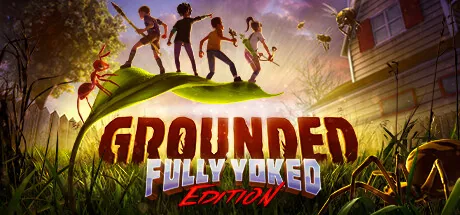
Obsidian shrinks you to the size of an ant and lets that single premise reshape exploration, combat and crafting all at once. Nearly four years after 1.0, the backyard is still one of the smartest survival maps in the genre — even as Obsidian's attention has visibly moved on to the sequel.
8 / 10
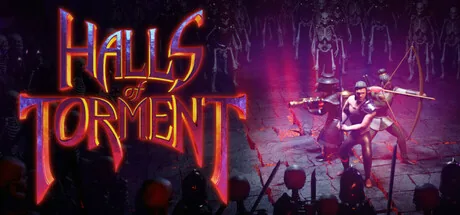
Chasing Carrots dressed a Vampire Survivors loop in Diablo's dark isometric skin and then buried it under one of the deepest meta-progression trees the survivor-like genre has — a review of what that unlock grind buys you, and what happens to the screen once it pays off.
8 / 10
A brutal, hand-crafted top-down shooter that asks you to think in Hotline Miami's language of parries and one-hit deaths, then backs it with fifty-four stages that never repeat a trick twice.
8 / 10
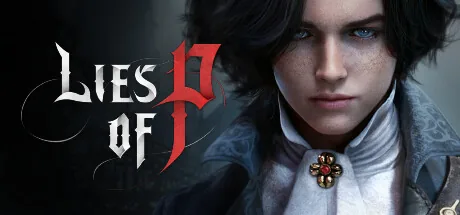
A Belle Époque retelling of Pinocchio that wears its Bloodborne influence on its sleeve, then earns the comparison with a weapon-assembly system and a guard-timing mechanic good enough to stand on their own.
8 / 10
A 1994 Japan-only SNES anthology RPG gets a gorgeous HD-2D remake and its first-ever release outside Japan -- eight short, wildly different stories in one box, held together by writing critics and players agree is stronger than the archaic combat carried over from the original.
8 / 10
Team Ninja builds a three-stance, Ki Pulse-driven combat system deeper than almost anything else in the genre, then buries a big chunk of its own goodwill under Diablo-scale loot noise and mission design that leans hard on reused level layouts.
8 / 10
Grinding Gear Games rebuilt combat around commitment and rhythm instead of clear speed, redrew the passive tree and skill-gem system from the ground up, and is still rebuilding the endgame around them nineteen months into Early Access — a genre-defining campaign wrapped around systems that are still visibly under construction.
8 / 10
A third-person roguelite where every pickup multiplies the last one while a fixed difficulty clock keeps climbing underneath you — number-go-up design wearing a shooter's clothes. Reviewed against the game's full history, including the DLC launch Gearbox itself admitted put the PC version "in a really bad place," and the year it took to fix.
8 / 10
A faithful, modernised remake of the 1993 Super Famicom cult classic that still asks players to inherit an empire across generations and accept that mindless grinding makes enemies stronger, not weaker — a design philosophy Steam's own userbase is visibly still arguing about, thirty years on, even as the remake itself lands close to universal critical acclaim.
8 / 10
Bloober Team's full remake of the 2001 psychological horror classic is a genuine reputational turnaround for a studio previously known for mixed-to-poor reviews, praised by critics and players alike for its atmosphere and expanded combat — undercut for a large, persistent share of its own audience by PC stuttering that patches still hadn't fully resolved nearly two years after launch, and by a real, still-argued debate over whether clarifying the original's ambiguities helped or hurt the story.
8 / 10
A small Paris studio built a turn-based CRPG on Dungeons & Dragons' free 5.1 rules document rather than a paid brand license, and the result plays closer to an actual tabletop session than any of its bigger-budget rivals — verticality, light and darkness included — while looking and sounding like exactly the smaller production it is.
8 / 10
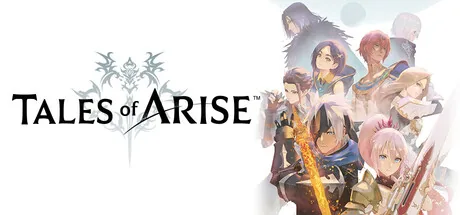
A gorgeous, thematically serious entry in Bandai Namco's long-running JRPG series, built around six-character elemental combat and a slavery-and-liberation story that earns its weight. The game underneath is excellent. The launch-day decision to sell costume DLC that unlocks combat Artes and stat bonuses, advertised at every campfire, is still the thing its own playerbase brings up five years later.
8 / 10
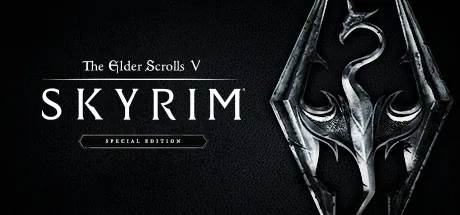
Fifteen years on, Skyrim's open world is still the reason people play it — walk in any direction and something is there. The systems underneath that world, from swordplay to loot to the dialogue tree, have aged a lot less gracefully, and Bethesda has spent a decade finding new ways to resell the same game. Reviewed as Skyrim Special Edition, the version Steam actually sells you today.
8 / 10
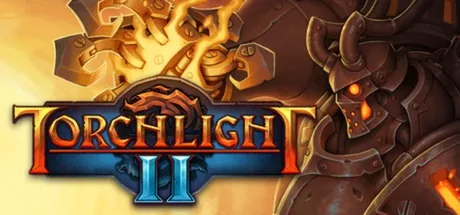
A 2012 answer to Diablo III's always-online auction house, built by former Blizzard North designers — and still worth playing today largely because of the mod scene that kept extending it after Runic Games itself closed down.
8 / 10